
Understanding Q vs S Tire Speed Ratings: What Every Driver Should Know
When shopping for new tires, you’ve likely encountered letters like Q, S, T, or H in the tire specifications. These aren’t random characters—they’re speed ratings that indicate the maximum speed a tire can safely maintain under ideal conditions. Among these, Q and S ratings represent a critical divide in the tire world, with significant implications for your vehicle’s performance, safety, and your wallet.
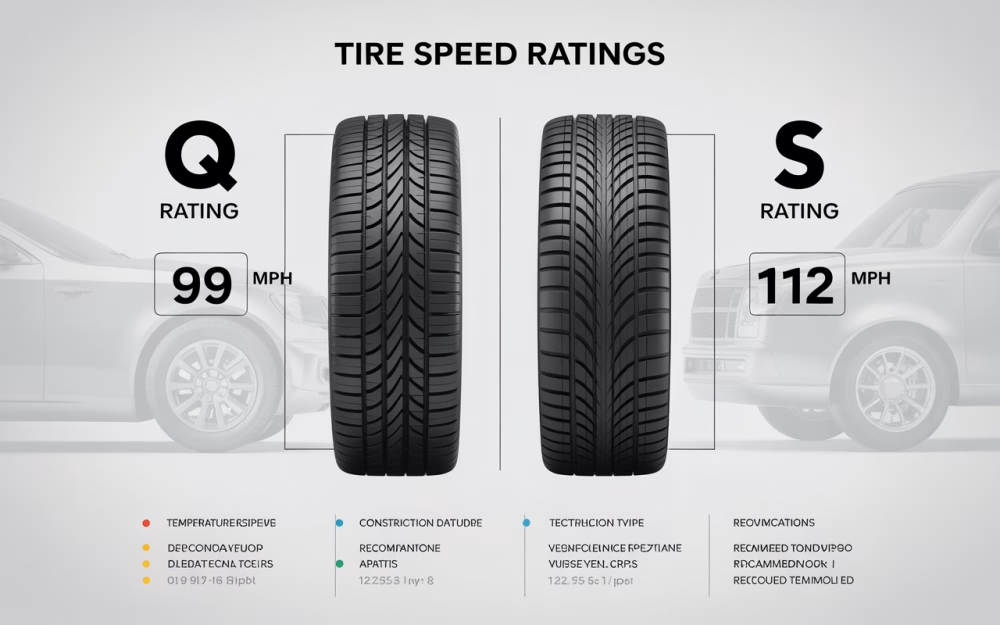
Q-rated tires are certified for speeds up to 99 mph (160 km/h), while S-rated tires can handle speeds up to 112 mph (180 km/h). This 13 mph difference might seem minor, but it represents a fundamental engineering distinction that affects everything from how your vehicle handles to how much you’ll pay for tires over time.
In this comprehensive guide, we’ll explore what these ratings mean, how they impact tire construction and performance, and which rating is right for your driving needs. Whether you’re outfitting your family sedan, preparing your vehicle for winter, or equipping your off-road adventurer, understanding the Q vs S distinction will help you make safer, more economical tire choices.
Table of Contents
Understanding Tire Speed Ratings
Speed ratings indicate the maximum speed at which a tire can safely carry a load under specified conditions. These ratings emerged from the need to standardize tire performance capabilities as vehicle speeds increased over decades.
The ratings follow a somewhat alphabetical progression, with Q and S representing important thresholds in the spectrum:
- Q Rating: Maximum speed of 160 km/h (99 mph)
- R Rating: Maximum speed of 170 km/h (106 mph)
- S Rating: Maximum speed of 180 km/h (112 mph)
- T Rating: Maximum speed of 190 km/h (118 mph)
It’s crucial to understand that speed ratings aren’t recommendations for how fast you should drive. Rather, they indicate the maximum speed at which the tire can safely operate while maintaining structural integrity.
The Science Behind Speed Ratings
The difference between Q and S ratings isn’t arbitrary—it’s based on fundamental physics and material science.
Heat Generation and Dissipation
As tires rotate, they flex and deform, generating heat through a process called hysteresis. At higher speeds, this heat generation increases dramatically. If a tire can’t dissipate this heat quickly enough, internal temperatures rise to dangerous levels, potentially leading to catastrophic failure.
S-rated tires are constructed with compounds and designs that can handle the additional heat generated at 180 km/h, while Q-rated tires are limited to 160 km/h before thermal risks become significant.
Centrifugal Forces and Structural Integrity
As speed increases, centrifugal forces pull the tire outward, causing it to “grow” slightly. This places enormous strain on the tire’s internal structure. S-rated tires typically feature reinforced construction that can withstand these forces at higher speeds.
The Standing Wave Phenomenon
At critical speeds, tires can develop “standing waves”—ripples that form in the sidewall when the tire’s rotation speed matches the natural frequency of the casing’s recovery. This phenomenon generates massive heat and can lead to rapid failure.
Q-rated tires, with their typically more flexible construction, reach this critical threshold at lower speeds than S-rated tires.
Q-Rated Tires: Specialized Performance
Q-rated tires aren’t inferior products—they’re specialized tools designed for specific conditions where maximum speed is less important than other performance characteristics.
Winter Tires
Most dedicated winter tires carry a Q rating. This is because:
- They use ultra-soft rubber compounds that remain pliable in freezing temperatures
- They feature deep tread patterns with numerous sipes (tiny slits) that provide biting edges on ice and snow
- These same features that excel in winter conditions create more heat and flexibility at high speeds
Mud-Terrain Tires
Many aggressive off-road tires also carry Q ratings because:
- Their massive, chunky tread blocks create significant heat under high-speed rotation
- The large voids between lugs can lead to tread block movement and instability at highway speeds
- Their primary function is mechanical grip in challenging off-road conditions, not high-speed highway stability
S-Rated Tires: The Highway Standard
S ratings represent the entry-level standard for modern passenger vehicles, offering a balance of performance characteristics:
All-Season Touring Tires
Most family sedans, minivans, and crossovers come equipped with S-rated tires from the factory. These tires provide:
- Adequate speed capability for normal highway driving with a safety margin
- Better heat dissipation for sustained highway travel
- More stable handling characteristics on dry pavement
All-Terrain Tires
Many all-terrain tires achieve S ratings (unlike their mud-terrain cousins) by incorporating:
- Connected tread blocks that reduce movement at speed
- Stiffer compounds that generate less heat
- More balanced designs that compromise some off-road capability for better on-road performance
Real-World Performance Differences
The gap between Q and S ratings affects more than just maximum speed capability—it influences everyday driving in several ways:
Handling and Steering Response
S-rated tires typically offer:
- Quicker steering response
- More precise handling
- Better stability at highway speeds
- Less “wandering” on straight roads
Q-rated tires often exhibit:
- Delayed steering response
- More vague handling feel
- Greater tendency to wander at highway speeds
Braking Performance
On dry or wet pavement, S-rated tires generally provide:
- Shorter stopping distances
- More consistent braking performance
- Better stability during emergency maneuvers
Q-rated winter or mud tires may require significantly longer distances to stop on dry pavement—sometimes several car lengths more from highway speeds.
Legal and Insurance Considerations
Using tires with speed ratings lower than your vehicle manufacturer’s recommendations can have legal and insurance implications that many drivers don’t consider.
Regulatory Requirements
Different regions have varying regulations regarding tire speed ratings:
- European Union: It’s illegal to fit tires with a lower speed rating than the vehicle’s top speed for summer/all-season tires, though winter tires (M+S or 3PMSF marked) are exempted with proper driver notification.
- North America: While there’s no specific federal prohibition against downgrading speed ratings, state/provincial laws requiring vehicles to be maintained in safe operating condition could be applied if an accident occurs.
Insurance Implications
Insurance policies universally require vehicles to be in “roadworthy” condition and often require notification of “modifications.” Using inappropriately rated tires could potentially:
- Void coverage in the event of an accident if the insurer determines the tires were a contributing factor
- Be considered a non-disclosed modification if you’ve significantly downgraded from the manufacturer’s specifications
- Create liability issues for commercial fleet operators who have a duty of care to maintain vehicles properly
The winter tire exception is generally accepted by insurers, but leaving winter tires on year-round or using lower-rated tires to save money could create significant financial risk.
Matching the Right Rating to Your Needs
Choosing between Q and S ratings depends on your specific circumstances:
Consider Q-Rated Tires If:
- You drive in severe winter conditions where ice and snow traction is critical
- You need specialized off-road performance for mud, rocks, or sand
- You understand and accept the speed limitations (160 km/h/99 mph)
- You’re willing to switch to more appropriate tires when conditions change
Consider S-Rated Tires If:
- You primarily drive on paved roads
- You value stable highway handling and shorter braking distances
- You occasionally travel at sustained highway speeds
- You want a good all-around tire for family vehicles
The Impact of Vehicle Type
Your vehicle type should influence your speed rating choice:
Family Sedans and Minivans
These vehicles typically come with S-rated tires from the factory, offering a good balance of:
- Safety margin for highway driving
- Comfort and noise characteristics
- Adequate performance in various conditions
Performance Vehicles
Sports cars and performance sedans usually require higher ratings (H, V, or above). Downgrading to S or especially Q ratings would:
- Compromise handling capabilities
- Potentially affect electronic stability control systems
- Create safety concerns during spirited driving
SUVs and Light Trucks
These versatile vehicles present interesting choices:
- Stock configurations often use S-rated all-season or all-terrain tires
- Off-road enthusiasts might choose Q-rated mud tires, accepting the on-road compromises
- Winter driving might call for Q-rated winter tires
The Electric Vehicle Consideration
The rise of electric vehicles is changing tire requirements:
- EVs are typically heavier than equivalent gas vehicles
- They produce instant torque that puts additional stress on tires
- Their efficiency is more affected by tire rolling resistance
For these reasons, many EV-specific tires maintain higher speed ratings (often R or S minimum) even for winter applications, balancing the need for winter traction with structural requirements.
Final Recommendations
- Never Downgrade Unnecessarily: Don’t use Q-rated tires on a vehicle that requires S-rated tires unless they’re winter tires used specifically during winter conditions.
- Seasonal Awareness: If using Q-rated winter tires, remove them when temperatures consistently rise above 7°C (45°F) to avoid premature wear, reduced performance, and potential insurance issues.
- Off-Road Compromise: When choosing Q-rated mud tires for off-road use, be aware of their highway limitations and adjust your driving accordingly.
- Check Your Insurance: Verify with your insurance provider that your tire choices won’t affect your coverage, especially if modifying from OEM specifications.
- Speed Awareness: Always respect the maximum speed indicated by your tire’s rating, regardless of your vehicle’s capability or local speed limits.
The difference between Q and S ratings represents a fundamental engineering boundary between specialized-use tires and general highway tires. By understanding these differences, you can make informed choices that balance performance, safety, and legal compliance for your specific driving needs.

