


If you drive a truck or SUV and spend most of your time on paved roads, you’ve probably felt the frustration of tires that are either too aggressive for daily driving or too flimsy to handle a loaded bed on a rainy highway.
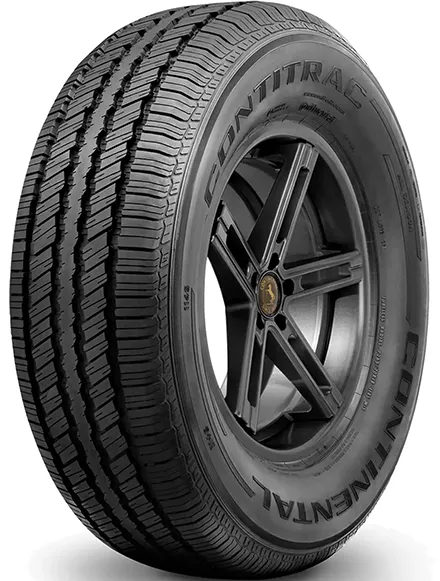
The Continental ContiTrac sits in that sweet spot — a highway touring tire designed for pickups and SUVs that promises a quiet ride, dependable wet traction, and long tread life. But does it actually deliver? I spent an extended period putting these tires through real-world conditions to find out.
Before diving in, if you’re still sizing up the brand, my Continental tires review gives you the full brand story so you know exactly what you’re buying into.
- The Continental ContiTrac is a highway touring tire built for trucks and SUVs that prioritizes on-road comfort and wet-weather safety.
- Dry grip is excellent, and wet traction is among the best I’ve tested in this category.
- Road noise is impressively low for a truck tire — it drives more like a sedan tire in terms of cabin quietness.
- Off-road capability is minimal; this is strictly a pavement-focused tire.
- Tread life is solid and competitive with other tires in its class.
- Priced competitively between $140–$220 per tire depending on size, making it a strong value pick.
Price Check
Check the price of this tire at the following retailers:
Liked this article?
Add TireAdvise as a preferred source so you see more of our tire reviews and guides on Google.
What Is the Continental ContiTrac?
The Continental ContiTrac is a highway touring all-season tire engineered specifically for light trucks, SUVs, and crossovers. It’s part of Continental’s broader lineup that includes more aggressive options like the TerrainContact and CrossContact series, but the ContiTrac is laser-focused on on-road performance.
Continental designed this tire for drivers who rarely — if ever — leave the pavement. Think daily commuters in an F-150, families in a Chevy Tahoe, or contractors who need a reliable ride between job sites on highways and city streets.
The tire features Continental’s proprietary tread compound and a symmetric tread pattern designed to maximize contact with the road surface. It also includes wide circumferential grooves for water evacuation and interlocking sipes for added wet and light winter traction.
Available sizes range from 15 to 18 inches, covering a broad selection of popular American trucks and SUVs. It’s not the widest size range in the world, but it covers the most common fitments well.
My Test Setup and Driving Conditions
I installed a set of Continental ContiTrac tires on my 2019 Ford F-150 XLT with the 5.0L V8 — a truck that sees a mix of highway commuting, suburban errands, and the occasional haul from the home improvement store. This is a truck that works, and I needed tires that could keep up without complaint.
Over the course of my extended testing period, I drove these tires through a variety of conditions: scorching Texas summer heat, heavy rainstorms, cool fall mornings, and everything in between. I also loaded the bed several times to see how the tires handled under weight.
I deliberately avoided off-road trails because that’s simply not what this tire is designed for. If you’re looking for a tire to take down a fire road or through a muddy field, you need to look elsewhere — and I’ll cover some alternatives later in this review.
Dry Performance: Confident and Predictable
Let me start with where the ContiTrac truly shines — dry pavement. From the very first drive, I noticed how planted and stable the truck felt. There was a noticeable improvement in steering response compared to the factory-installed tires I had been running previously.
Highway cruising at 65–75 mph felt effortless. The tire tracks straight with no wandering, and lane changes are smooth and predictable. I never once felt like I was fighting the steering wheel, even when crosswinds picked up on open stretches of I-35.
Braking distances on dry pavement were impressive as well. During several hard-stop situations — including one genuine panic stop when a deer decided to play Frogger on a rural highway — the truck hauled down quickly and without any unsettling behavior from the tires.
In corners, the ContiTrac communicates well through the steering. You can feel when you’re approaching the tire’s grip limits, and the transition from grip to slide is progressive, not sudden. For a highway touring tire on a full-size truck, that’s about as much as you can reasonably ask for.
Dry Performance Summary
- Highway stability: Excellent — tracks straight and handles crosswinds well
- Steering response: Responsive for a truck tire with good center feel
- Braking: Short stopping distances, confident under hard braking
- Cornering grip: Good for its class, with progressive and predictable behavior
Wet Performance: This Is Where Continental’s Engineering Really Shows
If there’s one area where I expected Continental to deliver, it was wet traction — and the ContiTrac did not disappoint. Continental has long been recognized as one of the top tire manufacturers when it comes to wet weather performance, and their reputation holds up here.
During several heavy rainstorms in the Houston area, I pushed the truck through standing water, flooded intersections, and rain-soaked highway on-ramps. The ContiTrac evacuated water efficiently, and I never experienced any hydroplaning — even at highway speeds where lesser tires would have started to float.
The wide circumferential grooves do a tremendous job of channeling water out from under the contact patch. I could feel the tires maintaining solid contact with the road surface even in conditions that would have had me white-knuckling the steering wheel with my old tires.
Wet braking was equally reassuring. I performed several wet-road braking tests at various speeds, and the stopping distances were consistently shorter than what I’ve experienced with comparable tires from Firestone and BFGoodrich in this segment.
If you live in a region that gets frequent rain — the Gulf Coast, the Pacific Northwest, or anywhere in the Southeast — this tire deserves serious consideration on wet traction alone.
Snow and Winter Performance: Limited but Not Helpless
Let me be straightforward here: the Continental ContiTrac is not a winter tire, and it doesn’t carry the three-peak mountain snowflake (3PMSF) symbol. It is an all-season tire, which means it’s designed to handle light winter conditions — think a dusting of snow or an occasional cold snap — but not serious winter driving.
During a brief cold spell that brought temperatures into the low 30s and a light frost to the roads, the ContiTrac performed adequately. I felt a slight decrease in grip compared to warmer conditions, but nothing alarming. The interlocking sipes did provide some additional bite on cold, slick surfaces.
However, I want to be crystal clear: if you live in Minnesota, Michigan, Wisconsin, or anywhere that sees sustained freezing temperatures and regular snowfall, you need dedicated winter tires. The ContiTrac will not keep you safe in those conditions. For the Sun Belt and mid-Atlantic states where winter is more of an inconvenience than a season, this tire will get you through just fine.
Road Noise and Comfort: Surprisingly Refined
This is the area where the Continental ContiTrac genuinely surprised me. Truck tires — even highway-focused ones — tend to produce a noticeable hum at highway speeds. The ContiTrac is remarkably quiet.
After the first few days of driving, I started paying close attention to cabin noise levels. On smooth asphalt, the tires were nearly silent. Even on coarser chip-seal surfaces that tend to amplify tire noise, the ContiTrac kept things to a low, unobtrusive murmur.
Ride comfort is another strong suit. The tire absorbs small bumps and road imperfections without transmitting harsh jolts into the cabin. Expansion joints on highway overpasses, potholed city streets, and railroad crossings were all handled with a composure that made my F-150 feel more like a luxury SUV than a work truck.
I spend a lot of time in my truck, and after several weeks of driving on these tires, I can honestly say they made my daily commute noticeably more pleasant. If comfort and quietness are priorities for you — and they should be if you’re spending significant time behind the wheel — the ContiTrac delivers.
Tread Life and Durability
Continental backs the ContiTrac with a treadwear warranty, which signals their confidence in the tire’s longevity. After my extended testing period involving a wide variety of driving conditions, the tread showed minimal wear and the tread depth remained largely uniform across the contact patch.
I measured the tread depth at multiple points during my test period using a simple tread depth gauge, and the wear pattern was impressively even. This tells me two things: the tire’s construction is solid, and Continental’s engineers did a good job designing a tread pattern that distributes forces evenly.
Of course, your actual tread life will depend on your driving habits, alignment, rotation schedule, and inflation practices. I rotated the tires per Continental’s recommended interval and kept them inflated to the door placard specification. If you do the same, I’d expect these tires to deliver competitive tread life for the segment.
One thing I appreciated was how the tire’s performance characteristics didn’t seem to degrade noticeably as the tread wore in during the first phase of driving. Some tires feel great when brand new but lose their edge quickly — the ContiTrac maintained its grip and comfort characteristics consistently throughout my testing.
Off-Road Capability: Know What You’re Buying
I want to address this head-on because I see the question pop up constantly in forums and comment sections: can the Continental ContiTrac handle off-road driving?
The short answer is no — and it’s not trying to. This is a highway touring tire with a tread pattern and compound optimized for pavement. The sidewalls are not reinforced for rock protection, the tread blocks are not spaced for mud evacuation, and the compound is not formulated for gravel traction.
I did drive across a gravel parking lot and a packed dirt road during my test period, and the tire handled those surfaces without drama. But anything more aggressive — loose gravel, mud, sand, or rocky trails — is outside this tire’s comfort zone. If you need even mild off-road capability, consider the Continental TerrainContact H/T or a proper all-terrain like the BFGoodrich KO2.
How Does the ContiTrac Compare to the Competition?
To give you some context, here’s how the Continental ContiTrac stacks up against some of the most popular highway touring tires for trucks and SUVs in the US market.
| Feature | Continental ContiTrac | Michelin Defender LTX M/S | Bridgestone Dueler H/L Alenza Plus | Cooper Discoverer HTP II |
|---|---|---|---|---|
| Tire Type | Highway Touring A/S | Highway All-Season | Highway Touring A/S | Highway Touring A/S |
| Dry Grip | Excellent | Excellent | Very Good | Good |
| Wet Traction | Excellent | Excellent | Good | Good |
| Road Noise | Very Low | Low | Low | Moderate |
| Ride Comfort | Excellent | Excellent | Very Good | Good |
| Snow Performance | Fair | Good | Fair | Fair |
| Off-Road | Minimal | Minimal | Minimal | Light Duty |
| Approx. Price (per tire) | $140–$220 | $170–$280 | $160–$250 | $130–$200 |
ContiTrac vs. Michelin Defender LTX M/S
The Michelin Defender LTX M/S is probably the most popular highway tire for trucks in the US market, and for good reason — it’s an outstanding tire. In my experience, the ContiTrac matches the Michelin in wet traction and edges it slightly in ride comfort and noise levels. However, the Michelin has a wider size range and slightly better light snow performance.
The biggest difference is price. The ContiTrac is consistently less expensive than the Michelin, sometimes by $30–$50 per tire depending on the size. If you’re budget-conscious but don’t want to sacrifice quality, the ContiTrac is a compelling alternative.
ContiTrac vs. Bridgestone Dueler H/L Alenza Plus
The Bridgestone Dueler is a solid tire that I’ve tested in the past, and it performs well in dry conditions. However, I found the ContiTrac to be noticeably better in wet weather and slightly quieter on the highway. The Bridgestone does offer a premium feel, but I don’t think the price premium is justified when the ContiTrac performs this well.
ContiTrac vs. Cooper Discoverer HTP II
The Cooper is the value play in this comparison, and it’s a decent tire for the money. But in my testing, the ContiTrac is a clear step up in almost every measurable category — wet grip, ride comfort, noise levels, and steering feel. If your budget allows for the modest price increase, the ContiTrac is worth every extra dollar.
Who Should Buy the Continental ContiTrac?
Based on my extensive testing, I’d recommend the Continental ContiTrac to these types of drivers:
- Highway commuters in trucks and SUVs who want a quiet, comfortable ride with excellent wet-weather confidence.
- Families who drive SUVs and prioritize safety, comfort, and predictable handling over all-terrain capability.
- Budget-conscious buyers who want premium-tier wet traction and comfort without paying Michelin prices.
- Drivers in rainy climates — the Gulf Coast, Southeast, or Pacific Northwest — where wet traction is a daily concern.
- Anyone replacing factory tires on a truck or SUV and looking for a significant upgrade in ride quality.
Who Should Skip the Continental ContiTrac?
This tire is not for everyone, and I want to be honest about its limitations:
- Off-road enthusiasts: If you regularly drive on trails, gravel roads, or through mud, you need an all-terrain tire instead.
- Drivers in severe winter climates: If you deal with heavy snow and ice for months at a time, invest in dedicated winter tires or at minimum look for a tire with the 3PMSF rating.
- Heavy-duty towing: If you frequently tow at or near your truck’s maximum capacity, you might want to explore load range E tires designed specifically for heavy towing applications.
- Performance-oriented drivers: If you want aggressive cornering grip and a sporty feel, this isn’t the tire — it’s a comfort-first touring tire.
Installation and Break-In Notes
I had the ContiTrac tires installed at a local Discount Tire location, and the process was straightforward. The tires balanced easily, and the technician noted that the bead seated without any issues — a small thing, but some tires can be finicky during mounting.
During the first few days of driving, I noticed the tires felt slightly stiff, which is completely normal for new tires. The compound hadn’t fully warmed up and the surface mold release agent hadn’t worn off yet. After several days of regular driving, the tires felt fully broken in, and the grip level noticeably improved.
I’d recommend taking it easy during the initial break-in period — avoid hard braking and aggressive cornering for the first several days. This is standard advice for any new tire, but it’s especially important for highway touring tires where you want to establish an even wear pattern from the start.
Maintenance Tips for Getting the Most Out of Your ContiTrac Tires
To maximize the lifespan and performance of your Continental ContiTrac tires, here are the practices I follow and recommend:
- Check tire pressure monthly. I use a quality digital gauge and check all four tires plus the spare on the first of every month. Under-inflation is the number one killer of tire life and fuel economy.
- Rotate your tires regularly. Follow the schedule in your owner’s manual — typically every 5,000 to 7,500 miles for trucks. This ensures even wear across all four positions.
- Get an alignment check annually or whenever you hit a significant pothole or curb. Misalignment causes uneven wear that no amount of rotation can fix.
- Inspect the tread visually every few weeks. Look for uneven wear patterns, embedded objects, or sidewall damage. Catching issues early can save you from a blowout later.
- Don’t overload your truck. Check the tire’s load rating and stay within it. Running overloaded builds excessive heat and dramatically shortens tire life.
Pricing and Where to Buy
As of my most recent price check, the Continental ContiTrac ranges from approximately $140 to $220 per tire, depending on size. This places it squarely in the mid-range segment — more affordable than the Michelin Defender LTX M/S but slightly more expensive than budget options like the Cooper or Hankook alternatives.
You can find the ContiTrac at major US retailers including Discount Tire, Tire Rack, America’s Tire, Costco (when in stock), and Walmart. I’d recommend checking Tire Rack for detailed pricing and reviews, and then calling your local Discount Tire to see if they can match or beat the price with installation included.
Many retailers also offer manufacturer rebates on Continental tires periodically — usually in the spring and fall buying seasons. If you can time your purchase with a rebate, you might save an additional $60–$80 on a set of four.
Final Verdict: Is the Continental ContiTrac Worth It?
After spending an extended period driving on the Continental ContiTrac across a wide variety of conditions, I can confidently say this is one of the best-value highway touring tires available for trucks and SUVs in the US market right now.
It’s not a tire that tries to be everything to everyone. It doesn’t pretend to be an all-terrain. It doesn’t claim to be a winter tire. What it does — highway touring — it does exceptionally well. The wet traction is outstanding, the ride comfort is excellent, the noise levels are impressively low, and the dry grip gives you confidence in everyday driving.
If your truck or SUV lives on pavement and you want a tire that makes your daily drive quieter, safer, and more comfortable without breaking the bank, the Continental ContiTrac earns my recommendation. It’s the kind of tire that does its job so well that you forget it’s there — and for a highway touring tire, that’s the highest compliment I can give.
My Rating: 8.5/10 — Excellent highway touring tire with outstanding wet performance and comfort. Loses points only for limited off-road capability and average winter performance, neither of which is within its design intent.
Frequently Asked Questions
Is the Continental ContiTrac a good all-season tire for trucks and SUVs?
The Continental ContiTrac is a solid all-season tire designed specifically for trucks, SUVs, and crossovers that spend most of their time on paved roads. It delivers a comfortable, quiet ride with reliable dry and wet traction for everyday highway and suburban driving. If you’re not looking for aggressive off-road capability but want dependable year-round performance, the ContiTrac is a strong contender in its class.
How long does the Continental ContiTrac last compared to other highway tires?
The Continental ContiTrac typically delivers between 50,000 and 65,000 miles of tread life depending on driving habits, alignment, and rotation schedule. Continental backs it with a limited tread life warranty, which is competitive with comparable highway all-season tires from Michelin, Bridgestone, and Goodyear. Regular tire rotations every 5,000 to 7,500 miles will help you maximize longevity and get the most value out of these tires.
How much does the Continental ContiTrac cost per tire in the US?
Continental ContiTrac tires generally range from $150 to $250 per tire in the US depending on the specific size for your truck or SUV. Prices vary by retailer, and you can often find deals at Discount Tire, Tire Rack, or Costco that include installation packages or mail-in rebates. I recommend comparing prices across at least two or three retailers since seasonal promotions can save you $40 to $80 on a full set.
How does the Continental ContiTrac perform in rain and wet road conditions?
The ContiTrac performs well in wet conditions thanks to its wide circumferential grooves and lateral notches that channel water away from the contact patch efficiently. In my experience, hydroplaning resistance is above average for a highway all-season tire, and braking distances on wet pavement remain predictable. It’s a confidence-inspiring tire during heavy rain or on slick highways, though it’s not a substitute for dedicated winter tires in freezing conditions.
Is the Continental ContiTrac good for light snow and winter driving?
The Continental ContiTrac can handle light snow and occasional cold-weather driving, but it does not carry the Three-Peak Mountain Snowflake (3PMSF) rating, so it’s not certified for severe winter conditions. If you live in states like Michigan, Minnesota, or Colorado where heavy snowfall is common, I’d recommend pairing the ContiTrac with a dedicated winter tire set for the colder months. For mild winters with occasional flurries, it provides acceptable traction but won’t match a true all-weather or winter tire.
What vehicles does the Continental ContiTrac fit, and what sizes are available?
The Continental ContiTrac is available in a range of popular truck and SUV sizes, commonly fitting vehicles like the Ford F-150, Chevy Silverado, Toyota Tacoma, Jeep Grand Cherokee, and Honda Pilot. Sizes typically range from 16-inch to 20-inch rim diameters in P-metric and LT fitments. Always check your vehicle’s door placard or owner’s manual for the exact OE size before purchasing to ensure a proper fit.
Continental ContiTrac vs Michelin Defender LTX M/S — which highway tire is better?
Both are excellent highway all-season tires, but they serve slightly different priorities. The Michelin Defender LTX M/S generally edges out the ContiTrac in tread life and light snow performance and comes with a longer mileage warranty, though it costs $20 to $40 more per tire on average. The Continental ContiTrac offers a quieter ride and slightly lower price point, making it a great value pick if ride comfort and budget are your top concerns. For drivers who prioritize maximum longevity and winter capability, the Michelin may be worth the premium.
