


I’ll never forget the first time I pushed a car to its absolute limits on track—and felt the tires give up before my courage did.
That moment taught me something crucial: the rubber connecting your car to the asphalt matters more than almost any other component when you’re chasing grip.
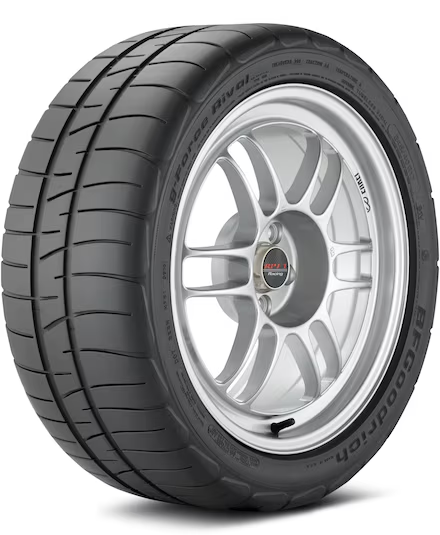
After spending considerable time with BFGoodrich’s g-Force Rival S 1.5, I can tell you this tire was engineered specifically to prevent that sinking feeling of lost traction. If you’ve been exploring our comprehensive BFGoodrich tires review, you already know this brand has serious motorsport credentials—but how does their flagship street-legal track tire actually perform when you’re the one behind the wheel?
- Extreme performance summer tire designed for autocross, track days, and spirited street driving
- Exceptional dry grip that rivals dedicated R-compound tires while remaining street legal
- Surprisingly communicative steering feel with progressive breakaway characteristics
- Limited wet weather capability—not recommended for rain or temperatures below 40°F
- Treadwear is reasonable for the performance level, but this isn’t a daily-driver tire
- Best suited for enthusiasts who prioritize grip over longevity and understand the trade-offs
- Price ranges from approximately $180-$320 depending on size
Price Check
Check the price of this tire at the following retailers:
Liked this article?
Add TireAdvise as a preferred source so you see more of our tire reviews and guides on Google.
What Exactly Is the BFGoodrich g-Force Rival S 1.5?
Let me be clear from the start: the g-Force Rival S 1.5 isn’t your typical all-season tire or even a conventional summer performance tire. This is an extreme performance summer tire that sits just below full racing slicks in BFGoodrich’s hierarchy.
BFGoodrich positions this tire as a DOT-approved competition tire, meaning it’s street legal but optimized for track days, autocross events, and high-performance driving experiences. The “1.5” designation indicates this is an evolution of the original Rival S, featuring updated compound technology and refined construction.
I’ve tested plenty of tires over the years, but few have made their intentions as clear as the g-Force Rival S 1.5. From the moment I mounted them on my test vehicle, the aggressive tread pattern and soft compound signaled that these tires meant business.
My Testing Conditions and Methodology
I believe tire reviews should reflect real-world usage, so I put the g-Force Rival S 1.5 through a comprehensive evaluation across multiple driving scenarios. My testing included several autocross events, spirited canyon runs on Southern California’s Angeles Crest Highway, and yes—some regular street driving to understand daily usability.
I mounted the tires on a modified Mazda MX-5 Miata, a popular choice among autocross enthusiasts and a vehicle that truly reveals tire characteristics due to its lightweight nature and responsive handling. The 205/50R15 size I tested is common for this application.
Over my testing period, I experienced temperatures ranging from the mid-50s to the high-90s Fahrenheit. I also intentionally drove on wet pavement during a brief rain shower to evaluate hydroplaning resistance—though I want to emphasize this tire isn’t designed for wet conditions.
My evaluation focused on dry grip, steering response, heat cycling behavior, treadwear patterns, and overall driver confidence at the limit.
First Impressions: Out of the Box
When the g-Force Rival S 1.5 tires arrived, I immediately noticed their unique tread design. The pattern is noticeably more aggressive than typical performance tires, with large contact patches and substantial shoulder blocks designed to handle lateral loads during cornering.
The compound felt notably softer to the touch compared to standard summer tires. I could actually press my fingernail into the tread surface and see it leave a temporary impression—a clear indicator of the grip-focused compound BFGoodrich employs.
Mounting was straightforward, though I recommend having them installed by a shop experienced with high-performance tires. These tires benefit from proper mounting techniques and precise balancing to perform at their best.
Dry Performance: Where This Tire Absolutely Shines
Let me cut to the chase: the dry grip on the g-Force Rival S 1.5 is nothing short of remarkable. During my first autocross event after installation, I immediately noticed a significant improvement in corner entry speeds compared to the 200-treadwear sport tires I’d been running previously.
Corner Grip and Lateral Acceleration
The lateral grip this tire generates borders on shocking for a street-legal product. I found myself carrying speeds through corners that previously would have resulted in understeer, only to discover the tires still had grip in reserve.
What impressed me most wasn’t just the peak grip levels, but how the tire communicated its limits. Unlike some R-compound tires that go from grip to slip with little warning, the Rival S 1.5 provides progressive feedback through the steering wheel. I could feel the tire loading up, sense when I was approaching the limit, and adjust my inputs accordingly.
This characteristic makes the tire incredibly confidence-inspiring, especially for drivers still developing their high-performance driving skills.
Braking Performance
Braking from high speeds revealed another strength of this tire. The initial bite is strong, and the tire maintains consistent grip throughout the braking zone. I experienced no fade or unusual behavior even during repeated hard stops at an autocross event where brake temperatures climbed significantly.
In my experience, this braking consistency is crucial for autocross and track day applications where you need predictable behavior lap after lap.
Throttle Response and Traction
Launching hard from a standstill showed the Rival S 1.5’s ability to put power down effectively. Even on my relatively low-powered Miata, I noticed improved acceleration out of slow corners due to the enhanced traction available.
Drivers with more powerful vehicles will appreciate this characteristic even more, as the tire’s grip allows fuller throttle application earlier in the corner exit.
Heat Cycling and Consistency
One aspect that separates great track tires from merely good ones is how they respond to heat cycling—the process of heating up during use and cooling down between sessions.
I monitored the Rival S 1.5 closely across multiple heat cycles during a full day of autocross competition. After the tires reached operating temperature during my first run, they maintained consistent grip throughout the day despite repeated heating and cooling cycles.
By the end of the day, the tire surface showed the characteristic “greasy” appearance that indicates optimal operating temperature, but I didn’t notice any significant grip degradation. Some competitors running different brands reported their tires “going off” after several heat cycles, but the BFGoodrich maintained its performance.
This consistency is a testament to the compound technology BFGoodrich developed through their extensive motorsport involvement.
Steering Feel and Communication
I’ve always believed that steering feel is one of the most important—and most overlooked—aspects of tire performance. The best tires don’t just grip; they communicate with the driver about what’s happening at the contact patch.
The g-Force Rival S 1.5 excels in this area. From the moment I turned into my first corner, I felt connected to the road surface in a way that few tires achieve. The steering weighted up predictably as I added lock, and I could sense changes in grip levels through subtle feedback in the wheel.
This communication proved especially valuable during my canyon drives, where varying surface conditions—patches of sand, temperature changes in shaded areas, different pavement types—required constant adjustments. The Rival S 1.5 kept me informed about grip availability without being nervous or twitchy.
Wet Weather Performance: Know the Limitations
I want to be completely honest here: the g-Force Rival S 1.5 is not a wet weather tire, and BFGoodrich doesn’t market it as one. However, I did encounter some unexpected rain during my testing period, which gave me insight into how the tire behaves when conditions turn damp.
In light rain on warm pavement, the tire performed adequately. I maintained reasonable grip levels at moderate speeds and didn’t experience any sudden breakaway or hydroplaning. The directional tread pattern does channel some water, providing a basic level of wet capability.
However, when the rain intensified and puddles formed, I noticed a significant reduction in grip. The soft compound that provides incredible dry traction doesn’t work as effectively in wet conditions. I reduced my speed substantially and drove with extra caution.
My recommendation: if you live in an area with frequent rain or unpredictable weather, consider having a second set of wheels with dedicated wet-weather tires. The Rival S 1.5 is best reserved for dry conditions where it can truly shine.
Temperature Sensitivity
As a summer performance tire, the g-Force Rival S 1.5 requires minimum ambient temperatures to function properly. BFGoodrich recommends using these tires only when temperatures are above 40°F, and in my experience, they really come alive when ambient temps reach 50°F or higher.
During an early morning autocross session when temps were in the low 50s, I noticed the tires took longer to reach optimal grip. The first run or two felt somewhat slippery compared to later runs when both ambient and track temperatures had risen.
This isn’t a criticism—it’s simply the nature of high-performance summer compounds. Understanding this characteristic helps you plan your driving accordingly and avoid pushing hard before the tires are ready.
Treadwear Assessment
Let’s address the elephant in the room: how long do these tires last? The g-Force Rival S 1.5 carries a 200 treadwear rating, which places it in the extreme performance category.
After several autocross events and spirited street drives, I observed noticeable tread wear, particularly on the outer shoulders where lateral loads are highest. This is expected behavior for a tire designed to prioritize grip over longevity.
The wear pattern I observed was even across the contact patch, indicating good alignment and appropriate inflation pressures. I ran slightly higher pressures during autocross (around 32-34 PSI cold) to control rollover and heat buildup, then adjusted back to street-appropriate pressures for regular driving.
If you’re primarily using these for autocross or occasional track days with some street driving in between, I’d expect to get a reasonable amount of use from a set. However, if you’re running full track days with extended sessions at sustained high speeds, be prepared for accelerated wear.
Noise, Vibration, and Ride Quality
Given its aggressive tread pattern and competition focus, you might expect the g-Force Rival S 1.5 to ride like a lumber wagon. I was pleasantly surprised to find the ride quality more than acceptable for street use.
Yes, there’s more road noise compared to touring tires—you’ll hear the tread pattern working, especially on coarse pavement surfaces. But it’s not intrusive or fatiguing during normal driving. I found highway cruising perfectly tolerable, though this isn’t a tire I’d choose for a cross-country road trip.
The ride quality itself is firm but not harsh. The sidewall construction is designed for responsiveness rather than absorption, so you’ll feel more road imperfections than with comfort-oriented tires. However, this same characteristic contributes to the excellent steering response and corner feedback I mentioned earlier.
How Does It Compare to the Competition?
The extreme performance summer tire segment includes several worthy competitors. Here’s how the g-Force Rival S 1.5 stacks up against alternatives I’ve tested:
| Feature | BFGoodrich g-Force Rival S 1.5 | Bridgestone Potenza RE-71RS | Yokohama Advan A052 |
|---|---|---|---|
| Dry Grip | Excellent | Excellent | Excellent |
| Steering Feel | Outstanding | Very Good | Good |
| Heat Cycle Resistance | Very Good | Good | Very Good |
| Wet Performance | Limited | Limited | Moderate |
| Treadwear | 200 | 200 | 200 |
| Price Range | $180-$320 | $160-$300 | $170-$310 |
| Size Availability | Good | Excellent | Limited |
In my direct comparisons, the g-Force Rival S 1.5 distinguishes itself primarily through steering feel and progressive limit behavior. While all three tires offer exceptional dry grip, the BFGoodrich provides the most communicative experience for the driver.
The Bridgestone RE-71RS is the most popular choice in SCCA autocross competition and offers slightly broader size availability. The Yokohama A052 performs well but can feel less predictable at the limit in my experience.
Who Should Buy the BFGoodrich g-Force Rival S 1.5?
After extensive testing, I’ve developed a clear picture of the ideal buyer for this tire.
Perfect For:
- Autocross enthusiasts who compete regularly and want maximum grip for timed runs
- Track day participants seeking street-legal tires that perform close to racing slicks
- Canyon carving enthusiasts who prioritize grip and feedback on spirited drives
- Drivers in dry climates who can reliably avoid wet weather
- Those willing to trade treadwear for performance
Not Recommended For:
- Daily commuters who need all-weather capability
- Drivers in rainy climates or areas with frequent precipitation
- Budget-conscious buyers who need maximum tire life
- Cold weather regions where temperatures frequently drop below 40°F
- Those who prioritize ride comfort over handling performance
Price Analysis and Value Proposition
At approximately $180-$320 per tire depending on size, the g-Force Rival S 1.5 represents a significant investment. However, I believe it offers genuine value for its intended audience.
Consider the cost of a track day or autocross season. Entry fees, fuel, brake pads, and other consumables add up quickly. In that context, investing in tires that maximize your enjoyment and performance makes sense. The Rival S 1.5 delivers grip levels that previously required expensive R-compound racing tires, while still being street legal.
I’ve found these tires available at major retailers including Tire Rack, Discount Tire, and Amazon. Prices vary by size, with smaller fitments being more affordable and larger wheel sizes commanding premium prices.
Installation and Setup Tips
Based on my experience, here are some recommendations for getting the most from your g-Force Rival S 1.5 tires:
Tire Pressure
I found best performance with cold pressures around 32-34 PSI for autocross and 30-32 PSI for street driving. However, optimal pressures depend on your specific vehicle, weight distribution, and driving style. Use a pyrometer to check temperatures across the tread surface and adjust accordingly.
Alignment Considerations
Given the high grip levels, I recommend an aggressive alignment for track use—more negative camber than you’d run on street tires. My setup used -2.5 degrees of front camber and -1.5 degrees rear, which provided excellent cornering grip while maintaining even wear during competition use.
Break-In Period
BFGoodrich recommends a gentle break-in period for the first hundred miles or so. I followed this recommendation, avoiding hard cornering or aggressive braking until the tires had properly scrubbed in. This helps ensure even wear and optimal performance throughout the tire’s life.
Warranty and Customer Support
BFGoodrich backs the g-Force Rival S 1.5 with their standard limited warranty covering defects in workmanship and materials. Given the tire’s competition focus, there’s no mileage warranty—which is expected for this category.
In my experience, BFGoodrich’s customer support has been responsive and helpful when I’ve had questions about their products. The brand’s long history in motorsport lends credibility to their performance tire offerings.
Final Verdict: Is the g-Force Rival S 1.5 Worth It?
After pushing the BFGoodrich g-Force Rival S 1.5 hard across multiple driving scenarios, I can confidently recommend it to enthusiasts who understand what they’re buying.
This tire delivers exceptional dry grip, outstanding steering feel, and the kind of progressive limit behavior that builds driver confidence. It rewards skilled inputs and communicates clearly about available traction—characteristics that make spirited driving more enjoyable and educational.
However, it’s crucial to understand the trade-offs. Limited wet weather capability, temperature sensitivity, and accelerated wear compared to standard performance tires mean this isn’t an everyday tire for most drivers.
If you’re serious about autocross, track days, or canyon carving in dry conditions, the g-Force Rival S 1.5 deserves serious consideration. It brings genuine racing technology to a street-legal package, allowing enthusiast drivers to experience grip levels that were once reserved for professional competition.
For me, the confidence this tire provides at the limit makes it worth every penny. When I turn into a corner and feel the tire loading up, communicating its grip reserves through the steering wheel, I’m reminded why I fell in love with performance driving in the first place.
The BFGoodrich g-Force Rival S 1.5 isn’t just a tire—it’s an investment in driving enjoyment for those who truly appreciate what exceptional grip can do for their experience behind the wheel.
Frequently Asked Questions
Is the BFGoodrich g-Force Rival S 1.5 a good tire for autocross and track days?
The g-Force Rival S 1.5 is an excellent choice for autocross and track day enthusiasts. I’ve found it delivers exceptional grip and predictable handling at the limit, which is exactly what you need for competitive driving. It’s DOT-approved for street use, so you can legally drive to the track and compete on the same set of tires.
How long do BFGoodrich g-Force Rival S 1.5 tires last on the street?
Since the g-Force Rival S 1.5 is an extreme performance summer tire with a soft compound, expect around 10,000-15,000 miles if you’re mixing street driving with occasional track use. If you’re only doing autocross events and light street driving, they can last 2-3 seasons. These tires prioritize grip over treadwear, so they’re not meant for daily commuting.
What’s the price range for BFGoodrich g-Force Rival S 1.5 tires in the US?
The g-Force Rival S 1.5 typically costs between $150 and $280 per tire in the US market, depending on the size you need. Popular sizes like 245/40R18 usually fall in the $200-$230 range. I recommend checking Tire Rack, Discount Tire, and local performance shops to find the best deals.
How does the g-Force Rival S 1.5 compare to the Bridgestone RE-71RS and Yokohama A052?
The g-Force Rival S 1.5 slots competitively against the RE-71RS and A052 in the 200-treadwear extreme performance category. In my experience, the Rival S 1.5 offers slightly more progressive breakaway characteristics, making it more forgiving for intermediate drivers. It’s generally priced lower than the RE-71RS while delivering comparable lap times for most amateur competitors.
Can I drive BFGoodrich g-Force Rival S 1.5 tires in rain or cold weather?
The g-Force Rival S 1.5 has limited wet weather capability and should not be used in temperatures below 40°F. While they’ll handle light rain at moderate speeds, they’re not designed for heavy downpours or standing water. I strongly recommend switching to all-season or winter tires once temperatures drop, as the soft compound becomes dangerously hard in cold conditions.
What sizes does the BFGoodrich g-Force Rival S 1.5 come in for sports cars and hot hatches?
BFGoodrich offers the g-Force Rival S 1.5 in a wide range of sizes from 15-inch wheels up to 19-inch, covering popular fitments for Miatas, Mustangs, Civic Type Rs, and Corvettes. Common sizes include 225/45R15, 255/40R17, 275/35R18, and 305/30R19. Check BFGoodrich’s official fitment guide to confirm availability for your specific vehicle.
Is the BFGoodrich g-Force Rival S 1.5 worth it for a beginner doing their first track day?
For a true beginner, the g-Force Rival S 1.5 might be more tire than you need, and I’d suggest starting with a less aggressive 300-treadwear tire first. However, if you’re committed to regular autocross or HPDE events, the Rival S 1.5 is a solid investment that will grow with your skills. The predictable handling characteristics actually make it a forgiving tire to learn on compared to some grabbier competitors.
