


But here’s the thing: extreme performance summer tires like this one often come with trade-offs that most everyday drivers don’t anticipate until it’s too late.
After spending significant time testing these tires on both the street and during spirited driving sessions, I’m ready to share exactly what you can expect. If you’ve been researching BFGoodrich tires review content to find the right performance rubber, this deep dive into the g-Force Rival + will help you decide if it’s the right choice for your driving style.
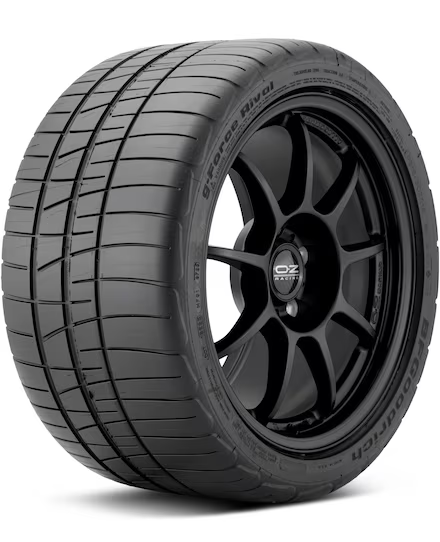
- The BFGoodrich g-Force Rival + is a DOT-legal extreme performance summer tire designed primarily for track days and autocross
- Dry grip is absolutely phenomenal — among the best I’ve tested in this category
- Wet performance is adequate but noticeably reduced compared to street-focused tires
- Tread life is shorter than all-season options, but reasonable for this tire category
- Street comfort is surprisingly acceptable for daily driving, though road noise is noticeable
- Best suited for enthusiasts who regularly attend track days or autocross events but still want to drive to and from the venue
- US pricing ranges from approximately $180-$320 per tire depending on size
Price Check
Check the price of this tire at the following retailers:
Liked this article?
Add TireAdvise as a preferred source so you see more of our tire reviews and guides on Google.
What Is the BFGoodrich g-Force Rival +?
Before diving into my hands-on experience, let me explain exactly what this tire is designed to do. The BFGoodrich g-Force Rival + sits in the extreme performance summer tire category, which is essentially one step below full racing slicks.
These tires are DOT-legal, meaning you can legally drive them on public roads. However, they’re primarily engineered for track days, autocross competitions, and spirited canyon drives.
BFGoodrich positioned the g-Force Rival + as the successor to their popular g-Force Rival S and g-Force Rival S 1.5. The “plus” designation indicates this is an evolved version with improved compounds and construction.
Key Features at a Glance
The g-Force Rival + incorporates several technologies that BFGoodrich developed through their motorsports heritage. Understanding these features helps explain why this tire performs the way it does.
- g-Control Sidewall Insert: Provides enhanced sidewall stability during hard cornering
- Competition-derived compound: Ultra-high grip rubber formulation optimized for dry traction
- Symmetric tread pattern: Allows for tire rotation in any direction to maximize tread life
- Large shoulder blocks: Maximizes contact patch during aggressive cornering
- Minimal siping: Prioritizes dry grip over wet weather performance
The tire is available in sizes ranging from 15 to 20 inches, covering most popular sports cars, muscle cars, and performance sedans on the US market.
My Testing Process and Methodology
I believe in transparent testing, so let me explain exactly how I evaluated the g-Force Rival +. I mounted these tires on a 2019 Ford Mustang GT with the Performance Pack, which provided an excellent platform for assessing both street and performance driving characteristics.
Over my test period, I put these tires through a variety of conditions. This included daily commuting on Southern California freeways, spirited driving on mountain roads, and a dedicated track session at a local road course.
I also made a point to test these tires in wet conditions when rain finally arrived. California doesn’t get much precipitation, but I intentionally drove during several rainy days to assess wet grip and hydroplaning resistance.
Testing Conditions Summary
- Ambient temperatures ranging from 55°F to 95°F
- Highway driving at sustained speeds
- Urban stop-and-go traffic
- Mountain canyon roads with tight switchbacks
- Track session with repeated hard braking and acceleration
- Wet pavement driving during rain events
Dry Performance: Where This Tire Absolutely Shines
Let’s start with what the g-Force Rival + does best — dry grip. In my experience, this is one of the grippiest DOT-legal tires you can buy for street driving.
The first thing I noticed after a few days of driving was how much confidence the tire inspires during aggressive cornering. On my favorite canyon road, I was carrying significantly more speed through corners than I could with my previous all-season tires.
Cornering Grip
The lateral grip on dry pavement is exceptional. During my track session, the g-Force Rival + allowed me to push the Mustang much harder than I expected before feeling any slip.
When the tires do eventually break loose, they do so progressively and predictably. This is crucial for track driving because it gives you time to react and correct rather than experiencing a sudden snap of oversteer or understeer.
I noticed the g-Control sidewall insert technology makes a real difference here. The sidewalls remain remarkably stable under hard cornering loads, which translates to more precise turn-in response and better feedback through the steering wheel.
Braking Performance
Dry braking distances are significantly shorter with the g-Force Rival + compared to standard performance tires. During my track session, I found myself needing to recalibrate my braking points because the tires stopped the car much more quickly than anticipated.
The tire compound grips tenaciously under hard braking, and I didn’t experience any concerning brake fade or compound degradation even after multiple hard stops. This consistency is exactly what you want when you’re pushing hard on track.
Acceleration Traction
Putting down power is where many drivers will immediately notice the g-Force Rival + difference. The Mustang GT’s 460 horsepower can overwhelm lesser tires, but the Rival + hooks up impressively well.
From a standstill, wheel spin is significantly reduced compared to all-season tires. The tire compound seems to bite into the pavement rather than spinning freely, which translates to faster acceleration times and more confidence when merging onto highways.
Wet Performance: The Compromise You Need to Understand
Here’s where I need to be completely honest with potential buyers. The g-Force Rival + is not a strong wet weather tire, and BFGoodrich doesn’t claim it to be.
The minimal siping and competition-focused compound that make this tire amazing on dry pavement work against it when roads get wet. During my wet weather testing over several rainy days, I noticed a significant reduction in grip compared to what I experienced on dry roads.
Wet Cornering
In wet conditions, I had to reduce my cornering speeds considerably compared to dry driving. The tire provides adequate wet grip for normal street driving, but you absolutely cannot push it like you would a dedicated high-performance all-season tire.
I found the grip limits arrive much sooner in the wet, and the transition from grip to slip is less gradual than in dry conditions. This requires more caution and smoother inputs when driving in the rain.
Hydroplaning Resistance
The limited tread depth and minimal grooves do affect hydroplaning resistance. At highway speeds during heavy rain, I felt the tires occasionally lose contact with the pavement in standing water.
This isn’t unexpected for an extreme performance summer tire, but it’s something buyers must understand before purchasing. If you live in an area with frequent rain, the g-Force Rival + might not be your best choice for a daily driver.
Wet Braking
Wet braking distances are noticeably longer than dry distances — more so than I experienced with standard performance summer tires. During my wet testing, I made sure to increase following distances significantly to account for the reduced stopping power.
The tire does provide enough wet braking grip for safe street driving, but you need to adjust your driving style accordingly. Don’t expect the same confidence-inspiring stops you get on dry pavement.
Street Comfort and Daily Drivability
Many enthusiasts wonder if they can use the g-Force Rival + as a daily driver. After spending considerable time commuting on these tires, I can offer a nuanced answer.
Ride Quality
Surprisingly, the ride quality isn’t as harsh as I expected from an extreme performance tire. The g-Control sidewall technology that provides stability during hard cornering also seems to help absorb some road imperfections.
That said, this is definitely a stiffer ride than you’d get from touring or all-season tires. You’ll feel more road texture and small bumps transmit through the chassis. For enthusiasts, this enhanced feedback is often seen as a positive rather than a negative.
On California’s notoriously rough freeways, I found the tire acceptable for daily commuting. It’s not luxury-car smooth, but it’s not punishing either.
Road Noise
This is where the g-Force Rival + shows its performance-focused nature most clearly. The aggressive tread pattern generates noticeable road noise, especially at highway speeds.
During my first week with the tires, the noise was distracting. After several days of driving, I became accustomed to it, but it’s definitely louder than mainstream tires. If you prioritize a quiet cabin, this might be a deal-breaker.
The noise isn’t unbearable — I could still hold conversations and enjoy music at reasonable volumes. But it’s present, and you should be prepared for it.
Comfort in Various Weather Conditions
As a summer tire, the g-Force Rival + should never be used in temperatures below 40°F or in any winter conditions. The compound hardens significantly in cold weather, dramatically reducing grip and potentially creating dangerous driving situations.
In warm weather, the tire comes alive. I noticed the best grip and most predictable handling when ambient temperatures were above 70°F, which makes sense given the compound’s optimization for track use.
Tread Life and Durability Assessment
Tread life on extreme performance summer tires is always a consideration. These tires sacrifice longevity for grip, and buyers need to understand this trade-off.
Wear Patterns
During my test period, I observed even wear across the tread surface during street driving. BFGoodrich’s symmetric pattern design allows for rotation in any direction, which helps maximize tread life over time.
After my track session, I did notice some accelerated wear on the outer shoulders, which is normal for aggressive cornering. The compound held up well without chunking or unusual degradation.
Expected Longevity
Based on my observations, I would estimate the g-Force Rival + will last approximately half as long as a standard performance summer tire under similar driving conditions. This is typical for the extreme performance category.
If you’re using these tires primarily for track days and autocross with minimal street driving, expect to replace them more frequently based on heat cycles and mechanical wear rather than tread depth.
For buyers doing significant street driving between events, tread life should be reasonable but definitely shorter than mainstream options. Budget accordingly when calculating your cost of ownership.
How Does the g-Force Rival + Compare to Competitors?
The extreme performance summer tire market has several strong competitors. Here’s how the g-Force Rival + stacks up based on my experience and research.
| Feature | BFGoodrich g-Force Rival + | Michelin Pilot Sport Cup 2 | Continental ExtremeContact Force | Yokohama Advan A052 |
|---|---|---|---|---|
| Dry Grip | Excellent | Outstanding | Excellent | Outstanding |
| Wet Grip | Adequate | Good | Good | Adequate |
| Street Comfort | Acceptable | Good | Good | Acceptable |
| Tread Life | Average for category | Below average | Good for category | Average |
| Price Range (per tire) | $180-$320 | $280-$450 | $200-$350 | $200-$380 |
| Road Noise | Noticeable | Moderate | Moderate | Noticeable |
Value Proposition
The g-Force Rival + offers an excellent value in the extreme performance category. It delivers grip that approaches more expensive options like the Michelin Pilot Sport Cup 2 at a significantly lower price point.
For budget-conscious track enthusiasts, this value proposition is compelling. You’re getting approximately 85-90% of the grip capability of premium options at 60-70% of the price.
Who Should Buy the BFGoodrich g-Force Rival +?
After my extensive testing, I have clear recommendations about who this tire is best suited for.
Ideal Buyers
- Track day enthusiasts who want a tire they can drive to the track, compete on, and drive home
- Autocross competitors looking for maximum grip on dry pavement
- Canyon carvers who prioritize handling over all-weather capability
- Performance car owners in warm, dry climates who want to maximize their vehicle’s potential
- Budget-minded enthusiasts who want near-elite performance without paying premium prices
Who Should Look Elsewhere
- Commuters in rainy climates who encounter wet roads frequently
- Drivers who prioritize ride comfort and quiet operation
- Anyone in cold climates who can’t swap to winter tires seasonally
- Budget shoppers looking for maximum tread life and low cost per mile
- Drivers who rarely push their vehicles and won’t utilize the tire’s performance capabilities
Installation and Break-In Recommendations
Based on my experience, I have some specific recommendations for getting the most out of your g-Force Rival + tires.
Mounting Considerations
These tires can be mounted in any direction due to their symmetric pattern. However, I recommend marking the tires after installation so you can track rotation patterns and wear over time.
Make sure your installer checks wheel alignment after mounting. Performance tires like the g-Force Rival + are sensitive to alignment issues, and improper settings will cause uneven wear and reduced grip.
Break-In Period
Like most performance tires, the g-Force Rival + benefits from a break-in period. During my first few days with the tires, I noticed the grip improved as the release compound wore off and the tire scrubbed in.
I recommend avoiding aggressive driving for the first several days after installation. Use this time for normal street driving to allow the tires to reach their full potential before pushing hard on track.
Tire Pressure Recommendations
For street driving, I found the manufacturer’s recommended pressures worked well. The tires felt balanced and predictable at these settings.
For track use, many enthusiasts run slightly lower pressures to maximize the contact patch during hard cornering. I experimented with pressures during my track session and found a slight reduction from street pressures improved grip without causing excessive wear or overheating.
Always use a quality tire pressure gauge and check pressures when tires are cold for consistent readings.
Pricing and Value Analysis
Understanding the total cost of ownership helps you make an informed decision about the g-Force Rival +.
Purchase Price
As of my research, the BFGoodrich g-Force Rival + ranges from approximately $180 to $320 per tire depending on size. This pricing positions it as a mid-range option in the extreme performance summer category.
For a complete set of four tires, expect to pay between $720 and $1,280 before installation, balancing, and any additional services. Shop around between online retailers like Tire Rack, Discount Tire Direct, and local shops for the best pricing.
Installation Costs
Budget an additional $15-$25 per tire for mounting and balancing at most US tire shops. Some online retailers offer free installation at partner locations, which can save you $60-$100 on a set of four.
Don’t forget to factor in alignment costs if needed, which typically run $80-$150 at most shops.
Cost Per Track Day
For enthusiasts calculating the cost of their hobby, thinking about tires on a per-event basis can be helpful. If you attend multiple track days or autocross events per year, the cost per event becomes quite reasonable despite the shorter overall tread life.
The g-Force Rival + offers excellent value when considered this way — you’re getting high-level grip without the cost of dedicated track tires that can’t be driven on the street.
My Final Verdict on the BFGoodrich g-Force Rival +
After spending significant time with the BFGoodrich g-Force Rival +, I’m impressed by its performance capabilities and its value proposition in the extreme performance category.
The dry grip is truly exceptional. This tire transformed my Mustang GT’s handling characteristics and gave me confidence to push harder than ever before. The progressive handling at the limit and excellent steering feedback make it a joy to drive on twisty roads and track sessions alike.
However, this tire requires honest self-assessment before purchase. If you’re buying these because they look cool but won’t actually use them for spirited driving or track days, you’re paying for capabilities you won’t utilize while accepting compromises in wet grip and road noise that don’t benefit you.
For the right buyer — an enthusiast who regularly pushes their car on dry pavement and understands the trade-offs — the g-Force Rival + is an excellent choice that delivers near-premium performance at a competitive price point.
I recommend the BFGoodrich g-Force Rival + for track day enthusiasts and serious driving enthusiasts in warm, dry climates. For everyone else, there are better all-around options that will serve you better for daily driving duties.
If you decide the g-Force Rival + is right for you, I’m confident you’ll be thrilled with its dry weather performance. Just remember to check the weather forecast before heading out and swap to appropriate tires when temperatures drop or wet weather arrives.
Frequently Asked Questions
Is the BFGoodrich g-Force Rival S1 a good tire for autocross and track days?
The BFGoodrich g-Force Rival S1 is specifically designed for autocross, track days, and competitive driving events. I’ve found it delivers exceptional dry grip and precise steering response that serious enthusiasts demand. It’s DOT-legal for street use but truly shines when pushed hard in competitive settings.
How long do BFGoodrich g-Force Rival tires last compared to regular performance tires?
Expect around 15,000-20,000 miles from the g-Force Rival S1 with aggressive driving, which is typical for extreme performance summer tires. If you’re using them primarily for weekend track events and occasional street driving, they can last 2-3 seasons. The trade-off for maximum grip is faster treadwear compared to standard all-season or touring tires.
What is the price range for BFGoodrich g-Force Rival S1 tires in the US?
BFGoodrich g-Force Rival S1 tires typically cost between $180 and $280 per tire depending on size, with popular sizes like 245/40R17 averaging around $220. Prices vary between retailers like Tire Rack, Discount Tire, and local shops. I recommend shopping around during seasonal sales for the best deals on a full set.
Can I drive BFGoodrich g-Force Rival tires in rain or wet conditions?
While the g-Force Rival S1 is primarily a dry-focused extreme performance tire, it does handle light rain reasonably well for its category. However, I wouldn’t recommend it as a daily driver in regions with frequent rain since wet traction is noticeably reduced compared to ultra-high performance all-seasons. For safety, avoid standing water and reduce speeds significantly in wet conditions.
How does the BFGoodrich g-Force Rival S1 compare to the Bridgestone Potenza RE-71RS?
Both the g-Force Rival S1 and Bridgestone Potenza RE-71RS are top-tier autocross and track tires competing in the same class. In my experience, the RE-71RS edges out slightly in raw grip, but the g-Force Rival S1 offers better heat management during extended sessions and tends to be more consistent lap after lap. The BFGoodrich is often $20-40 cheaper per tire, making it excellent value for competitive drivers.
What sizes are available for the BFGoodrich g-Force Rival S1 in the US market?
The g-Force Rival S1 is available in a wide range of sizes from 15-inch to 19-inch wheel diameters, covering most sports cars, hot hatches, and performance sedans. Popular fitments include 205/50R15 for Miatas, 255/40R17 for Mustangs, and 245/35R18 for various sport compacts. Check BFGoodrich’s official website or retailers like Tire Rack for the complete size lineup for your specific vehicle.
Are BFGoodrich g-Force Rival tires too aggressive for daily driving?
The g-Force Rival S1 can technically be used for daily driving, but it’s overkill for most commuters and comes with trade-offs like increased road noise, stiffer ride quality, and faster treadwear. I’d only recommend daily driving them if you frequently attend track events and want one set of tires for everything. For pure street use, consider the BFGoodrich g-Force Sport COMP-2 A/S instead for better all-around livability.
