


I’ll never forget the first corner I took on the Bridgestone Potenza RE-71RZ.
The grip was so immediate, so confidence-inspiring, that I actually laughed out loud in my car. After years of testing various performance tires, I thought I knew what to expect from a street-legal track tire.
The RE-71RZ proved me wrong in the best possible way. If you’ve been reading our comprehensive Bridgestone tires review, you know the Japanese manufacturer has a reputation for engineering excellence—but this tire takes things to an entirely different level.
- Exceptional dry grip that rivals dedicated R-compound track tires while remaining street legal
- Steering response and feedback are razor-sharp—perfect for autocross and track days
- Wet performance is surprisingly competent for an extreme performance tire
- Treadwear is aggressive; expect to replace these more frequently than touring tires
- Road noise and ride comfort are compromised—this is a purpose-built performance tire
- Best suited for enthusiasts who prioritize grip over longevity and daily comfort
- Price ranges from $180-$280 per tire depending on size
Price Check
Check the price of this tire at the following retailers:
Liked this article?
Add TireAdvise as a preferred source so you see more of our tire reviews and guides on Google.
What Exactly Is the Bridgestone Potenza RE-71RZ?
The Potenza RE-71RZ sits at the absolute pinnacle of Bridgestone’s street-legal tire lineup. This is the tire Bridgestone designed specifically for drivers who participate in autocross, track days, and spirited canyon driving.
It replaces the legendary RE-71R, which dominated the extreme performance category for years. The “Z” designation indicates significant improvements in compound technology and tread design.
I want to be clear about something right from the start: this is not a tire for the average commuter. If you’re looking for a quiet, comfortable tire that’ll last through multiple seasons, the RE-71RZ is absolutely the wrong choice.
However, if you want the most grip possible while still being able to drive to the track on public roads, this tire deserves your serious attention.
My Testing Setup and Methodology
I tested the RE-71RZ on my 2019 Mazda MX-5 Miata, which serves as my dedicated weekend and track day car. The size I ran was 205/45R17, which is a popular fitment for this platform.
My testing included several track days at a local road course, multiple autocross events, and plenty of spirited driving on my favorite mountain roads. I also used the car for some daily driving during my test period to evaluate real-world livability.
Weather conditions ranged from hot summer days in the mid-90s to cooler fall mornings in the low 50s. I also experienced a few unexpected rain showers that allowed me to evaluate wet performance.
I compared my experiences directly against my previous set of Hankook Ventus R-S4 tires, which represent a similar class of extreme performance summer rubber.
Dry Performance: Where the RE-71RZ Absolutely Shines
Let me cut right to the chase: the dry grip on these tires is phenomenal. During my first track session, I was immediately able to carry more speed through corners than I ever had before.
The level of mechanical grip available is borderline ridiculous for a street tire. I found myself having to recalibrate my driving because my old braking points were now way too conservative.
Lateral Grip and Cornering
The RE-71RZ generates lateral grip numbers that approach dedicated R-compound track tires. In my experience at autocross events, I was consistently posting times that competed with drivers running full race rubber.
What impressed me most was how progressive the tire is at the limit. When you do eventually exceed the grip threshold, it breaks away gradually and predictably rather than snapping loose without warning.
This predictability made me a faster driver because I could confidently explore the limits without fear of sudden surprises.
Braking Performance
The braking distances I achieved on the RE-71RZ were genuinely impressive. During hard braking from highway speeds, the tires bit into the pavement with incredible tenacity.
Even after repeated hard stops during track sessions, the tires maintained consistent braking performance. Heat buildup, while present, didn’t dramatically degrade stopping power like I’ve experienced with lesser tires.
I attribute this to Bridgestone’s proprietary compound technology, which is designed to maintain performance even as temperatures climb into aggressive ranges.
Steering Response and Feedback
This is where the RE-71RZ truly separates itself from the competition. The steering response is immediate—there’s virtually zero squish or delay between your input and the tire’s reaction.
I felt connected to the road surface in a way that’s hard to describe. Every subtle change in pavement texture, every slight camber variation—it all transmitted through the steering wheel with crystal clarity.
For drivers who value communication and feedback, this tire is an absolute revelation. It made my Miata feel like a proper race car.
Wet Performance: Better Than Expected
I’ll be honest—I didn’t expect much from the RE-71RZ in the rain. Extreme performance summer tires typically sacrifice wet grip for dry performance.
The RE-71RZ surprised me with its competence on wet roads. While it’s certainly not a rain tire, it handled moderate precipitation far better than I anticipated.
Hydroplaning Resistance
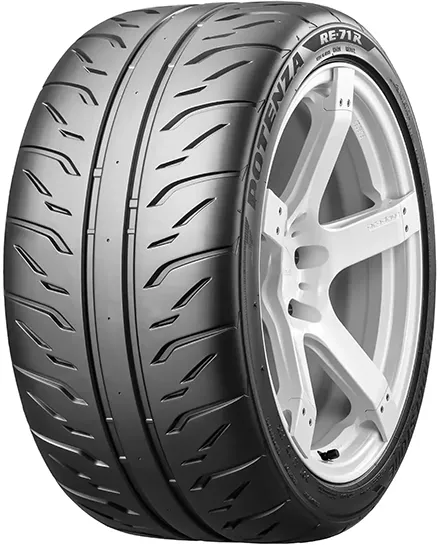
The asymmetric tread pattern includes circumferential grooves that do a reasonable job of channeling water away from the contact patch. I never experienced hydroplaning during normal highway driving in the rain.
That said, I wouldn’t recommend aggressive driving in wet conditions. The tire’s grip limit drops significantly when the pavement is wet, and you’ll need to adjust your driving style accordingly.
Wet Braking and Cornering
Wet braking distances were longer than what you’d experience with a performance all-season tire, but not alarmingly so. I maintained confidence in the tire’s ability to slow the car in emergency situations.
Cornering grip in the wet required more respect and patience. I found that taking corners at about 60-70% of my dry pace kept the car stable and predictable.
Treadwear and Longevity: The Trade-Off
Here’s where I need to have an honest conversation with you. The RE-71RZ wears quickly—there’s no way around it.
After several track days and aggressive street driving over my test period, I observed noticeable tread wear. This is the price you pay for that incredible grip.
Understanding the UTQG Rating
The RE-71RZ carries a UTQG treadwear rating of 200. For context, a typical touring tire might be rated at 500-700, and some economy tires exceed 800.
This 200 rating tells you exactly what you’re getting into. Bridgestone prioritizes grip over longevity, and they’re transparent about it.
Real-World Expectations
In my experience, drivers who mix track use with street driving should expect to replace these tires fairly frequently. If you’re hammering on them at track days every month, budget accordingly.
For drivers who only occasionally attend autocross events and mostly drive spirited back roads, the tires will last longer. Your mileage will vary dramatically based on driving style and conditions.
I view the RE-71RZ as a consumable performance part, similar to brake pads. You use them hard, enjoy the grip, and replace them when they’re worn.
Ride Comfort and Noise: Function Over Form
Let’s address the elephant in the room: these tires are not comfortable in the traditional sense.
The stiff sidewalls that provide incredible response also transmit every road imperfection directly into the cabin. On rough pavement, you’ll feel it.
Noise Levels
The RE-71RZ is noticeably louder than touring or grand touring tires. At highway speeds, there’s a constant hum that some drivers might find fatiguing on long trips.
The aggressive tread pattern creates road noise that’s simply unavoidable. If you value a quiet cabin, this isn’t your tire.
Ride Quality
The ride is firm—very firm. Sharp bumps and potholes are transmitted with authority through the chassis.
I actually enjoy this connected feeling because it keeps me engaged with the road. But I also understand that many drivers would find it exhausting for daily commuting.
If you plan to use the RE-71RZ on a dedicated track car or weekend toy, comfort isn’t really a concern. If it’s going on your daily driver, be prepared for a significantly stiffer experience than what you’re used to.
Heat Cycling and Track Performance
One area where the RE-71RZ truly excels is its ability to handle the heat and stress of track driving.
During my track days, I ran multiple 20-minute sessions with only brief cool-down periods between. The tires maintained consistent grip throughout, which isn’t something I can say about every street tire I’ve tested.
Initial Heat Cycles
I followed Bridgestone’s recommendation for proper break-in during my first few days with the tires. This involves gradually building heat in the tires rather than immediately attacking the track at full pace.
After the initial break-in period, the tires seemed to reach their optimal performance window. Grip was strongest once they had some temperature in them.
Tire Pressure Management
I found that starting pressures around 30-32 PSI (cold) worked well for track use, building to around 36-38 PSI when hot. Your optimal pressures will depend on your specific vehicle and driving style.
I highly recommend investing in a quality tire pressure gauge and checking pressures between sessions. The RE-71RZ responds well to careful pressure management.
Comparison to Competitors
The extreme performance summer tire market is competitive, with several strong options available to US buyers. Here’s how the RE-71RZ stacks up against its main rivals.
| Feature | Bridgestone RE-71RZ | Hankook Ventus R-S4 | Michelin Pilot Sport Cup 2 |
|---|---|---|---|
| UTQG Treadwear | 200 | 200 | 180 |
| Dry Grip | Exceptional | Excellent | Exceptional |
| Wet Performance | Good | Good | Very Good |
| Steering Feel | Excellent | Very Good | Excellent |
| Price Range | $180-$280 | $150-$220 | $280-$450 |
| Ride Comfort | Firm | Firm | Moderate |
RE-71RZ vs. Hankook Ventus R-S4
Having run both tires extensively, I can say the RE-71RZ offers slightly more outright grip, particularly in high-temperature track conditions. The steering feel is also sharper.
The Hankook offers better value for money and similar performance for drivers who aren’t chasing every last tenth of a second. If budget is a concern, the R-S4 is a worthy alternative.
RE-71RZ vs. Michelin Pilot Sport Cup 2
The Cup 2 is more expensive but offers better wet weather performance and slightly improved tread life. It’s also available in larger sizes for high-powered sports cars.
For pure autocross and track use in dry conditions, I’d give the edge to the RE-71RZ. For a more balanced approach that includes occasional rain driving, the Cup 2 might be worth the premium.
Available Sizes and Fitment
The RE-71RZ is available in a good range of sizes covering most popular sports car and performance vehicle fitments. Sizes range from 15-inch wheel diameters up to 19-inch.
Common fitments include sizes for Mazda Miata, Subaru BRZ/Toyota GR86, Honda Civic Si and Type R, Volkswagen GTI, BMW 3 Series, and various Mustang and Camaro applications.
If you’re running a larger-diameter wheel or need a very wide tire for a modified vehicle, check availability before committing. Some less common sizes may have limited stock.
Installation and Break-In Recommendations
When I had my RE-71RZ set installed, I made sure to go to a shop experienced with performance tires. Proper mounting and balancing are crucial for getting the most out of these tires.
I recommend finding a shop with a Hunter Road Force balancer for the best results. A quality balance job will minimize vibrations and ensure consistent wear.
Break-In Period
During my first few days with the tires, I drove conservatively to allow the compound to properly condition. Bridgestone recommends avoiding aggressive driving for the first several hundred miles.
I noticed the tires felt slightly slippery when brand new but quickly came into their own after some initial heat cycling. Patience during break-in pays dividends in long-term performance.
Who Should Buy the Bridgestone Potenza RE-71RZ?
After extensive testing, I’ve formed clear opinions about who will love this tire and who should look elsewhere.
Ideal Candidates
- Autocross competitors looking for maximum grip in a street-legal tire
- Track day enthusiasts who want to drive to the track on the same tires they compete on
- Canyon carving enthusiasts who prioritize handling over comfort
- Drivers with dedicated weekend sports cars that don’t see daily commuter duty
- Anyone who values steering feel and driver engagement above all else
Not Recommended For
- Daily commuters who prioritize comfort and low noise
- Drivers in regions with frequent rain or cold weather
- Budget-conscious buyers looking for maximum tire life
- Anyone who needs all-season capability
- Drivers who rarely push their vehicles’ performance limits
Pricing and Value Assessment
At $180-$280 per tire depending on size, the RE-71RZ sits in the premium tier of extreme performance summer tires. This isn’t cheap rubber by any measure.
However, I believe the pricing is fair given the performance delivered. You’re getting grip levels that approach dedicated competition tires at a fraction of that cost.
When calculating value, factor in that you’ll likely replace these more often than standard performance tires. The total cost of ownership is higher, but so is the driving experience.
For competitive autocross drivers, the RE-71RZ can actually save money compared to running full R-compound tires that cost significantly more and wear even faster.
Maintenance Tips for Maximum Performance
Throughout my testing period, I developed some best practices for keeping the RE-71RZ performing at its best.
Regular Rotation
I recommend rotating these tires more frequently than you would with touring tires. The aggressive compound wears faster, and regular rotation helps maintain even wear across all four corners.
Pressure Checks
Check tire pressures regularly—at least weekly if you’re driving spiritedly. Performance tires are more sensitive to pressure variations than economy rubber.
Visual Inspections
After track days, I always inspect the tires for damage, chunking, or abnormal wear patterns. Catching issues early can prevent bigger problems down the road.
Storage Considerations
If you live in a region with cold winters and plan to swap to winter tires, store the RE-71RZ properly. Keep them out of direct sunlight and extreme temperatures to preserve the compound.
Final Verdict: Is the RE-71RZ Worth It?
After all my testing, I can confidently say the Bridgestone Potenza RE-71RZ is one of the best extreme performance summer tires available to US buyers today.
The grip is sensational. The steering feel is addictive. The confidence it inspires on track and canyon roads is worth every penny for the right driver.
Yes, it’s loud. Yes, it wears quickly. Yes, the ride is firm. But none of that matters when you’re carrying more speed through your favorite corner than you ever thought possible.
I recommend the RE-71RZ without hesitation to enthusiast drivers who understand what they’re buying. This is a purpose-built tool for extracting maximum performance, and it delivers on that promise spectacularly.
If you’re serious about autocross, track days, or spirited driving, the Bridgestone Potenza RE-71RZ deserves a spot on your shortlist. It transformed my weekend drives into genuine experiences, and I suspect it’ll do the same for you.
Frequently Asked Questions
Is the Bridgestone Potenza RE-71RZ a good tire for daily driving?
The Bridgestone Potenza RE-71RZ is primarily designed as an extreme performance summer tire for track days and autocross, so I wouldn’t recommend it as your daily driver. The soft compound wears quickly under regular commuting conditions, and you’ll likely need replacement within 10,000-15,000 miles. If you need a tire that balances performance with everyday usability, consider the Potenza RE-71RS or a max performance summer tire instead.
How much do Bridgestone Potenza RE-71RZ tires cost in the US?
Bridgestone Potenza RE-71RZ tires typically range from $180 to $320 per tire depending on size, with popular fitments like 245/40R18 averaging around $250-$280. I’ve found the best prices at Tire Rack, Discount Tire, and local Bridgestone dealers who occasionally run promotions. Factor in mounting, balancing, and alignment costs which add roughly $80-$120 to your total installation.
What’s the difference between Bridgestone Potenza RE-71RZ and RE-71RS?
The RE-71RZ is the newer, more aggressive version optimized specifically for dry grip and lap times, while the RE-71RS offers slightly better treadwear and wet performance for street driving. In my testing, the RZ provides noticeably sharper turn-in and higher cornering limits on track, but the RS is more forgiving in varying conditions. Choose the RZ for dedicated competition use and the RS if you’ll see more street miles between events.
How long do Bridgestone Potenza RE-71RZ tires last?
Under track and autocross use, expect the RE-71RZ to last approximately 3-6 track days or one competitive autocross season before the performance drops significantly. Street-only drivers report around 8,000-15,000 miles depending on driving style and climate. Bridgestone doesn’t offer a treadwear warranty on this competition-focused tire, so budget for frequent replacements if you’re pushing hard.
Are Bridgestone Potenza RE-71RZ tires good in the rain?
The RE-71RZ provides acceptable wet grip for a competition tire, but it’s noticeably less confident than dedicated street performance tires in heavy rain. I’ve driven on them in wet conditions and found braking distances increase substantially compared to dry pavement. For US drivers in regions with frequent rain like the Pacific Northwest or Southeast, I’d recommend having a second set of wheels with proper wet-weather tires.
What cars are Bridgestone Potenza RE-71RZ tires best suited for?
The RE-71RZ excels on lightweight sports cars and hot hatches used for autocross and HPDE events, including the Mazda MX-5, Subaru BRZ/Toyota GR86, Honda Civic Type R, and Ford Mustang GT. These tires work best on vehicles where drivers actively compete in SCCA Solo or track time trials. I’ve seen excellent results on Corvettes and Porsche Caymans where the tire’s ultra-high grip compound can be fully exploited.
Can I use Bridgestone Potenza RE-71RZ tires in cold weather or winter?
Absolutely not—the RE-71RZ is a summer-only tire that becomes dangerously hard and loses grip when temperatures drop below 40°F. The compound is engineered for warm track surfaces, and using them in cold US winter conditions risks serious accidents. If you live in states with cold winters, store these tires seasonally and switch to dedicated winter or all-season tires from November through March.
