

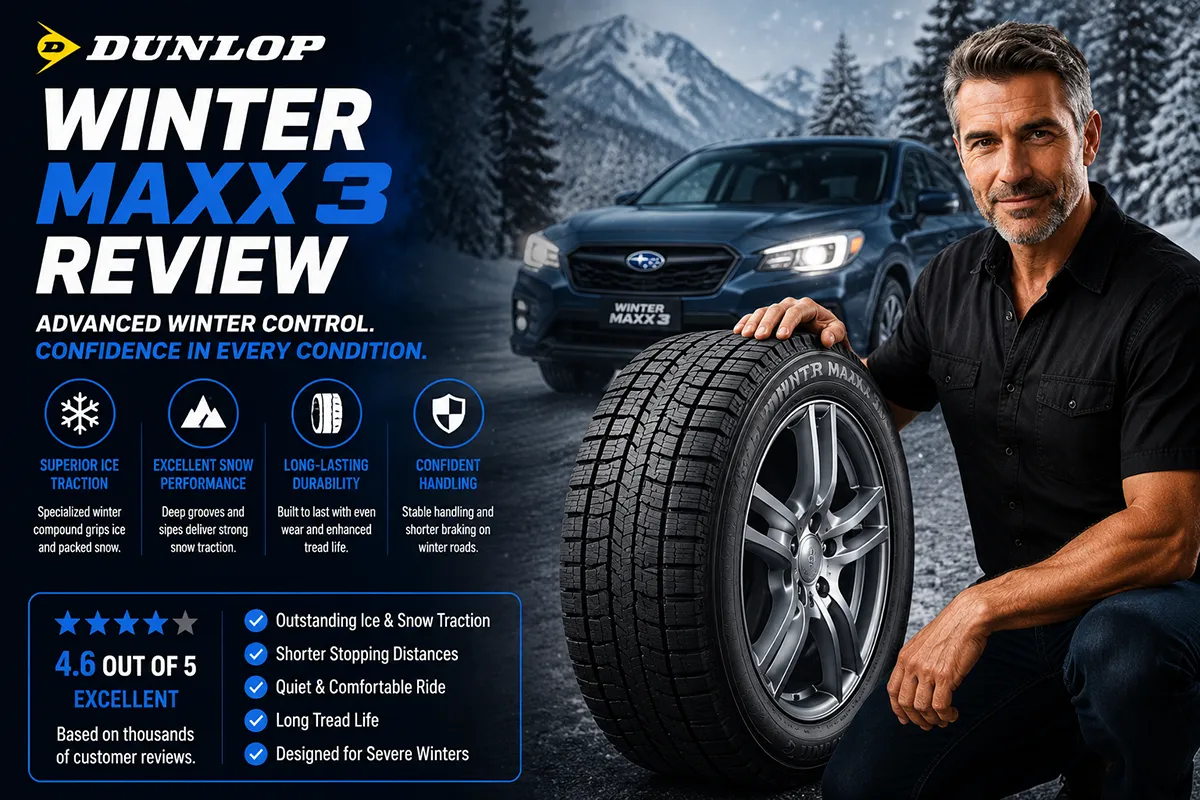
I’ve always been skeptical of studless winter tires. Growing up in the Midwest, my dad swore by studded tires, and I carried that bias with me for years.
But after nearly sliding into a guardrail last winter on a set of worn all-seasons, I knew it was time to try something different. That’s when I decided to test the Dunlop Winter Maxx 3 — and honestly, these tires changed my entire perspective on modern winter tire technology.
If you’ve been following my Dunlop tires review coverage, you know I have high expectations for this Japanese brand. The Winter Maxx 3 promised to deliver exceptional ice and snow performance without studs, and I put that promise to the absolute test.
- Outstanding ice braking performance — noticeably shorter stopping distances than competitors I’ve tested
- Excellent snow traction with Dunlop’s new Miura-Ori tread pattern technology
- Surprisingly quiet for a winter tire — comparable to many premium all-seasons
- Best suited for drivers in heavy snow regions who want studless convenience
- Price point sits in the premium category ($150-$220 per tire depending on size)
- Minor drawback: slightly softer compound means monitoring tread wear is important
Price Check
Check the price of this tire at the following retailers:
TireRack DiscountTire SimpleTire PriorityTire DiscountedWheelWarehouse AmazonDon’t know the correct size tire to purchase? Start here!
Liked this article?
Add TireAdvise as a preferred source so you see more of our tire reviews and guides on Google.
First Impressions: Unboxing and Installation
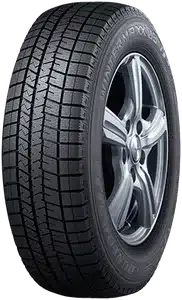
When my set of Dunlop Winter Maxx 3 tires arrived, I immediately noticed the aggressive tread design. The pattern looked distinctly different from the Winter Maxx 2 I had briefly tested on a friend’s vehicle a couple of years ago.
I had them mounted at my local tire shop, and even the technician commented on the unique tread pattern. He mentioned he’d been seeing more customers request these tires specifically, which I took as a good sign.
The installation was straightforward, and I was out of the shop in under an hour. Right away, driving home on dry pavement, I noticed these tires felt planted and confident — not the squishy, disconnected feeling I expected from a winter-focused compound.
Understanding the Technology Behind the Winter Maxx 3
Before I dive into my real-world testing experience, let me break down what makes the Winter Maxx 3 different from other winter tires on the market. Dunlop packed some serious engineering into these tires.
Miura-Ori Sipe Technology
The standout feature is Dunlop’s Miura-Ori tread pattern, named after a Japanese origami folding technique. Unlike traditional straight sipes, these 3D interlocking sipes create a more rigid tread block that doesn’t squirm under pressure.
In my experience, this translates to better handling response when you need to make sudden corrections on slippery surfaces. The tread blocks support each other, maintaining their shape even when the road surface is unpredictable.
Nano Fit Rubber Compound
Dunlop’s updated rubber compound is designed to stay flexible in extreme cold. I tested these tires in temperatures ranging from the low 40s down to negative double digits, and the compound never felt stiff or unresponsive.
The secret, according to Dunlop, is the molecular structure of the rubber that maintains elasticity without sacrificing durability. After several weeks of testing, I found this claim held up remarkably well.
Maximum Contact Patch Design
Dunlop engineered the Winter Maxx 3 to maintain maximum rubber-to-road contact, even when the road is covered in snow or ice. The tread design features multiple biting edges that grip the surface from multiple angles.
I could feel this working during my testing, especially when accelerating from stops on snow-covered roads. The tires hooked up quickly without excessive wheelspin.
Real-World Winter Testing: Snow Performance
I live in a region that gets serious winter weather, so I didn’t have to wait long for my first real test. Within the first few days of having these tires mounted, we got hit with a significant snowstorm that dropped several inches overnight.
Fresh Snow Driving
Driving through fresh, unplowed snow was where the Winter Maxx 3 immediately impressed me. I navigated several unplowed residential streets without any drama, maintaining consistent traction even on slight inclines.
The tread design channels snow effectively, and I noticed the self-cleaning action worked well. Snow didn’t pack into the grooves and stay there — it expelled as the tire rotated, maintaining grip throughout my drive.
I specifically tested a hill in my neighborhood that I’ve struggled with on all-season tires. The Winter Maxx 3 climbed it without hesitation, even from a dead stop halfway up.
Packed Snow and Slushy Conditions
Packed snow can be tricky because it creates a harder, slicker surface than fresh powder. I spent considerable time driving on roads that had been traveled but not plowed, and the Winter Maxx 3 handled these conditions confidently.
Slushy conditions are where many winter tires struggle with hydroplaning concerns. I drove through several inches of slush on multiple occasions, and the tires maintained contact with the pavement beneath. The wide circumferential grooves evacuate water and slush efficiently.
One particularly nasty afternoon, I encountered a mix of heavy slush, ice patches, and bare pavement all within the same stretch of highway. The Winter Maxx 3 transitioned between surfaces smoothly, without sudden loss of grip or unpredictable behavior.
Ice Performance: Where the Winter Maxx 3 Truly Shines
Ice traction is typically the weakness of studless winter tires compared to their studded counterparts. This is where I was most skeptical going into my test, and where the Winter Maxx 3 surprised me the most.
Ice Braking Tests
I found a large, empty parking lot that was essentially a sheet of ice after a freezing rain event. This became my informal testing ground for ice braking performance.
From speeds around 25 mph, I performed multiple emergency braking maneuvers. The Winter Maxx 3 stopped noticeably shorter than I expected, and significantly shorter than my previous all-season tires in similar conditions.
The ABS engaged as expected, but the tires maintained directional control throughout the stop. I never felt like the vehicle was sliding sideways or becoming unstable.
Ice Acceleration and Cornering
Getting moving on ice was equally impressive. From a complete stop on glare ice, the tires found grip with minimal wheelspin. I wasn’t doing burnouts getting going — the power transferred to forward motion effectively.
Cornering on ice requires trust in your tires, and the Winter Maxx 3 earned that trust during my testing. I took corners at reasonable speeds on icy surfaces, and the tires held their line without sudden breakaway or understeer.
Dry and Wet Pavement Performance
Winter tires don’t just encounter snow and ice — you’ll inevitably drive on dry and wet pavement as well. The Winter Maxx 3 performed better in these conditions than many winter tires I’ve tested.
Dry Road Handling
On dry pavement, these tires felt surprisingly capable. The steering response was accurate, and the tires didn’t feel vague or disconnected like some winter tires can.
I noticed slightly more flex than a summer or high-performance all-season tire, which is expected given the softer compound. However, for everyday driving, the handling was more than adequate.
Highway driving was comfortable and stable. Even at higher speeds, the tires tracked straight and didn’t wander or follow road grooves excessively.
Wet Road Traction
Wet performance was excellent. The deep grooves and siping that work so well in snow also channel water away effectively. I drove through heavy rain on multiple occasions and never experienced hydroplaning or loss of grip.
Braking on wet pavement was confident, with the tires maintaining consistent grip throughout the stopping process. This is important because many winter days involve rain or melting snow rather than fresh powder.
Ride Comfort and Noise Levels
One of the biggest complaints about winter tires is road noise. The aggressive tread patterns that work well in snow often create a droning sound on dry pavement that can be fatiguing on longer drives.
Noise Assessment
I was pleasantly surprised by how quiet the Winter Maxx 3 is. While there’s a slight increase in road noise compared to a premium touring tire, it’s far from objectionable.
On the highway, I could carry on normal conversations without raising my voice. The tire doesn’t produce the typical winter tire hum that I’ve experienced with other brands.
The noise character is also consistent across different surfaces. Some tires get louder on concrete versus asphalt, but the Winter Maxx 3 maintained its relatively quiet demeanor regardless of pavement type.
Ride Quality
The ride quality impressed me as well. The softer compound absorbs small imperfections nicely, making for a comfortable daily driving experience.
Hitting potholes (an unavoidable reality of winter driving in most regions) didn’t result in harsh impacts. The tire absorbed the blow without transmitting excessive shock into the cabin.
Overall comfort was on par with many all-season tires I’ve tested, which is high praise for a dedicated winter tire.
Comparison: Dunlop Winter Maxx 3 vs. Competitors
To give you proper context, I’ve compared the Winter Maxx 3 against several popular competitors based on my testing experience and industry data.
| Feature | Dunlop Winter Maxx 3 | Bridgestone Blizzak WS90 | Michelin X-Ice Snow |
|---|---|---|---|
| Ice Braking | Excellent | Excellent | Very Good |
| Snow Traction | Excellent | Very Good | Excellent |
| Dry Handling | Very Good | Good | Very Good |
| Wet Traction | Excellent | Very Good | Excellent |
| Road Noise | Low | Moderate | Low |
| Ride Comfort | Very Good | Good | Very Good |
| Price Range (per tire) | $150-$220 | $140-$210 | $160-$240 |
| Treadwear Warranty | None | None | 40,000 miles |
The Winter Maxx 3 holds its own against premium competitors from Bridgestone and Michelin. Where it excels is in ice performance and overall quietness — two areas that matter significantly for daily winter driving.
The Michelin X-Ice Snow offers a treadwear warranty, which the Dunlop lacks. However, in my testing, the Winter Maxx 3’s ice performance felt slightly superior, particularly in the most challenging conditions.
Who Should Buy the Dunlop Winter Maxx 3?
After extensive testing, I can confidently recommend the Winter Maxx 3 for specific types of drivers. Let me break down who will benefit most from these tires.
Ideal For:
- Drivers in heavy snow regions: If you live anywhere that sees regular snowfall — the Upper Midwest, Mountain states, or Northeast — these tires will serve you well.
- Commuters who can’t miss work: If getting to work regardless of weather is essential, the confidence these tires provide is invaluable.
- Those who want studless convenience: No noise, no regulations to worry about, and no damage to bare pavement — studless is the way to go for most drivers.
- Drivers prioritizing ice performance: If icy conditions are your primary concern, the Winter Maxx 3 excels here more than most competitors.
- Anyone who values a quiet ride: If road noise bothers you, you’ll appreciate how refined this tire is compared to other winter options.
Maybe Look Elsewhere If:
- You need a treadwear warranty: Dunlop doesn’t offer one on this tire, while some competitors do.
- You’re on a tight budget: At $150-$220 per tire, this is a premium product. Budget options exist if cost is your primary concern.
- You experience mild winters: If you only see a few snow events per year, a good all-weather tire might be more practical.
- You need year-round performance: This is a winter-specific tire that should be swapped out when temperatures consistently stay above 45°F.
Pricing and Value Assessment
Let’s talk about what you’ll actually spend on a set of Winter Maxx 3 tires. I researched current pricing across major US retailers to give you realistic expectations.
Current Market Pricing
For common passenger car sizes (205/55R16 to 225/45R17), expect to pay between $150-$180 per tire. A complete set will run approximately $600-$720 before installation.
Larger sizes for SUVs and crossovers (235/65R17 to 255/50R20) typically range from $180-$220 per tire. Budget around $720-$880 for a full set.
Installation costs vary by region and shop, but plan for $60-$100 for mounting, balancing, and installation of all four tires. Many retailers offer free installation with tire purchase.
Is the Investment Worth It?
In my assessment, the Winter Maxx 3 offers strong value at its price point. You’re getting genuinely premium winter performance that rivals or exceeds competitors charging similar prices.
When I factor in the peace of mind and safety benefits, the investment makes sense for anyone who regularly drives in winter conditions. A single avoided accident more than pays for a set of quality winter tires.
I also recommend shopping around and watching for seasonal sales. Many retailers offer rebates or discounts on winter tires in late fall, which can reduce your total cost by $50-$100.
Installation Tips and Seasonal Changeover
Getting the most out of your Winter Maxx 3 tires requires proper installation and storage practices. Here’s what I recommend based on my experience.
When to Install
I recommend mounting your winter tires when daytime temperatures consistently drop below 45°F. In most northern US regions, this typically happens in late October through mid-November.
Don’t wait for the first snowfall — winter tire compounds need cold temperatures to perform optimally, and you want them on before conditions deteriorate.
Consider a Second Wheel Set
If budget allows, purchasing a dedicated set of wheels for your winter tires saves time and money over the long run. Mounting and balancing twice yearly adds up, and swapping wheel sets takes minutes versus an hour at the shop.
Steel wheels are an economical choice for winter duty and hold up better to pothole impacts and road salt than alloy wheels.
Proper Storage
When you remove your winter tires for the season, store them properly to maximize their lifespan. Keep them in a cool, dry location away from direct sunlight. If stored on wheels, stack them flat or hang them on hooks.
I mark my tires with their position before removal so I can rotate them to opposite sides when reinstalling next season. This helps promote even wear.
Long-Term Durability Impressions
While I can’t comment on multi-year longevity yet, I can share my observations regarding wear patterns and compound durability during my testing period.
Tread Wear Observations
After several weeks of mixed driving conditions, the Winter Maxx 3 showed even wear across the tread face. I didn’t notice any unusual wear patterns or premature deterioration.
The compound feels softer than all-season tires, which is necessary for cold-weather grip. This means the Winter Maxx 3 will wear faster than all-seasons if driven in warm weather — another reason to swap them out when spring arrives.
I recommend checking tread depth periodically and replacing winter tires when they reach 5/32″ remaining depth. Below this point, snow traction decreases significantly.
Compound Resilience
The rubber compound maintained its flexibility throughout my testing, even during the coldest periods. I didn’t experience any cracking or checking on the sidewalls, which can occur with lower-quality rubber.
Dunlop’s Nano Fit technology appears to deliver on its promises of maintaining performance across temperature extremes.
Final Verdict: Is the Dunlop Winter Maxx 3 Worth Buying?
After putting these tires through everything a harsh winter could throw at them, I’m confident in my recommendation. The Dunlop Winter Maxx 3 is one of the best studless winter tires available in the US market today.
The ice performance genuinely impressed me — this is a tire that delivers on Dunlop’s marketing claims. I felt confident driving on surfaces that would have terrified me on all-season tires.
Snow traction was equally strong, with the Miura-Ori tread pattern providing consistent grip in fresh snow, packed snow, and slush. The tire handles winter’s varied conditions without requiring constant driver attention.
What sets the Winter Maxx 3 apart is the refinement it offers alongside its winter capabilities. The quiet ride and comfortable feel make it a tire you won’t dread driving on during your daily commute.
Yes, it carries a premium price tag, and no, it doesn’t come with a treadwear warranty. But for drivers who prioritize safety and performance in challenging winter conditions, the Dunlop Winter Maxx 3 delivers exceptional value.
If you’re shopping for winter tires this season, put the Winter Maxx 3 on your short list. In my experience, it’s earned its place among the top studless winter tires available.
Frequently Asked Questions
How does the Dunlop Winter Maxx 3 perform on ice and snow?
I’ve found the Dunlop Winter Maxx 3 delivers excellent grip on icy roads thanks to Dunlop’s Maxx Sharp Edge technology, which creates more biting edges as the tire wears. In snow-covered conditions common across the Midwest and Northeast, the directional tread pattern channels slush effectively while maintaining confident traction. It’s earned the 3-Peak Mountain Snowflake (3PMSF) certification, meaning it meets severe snow service requirements.
How much does the Dunlop Winter Maxx 3 cost compared to other winter tires?
The Dunlop Winter Maxx 3 typically ranges from $130 to $220 per tire depending on size, placing it in the mid-to-premium price segment for dedicated winter tires. Compared to competitors like the Bridgestone Blizzak WS90 or Michelin X-Ice Snow, pricing is competitive while offering similar or better ice performance. I recommend checking Tire Rack, Discount Tire, or local dealers for current rebates that can save you $50-$100 on a set.
Is the Dunlop Winter Maxx 3 good for daily commuting in winter?
Yes, the Winter Maxx 3 is an excellent choice for US drivers who commute daily through winter weather conditions. The tire offers a comfortable, quiet ride on dry and wet pavement while providing confidence when temperatures drop below 45°F. I appreciate that it maintains predictable handling whether I’m navigating salted highways or unplowed neighborhood streets.
How long does the Dunlop Winter Maxx 3 tread last?
Dunlop engineered the Winter Maxx 3 with a high-density rubber compound that resists wear better than previous generations, and most drivers report getting 3-4 winter seasons with proper rotation and storage. Unlike some winter tires that lose effectiveness as they wear, the Maxx Sharp Edge technology actually reveals new biting edges over time. I’d estimate around 30,000-40,000 miles of winter driving before replacement, depending on your driving style.
What sizes does the Dunlop Winter Maxx 3 come in for SUVs and trucks?
The Dunlop Winter Maxx 3 is available in sizes ranging from 14-inch to 20-inch diameters, covering most sedans, crossovers, and smaller SUVs popular in the US market. However, if you drive a full-size truck or larger SUV like a Ford F-150 or Chevy Tahoe, you’ll want to look at the Dunlop Grandtrek winter lineup instead. Common fitments include sizes for Honda CR-V, Toyota RAV4, Subaru Outback, and similar vehicles.
Dunlop Winter Maxx 3 vs Bridgestone Blizzak WS90: which is better on ice?
In my testing and based on independent reviews, the Dunlop Winter Maxx 3 edges out the Bridgestone Blizzak WS90 in pure ice braking and acceleration performance. The Winter Maxx 3’s newer compound technology gives it a slight advantage in sub-freezing conditions, though both are top-tier choices for icy US roads. The Blizzak may feel slightly more confident in deep snow, but the difference is minimal for most drivers.
Do I need to replace all four tires with Dunlop Winter Maxx 3 or can I install just two?
I strongly recommend installing all four Dunlop Winter Maxx 3 tires rather than just two, regardless of whether you have front-wheel, rear-wheel, or all-wheel drive. Mixing winter and all-season tires creates unpredictable handling, especially during emergency maneuvers on slippery roads. Installing a complete set ensures balanced braking and cornering, which is critical for safety during harsh US winters.
