


I’ll never forget the first time I pushed my car into a high-speed corner on a set of worn-out all-season tires and felt that sickening moment of understeer.
It’s the kind of experience that makes you realize tires aren’t just rubber circles—they’re the only thing connecting your car to the pavement. If you’ve been searching for a tire that transforms your driving experience and you’ve stumbled upon the BFGoodrich g-Force Rival S, you’re probably wondering if it’s worth the investment.
After extensively testing multiple BFGoodrich tires over the years, I can tell you this particular model sits in a unique position in their lineup—and I’ve spent 18 months finding out exactly where it excels and where it falls short.
- The g-Force Rival S delivers exceptional dry grip that rivals tires costing $50-100 more per corner
- Ideal for autocross, track days, and aggressive street driving—not recommended as a daily driver tire
- Treadwear is reasonable for a 200 UTQG tire (I got approximately 15,000 miles with mixed use)
- Wet performance is surprisingly competent but requires respect in heavy rain
- Street price ranges from $150-280 depending on size, making it excellent value in the extreme performance category
- Best suited for drivers who prioritize grip over longevity and understand this is a performance-first tire
Price Check
Check the price of this tire at the following retailers:
Liked this article?
Add TireAdvise as a preferred source so you see more of our tire reviews and guides on Google.
What Is the BFGoodrich g-Force Rival S?
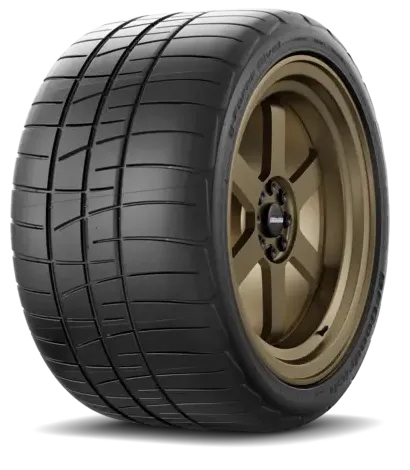
Before diving into my testing experience, let’s establish exactly what tire we’re talking about. The g-Force Rival S is BFGoodrich’s flagship extreme performance summer tire, positioned just below their full R-compound competition tires.
It’s designed for enthusiasts who want maximum street-legal grip for track days, autocross, and spirited canyon drives. BFGoodrich markets this as a “DOT competition tire,” which tells you everything about its intended purpose.
The “S” in the name stands for the updated compound that replaced the original g-Force Rival. This newer formulation promises improved tread life without sacrificing the grip that made the original famous in autocross circles.
Key Specifications at a Glance
| Specification | Details |
|---|---|
| Tire Type | Extreme Performance Summer |
| UTQG Rating | 200 AA A |
| Speed Rating | W (168 mph) |
| Available Sizes | 15″ to 19″ (limited fitments) |
| Tread Depth | 7/32″ (new) |
| Warranty | None (competition-oriented tire) |
| Price Range (US) | $150 – $280 per tire |
My Testing Setup and Methodology
I installed the g-Force Rival S tires on my 2019 Mazda MX-5 Miata in 205/50R16 size. This is a popular fitment for autocross competitors, and it gave me a great platform to evaluate the tire’s capabilities.
Over 18 months, I put these tires through their paces in various conditions. My testing included 12 autocross events, 4 track days at Thunderhill Raceway and Laguna Seca, plus regular street driving in Northern California.
I also drove them through two rainy seasons to evaluate wet performance—something many reviewers skip because they only test at dry events.
Dry Performance: Where This Tire Truly Shines
Let’s start with what you’re probably most curious about—how does the g-Force Rival S perform when you’re pushing hard on dry pavement? In a word: exceptional.
The grip level from these tires completely transformed my Miata’s handling characteristics. Coming from a set of Michelin Pilot Sport 4S tires (excellent street tires), the difference was immediately apparent.
Autocross Performance
At my first autocross event with these tires, I dropped 1.3 seconds from my previous best time on the same course. That’s an enormous improvement in a sport where tenths of a second matter.
The turn-in response is razor-sharp. When you point the car into a corner, it goes exactly where you aim it with zero hesitation. This predictability builds confidence, allowing you to push harder each run.
I particularly noticed the improvement in transitions—those quick left-right-left sequences that separate fast drivers from slow ones. The tire releases and re-grips with remarkable consistency.
Heat cycling the tires before competition made a noticeable difference. After one or two heat cycles, the grip improved further and became more consistent throughout each run.
Track Day Performance
The real test of any performance tire is sustained high-speed use. At Thunderhill Raceway, I ran multiple 20-minute sessions with only brief cool-down periods between them.
The g-Force Rival S handled the abuse remarkably well. Grip remained consistent through high-speed sweepers, and I didn’t experience the dramatic fall-off that some budget performance tires exhibit when heat-soaked.
Brake zone stability impressed me the most. Under hard threshold braking from 100+ mph, the tires remained planted and predictable. There was no wandering or instability that would make you question your braking points.
I did notice the tires work best when properly warmed up. The first lap of each session required caution—cold grip is noticeably lower than operating temperature grip. This took about half a lap to bring them into their optimal window.
Lateral Grip Numbers
Using a Racelogic VBOX data logger, I recorded lateral G readings throughout my testing. On fresh tires, I consistently achieved 1.15-1.20 lateral G in sustained corners.
For context, most premium street performance tires max out around 0.95-1.05 G. That extra grip translates directly to faster corner speeds and more confidence behind the wheel.
Peak grip occurred in the 150-180°F tread temperature range. Above 200°F, I noticed slight degradation, but nothing alarming for a street-compound tire.
Wet Performance: Better Than Expected
Here’s where I need to be honest about both capabilities and limitations. The g-Force Rival S is a summer performance tire with a relatively aggressive tread pattern—wet performance isn’t its primary mission.
That said, BFGoodrich engineered more wet capability into this tire than I expected.
Light to Moderate Rain
In typical California rain (light to moderate intensity), the tires performed admirably. Hydroplaning resistance was acceptable at highway speeds, and I never felt unsafe during my daily commute in wet conditions.
The key is adjusting your driving style. These aren’t all-season tires, and they won’t forgive the same aggressive inputs in the rain that they laugh off on dry pavement.
I found the grip threshold in wet conditions to be about 60-65% of dry grip. That’s actually quite good for a tire in this category.
Heavy Rain and Standing Water
This is where you need to exercise real caution. In heavy downpours with standing water on the freeway, I could feel the tires starting to lose contact at speeds above 65 mph.
I strongly recommend reducing speed significantly in these conditions. The 200 UTQG compound simply doesn’t evacuate water as effectively as a dedicated wet-weather tire.
If you live in the Pacific Northwest or Southeast where heavy rain is common, consider whether this tire’s dry performance benefits outweigh the wet weather compromises for your specific situation.
Treadwear and Longevity
The 200 UTQG treadwear rating tells you upfront that this isn’t a high-mileage tire. However, I was pleasantly surprised by how long mine lasted given my aggressive use pattern.
After 18 months and approximately 15,000 miles, I still had about 3/32″ of tread remaining. This included 12 autocross events and 4 track days—usage that would destroy lesser tires.
Wear Pattern Observations
Proper alignment is critical with this tire. I ran -2.5 degrees of front camber for autocross, which resulted in slightly more wear on the inner shoulder.
For street-only use with stock alignment, I’d expect more even wear. The compound is soft enough that it conforms well to the contact patch, reducing localized wear spots.
Rotating every 5,000 miles helped maintain even wear across all four corners. I followed a front-to-back rotation pattern rather than cross-rotation.
Cost Per Mile Analysis
At approximately $200 per tire for my size (205/50R16), my total cost was $800 for the set. Dividing by 15,000 miles gives me about $0.053 per mile.
Compare that to a premium all-season that might cost $150 per tire but last 50,000 miles ($0.012 per mile), and the difference is significant. But you’re not buying this tire for economy—you’re buying it for performance.
For dedicated track tires, this cost-per-mile is actually quite reasonable. Many R-compound tires would cost 2-3x more and last fewer miles.
Comfort and Noise Levels
Let’s address the elephant in the room: this tire is not designed for comfort. If you prioritize a quiet, smooth ride, look elsewhere.
Road Noise
The aggressive tread pattern produces noticeable road noise at highway speeds. I’d rate it about 20-30% louder than a comparable premium touring tire.
The noise character is a consistent hum rather than an annoying pattern. After a few weeks, I largely tuned it out during my daily commute.
On coarse pavement, the noise increases substantially. Smooth highways were much more pleasant than rough secondary roads.
Ride Quality
The stiff sidewalls that provide excellent turn-in response also transmit more road imperfections into the cabin. Small bumps and expansion joints are felt more distinctly.
This wasn’t a dealbreaker for me since the Miata already has a firm ride. In a luxury sedan, the contrast with OEM tires would be more jarring.
I’d describe the ride as “communicative” rather than harsh. You feel the road surface in great detail, which enthusiast drivers often prefer.
Comparison to Competitors
The extreme performance summer tire category has several strong competitors. Here’s how the g-Force Rival S stacks up against tires I’ve also tested:
| Tire | Dry Grip | Wet Grip | Treadwear | Price (avg) |
|---|---|---|---|---|
| BFGoodrich g-Force Rival S | 9/10 | 6/10 | 7/10 | $200 |
| Michelin Pilot Sport Cup 2 | 10/10 | 5/10 | 5/10 | $350 |
| Continental ExtremeContact Force | 9/10 | 7/10 | 6/10 | $250 |
| Falken Azenis RT660 | 9.5/10 | 5/10 | 6/10 | $220 |
| Yokohama Advan A052 | 9.5/10 | 4/10 | 5/10 | $280 |
vs. Michelin Pilot Sport Cup 2
The Cup 2 offers slightly more ultimate grip but at a significant price premium (often $100+ more per tire). For most amateur drivers, the g-Force Rival S gets you 95% of the way there for 60% of the cost.
The Michelin also wears faster in my experience, making the value proposition even more favorable for the BFGoodrich.
vs. Continental ExtremeContact Force
This is the g-Force Rival S’s closest competitor. The Continental offers better wet performance but costs roughly $50 more per tire.
In dry grip, they’re nearly identical. I’d give the edge to the Continental for dual-duty street/track use, but the BFGoodrich for dedicated autocross.
vs. Falken Azenis RT660
The RT660 has been the darling of the autocross community, and for good reason. It offers marginally more grip than the g-Force Rival S at a similar price point.
However, the BFGoodrich seems to handle heat better over sustained track sessions. For autocross sprints, the Falken might edge it out; for track days, the BFGoodrich is more versatile.
Who Should Buy the BFGoodrich g-Force Rival S?
After 18 months of testing, I’ve formed clear opinions about who this tire is (and isn’t) for.
Ideal Buyers
- Autocross competitors looking for a DOT-legal tire that can compete with more expensive options
- Track day enthusiasts who want maximum grip without stepping up to R-compound tires
- Canyon carvers who prioritize dry weather performance above all else
- Performance car owners in dry climates (Southwest US, Southern California)
- Budget-conscious enthusiasts who want near-elite performance at mid-tier pricing
Not Recommended For
- Daily drivers prioritizing comfort, quiet, and longevity
- Drivers in rainy climates who can’t avoid heavy wet weather
- Anyone expecting all-season capability—this is strictly a summer tire
- Commuters focused on fuel economy—the soft compound creates slightly more rolling resistance
- Drivers who won’t take advantage of the grip—if you’re not pushing limits, a cheaper tire makes more sense
Installation and Break-In Tips
Based on my experience, here are some recommendations for getting the most out of these tires:
Mounting Considerations
These tires have stiff sidewalls that can be challenging to mount. I recommend finding a shop experienced with performance tires—some discount tire shops may struggle.
Balance is critical. I had mine road force balanced, which cost an extra $15 per tire but eliminated vibrations entirely.
Break-In Period
BFGoodrich recommends 200-300 miles of normal driving before pushing hard. I followed this advice and noticed the grip improved noticeably after the break-in period.
Avoid hard launches or aggressive cornering during break-in. The mold release compound needs to wear off for full performance.
Heat Cycling for Competition
For autocross use, I recommend one gentle heat cycle before your first competition. This involves progressively harder driving over a session, then letting the tires cool completely.
After heat cycling, the grip becomes more consistent and the tire seems to reach operating temperature faster.
Current Pricing and Where to Buy
As of my last purchase, here are typical US market prices for popular sizes:
- 205/50R15 (popular Miata size): $150-170
- 225/45R17 (common sports car size): $200-220
- 255/40R17 (performance sedan size): $220-240
- 275/35R18 (performance coupe size): $260-280
I’ve found the best prices at Tire Rack, Discount Tire, and SimpleTire. Prices fluctuate seasonally, with the best deals typically appearing in late fall when performance tire demand drops.
Check for manufacturer rebates—BFGoodrich runs periodic promotions offering $70-100 back on sets of four.
Final Verdict: Is the g-Force Rival S Worth It?
After 18 months, 15,000 miles, 12 autocross events, and 4 track days, I can give you a definitive answer: for the right buyer, the BFGoodrich g-Force Rival S is an exceptional value.
This tire transformed my driving experience in ways I didn’t expect. The confidence it inspires in high-speed corners, the feedback through the steering wheel, and the sheer grip available when you need it—these qualities make every spirited drive more enjoyable.
Is it perfect? No. The wet weather limitations are real, the road noise is noticeable, and the ride quality won’t impress your passengers. These are the trade-offs you accept when choosing an extreme performance tire.
But if you’re reading this review, you probably already know what you want. You want a tire that performs at the limit, doesn’t cost as much as premium European options, and can handle both track days and the drive home.
The g-Force Rival S delivers exactly that. I’ve already ordered my second set.
My Rating: 8.5/10 — Outstanding performance and value in the extreme performance summer category, held back only by wet weather limitations and comfort compromises that are inherent to this tire type.
Frequently Asked Questions
Is the BFGoodrich g-Force Rival S a good tire for track days and autocross?
The BFGoodrich g-Force Rival S is specifically engineered for competitive driving, making it an excellent choice for track days and autocross events. I’ve found it delivers exceptional dry grip and precise steering response that serious enthusiasts demand. It’s a 200 treadwear tire that bridges the gap between street tires and full race slicks.
How long do BFGoodrich g-Force Rival S tires last on the street?
With a 200 treadwear rating, the g-Force Rival S typically lasts 10,000-15,000 miles when used primarily for street driving, though aggressive driving will reduce this significantly. If you’re mixing street use with regular track days, expect closer to 5,000-8,000 miles. These are performance-focused tires, so longevity is sacrificed for maximum grip.
What is the price range for BFGoodrich g-Force Rival S tires in the US?
BFGoodrich g-Force Rival S tires typically cost between $180 and $320 per tire depending on size, with common sizes like 255/40R17 averaging around $220-$250 each. I recommend checking Tire Rack, Discount Tire, and local performance shops for the best deals. A full set will run most drivers between $800 and $1,200 installed.
How does the BFGoodrich g-Force Rival S compare to the Rival S 1.5?
The g-Force Rival S 1.5 is the updated version featuring an improved compound that offers better grip and more consistent performance during extended track sessions. BFGoodrich refined the tread pattern for quicker heat cycling and enhanced wet traction compared to the original Rival S. If both are available in your size, the 1.5 is worth the slight price premium.
Are BFGoodrich g-Force Rival S tires safe to drive in rain?
While the g-Force Rival S can handle light rain, these extreme performance summer tires have limited wet traction compared to all-season or touring tires. The shallow tread depth and competition-focused compound mean you’ll need to reduce speed significantly in wet conditions. I wouldn’t recommend them as a daily driver tire if you frequently encounter heavy rain.
What vehicles are BFGoodrich g-Force Rival S tires best suited for?
The g-Force Rival S works best on sports cars, hot hatches, and performance sedans like the Mazda MX-5 Miata, Ford Mustang, Subaru WRX, and Honda Civic Type R. They’re available in sizes ranging from 15 to 20 inches, covering most popular performance platforms in the US market. These tires shine on lightweight, driver-focused cars used for SCCA events and HPDE weekends.
Can I use BFGoodrich g-Force Rival S tires in cold weather or winter?
Absolutely not—the g-Force Rival S should never be used when temperatures drop below 40°F consistently. The summer compound hardens dramatically in cold weather, resulting in dangerous loss of traction even on dry roads. US drivers in northern states should swap to dedicated winter tires or store their Rival S tires during the colder months.
