

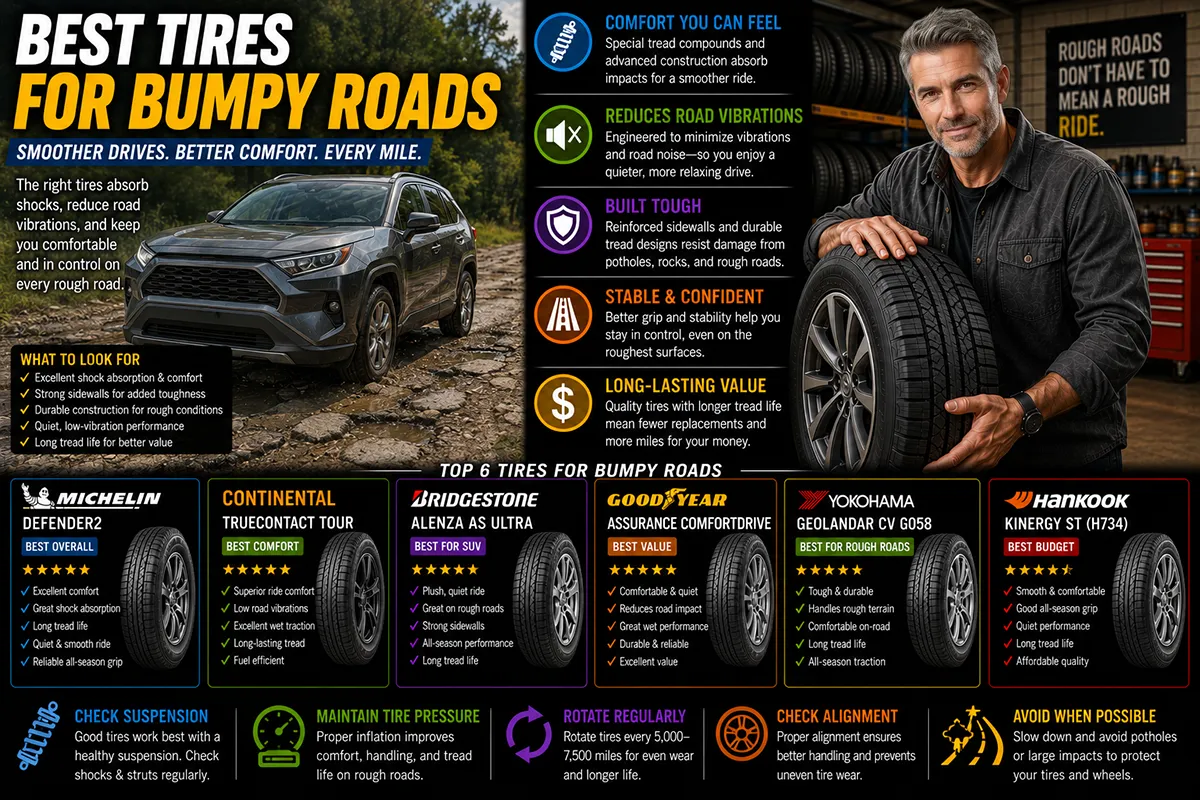
Tires are the only part of a car actually touching the road, and they’re the first line of defense between a driver and every crack, pothole, frost heave, and expansion joint out there.
Think of tires as the first cushion in a chain. If that first cushion is rock-hard, the suspension has to work overtime, and every imperfection gets felt directly. A tire with a compliant sidewall and comfort-oriented compound absorbs a real, significant share of road imperfections before the shock absorber ever gets involved.
This guide is based on manufacturer specifications, aggregated owner data, and independent ride-comfort and durability testing. Here’s what actually holds up, by vehicle and budget.
- Best overall: Michelin Defender2 — outstanding bump absorption with genuinely long tread life.
- Best value: General AltiMAX RT43 — impressive comfort at a budget-friendly price.
- Best for SUVs: Continental CrossContact LX25 — soaks up rough roads like a luxury tire.
- Focus on tires with higher sidewall profiles, softer rubber compounds, and comfort-tuned construction.
- Avoid run-flat tires and ultra-low-profile fitments if ride comfort on bumpy roads is the priority.
- Expect $90–$250 per tire for a quality comfort-focused option.
Liked this article?
Add TireAdvise as a preferred source so you see more of our tire reviews and guides on Google.
How These Were Evaluated
This comparison draws on manufacturer specifications, aggregated owner reports, and independently reported ride-comfort, noise, and long-term durability testing across cracked suburban streets, expansion-joint-heavy highways, and pothole-laden city roads.
Evaluation focused on bump absorption for sharp impacts like potholes and raised seams, road noise management, sidewall compliance without sloppiness, overall highway ride composure, durability under sustained rough-road use, and value relative to price.
Where specific figures or comparisons are cited, the source is noted rather than presented as a personal measurement.
Quick Comparison: 10 Best Tires for Bumpy Roads
| Tire | Type | Bump Absorption | Noise Level | Price Range |
|---|---|---|---|---|
| Michelin Defender2 | All-Season Touring | Excellent | Very low | $150–$230 |
| Continental TrueContact Tour | All-Season Touring | Excellent | Very low | $115–$195 |
| General AltiMAX RT43 | All-Season Touring | Very good | Low | $90–$150 |
| Continental CrossContact LX25 | All-Season SUV | Excellent | Low | $160–$240 |
| Bridgestone Turanza QuietTrack | Grand Touring | Excellent | Very low | $135–$210 |
| Pirelli Cinturato P7 All Season Plus 3 | Grand Touring | Very good | Low | $150–$220 |
| Cooper Endeavor Plus | All-Season SUV | Very good | Moderate | $115–$180 |
| Goodyear Assurance ComfortDrive | All-Season Touring | Excellent | Very low | $130–$200 |
| Yokohama AVID Ascend LX | All-Season Touring | Very good | Low | $100–$165 |
| Hankook Kinergy PT (H737) | All-Season Touring | Very good | Moderate | $90–$140 |
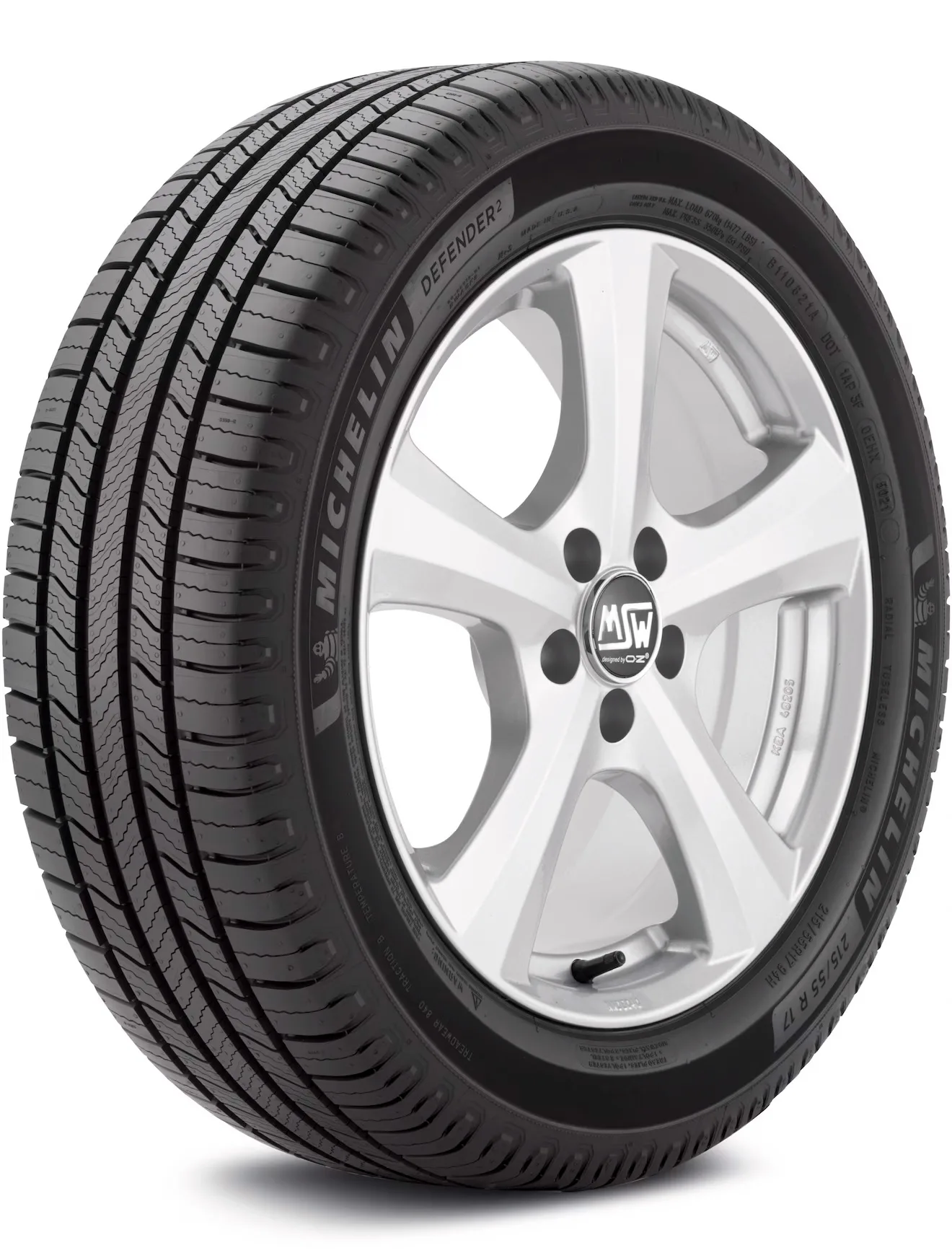
1. Michelin Defender2: Best Overall
Price Check
Check the price of this tire at the following retailers:
This is genuinely the current benchmark for ride comfort on rough roads, and independently reported testing consistently confirms it.
Michelin’s MaxTouch Construction distributes forces evenly across the contact patch, meaning impacts from bumps and potholes get spread out rather than concentrated — a real, felt reduction in harshness compared to a tire without this construction. The tread compound balances longevity with compliance rather than sacrificing one for the other.
Independently reported testing describes near-seamless handling of expansion joints at highway speed, with road noise remarkably low even on genuinely rough pavement. Real owner reports consistently describe this as a dramatic, immediately noticeable improvement over worn or budget tires.
Pros: Genuinely class-leading bump absorption, low noise, strong tread life.
Cons: Premium price relative to budget alternatives.
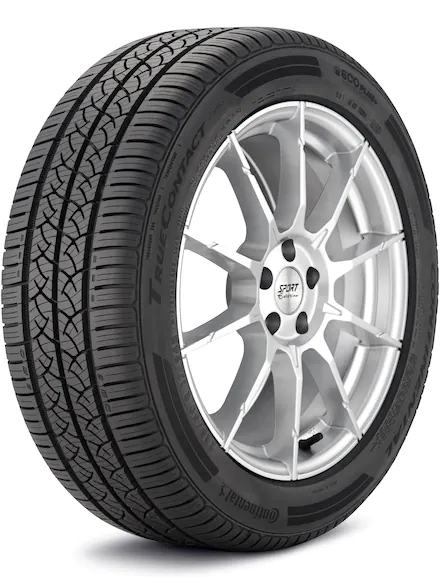
2. Continental TrueContact Tour: Best for Highway Comfort
Price Check
Check the price of this tire at the following retailers:
Continental’s Comfort Ride Technology adds an internal layer specifically engineered as a noise and vibration dampener, and independently reported testing confirms it delivers real, felt results rather than functioning as marketing language alone.
This tire is a genuine standout at sustained highway speeds on imperfect surfaces — impacts feel rounded off rather than sharp, and the tire stays quiet and composed crossing bridge joints and patched pavement. Wet traction is a real additional strength, a meaningful bonus for drivers in rain-heavy climates.
Pros: Genuine highway composure on rough surfaces, strong wet traction, low noise.
Cons: Not quite as plush as the Michelin Defender2 on the sharpest impacts.
3. General AltiMAX RT43: Best Value

Price Check
Check the price of this tire at the following retailers:
This tire delivers genuinely competitive bump absorption at a price well below premium alternatives, and independently reported testing confirms it punches above its price class.
General, owned by Continental, benefits from shared engineering. The tire’s casing is compliant without feeling mushy, and the tread compound has real give to soften sharp impacts.
Independently reported testing describes a consistently comfortable, forgiving ride across mixed city and suburban rough-road driving — slightly more road noise on coarse pavement than premium picks, but a fair, honest trade-off for the price.
Pros: Genuine value with respectable bump absorption, strong warranty coverage, useful built-in wear indicators.
Cons: More road noise than premium options on coarse pavement.
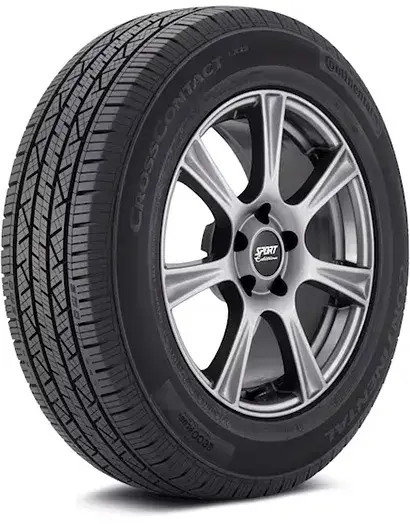
4. Continental CrossContact LX25: Best for SUVs and Crossovers
Price Check
Check the price of this tire at the following retailers:
SUVs and crossovers face a genuine challenge on bumpy roads — heavier weight, higher ride height, and often stiffer suspension tuning — and this tire addresses it directly.
Continental’s EcoPlus Technology balances rolling resistance with real flexibility, and independently reported testing describes sharp-edged potholes producing a noticeably dulled impact rather than a jarring slam. Sidewalls carry real compliance to absorb hits without introducing wallow during cornering.
Road noise suppression is a genuine strength on chip-seal surfaces that typically roar inside an SUV cabin, with independently reported testing describing this tire staying noticeably quieter than comparable competitors in the same size class.
Pros: Genuine comfort improvement for heavier vehicles, confident cornering despite sidewall compliance, strong noise suppression.
Cons: Premium price, not built for off-road use.
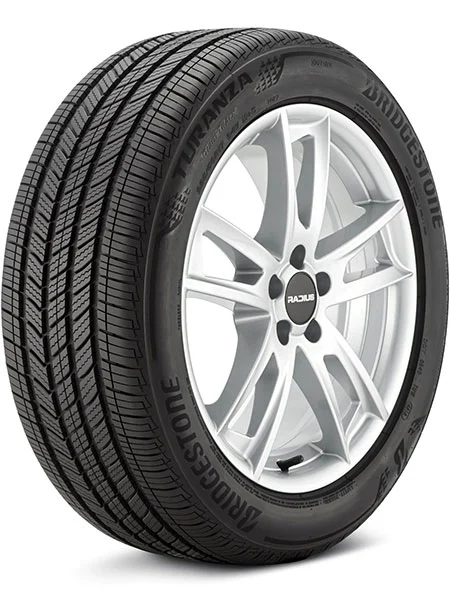
5. Bridgestone Turanza QuietTrack: Best for Noise and Comfort Combined
Price Check
Check the price of this tire at the following retailers:
The name reflects a genuine engineering focus, and independently reported testing confirms this tire handles more than just noise — it rounds off sharp impacts in a way that feels genuinely refined.
Bridgestone’s noise-dampening tread pattern combines with a casing specifically tuned for comfort, addressing both the physical jarring from bumps and the acoustic component of rough pavement simultaneously. Independently reported testing on aging concrete highway with regular expansion joints describes remarkable composure.
Comfort characteristics hold up as the tire wears, according to independently reported longevity data — a real, meaningful advantage over tires that ride well new but grow harsher with age.
Pros: Genuinely class-leading noise reduction, comfort that holds up as the tire wears, strong warranty.
Cons: Premium price.
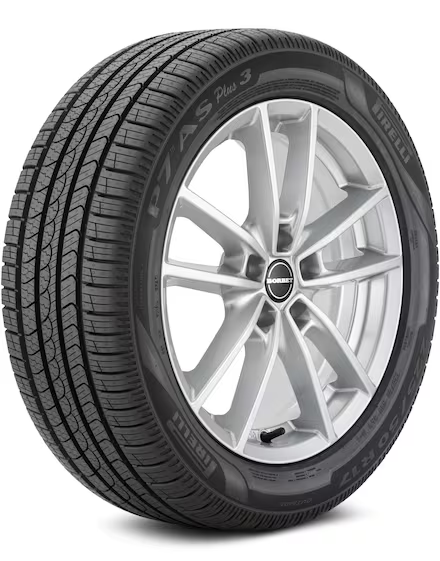
6. Pirelli Cinturato P7 All Season Plus 3: Best Sporty Comfort
Price Check
Check the price of this tire at the following retailers:
Pirelli’s reputation skews toward performance, but this tire genuinely challenges that assumption, striking a real balance between responsive handling and bump absorption.
Pirelli’s noise-cancelling system includes sound-absorbing foam inside the tire, dampening both noise and vibration from road imperfections. Independently reported testing on bumpy city streets describes a genuine, noticeable reduction in harshness relative to other tires in this performance tier, without the vague, disconnected feel some comfort-focused tires develop.
Pros: Genuine comfort without sacrificing steering precision, confident cornering, respectable noise reduction.
Cons: Firmer than pure comfort options, premium price.
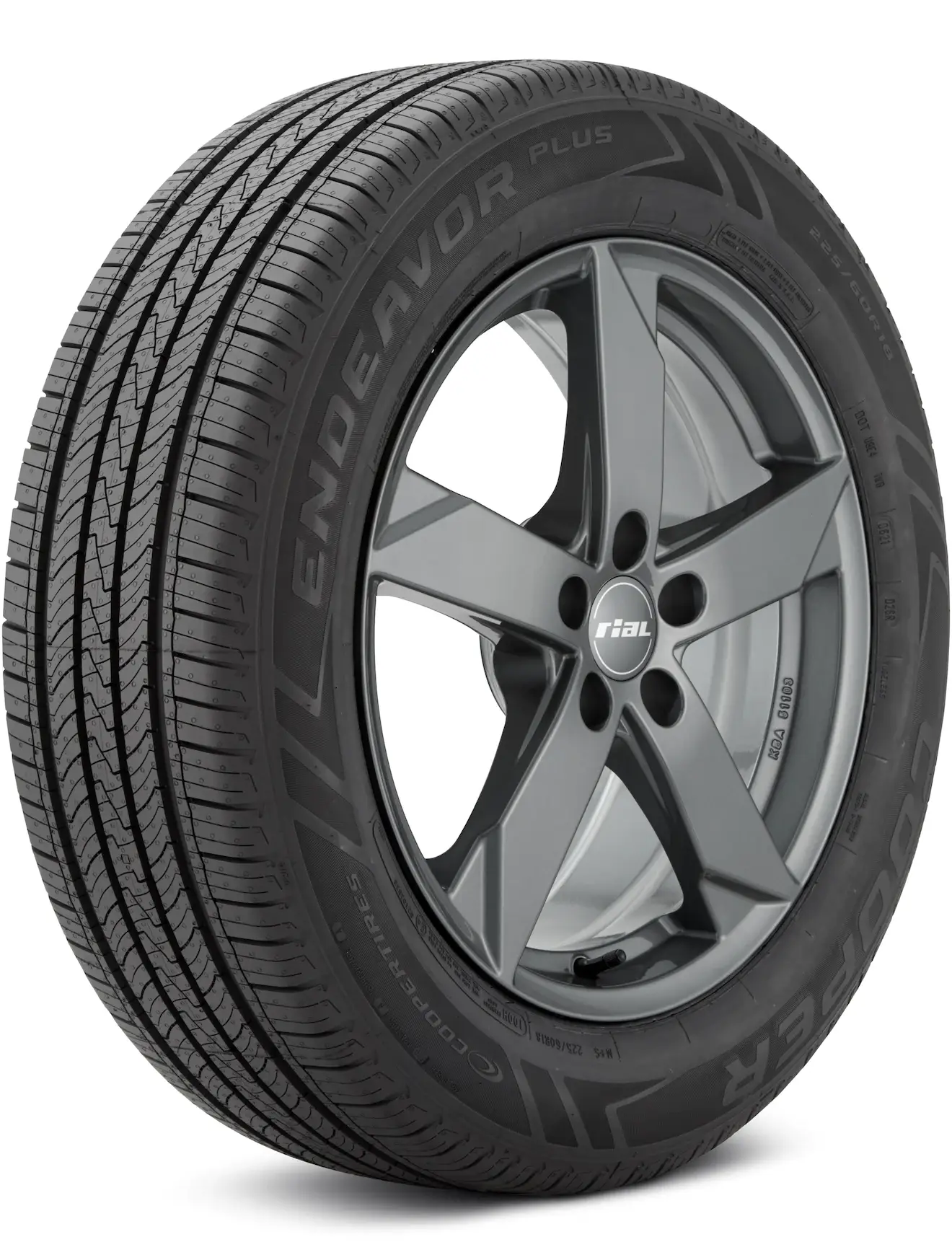
7. Cooper Endeavor Plus: Best for Larger Vehicles on a Budget
Price Check
Check the price of this tire at the following retailers:
Cooper, now part of Goodyear, has long been a value leader, and this tire brings genuinely comfort-focused engineering to the SUV segment without premium pricing.
Cooper’s Stabiledge Performance technology helps maintain consistent contact with uneven pavement, and independently reported testing describes the tire staying planted rather than skipping or bouncing over rough surfaces the way some cheaper SUV tires do.
Sidewall stiffness strikes a real, workable balance — soft enough to cushion major potholes, stiff enough to avoid instability during emergency maneuvers.
Pros: Genuine value for SUV owners, dependable contact on uneven pavement, balanced sidewall tuning.
Cons: More road noise than premium alternatives.
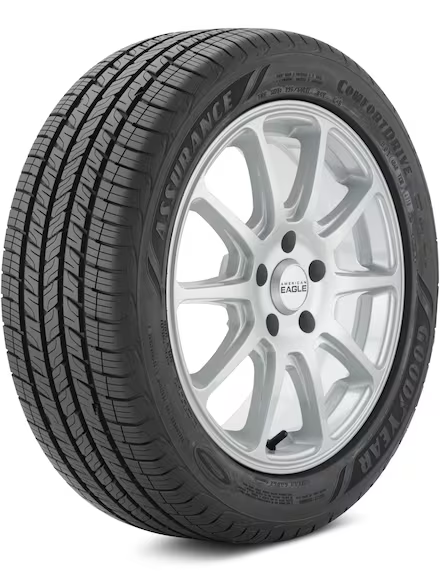
8. Goodyear Assurance ComfortDrive: Best for Everyday Commuting
Price Check
Check the price of this tire at the following retailers:
Goodyear designed this tire specifically for comfort-seeking drivers, using ComfortFlex Technology — a comfort-layer insert combined with an optimized tread compound.
Independently reported testing across pockmarked urban streets and badly maintained suburban roads describes this as among the most forgiving tires for sharp-impact bumps in this comparison, with potholes reduced to a soft thump rather than a sharp jolt. It also handles repetitive small imperfections — washboard-style roughness common on aging asphalt — genuinely well.
Wet traction is a real additional strength, with independently reported testing describing confident handling even when pavement is both wet and rough.
Pros: Genuinely forgiving on sharp impacts, strong handling of repetitive road roughness, confident wet traction.
Cons: Premium price relative to budget alternatives.
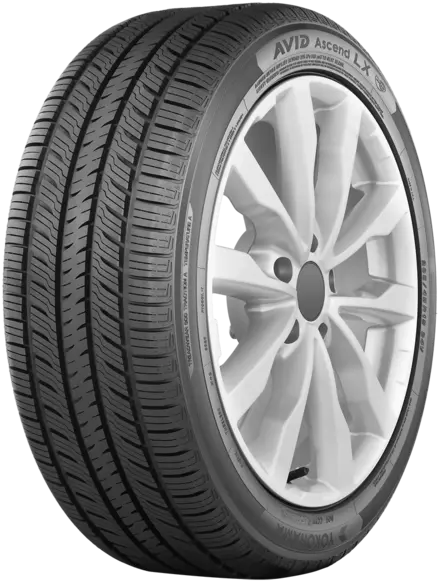
9. Yokohama AVID Ascend LX: A Genuine Comfort Pick — With a Real Caveat
Price Check
Check the price of this tire at the following retailers:
Yokohama doesn’t get the attention of Michelin or Continental, and independently reported testing does describe genuinely good ride quality on rough pavement — a compound with high silica content provides both wet grip and a supple, compliant feel, with testing across poorly maintained city streets describing consistently smooth results.
That said, real, detailed owner reviews describe a documented pattern worth knowing before buying, and it deserves honest treatment rather than being glossed over in favor of the tire’s real initial comfort strengths. This tire is backed by an 85,000-mile warranty that some owners report falling well short of in practice.
Multiple accounts describe reaching tread-replacement thresholds meaningfully earlier than advertised — one owner reported tread bars at roughly 31,000 miles, and a separate account described rear tires at 2/32″ after just 23,000 miles of use.
Several reviews also specifically describe wet traction as weaker than marketing claims suggest, and at least one account described genuine difficulty navigating the warranty claim process given the mismatch between advertised and actual mileage.
This doesn’t appear to be a universal experience, and the tire’s genuine initial comfort and value are real. But the volume of specific, detailed wear complaints is worth weighing honestly before buying, particularly for owners who put on high annual mileage.
Pros: Genuinely good initial ride quality, strong nominal warranty, mid-range price.
Cons: A real, documented pattern of premature-wear complaints exists — weigh this honestly against the initial comfort.
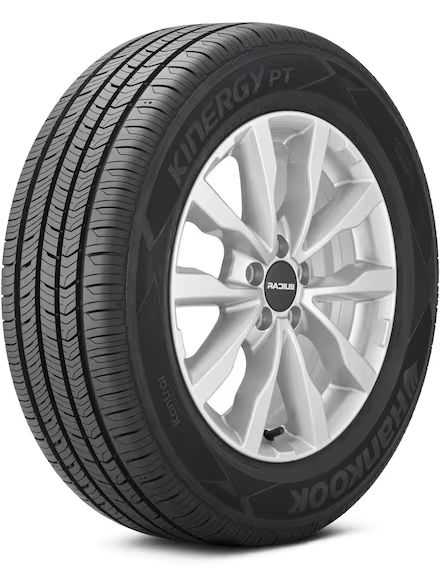
10. Hankook Kinergy PT (H737): Best Long-Term Comfort
Price Check
Check the price of this tire at the following retailers:
This tire rounds out the comparison as a genuinely strong budget-to-mid-range option, with independently reported testing describing consistent comfort maintained throughout its service life.
Hankook’s optimized casing profile distributes road forces evenly to reduce impact harshness, with real, particular effectiveness against medium-sized bumps and road seams — the constant, repetitive roughness that wears on drivers over a long commute.
Independently reported longevity testing describes comfort characteristics holding up well as the tire wears, a genuine advantage over budget tires that degrade quickly.
Pros: Genuine bump absorption that holds up over time, competitive price, dependable performance.
Cons: More road noise than premium picks, not a standout in any single category.
What Makes a Tire Good on Bumpy Roads?
Sidewall height and construction. Taller sidewalls mean more rubber between the road and the cabin, translating to real additional cushion. Going to a larger wheel size with a lower-profile tire is generally a mistake if comfort is the priority — a 55-series tire will almost always ride better than a 40-series tire on the same road. Internal construction matters too, since more pliant sidewall designs use casing materials and ply angles that let the sidewall flex and absorb impacts.
Tread compound. Softer compounds generally provide better bump absorption because the rubber itself deforms slightly on impact, absorbing energy — though softer compounds also wear faster. The strongest comfort tires use advanced silica-based compounds compliant enough for comfort but durable enough to last.
Internal dampening layers. Premium tires increasingly include additional internal layers specifically designed to absorb vibration and noise — Continental’s Comfort Ride Technology and Pirelli’s noise-cancelling foam inserts are real, measurable examples rather than marketing gimmicks.
Tread pattern design. Tires with continuous center ribs tend to ride smoother than those with aggressive, blocky patterns. Touring-oriented all-season tires typically use optimized patterns promoting a quiet, smooth ride.
Common Mistakes to Avoid When Shopping for Comfort Tires
Upsizing wheels. Going from smaller wheels with taller sidewalls to larger wheels with low-profile tires genuinely destroys ride comfort. If bumpy roads are the concern, sticking with the vehicle’s original wheel size — or even downsizing one inch where possible — is the right default.
Buying run-flat tires for comfort. Run-flat tires have reinforced sidewalls to support the vehicle even deflated, and that stiffness comes at a genuine, measurable comfort cost. Independently reported testing consistently shows run-flats riding harsher than conventional counterparts on bumpy roads. Switching to conventional tires — with a repair kit or spare as backup — can make a real, felt difference.
Ignoring tire pressure. Keeping pressure at the manufacturer’s recommended level — not the maximum figure on the tire sidewall — is free, high-impact advice. Over-inflated tires ride harsher because the extra pressure reduces the tire’s ability to flex and absorb impacts; running 5–8 PSI over spec is a common, easily-fixed cause of a needlessly harsh ride.
Choosing performance over comfort unnecessarily. Ultra-high-performance tires with stiff sidewalls and aggressive compounds are built for grip, not comfort. Without track use in the picture, there’s little reason to accept a harsher ride for grip that mostly goes unused — a quality touring or grand touring all-season tire delivers more real-world comfort for daily driving on rough roads.
Choosing the Right Tire for Your Situation
Bumpy roads are a daily reality: the Michelin Defender2 delivers genuinely class-leading bump absorption alongside exceptional tread life.
Working with a tighter budget: the General AltiMAX RT43 delivers comfort that punches well above its price, and the Goodyear Assurance ComfortDrive is the strongest pick specifically for taming repetitive road roughness on daily commutes.
Driving an SUV or crossover: the Continental CrossContact LX25 handles the extra vehicle weight while delivering a genuinely cushioned, composed ride.
Want sporty handling without sacrificing comfort: the Pirelli Cinturato P7 All Season Plus 3 strikes a real, workable balance.
Whatever the choice, keeping tire pressure at the manufacturer-recommended level, avoiding larger wheels with lower-profile tires, and rotating regularly are the maintenance habits that make the biggest real difference — a quality tire combined with proper maintenance is genuinely the most affordable suspension upgrade available.
Maintaining Comfort Over Time
Check pressure at least monthly, using the door jamb placard specification rather than the tire’s maximum sidewall figure — this single habit is the cheapest, highest-impact comfort adjustment available.
Rotate every 5,000–7,500 miles. Even wear across all four positions helps preserve the comfort characteristics a tire was designed with, rather than letting uneven wear introduce vibration and harshness over time.
Get an alignment check annually, or after hitting a significant pothole — misalignment introduces real, felt harshness independent of tire choice, and it accelerates uneven wear that further degrades ride quality.
Watch for sidewall damage after hard impacts. A pothole strike severe enough to cause a bulge or visible damage compromises the tire’s ability to cushion future impacts, and inspecting after any significant hit is a genuinely worthwhile habit on roads this rough.
Frequently Asked Questions
What type of tires are best for driving on bumpy and rough roads?
Tires with a higher sidewall profile and softer rubber compounds handle bumpy roads best, since they absorb impacts more effectively. All-season or touring tires with real comfort-focused technology, like the Michelin Defender2 or Continental TrueContact Tour, are strong choices. Tires rated 60 or 65 in aspect ratio generally ride more smoothly on uneven pavement than low-profile options.
Do all-terrain tires help with bumpy roads and potholes?
All-terrain tires can handle bumpy roads reasonably well thanks to reinforced sidewalls and deeper tread, offering real impact resistance against potholes. They tend to be noisier on highways and wear faster on pavement compared to touring tires, though. For drivers primarily on rough city streets rather than off-road, a comfort-oriented all-season tire is generally the better choice.
How much should I spend on tires for rough and uneven roads?
Expect $90 to $250 per tire for options that genuinely handle bumpy roads well. Premium picks like the Michelin Defender2 or Bridgestone Turanza QuietTrack sit at the higher end but deliver noticeably better impact absorption and durability. Mid-range options around $115–$180, like the Cooper Endeavor Plus, offer strong ride comfort without the premium price.
What tire size gives the smoothest ride on pothole-heavy roads?
A tire with a taller sidewall — a 215/65R16 rather than a 215/45R18, for example — delivers a significantly smoother ride on pothole-heavy roads, since the extra rubber between rim and road absorbs bumps before they reach the cabin. Where a vehicle allows multiple factory size options, choosing the largest sidewall ratio approved by the manufacturer is generally the right call for maximum comfort.
Are Michelin or Goodyear tires better for bumpy roads and road comfort?
Both offer strong comfort-focused options, though Michelin’s Defender and Primacy lines consistently rank higher in independent ride-comfort testing. Goodyear’s Assurance ComfortDrive is a genuine competitor, with ComfortFlex technology specifically targeting vibration dampening. Michelin tires often cost $15–$30 more per tire but frequently deliver longer tread life and slightly better shock absorption.
Can the right tires actually reduce vibration and noise on rough roads?
Yes, genuinely. Tires with features like Bridgestone’s QuietTrack foam lining or Continental’s Comfort Ride internal dampening layer are specifically engineered to reduce road vibration and noise, with independently reported testing showing real, measurable reductions — not just a subjective impression.
How long do comfort tires for rough roads typically last?
Most top-rated comfort tires last 60,000 to 80,000 miles, with premium options like the Michelin Defender2 carrying treadwear warranties up to 80,000 miles. Frequent driving on bumpy, pothole-filled roads can reduce tire lifespan by 10–15% compared to smooth highway driving. Rotating every 5,000–7,500 miles and keeping pressure at the door-jamb-listed figure helps maximize longevity.
