

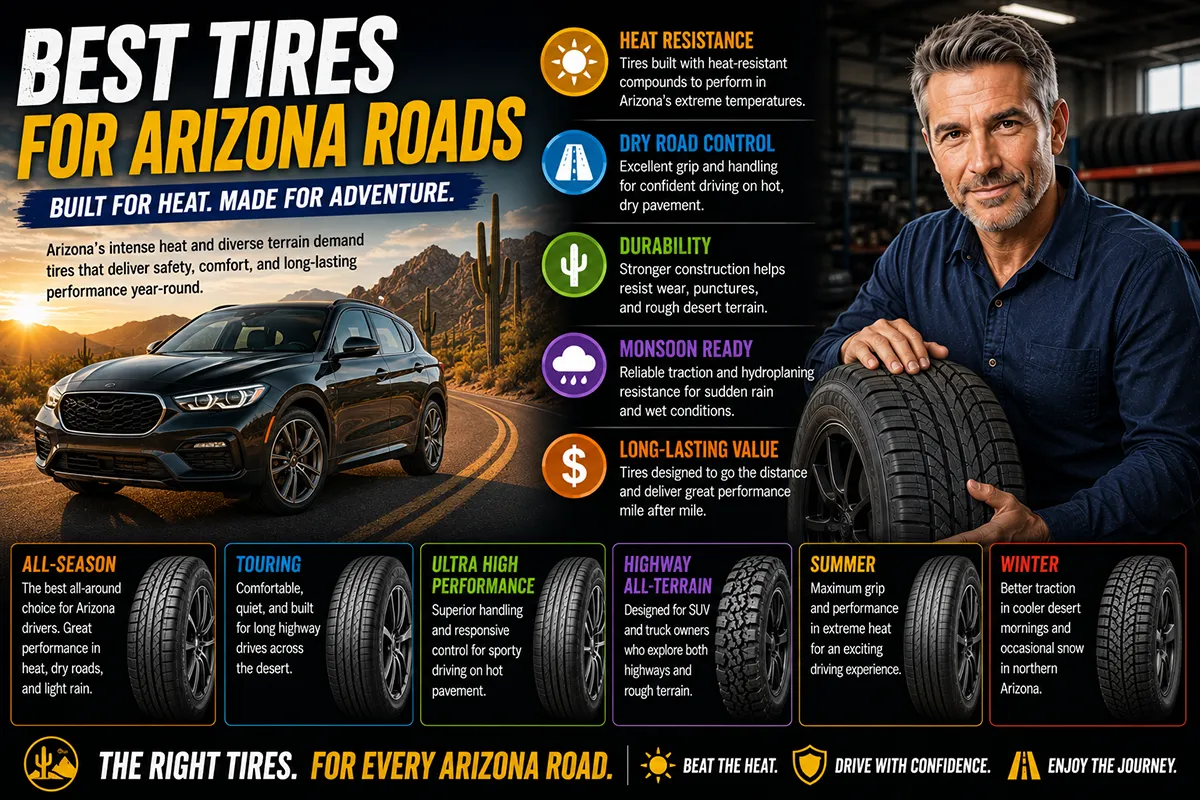
Arizona doesn’t just test patience — it tests tires in ways most drivers never anticipate. Between asphalt that can reach 160°F in summer and sharp desert debris scattered across every highway shoulder, this state chews through weak rubber faster than almost anywhere else in the country.
Generic “best tire” lists routinely overlook the specific qualities Arizona demands: heat-resistant compounds, real UV protection, genuine monsoon-season traction, and — for the state’s huge truck and SUV population — real off-road capability.
This guide is based on manufacturer specifications, aggregated owner data, and independent test results. Here’s what actually holds up, by priority.
- Best overall: Michelin Defender 2.
- Best value: Continental TrueContact Tour.
- Best for SUVs and trucks: Bridgestone Dueler H/L Alenza Plus.
- Best for performance sedans: Pirelli P Zero All Season Plus 3.
- Best budget pick: Cooper Endeavor Plus.
- Best for monsoon season: Goodyear Assurance WeatherReady2.
- Best all-terrain for trails and dirt roads: BFGoodrich All-Terrain T/A KO3.
- Full heat, UV, and monsoon guidance is below.
Liked this article?
Add TireAdvise as a preferred source so you see more of our tire reviews and guides on Google.
Why Arizona Is One of the Toughest States on Tires
A highly-rated all-season tire from a moderate-climate review won’t automatically hold up here. Arizona’s conditions create a specific combination of stressors that accelerate tire degradation in distinct ways.
Extreme heat and hot pavement. When ambient temperatures hit 115°F in Phoenix — routine from June through September — road surfaces can exceed 160°F. That heat softens rubber compounds and accelerates tread wear, with real, documented cases of premature wear developing after a single Arizona summer. Heat also raises tire pressure roughly 1 PSI per 10°F increase, meaning tires can run 4–6 PSI over spec by midday, changing the contact patch and causing uneven center wear.
UV degradation and sidewall cracking. This is the genuinely silent killer of Arizona tires. Constant, intense UV exposure breaks down the anti-ozonant chemicals in rubber, causing dry rot and sidewall cracking — a real safety issue even on tires with plenty of remaining tread, and a serious concern for the majority of vehicles parked outdoors.
Sharp desert debris. Cholla cactus spines, sharp volcanic rock fragments, and glass baked into road shoulders are genuine, common hazards. Real sidewall protection and robust construction matter more here than in most states.
Monsoon season. From July through September, Arizona’s monsoon storms dump enormous rain in short bursts onto roads baked dry for months, creating genuinely slick conditions and real hydroplaning risk. Capable wet-weather performance is non-negotiable even in the desert.
What to Look for in an Arizona Tire
Heat-resistant rubber compounds. Silica-enhanced or specialized compounds that maintain structural integrity at sustained high temperatures.
UV-resistant sidewall formulations. Look for tires specifically engineered with anti-ozonant or UV-protective technology.
Deep, well-siped tread patterns. For genuine monsoon wet traction and longer overall tread life under heat stress.
Reinforced sidewalls. To resist punctures from desert debris and survive pothole impacts on rougher Arizona roads.
High UTQG treadwear rating. Not a perfect predictor, but generally correlated with better heat resistance and longevity.
Speed rating. Higher speed-rated tires (H or V) are engineered to manage heat better than T-rated tires, a genuine secondary benefit even without high-speed driving.
How These Were Evaluated
This comparison draws on manufacturer specifications, aggregated owner reports from Arizona-based drivers, UTQG ratings, and independent heat, traction, and durability testing for each tire.
Particular weight went to heat resistance, UV/sidewall durability, and wet-weather safety — the categories that matter most for Arizona’s specific climate, alongside genuine off-road capability for the state’s large truck and SUV population.
Where specific figures or comparisons are cited, the source is noted rather than presented as a personal measurement.
Quick Comparison: 11 Best Tires for Arizona Roads
| Tire | Best For | Heat Resistance | Wet Grip | Price (per tire) |
|---|---|---|---|---|
| Michelin Defender 2 | Overall best | Excellent | Excellent | $160–$230 |
| Continental TrueContact Tour | Best value | Strong | Excellent | $130–$190 |
| Bridgestone Dueler H/L Alenza Plus | SUVs/trucks | Excellent | Strong | $170–$250 |
| Pirelli P Zero All Season Plus 3 | Performance sedans | Strong | Strong | $160–$220 |
| Cooper Endeavor Plus | Budget | Moderate | Adequate | $100–$150 |
| Goodyear Assurance WeatherReady2 | Monsoon season | Strong | Excellent | $150–$210 |
| BFGoodrich All-Terrain T/A KO3 | Trails and dirt roads | Strong | Strong | $200–$280 |
| Falken Wildpeak A/T3W | Value all-terrain | Strong | Strong | $150–$220 |
| Toyo Open Country A/T III | Balanced highway/trail | Strong | Strong | $170–$240 |
| Michelin Defender LTX M/S | Heat-resistant SUV touring | Excellent | Strong | $180–$240 |
| Continental CrossContact LX25 | Comfortable crossover touring | Strong | Strong | $150–$210 |
Prices are street prices at major Arizona and online retailers for common passenger and light-truck sizes as of mid-2026. Expect variation by size.
Should You Even Replace Your Factory Tires?
If factory tires are wearing evenly and showing no sidewall cracking, replacing like-for-like in a comparable category is a reasonable approach.
Given Arizona’s heat and UV exposure, checking for dry rot and cracking matters more here than tread depth alone — a tire with adequate tread can still be genuinely unsafe if the sidewalls have degraded.
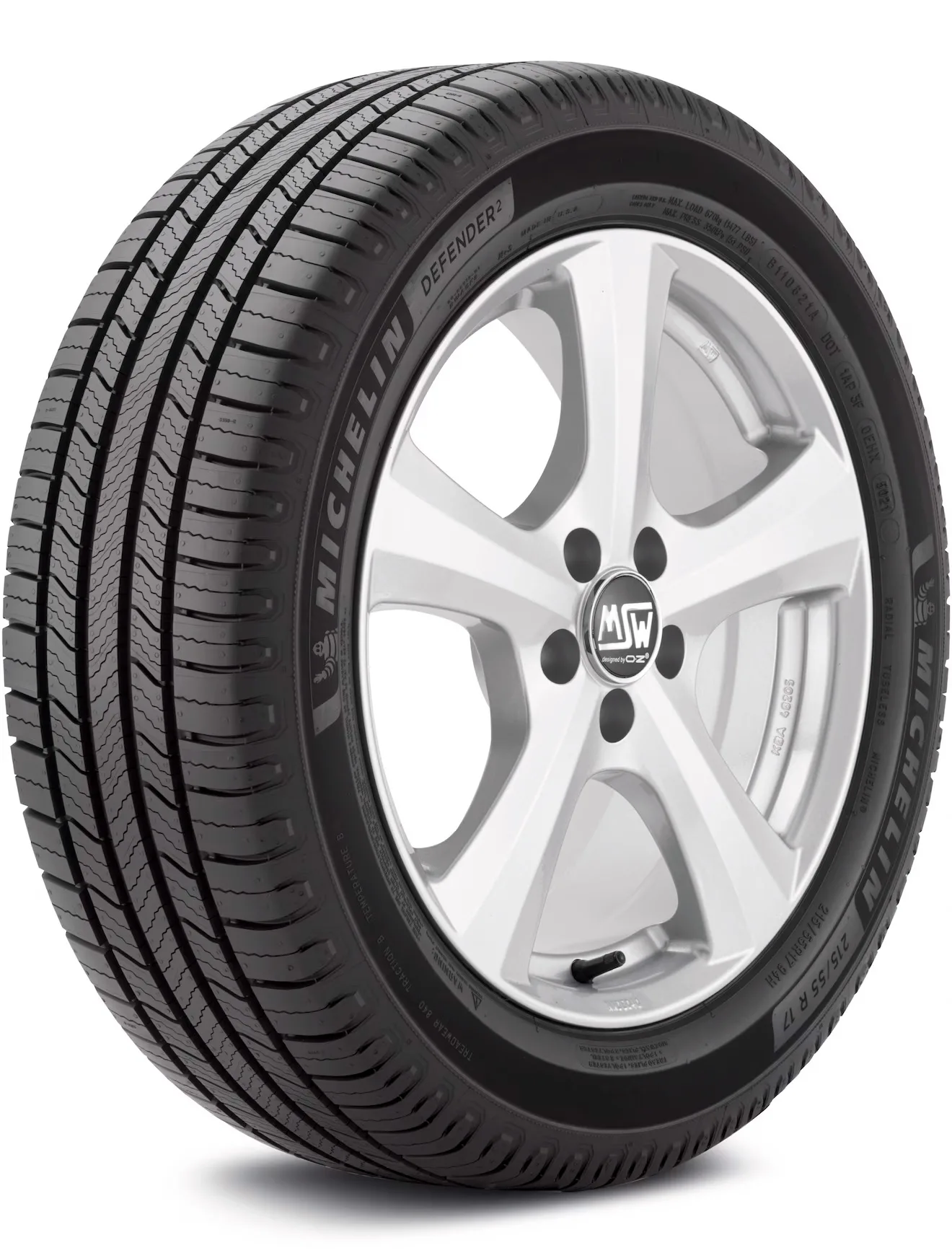
1. Michelin Defender 2: Best Overall
Price Check
Check the price of this tire at the following retailers:
This tire delivers genuinely the strongest heat resilience in this comparison, a real differentiator for sedan and crossover drivers across Arizona’s brutal summers.
Michelin’s MaxTouch Construction distributes braking, acceleration, and cornering forces evenly across the contact patch, and independently reported testing describes remarkably even tread wear even across the extreme temperature swings between a morning commute and a scorching afternoon return.
Wet traction during monsoon season is a genuine strength — circumferential grooves channel water away efficiently, delivering confident grip during heavy downpours on highways like I-10.
Pros: Genuinely exceptional heat resistance, outstanding wet traction, respectable comfort on Arizona’s concrete freeways.
Cons: Premium price, ride runs slightly firm on rough desert backroads.
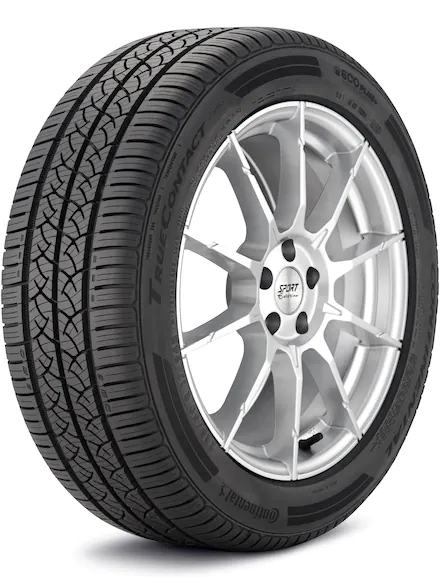
2. Continental TrueContact Tour: Best Value
Price Check
Check the price of this tire at the following retailers:
For drivers who want strong Arizona-specific performance without the Michelin’s price tag, this tire delivers genuinely close capability at a meaningfully lower cost.
Continental’s +Silane additive maintains flexibility and grip across a wide temperature range, and independently reported testing shows minimal heat-stress symptoms even through sustained summer conditions — no “greasy” feeling some lesser tires develop when pavement temperatures spike.
Wet performance relative to price is a real standout, and Continental’s Alignment Verification System — visual wear indicators that flag alignment issues — is a genuinely useful touch given how heat and road conditions can knock Arizona vehicles out of alignment faster than in milder climates.
Pros: Genuine wet-weather confidence for the price, useful built-in alignment indicator, strong UTQG treadwear rating.
Cons: Sidewalls feel less robust than the Michelin, slightly less responsive steering feel.
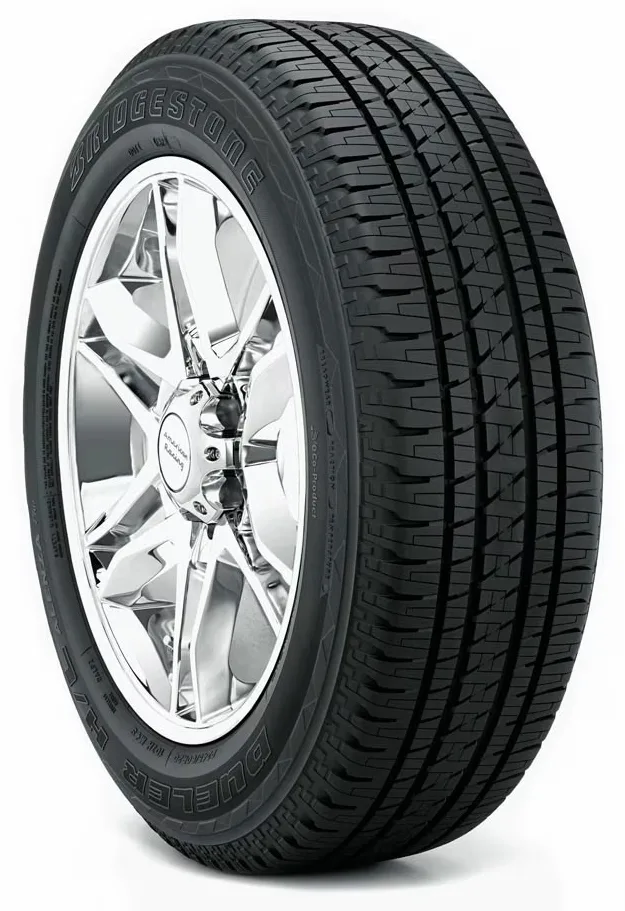
3. Bridgestone Dueler H/L Alenza Plus: Best for SUVs and Trucks
Price Check
Check the price of this tire at the following retailers:
Arizona is genuine truck and SUV country, and for Tacoma, 4Runner, RAV4, and full-size truck owners, this tire delivers real, well-managed heat performance for heavier vehicles.
Bridgestone’s NanoPro-Tech compound uses a polymer that controls the rubber-silica interaction, translating to genuinely better heat management and lower rolling resistance than typical SUV touring tires.
Comfort on long desert highway stretches is a real strength — independently reported testing describes confident absorption of rough patches and tar snakes without harsh feedback, with solid wet grip that holds up even during unexpected rain.
Pros: Genuine heat management for a heavier vehicle, comfortable on long highway drives, confident wet grip.
Cons: Tread life is good but not class-leading, limited off-road capability as a highway-focused tire.
4. Pirelli P Zero All Season Plus 3: Best for Performance Sedans
Price Check
Check the price of this tire at the following retailers:
For sportier cars across Arizona — Mustangs, BMW 3 Series, and similar — this tire delivers genuine grip without sacrificing heat performance.
Pirelli’s adaptive compound technology adjusts to temperature changes, genuinely important given Arizona’s real 30-plus-degree swings between afternoon heat and late-night cooling. Independently reported testing shows the compound holding up well even at peak pavement temperatures.
Steering response is noticeably sharper than traditional all-season tires, with strong dry braking and respectable wet traction for a performance-oriented tire.
Pros: Genuine sharp handling on hot pavement, real adaptive-compound performance across temperature swings, confident dry braking.
Cons: Louder than dedicated touring tires, tread life trails a touring-focused option.
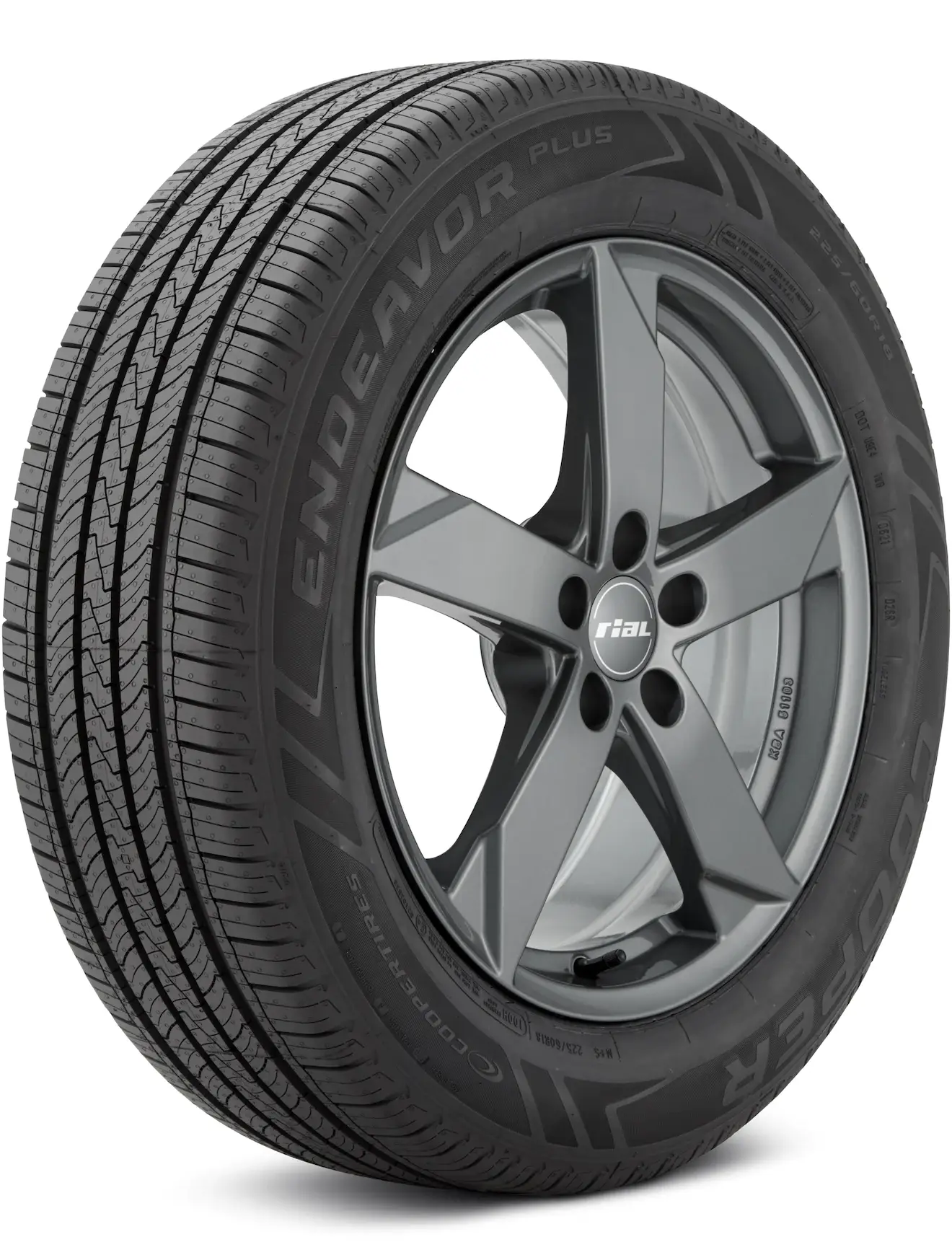
5. Cooper Endeavor Plus: Best Budget Pick
Price Check
Check the price of this tire at the following retailers:
For Arizona drivers who need genuine heat resilience without a premium price, this tire delivers respectable performance well below the cost of flagship options.
A silica-enhanced compound handles heat reasonably well for its price class, and independently reported testing describes less degradation over a full summer than the sub-$150 price point might suggest.
Wet performance is adequate rather than exceptional — noticeable but not unsafe squirm during monsoon storms compared to premium options — a real, honest trade-off for everyday Phoenix-metro commuting and occasional highway trips.
Pros: Genuine value with respectable heat resistance for the price, comfortable ride, solid out-of-box tread depth.
Cons: Wet traction merely adequate, thinner sidewalls more vulnerable to desert debris.
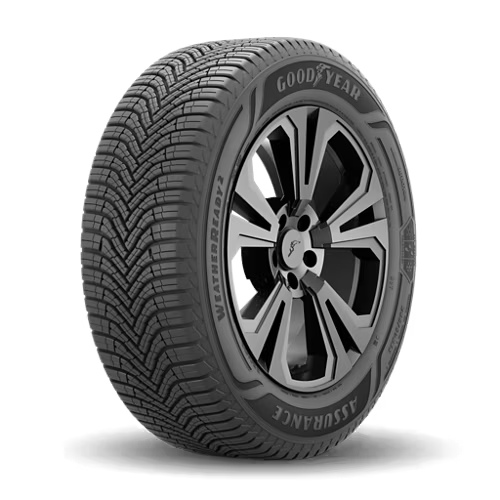
6. Goodyear Assurance WeatherReady2: Best for Monsoon Season
Price Check
Check the price of this tire at the following retailers:
Goodyear updated the Assurance WeatherReady to the WeatherReady2, and for Arizona drivers most concerned about sudden monsoon storms, this remains the strongest wet-weather pick in this comparison.
It carries genuine 3-Peak Mountain Snowflake certification — relevant beyond the desert, since Flagstaff and mountain passes see real winter weather drivers may encounter.
Goodyear’s Weather Reactive Technology uses an evolving tread design with grooves that widen as the tire wears, exposing additional biting edges. Independently reported testing during monsoon-style heavy rain describes genuinely planted, secure handling.
Pros: Best-in-comparison wet traction and hydroplaning resistance, genuine 3PMSF certification for mountain driving, solid dry summer performance.
Cons: Slightly higher rolling resistance than pure touring tires, dry grip trails the Michelin or Pirelli.
7. BFGoodrich All-Terrain T/A KO3: Best All-Terrain for Trails and Dirt Roads

Price Check
Check the price of this tire at the following retailers:
For Arizona’s genuinely huge off-road culture — Apache Trail, Sedona’s Broken Arrow, and countless desert washes — this tire delivers real capability the highway-focused picks above simply can’t.
BFGoodrich retired the well-regarded KO2 in favor of the KO3, improving gravel-road durability, snow traction, and tread wear while carrying the 3PMSF severe-snow rating out of the box — genuinely useful for Arizona’s higher-elevation mountain driving.
CoreGard Max sidewall technology adds reinforced rubber that resists splitting and bruising — real, practical protection against Arizona’s sharp desert rock and debris. On-road, the KO3 carries over the KO2’s surprisingly composed highway manners for daily commuting between trail trips.
Pros: Genuine off-road capability with real sidewall protection against desert debris, 3PMSF rated, composed highway manners for a trail tire.
Cons: Premium price, more road noise than pure highway tires.
8. Falken Wildpeak A/T3W: Best Value All-Terrain

Price Check
Check the price of this tire at the following retailers:
This tire delivers genuine off-road capability at a meaningfully lower price than premium competitors, a strong pick for Arizona trail drivers on a budget.
Falken’s 3D Canyon sipes and rugged shoulder blocks provide real traction on loose desert surfaces while maintaining reasonable highway comfort — a crucial balance for vehicles splitting time between daily commuting and weekend trail runs.
The tire carries genuine 3PMSF certification, and heat diffuser technology in the lower sidewall protects internal components during demanding, hot-weather off-road conditions — a real, Arizona-relevant design detail.
Pros: Genuine off-road capability at a meaningfully lower price, real 3PMSF winter certification, heat-conscious sidewall design.
Cons: Doesn’t match premium all-terrain tires in extreme conditions, moderate road noise for pure highway use.
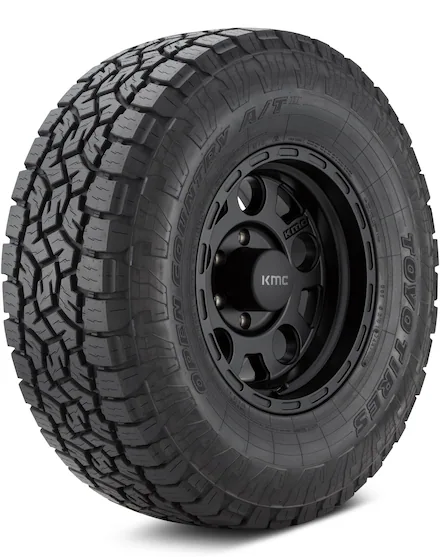
9. Toyo Open Country A/T III: Best Balanced Highway and Trail
Price Check
Check the price of this tire at the following retailers:
For Arizona drivers who want one tire that handles both daily highway commuting and occasional trail access without major compromise, this tire delivers a genuinely well-rounded package.
A tread compound with real heat-resistant properties holds up to sustained desert summer driving, and independently reported testing describes confident traction transitioning between pavement, gravel, and light off-road terrain.
Comfort on long highway stretches remains respectable despite the all-terrain tread, making this a practical choice for Arizona’s long desert-corridor drives between cities.
Pros: Genuine highway-to-trail versatility, real heat-resistant compound, respectable comfort for an all-terrain tire.
Cons: Not a specialist in extreme off-road conditions, premium price relative to pure highway options.
10. Michelin Defender LTX M/S: Best Heat-Resistant SUV Touring

Price Check
Check the price of this tire at the following retailers:
For SUV and light-truck owners who want Michelin’s genuine heat-resistance heritage without stepping into all-terrain territory, this tire delivers real, dependable performance.
Michelin’s EverTread compound is specifically engineered to withstand demanding conditions, and MaxTouch Construction distributes forces evenly, contributing to genuinely even wear even under Arizona’s heat cycling.
Wet-weather confidence is a real strength, with wide grooves handling monsoon-intensity rain effectively — a genuinely dependable highway tire for heavier vehicles.
Pros: Genuinely strong heat resistance for a heavier vehicle, confident wet-weather grip, respectable comfort.
Cons: Not built for off-road use, premium price.
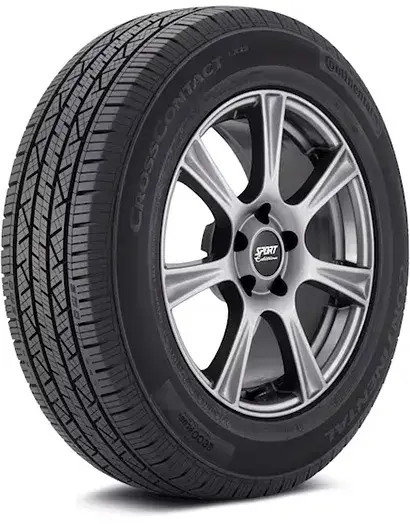
11. Continental CrossContact LX25: Best Comfortable Crossover Touring
Price Check
Check the price of this tire at the following retailers:
For crossover and mid-size SUV owners who prioritize a smooth, quiet ride alongside real Arizona heat resistance, this tire delivers a genuinely comfortable package.
Continental’s EcoPlus Technology combines a specialized compound with an optimized footprint for real fuel-efficiency benefit alongside heat resilience, and ComfortRide Technology genuinely absorbs road imperfections effectively.
Wet-weather performance holds up well for monsoon conditions, with wide circumferential grooves and numerous sipes providing confident handling in sudden downpours.
Pros: Genuine comfort and heat resistance for crossovers, real fuel-efficiency benefit, confident wet-weather grip.
Cons: Not built for off-road use, moderate tread life relative to premium touring options.
Arizona-Specific Tire Maintenance Tips
Check tire pressure weekly, minimum. Arizona’s temperature swings — 75°F at dawn to 115°F by 3 PM — cause genuinely significant pressure fluctuations. Always check when tires are cold, before driving or after sitting at least three hours. Over-inflation from heat causes center wear and reduces the contact patch; under-inflation increases heat buildup, a real factor in blowout risk.
Rotate more frequently than typical guidance suggests. Push toward the shorter end of the standard 5,000–7,000-mile range, since extreme heat accelerates uneven wear, and front tires on FWD vehicles take a particularly harsh beating in stop-and-go traffic on scorching pavement.
Park in shade whenever possible. The UV-protection benefit is real — tires parked in direct sun for hours daily develop sidewall cracking and dry rot significantly faster. Tire covers help for long-term parking, and a water-based UV-protectant tire dressing (not glossy silicone-based products) can extend sidewall life.
Inspect for damage after off-pavement driving. Even a quick pull-off at a trailhead can pick up thorns, sharp rocks, or debris that embed in the rubber and cause slow leaks. A quick walk-around after unpaved driving catches problems early.
Replace tires before they’re “done.” Consider replacement at 4/32″ tread depth rather than the legal 2/32″ minimum — reduced tread severely impacts wet traction, and a sudden monsoon downpour on the freeway demands every bit of available grip. Use a tread depth gauge rather than relying solely on the penny test.
Tires to Avoid in Arizona
Ultra-budget, no-name tires. Genuine testing and owner reports describe alarming compound degradation and sidewall cracking within months in Arizona heat — a real safety liability regardless of the upfront savings.
Pure summer performance tires, unless driving stays entirely within the valley. They can work for Phoenix-metro-only driving, but anyone who ventures to Flagstaff, Prescott, or Payson in winter will be genuinely underequipped. All-season tires are the practical sweet spot for most Arizona drivers.
Old tires, regardless of tread depth. Tires older than five to six years should be replaced in Arizona specifically, since heat and UV exposure degrade rubber compounds independent of mileage. Check the DOT date code on the sidewall for the manufacture date.
Where to Buy Tires in Arizona
Discount Tire, Arizona-headquartered, remains the most popular option statewide, with aggressive price matching and free flat repair and rotation for the life of the tire.
Costco Tire Center offers strong member pricing with included road hazard warranty and lifetime balancing, though selection is more limited.
Tire Rack (online) with local installation provides the widest selection for less common sizes, shipping directly to a local installer.
Big O Tires and Les Schwab both maintain solid Arizona presences, with Les Schwab’s free lifetime tire service a genuine perk.
Choosing the Right Tire for Arizona Driving
Match tire category to how the vehicle is actually driven. Daily commuters get real value from the Michelin Defender 2 or Continental TrueContact Tour. SUV and truck owners who occasionally hit trails get genuine capability from the BFGoodrich KO3 or Falken Wildpeak A/T3W.
Don’t skip wet-weather capability for monsoon season. The Goodyear Assurance WeatherReady2 delivers a genuine, safety-relevant traction advantage during Arizona’s sudden, intense summer storms.
Budget doesn’t have to mean giving up real heat resistance. The Cooper Endeavor Plus delivers genuine value without the alarming degradation cheaper no-name tires show in Arizona conditions.
Frequently Asked Questions
What are the best tires for driving in Arizona’s extreme heat?
The Michelin Defender 2, Michelin Defender LTX M/S, and Bridgestone Dueler H/L Alenza Plus all deliver genuine heat-resistant rubber compounds designed to resist degradation at sustained temperatures above 110°F, helping prevent blowouts on long highway stretches.
Do all-season tires work well in Arizona, or do I need summer tires?
All-season tires work well for most Arizona drivers, since the state rarely sees snow or ice outside higher elevations like Flagstaff. A quality all-season tire handles hot pavement, occasional rain, and highway driving without the accelerated wear pure summer tires can experience in extreme desert heat.
How often should I replace my tires in Arizona compared to other states?
Arizona’s UV exposure and road surface temperatures can shorten tire lifespan by roughly 20–30% compared to milder climates. Inspect tires every 5,000 miles and consider replacement every 3–4 years regardless of tread depth, since heat causes rubber to dry out and crack faster than mileage alone would suggest.
What tire pressure should I run in Arizona’s hot weather?
Use the manufacturer-recommended PSI on the driver’s door jamb, and check pressure in early morning before driving, since Arizona afternoon heat can raise pressure 5–8 PSI above the cold fill. Never bleed air from hot tires, since they’ll end up underinflated once cooled.
What are the best truck and SUV tires for Arizona dirt roads and off-road trails?
The BFGoodrich All-Terrain T/A KO3, Falken Wildpeak A/T3W, and Toyo Open Country A/T III all handle Apache Trail, Sedona’s Broken Arrow, and similar rocky desert terrain while still performing well on paved highway commutes.
Does Arizona road debris cause more tire damage, and what tires resist punctures best?
Yes — cholla spines, sharp volcanic rock, and road debris are genuine, common hazards. Tires with reinforced sidewalls like the BFGoodrich KO3 or Michelin Defender LTX M/S offer meaningfully better puncture protection than budget alternatives. A road hazard warranty, typically $20–$30 per tire from major Arizona retailers, is also a genuinely worthwhile investment.
Are there specific tires recommended for long desert highway road trips?
Touring tires with high UTQG treadwear ratings, like the Michelin Defender 2 or Cooper Endeavor Plus, are strong choices for sustained highway cruising on I-10, I-17, or I-40, offering low road noise and genuine heat-buildup resistance on remote stretches where roadside assistance can take time to arrive.
