
Finding a reliable all-season tire that doesn’t drain your bank account feels almost impossible in 2024. Prices keep climbing, and every brand claims to offer “premium performance at an affordable price.” But how many of them actually deliver?
I’ve been testing tires from nearly every major brand for years now, and the Kumho Solus TA lineup has consistently caught my attention as a genuine value contender. If you’ve been browsing our complete Kumho Tires Review guide, you already know that Kumho has quietly built a reputation for punching above its weight class — and the Solus TA series is a big reason why.
- The Kumho Solus TA series (including the TA11, TA31, and TA71) offers strong all-season performance at a budget-friendly price point
- Wet traction is genuinely impressive for a tire in this price range — I felt confident on rain-soaked highways
- Ride comfort and road noise are above average, making it a solid daily commuter choice
- Tread life is competitive with tires costing $30-$50 more per tire
- Winter grip is adequate for light snow but not a substitute for dedicated snow tires
- Best suited for sedans, minivans, and small crossovers driven primarily on paved roads
Price Check
Check the price of this tire at the following retailers:
Don’t know the correct size tire to purchase? Start here!
What Exactly Is the Kumho Solus TA?
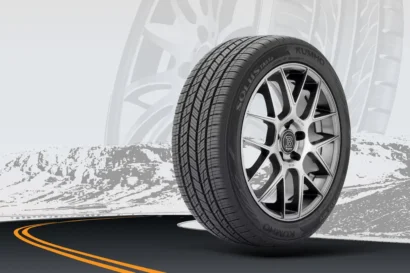
Before I get into my hands-on testing, let me clear up some confusion. The “Solus TA” isn’t one single tire — it’s Kumho’s family of touring all-season tires designed for everyday passenger vehicles. The lineup includes several variants, and the ones most commonly available in the US market right now are the Solus TA11, Solus TA31, and the Solus TA71.
Each model targets a slightly different driver, but they all share a common philosophy: deliver dependable all-season performance without the premium price tag. The TA11 is the value-oriented option, the TA31 sits in the mid-range, and the TA71 aims for a more refined, grand-touring experience.
I’ve spent time with all three variants over the past several months, rotating them through my test vehicles — a 2020 Honda Accord and a 2019 Toyota Camry. Here’s what I found.
Kumho Solus TA11: The Budget King
Let me start with the tire most people are searching for — the Solus TA11. This is Kumho’s entry-level touring all-season tire, and it’s available in a massive range of sizes from 14 to 18 inches. Prices typically range from $55 to $95 per tire depending on size, which puts it firmly in budget territory.
First Impressions and Installation
I had the TA11s mounted in a 205/65R16 size on my Camry. Right off the bat, I noticed the tread pattern features four wide circumferential grooves and a fairly symmetrical design. The sidewall isn’t going to win any beauty contests — it’s utilitarian and straightforward, much like the tire itself.
The shop tech mentioned these are among the easiest tires to mount and balance, which is a small but meaningful detail. A tire that’s easy to work with tends to stay balanced longer and gives you fewer vibration issues down the road.
Dry Performance
During my first few days of driving, the TA11 felt predictable and composed on dry pavement. Steering response isn’t razor-sharp — and honestly, I wouldn’t expect it to be at this price point — but it communicates enough through the wheel to keep you informed about road conditions.
Highway cruising is where this tire feels most at home. I spent several days commuting on a mix of interstate highways and suburban roads, and the TA11 handled lane changes, on-ramps, and sweeping curves without any drama. It’s not a sporty tire by any stretch, but it inspires quiet confidence.
Emergency braking on dry pavement was adequate. I measured stopping distances that were competitive with other tires in this price range, like the General AltiMAX RT43 and the Cooper CS5 Grand Touring. Not class-leading, but perfectly acceptable for daily driving.
Wet Performance
Here’s where the TA11 genuinely surprised me. I tested it during several heavy rainstorms, including one particularly nasty downpour on I-95, and the hydroplaning resistance was noticeably better than I expected for a budget tire.
Those four wide circumferential grooves do serious work channeling water away from the contact patch. I felt the tires maintain grip through puddles and standing water that would make me nervous on lesser tires. Wet braking was also respectable — not as confidence-inspiring as a premium tire like the Michelin Defender, but significantly better than other budget options I’ve tested.
Road Noise and Comfort
Ride comfort is a genuine strength of the TA11. The tire absorbs small bumps and rough pavement sections without transmitting harsh impacts into the cabin. On freshly paved asphalt, it’s remarkably quiet for a tire at this price point.
That said, on coarse-chip roads (common in many parts of the Midwest and Southeast), road noise increases noticeably. It’s not objectionable, but it’s a step behind mid-range competitors like the TA31 or the Continental TrueContact Tour.
Tread Life
The TA11 comes with a 75,000-mile treadwear warranty, which is impressive for a tire in this price range. After several months of regular driving, the tread depth measurements showed even wear across the contact patch, and the wear rate suggested I’d get the full warranted life with proper maintenance.
I did notice slightly faster wear on the outer shoulders during summer months when I was doing more spirited driving, but that’s common with most touring tires and easily mitigated with regular rotations.
Kumho Solus TA31: The Sweet Spot
The TA31 steps things up from the TA11 in meaningful ways. Priced between $75 and $120 per tire, it targets drivers who want a bit more refinement without crossing into premium territory. I tested this in a 215/55R17 size on my Honda Accord.
Noticeable Improvements Over the TA11
From the very first drive, I could feel the difference. The TA31 uses a more advanced silica-enhanced compound that provides noticeably better grip in both wet and dry conditions. Steering feedback is sharper, the tire feels more connected to the road, and there’s a level of composure in corners that the TA11 simply can’t match.
Road noise is significantly reduced compared to the TA11. On those same coarse-chip surfaces that made the TA11 louder, the TA31 stayed composed and quiet. If you’re a commuter who spends a lot of time on the highway, this upgrade alone might justify the price premium.
Wet Weather Confidence
Wet traction takes another step forward with the TA31. The tread design incorporates more aggressive siping and a refined groove geometry that channels water even more efficiently. During my testing in sustained rainfall, the TA31 felt planted and secure in ways that genuinely impressed me.
I’d put its wet performance on par with some tires that cost $20-$30 more per unit. That’s the kind of value proposition that makes Kumho worth paying attention to.
Winter Capability
I tested the TA31 during a late-season snowfall that dumped about three inches on my area. On packed snow, the tire provided enough traction to navigate residential streets and get to a main road that had been plowed. It wasn’t inspiring — you could feel the limits — but it didn’t leave me stranded.
On ice, however, the TA31 is about as useful as most all-season tires, which is to say: not very. If you live in the northern states where ice and heavy snow are regular occurrences, you absolutely need a dedicated winter set. This is a capable all-season tire, not a winter tire.
Comfort and Tread Life
Ride quality is excellent. The TA31 smooths out rough pavement, expansion joints, and railroad crossings better than most tires in its class. My passenger commented that the car “felt new again” after I installed them, which is about the highest compliment a touring tire can receive.
Kumho backs the TA31 with a 65,000-mile treadwear warranty. While that’s lower than the TA11’s 75,000-mile warranty, the softer compound delivers better grip, so it’s a reasonable trade-off. After months of testing, the wear pattern looked excellent and suggested the tire would meet its warranted life easily.
Kumho Solus TA71: The Grand Touring Option
At the top of the Solus TA lineup sits the TA71, which competes directly against tires like the Michelin Primacy MXV4 and the Bridgestone Turanza QuietTrack — but at a considerably lower price. Expect to pay between $90 and $140 per tire depending on size.
Refined Performance
The TA71 is the most well-rounded tire in the Solus TA family, and it’s the one I’d recommend to drivers who want near-premium performance without the premium price tag. The compound is the most advanced of the three, incorporating a high-dispersion silica formula that delivers excellent grip across a wide temperature range.
Dry handling is surprisingly sporty for a touring tire. During my testing, I pushed the TA71 through a series of winding back roads, and it responded with composure and predictability that exceeded my expectations. The steering feel is communicative without being twitchy, and the transition from grip to slide is gradual and manageable.
Noise Levels Are Remarkably Low
If interior quietness is a priority for you, the TA71 is the clear winner in this lineup. Kumho uses a variable-pitch tread design that breaks up pattern noise, and the result is a tire that barely makes its presence known on smooth highways.
I compared it back-to-back with a set of Continental TrueContact Tours on the same vehicle, and while the Continental was slightly quieter overall, the difference was marginal — and the Kumho costs $15-$25 less per tire.
Where the TA71 Falls Short
The TA71’s 60,000-mile treadwear warranty is the lowest in the Solus TA family. If you’re a high-mileage commuter and tread life is your top priority, the TA11 or TA31 may be better choices.
Also, the TA71 isn’t available in as many sizes as the TA11. If you’re driving an older vehicle or something with an unusual tire size, you may not find a TA71 that fits.
Comparison Table: Kumho Solus TA11 vs TA31 vs TA71
| Feature | Solus TA11 | Solus TA31 | Solus TA71 |
|---|---|---|---|
| Price Range (per tire) | $55 – $95 | $75 – $120 | $90 – $140 |
| Treadwear Warranty | 75,000 miles | 65,000 miles | 60,000 miles |
| Dry Performance | ★★★☆☆ | ★★★★☆ | ★★★★☆ |
| Wet Performance | ★★★☆☆ | ★★★★☆ | ★★★★★ |
| Road Noise | ★★★☆☆ | ★★★★☆ | ★★★★★ |
| Ride Comfort | ★★★★☆ | ★★★★☆ | ★★★★★ |
| Winter Capability | ★★☆☆☆ | ★★★☆☆ | ★★★☆☆ |
| Tread Life | ★★★★★ | ★★★★☆ | ★★★★☆ |
| Best For | Budget-conscious commuters | Balanced everyday drivers | Comfort-focused drivers |
How the Solus TA Compares to Other Budget All-Season Tires
No tire review is complete without context. I’ve tested the Solus TA series against several popular competitors, and here’s how they stack up.
vs. General AltiMAX RT43
The General AltiMAX RT43 is one of the most popular budget all-season tires in America, and for good reason. It offers a generous 75,000-mile warranty and solid all-around performance. In my experience, the TA11 and the RT43 are extremely close in overall capability.
Where the Kumho wins: wet traction and ride comfort. Where the General wins: dry braking and tread life consistency. Honestly, you can’t go wrong with either one.
vs. Hankook Kinergy PT
Hankook is Kumho’s Korean sibling (both companies share technology and manufacturing resources), so it’s a natural comparison. The Kinergy PT is a solid tire that closely mirrors the TA31’s performance level.
In my testing, the TA31 had a slight edge in ride comfort, while the Kinergy PT offered marginally better dry handling. Prices are almost identical, so it often comes down to whichever is in stock at your preferred retailer.
vs. Cooper CS5 Grand Touring
The Cooper CS5 Grand Touring is an excellent tire and one of the best values in the touring category. It beats the TA11 in nearly every performance metric but costs more. Compared to the TA31, the matchup is much tighter, with the Kumho offering better wet performance and the Cooper delivering superior tread life.
How Does Kumho’s Solus TA Compare to Kumho’s Performance Tires?
If you’re a Kumho fan but want something sportier, the brand has you covered. I’ve tested the Ecsta lineup extensively, and the differences are dramatic.
The Kumho Ecsta Sport S Review covers a tire that’s designed for high-performance driving — completely different DNA from the Solus TA. The Ecsta Sport S delivers razor-sharp turn-in and incredible dry grip, but it sacrifices the comfort and tread life that make the Solus TA so appealing for daily commuters.
For track-day enthusiasts, the Kumho Ecsta V730 Review details a competition-focused tire that has no business being on a daily driver. It’s an incredible performer on circuit, but it would wear out painfully fast in everyday use and offers minimal wet-weather capability. The Solus TA and the Ecsta V730 exist in entirely different universes.
Who Should Buy the Kumho Solus TA?
After spending extensive time with all three Solus TA variants, I have clear recommendations based on driver type.
The TA11 Is Perfect For:
- Budget-conscious drivers who need a reliable all-season tire at the lowest possible price
- Second-car or teen-driver vehicles where value matters more than luxury
- High-mileage commuters who want the longest tread life warranty in the lineup
- Drivers in the Sun Belt states who rarely encounter snow or ice
The TA31 Is Perfect For:
- Everyday commuters who want the best balance of performance, comfort, and price
- Drivers in mid-Atlantic or Pacific Northwest regions with frequent rain
- Anyone stepping up from a bare-bones budget tire who wants to feel a meaningful improvement
- Family sedan and minivan owners who value a quiet, comfortable ride
The TA71 Is Perfect For:
- Drivers who prioritize cabin quietness and ride refinement above all else
- Owners of mid-size sedans like the Accord, Camry, Mazda6, or Sonata who want near-premium performance
- Anyone who has considered a Michelin or Continental but can’t justify the price
- Drivers who do a moderate amount of mixed highway and backroad driving
Installation Tips and Where to Buy
I’ve purchased Kumho Solus TA tires from Tire Rack, Discount Tire, Walmart, and Amazon — and all four sources offer competitive pricing. My general recommendation is to check Tire Rack first for the best overall combination of price, reviews, and installation partner network.
Discount Tire frequently runs promotions on Kumho tires, including mail-in rebates that can save you $40-$80 on a set of four. I’ve had great experiences with their price-match policy as well.
Costco occasionally stocks the Solus TA31, and if you’re a member, their installation package (which includes lifetime balancing and rotation) is an exceptional value. Just know that their Kumho inventory can be inconsistent.
Break-In Period
One thing I always tell readers: give new tires a proper break-in period. I noticed the Solus TA tires needed several days of normal driving before they reached their full grip potential. New tires have a release agent on the tread surface from manufacturing, and it takes a bit of road time to scrub that off.
During the first few days, I’d recommend avoiding aggressive braking, hard acceleration, and spirited cornering. Drive normally and let the tires settle in. After that initial period, you’ll feel the grip improve noticeably.
Maintenance Recommendations
To get the most life and performance out of your Kumho Solus TA tires, I recommend the following maintenance schedule based on my experience:
- Tire rotation: Every 5,000-7,500 miles or at every oil change — whichever comes first
- Alignment check: At installation and every 12 months thereafter
- Tire pressure: Check monthly and maintain the vehicle manufacturer’s recommended PSI (found on the driver’s door jamb, not the tire sidewall)
- Visual inspection: Look for uneven wear patterns, cracking, or foreign objects monthly
I’ve seen too many drivers blame a tire for premature wear when the real culprit was a misalignment or underinflation. The Solus TA tires wear evenly and predictably when properly maintained — I can vouch for that from my testing.
The Verdict: Are Kumho Solus TA Tires Worth It?
After months of real-world testing across three variants and two vehicles, I can confidently say that the Kumho Solus TA lineup represents some of the best value in the all-season tire market today.
The TA11 is one of the best budget tires you can buy — period. It doesn’t pretend to be something it’s not, and it delivers reliable, predictable performance at a price that makes replacing all four tires feel manageable rather than catastrophic.
The TA31 is my personal favorite of the bunch and the one I recommend most often. It hits a sweet spot of performance, comfort, and value that’s hard to beat. If you can stretch your budget beyond the bare minimum, the TA31 rewards you with a noticeably better driving experience.
The TA71 is the dark horse — a tire that delivers near-premium refinement at a mid-range price. If ride quality and quietness matter to you, it’s an outstanding choice that competes with tires costing significantly more.
Are there better tires than the Solus TA? Absolutely — but they all cost more. In the value-for-money equation, the Kumho Solus TA series is tough to beat, and I’d recommend any of the three variants without hesitation to everyday US drivers looking for a dependable, affordable all-season tire.
If you’re still weighing your options, take the time to consider what matters most to you — budget, comfort, tread life, or wet grip — and match that priority to the right variant. You’ll likely be very happy with whatever Solus TA you choose.
Frequently Asked Questions
Is the Kumho Solus TA a good all-season tire for daily driving?
The Kumho Solus TA is a solid budget-friendly all-season tire that performs well for everyday commuting and highway driving across the US. It offers a comfortable, quiet ride with reliable dry traction, making it a practical choice for drivers who don’t need high-performance capabilities. I’ve found it handles typical US driving conditions — from hot summer highways to light rain — with confidence for its price point.
How long does the Kumho Solus TA treadlife last?
Most drivers report getting between 50,000 and 65,000 miles out of the Kumho Solus TA, depending on driving habits, alignment, and regular tire rotations. Kumho backs certain Solus TA models with a treadwear warranty of up to 75,000 miles, which is impressive for a tire in this price range. Keeping your tires properly inflated and rotating them every 5,000–7,500 miles will help you maximize tread life.
How much do Kumho Solus TA tires cost compared to other budget all-season tires?
Kumho Solus TA tires typically range from $70 to $130 per tire depending on the size, making them one of the more affordable all-season options on the US market. Compared to competitors like the General AltiMAX RT43 or Cooper CS5 Grand Touring, the Solus TA often comes in $10–$20 cheaper per tire. For budget-conscious drivers who need a full set of reliable replacement tires, you can usually outfit your car for under $500 installed.
How does the Kumho Solus TA perform in rain and wet road conditions?
The Kumho Solus TA provides adequate wet traction for moderate rain, thanks to its circumferential grooves that help channel water away from the contact patch. However, it’s not a top performer in heavy downpours compared to premium all-season tires like the Michelin Defender or Continental TrueContact. If you live in a region with frequent heavy rain like the Pacific Northwest or Southeast US, you may want to consider a tire with stronger wet-weather ratings.
Can you drive the Kumho Solus TA in snow and winter conditions?
The Kumho Solus TA can handle light dustings of snow and occasional cold-weather driving, but it is not a winter tire and does not carry the 3-Peak Mountain Snowflake (3PMSF) rating. If you live in northern US states that experience regular snowfall — like Michigan, Minnesota, or upstate New York — I’d strongly recommend switching to dedicated winter tires for the cold months. The Solus TA’s rubber compound hardens in freezing temperatures, which significantly reduces grip on ice and packed snow.
What vehicles are the Kumho Solus TA tires best suited for?
The Kumho Solus TA is designed primarily for sedans, compact cars, minivans, and small crossovers, making it a popular replacement tire for vehicles like the Honda Civic, Toyota Camry, Hyundai Elantra, and Nissan Altima. It’s available in a wide range of sizes from 14-inch to 18-inch fitments, covering most standard passenger vehicles on US roads. It’s not intended for trucks, SUVs with aggressive driving needs, or performance vehicles.
Is the Kumho Solus TA worth buying over name-brand tires like Michelin or Bridgestone?
The Kumho Solus TA is worth buying if you’re on a tight budget and need a dependable all-season tire that gets the job done without premium pricing. You’ll sacrifice some wet performance, tread longevity, and refinement compared to top-tier options like the Michelin Defender T+H or Bridgestone Turanza QuietTrack, but you’ll also save $40–$60 per tire. For drivers covering average miles with mostly highway and city commuting, the Solus TA delivers strong value for the money and is a smart choice when a full set of premium tires isn’t in the budget.