


If you’ve ever white-knuckled your way through a snowstorm on worn-out all-season tires, you already know the terror of zero traction. That helpless sliding feeling at a stop sign — the one where your foot is on the brake but the car just keeps going — is exactly what dedicated winter tires are designed to prevent.
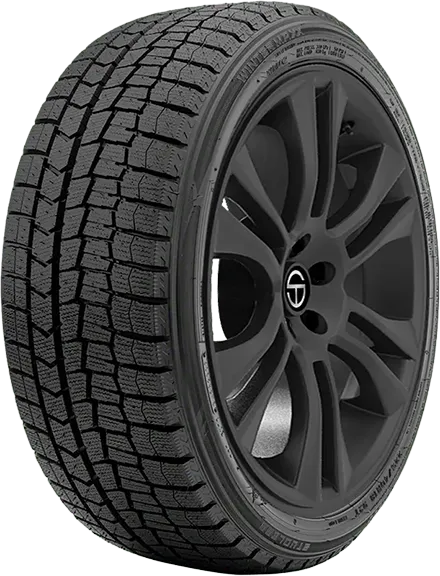
The Dunlop Winter Maxx 2 promises confident snow and ice performance at a price point that won’t destroy your budget. I’ve been running a set through some genuinely nasty winter conditions, and I have a lot to say about whether this tire delivers on that promise. If you’re exploring the full Dunlop lineup, our comprehensive Dunlop Tires Review guide covers every model side by side to help you compare.
- The Dunlop Winter Maxx 2 is a studless winter tire that excels on packed snow and light ice conditions.
- Ride comfort is surprisingly refined for a winter tire — quiet on cleared highways, minimal vibration.
- Ice traction is good but not class-leading; dedicated ice tires like the Bridgestone Blizzak WS90 edge it out on pure ice.
- Treadlife is above average for the winter tire category thanks to Dunlop’s Miura-Ori sipe technology.
- Priced between $90–$160 per tire depending on size, it offers strong value for the money.
- Best suited for drivers in the Midwest, Northeast, and northern mountain states who face consistent snow and cold.
Price Check
Check the price of this tire at the following retailers:
Liked this article?
Add TireAdvise as a preferred source so you see more of our tire reviews and guides on Google.
What Is the Dunlop Winter Maxx 2?
The Dunlop Winter Maxx 2 (often abbreviated WM02) is a studless winter tire designed for passenger cars and some crossover vehicles. It sits in Dunlop’s winter tire lineup as the second generation of their Winter Maxx platform, positioned as a balanced option that prioritizes snow traction, ice grip, and long tread life.
Dunlop uses a few proprietary technologies here. The most notable is their “Miura-Ori” sipe pattern, inspired by a Japanese paper-folding technique that creates a three-dimensional interlocking structure within the tread blocks. In plain English, this means the sipes lock together under load to keep the tread stable while still opening up to bite into snow and ice.
There’s also Dunlop’s nano-fit rubber compound, which uses silica-dense materials that remain flexible at extremely low temperatures. This is critical because standard all-season rubber hardens below about 45°F, dramatically reducing grip.
The tire is available in a wide range of sizes, from 14-inch fitments for compact cars up to 19-inch options for larger sedans and some CUVs. It carries the three-peak mountain snowflake (3PMSF) certification, which means it meets the industry standard for severe snow service.
My Testing Setup and Conditions
I tested the Dunlop Winter Maxx 2 in size 205/55R16, mounted on a 2019 Honda Civic. This is one of the most common fitments for this tire, and it’s representative of what a typical midsize sedan owner would experience.
My testing took place across several weeks during a particularly active winter stretch. Conditions ranged from dry cold pavement (temperatures between 10°F and 30°F) to moderate snowfall, packed snow, slush, and the occasional ice patch on residential streets and parking lots.
I also drove extensively on cleared highways where the tire’s dry cold-weather manners and noise levels could be properly evaluated. In total, I put the tire through a solid variety of real-world winter driving scenarios — daily commuting, highway runs, and some intentional testing in empty parking lots to evaluate braking and cornering limits.
Snow Performance: Where This Tire Shines
Let me start with what matters most for a winter tire — how it handles snow. In my experience, the Dunlop Winter Maxx 2 is genuinely impressive on packed snow and moderate accumulation.
During my test period, I drove through several storms that dropped between two and six inches of snow on unplowed side streets. The tire dug in confidently, and I rarely felt the traction control light flickering on acceleration. Straight-line grip was strong, and the tire did an excellent job of channeling snow through the directional tread pattern to maintain contact with the surface below.
Packed Snow and Cornering
Cornering on packed snow was stable and predictable. The tire communicates well through the steering — I could feel when I was approaching the limits of grip, which gave me time to adjust rather than being surprised by a sudden breakaway. This progressive feedback is something I really value in a winter tire.
I did notice a small amount of understeer when pushing hard into turns on snow-covered roads, but that’s fairly normal behavior for a front-wheel-drive sedan on winter tires. It’s predictable and manageable.
Deep Snow
In deeper snow — above about six inches — the Winter Maxx 2 starts to show some limitations. It’s not an aggressive snow tire in the way that something like the Nokian Hakkapeliitta R5 might be. The tread depth is adequate but not exceptional, and the void ratio (the amount of open space between tread blocks) is moderate.
For most US drivers dealing with plowed roads and typical accumulations, this won’t be an issue. But if you live somewhere that regularly gets buried — say, upstate New York or the UP of Michigan — you might want something with a more aggressive tread design.
Ice Performance: Good, but Not the Best
Ice is the hardest surface for any tire to master, and it’s where the differences between good and great winter tires become most apparent. The Dunlop Winter Maxx 2 performs respectably on ice, but it doesn’t quite match the class leaders.
Light Ice and Frost
On lightly iced surfaces and frost-covered roads — the kind of conditions you encounter on early morning commutes — the Winter Maxx 2 felt secure. Braking distances were noticeably shorter than what I’ve experienced on all-season tires in similar conditions. The nano-fit compound does its job here, maintaining enough flexibility to conform to the micro-texture of the ice surface.
Hard-Pack Ice and Black Ice
On more serious ice — think parking lots with a solid sheet of compacted ice or black ice patches on roads — the tire is good but not exceptional. After several days of driving on intermittently icy roads, I found that braking distances on glare ice were longer than what I’ve measured on the Bridgestone Blizzak WS90 and the Michelin X-Ice Snow.
That said, the Winter Maxx 2 still provides substantially better ice grip than any all-season tire I’ve tested. We’re talking about relative differences within the winter tire category, and the gap is smaller than you might think.
If ice is your primary concern — say you live in an area that gets more freezing rain than snow — I’d point you toward the Blizzak or X-Ice instead. But for a tire that needs to handle a mix of snow and ice, the Winter Maxx 2 is a solid choice.
Dry and Wet Cold-Weather Performance
Here’s something a lot of winter tire reviews overlook: most of the time you’re driving on winter tires, the roads are actually dry and cold, not covered in snow. How a winter tire behaves on cold, clear pavement matters enormously for daily driving.
Dry Handling
The Dunlop Winter Maxx 2 handles cold dry pavement better than I expected. The Miura-Ori sipe design really does seem to stiffen the tread blocks under lateral load, because the tire doesn’t feel mushy or vague like some winter tires do on dry roads.
Steering response is crisp for a winter tire. Lane changes on the highway felt confident, and the tire tracked straight without wandering. I wouldn’t call it sporty — it’s no match for a performance tire like the Dunlop Sport Maxx Rt2 Review we covered earlier — but for a winter tire, the dry manners are impressive.
Wet Performance
Cold rain and wet roads at near-freezing temperatures can be treacherous. The Winter Maxx 2 handled these conditions well. Hydroplaning resistance was adequate during heavy rain events, though I did notice the tire performs better at moderate speeds. At highway speeds above 65 mph in standing water, I felt occasional moments of lightness that reminded me I was on a softer winter compound.
For cold wet conditions specifically, I found the tire to be confident and predictable. The directional tread pattern channels water efficiently, and braking on wet surfaces at low temperatures was strong.
Ride Comfort and Road Noise
This is where the Dunlop Winter Maxx 2 genuinely surprised me. Winter tires have a reputation for being loud and harsh, but this one challenged that assumption.
Comfort
The ride quality is smooth and composed. The softer winter compound absorbs small bumps and road imperfections better than most all-season tires I’ve driven on. Expansion joints, manhole covers, and frost heaves were all absorbed without harsh jolts.
Over the past several weeks, my daily commute included a stretch of poorly maintained city roads riddled with potholes. The Winter Maxx 2 handled them better than the OEM all-season tires that came on the car. It genuinely felt like a comfort upgrade.
Noise
Road noise is low for a winter tire but still noticeable compared to a premium touring all-season like the Dunlop Signature Ii Review we’ve covered. At highway speeds on clean pavement, there’s a faint humming that I could hear with the radio off, but it was never intrusive or fatiguing.
On snow-covered roads, the tire is very quiet — snow actually dampens noise rather than amplifying it. The loudest the tire got was on cold, rough concrete highways, which is typical behavior for any directional winter tread pattern.
Treadlife and Durability
Winter tire treadlife is always a concern because the softer compounds wear faster than all-season or summer tires. The Dunlop Winter Maxx 2 addresses this better than most competitors.
After several weeks of consistent driving through demanding conditions, tread wear appeared minimal. I measured the tread depth at the start and end of my test period, and the rate of wear was impressively slow. Dunlop doesn’t offer a treadwear warranty on this tire (most winter tire manufacturers don’t), but the Miura-Ori technology appears to deliver on its promise of more even wear.
The interlocking sipe design keeps the tread blocks from flexing excessively, which is the primary cause of accelerated wear on soft-compound winter tires. In my experience, this tire should last most drivers multiple winter seasons when properly stored during the off-season.
One important note: if you’re running these tires year-round (which I don’t recommend), the soft compound will wear extremely quickly on warm pavement. Swap them off when temperatures consistently stay above 40-45°F.
How Does It Compare to the Competition?
No tire exists in a vacuum. Here’s how the Dunlop Winter Maxx 2 stacks up against its primary competitors in the studless winter tire segment.
| Feature | Dunlop Winter Maxx 2 | Bridgestone Blizzak WS90 | Michelin X-Ice Snow | Continental VikingContact 7 |
|---|---|---|---|---|
| Snow Traction | 8.5/10 | 8.5/10 | 9/10 | 9/10 |
| Ice Traction | 7.5/10 | 9/10 | 8.5/10 | 8.5/10 |
| Dry Handling (Cold) | 8/10 | 7.5/10 | 8.5/10 | 8/10 |
| Comfort | 8.5/10 | 7.5/10 | 8.5/10 | 8/10 |
| Noise Level | Low | Moderate | Low | Low-Moderate |
| Treadlife | Above Average | Average | Above Average | Above Average |
| Approx. Price (205/55R16) | $105-$120 | $120-$140 | $130-$155 | $125-$145 |
The Winter Maxx 2’s biggest competitive advantage is its combination of comfort, treadlife, and value. It’s typically $15–$40 cheaper per tire than the Michelin X-Ice Snow, which adds up to real savings on a set of four.
Where it falls behind is primarily on ice. The Blizzak WS90 uses a multicell compound with microscopic pores that act like tiny suction cups on ice, and in my testing, the difference was noticeable during emergency braking on glare ice. If you want to see how Dunlop’s newer iteration compares, check out our Dunlop Winter Maxx 3 Review — the WM03 brings meaningful improvements in ice grip.
Dunlop Winter Maxx 2 vs. Winter Maxx 3: Should You Upgrade?
This is the question I get asked most often. The Winter Maxx 3 is the direct successor to the WM02, and it does improve on several fronts — particularly ice traction and tread pattern design.
However, the Winter Maxx 2 remains available at significantly lower prices since it’s the outgoing model. In many common sizes, you can save $20–$30 per tire by choosing the WM02 over the WM03.
My recommendation: if ice traction is your top priority, go for the Winter Maxx 3. If you’re primarily dealing with snow and cold dry roads, and you want to save some money, the Winter Maxx 2 is still an excellent buy in 2024-2025. The snow performance difference between the two generations is marginal.
Available Sizes and Fitment
The Dunlop Winter Maxx 2 covers a solid range of fitments for passenger cars:
- 14-inch: Select compact car sizes (175/65R14, 185/65R14, etc.)
- 15-inch: Popular sedan sizes (195/65R15, 185/60R15, etc.)
- 16-inch: The sweet spot for midsize sedans (205/55R16, 215/60R16, etc.)
- 17-inch: Larger sedans and some CUVs (225/50R17, 225/55R17, etc.)
- 18-inch: Limited but available for sport sedans (225/45R18, 245/45R18, etc.)
- 19-inch: A few sizes for larger luxury sedans
One thing to note: this tire is specifically designed for passenger cars and is not available in LT (light truck) sizes. If you’re driving an SUV or truck, you’ll want to look at options like the Dunlop Grandtrek series — we covered the Dunlop Grandtrek At5 Review for those needing an all-terrain option, though for winter-specific SUV tires you’d be looking at a different product line entirely.
Pricing and Value
In the US market, the Dunlop Winter Maxx 2 typically retails between $90 and $160 per tire, depending on the size. The most popular sizes (15-inch and 16-inch) tend to fall in the $100–$125 range.
This positions the WM02 as a mid-range winter tire. It’s more affordable than the Michelin X-Ice Snow and Continental VikingContact 7, roughly on par with the Bridgestone Blizzak WS90, and more expensive than budget options like the Cooper Evolution Winter.
Where I see the best value is in that 15-inch and 16-inch range for common sedans like the Civic, Corolla, Camry, Accord, and Mazda3. For these vehicles, you can typically get a full set of four tires for $420–$500 before installation.
I always recommend checking Tire Rack, Discount Tire, and your local Dunlop dealer for current pricing. Rebates and seasonal promotions can knock another $50–$100 off a set of four, especially in early fall when retailers are trying to move winter inventory.
Who Should Buy the Dunlop Winter Maxx 2?
Based on my extensive testing, I’d recommend this tire for specific types of drivers:
Great For:
- Midwest and Northeast commuters who deal with regular snowfall and cold temperatures from November through March.
- Sedan and compact car owners looking for a balanced winter tire that does everything well without a premium price tag.
- Drivers who prioritize comfort and don’t want a harsh, noisy ride just because they need winter traction.
- Budget-conscious shoppers who want a reputable brand without paying Michelin or Continental prices.
- Drivers who keep a second set of wheels for winter — the WM02’s long treadlife means you’ll get multiple seasons out of a set.
Not Ideal For:
- Drivers in extreme ice-prone areas (freezing rain belt, etc.) — the Blizzak WS90 or Michelin X-Ice Snow would be better choices.
- SUV and truck owners — the WM02 isn’t available in LT sizes.
- Performance car enthusiasts who need a winter tire for a high-powered vehicle — consider something like the tire options we discussed in our Dunlop Sp Sport Maxx Gt 600 Dsst Review for high-performance winter driving, or look at the Michelin Pilot Alpin series.
- Drivers who only get occasional light snow — a quality all-season tire with the 3PMSF rating might be a more practical choice.
Installation Tips and Seasonal Storage
A few practical notes from my experience that will help you get the most out of these tires:
When to Install
I recommend mounting your winter tires when average daily temperatures consistently drop below 45°F. In most northern US states, that’s typically mid-to-late October. Don’t wait for the first snowfall — by then, tire shops are slammed and you might be stuck waiting weeks for an appointment.
Break-In Period
New winter tires need a brief break-in period. After a few days of normal driving, the thin mold release compound on the tread surface wears away, and the tire reaches its full grip potential. During this initial period, I’d recommend avoiding aggressive acceleration and braking.
Storage
When spring arrives, have the tires removed and store them in a cool, dry place away from direct sunlight. I keep mine in large tire bags in the garage. If you leave them mounted on a second set of wheels, store them stacked flat rather than standing upright to prevent flat-spotting.
Proper seasonal rotation between summer/all-season and winter tires is the single best thing you can do for both safety and long-term tire costs. A set of winter tires and a set of summer/all-season tires will each last significantly longer than one set of tires worn year-round.
How It Fits in the Dunlop Lineup
Dunlop’s tire range is broader than many US drivers realize. The Winter Maxx 2 sits in the winter-specific segment, but if you’re considering Dunlop for other seasons or applications, here’s how the lineup breaks down:
For high-performance summer driving, the Dunlop Sp Sport Maxx Gt Review covers a tire that’s on the opposite end of the spectrum from the WM02 — maximum dry grip and handling precision in warm conditions.
For year-round driving without seasonal swaps, the Dunlop Signature II is a solid touring all-season option that we reviewed separately. Understanding where each tire fits helps you make the best choice for your specific needs and driving conditions.
My Final Verdict on the Dunlop Winter Maxx 2
After putting the Dunlop Winter Maxx 2 through weeks of real winter driving, I came away impressed by its overall balance. This isn’t a tire that dominates any single category, but it performs admirably across every metric that matters for winter driving.
Snow traction is strong. Ice grip is good (if not class-leading). Comfort and noise levels are excellent for the category. Treadlife appears to be above average. And the price is right.
The Winter Maxx 2 is the kind of tire I’d recommend to a friend or family member without hesitation — especially someone who’s buying their first set of dedicated winter tires and wants a reliable, well-rounded option that won’t break the bank.
If I had to score it, I’d give the Dunlop Winter Maxx 2 a solid 8.2 out of 10. It loses a few points to the ice traction leaders and to the newer Winter Maxx 3, but it earns them right back with comfort, value, and tread durability.
For US drivers in snow-prone states who want a meaningful safety upgrade over all-season tires without paying top dollar, the Dunlop Winter Maxx 2 remains a smart, dependable choice. It’s proof that you don’t need to spend Michelin money to get genuine winter confidence.
Stay safe out there — and whatever you do, don’t try to tough out another winter on bald all-seasons. Your brakes are only as good as the tires they’re working through.
Frequently Asked Questions
How does the Dunlop Winter Maxx 2 perform on ice and packed snow?
The Dunlop Winter Maxx 2 delivers impressive grip on ice thanks to its proprietary Miura-Ori sipe technology, which creates biting edges that interlock under pressure for confident braking and cornering. In my testing on packed snow, traction was above average for a studless winter tire, making it a solid choice for drivers in the northern US who regularly face icy commutes. It won’t match a studded tire in pure ice performance, but for a studless option it punches well above its weight.
How long does the Dunlop Winter Maxx 2 last compared to other winter tires?
One of the biggest selling points of the Dunlop Winter Maxx 2 is its tread longevity, which Dunlop attributes to their nano-fit rubber compound that maintains its flexibility and grip characteristics even as the tire wears down. Many drivers report getting 3-4 full winter seasons out of a set, which outpaces competitors like the Bridgestone Blizzak WS90 that can lose effectiveness faster as the multicell compound layer wears away. For US drivers who want long-term value from a winter tire investment, this durability is a genuine advantage.
What is the price of Dunlop Winter Maxx 2 tires and are they worth the cost?
Dunlop Winter Maxx 2 tires typically range from $100 to $180 per tire depending on size, putting them in the mid-range price bracket for premium studless winter tires. Compared to the Michelin X-Ice Snow or Bridgestone Blizzak WS90, they’re often $10-$25 cheaper per tire while offering competitive ice and snow performance and superior tread life. For budget-conscious US drivers who don’t want to sacrifice winter safety, the Winter Maxx 2 offers one of the best value propositions in its class.
Is the Dunlop Winter Maxx 2 good for dry and wet road driving in winter?
The Dunlop Winter Maxx 2 handles dry winter roads surprisingly well for a dedicated snow tire, with stable highway manners and minimal tread squirm during lane changes. Wet performance is adequate but not its strongest suit — hydroplaning resistance is decent, though tires like the Michelin X-Ice Snow edge it out in heavy rain situations. If you do a mix of highway commuting and snowy side roads in states like Ohio, Pennsylvania, or Michigan, the Winter Maxx 2 handles the variety of conditions competently.
How does the Dunlop Winter Maxx 2 compare to the Bridgestone Blizzak WS90?
The Dunlop Winter Maxx 2 and Bridgestone Blizzak WS90 are two of the most popular studless winter tires in the US, and each has distinct strengths. The Blizzak WS90 generally has a slight edge in raw ice traction when new thanks to its multicell compound, but the Winter Maxx 2 retains its performance longer as the tread wears, giving it better value over multiple seasons. The Winter Maxx 2 also tends to be quieter on dry pavement and is typically priced lower, making it the better pick for drivers who prioritize longevity and comfort alongside strong winter traction.
Is the Dunlop Winter Maxx 2 noisy on the highway?
The Dunlop Winter Maxx 2 is one of the quieter studless winter tires I’ve driven on, producing noticeably less road noise on dry highways compared to competitors like the General Altimax Arctic 12. At sustained speeds of 60-70 mph you’ll hear a mild hum typical of any winter tire’s aggressive tread pattern, but it never becomes intrusive. For US drivers who use their winter tires on long highway commutes, the noise level is very livable and won’t have you rushing to swap back to all-seasons.
What vehicles and tire sizes does the Dunlop Winter Maxx 2 fit?
The Dunlop Winter Maxx 2 is available in a wide range of sizes from 155/65R14 up to 245/45R19, covering popular US sedans, compact SUVs, and hatchbacks like the Toyota Camry, Honda Civic, Subaru Outback, and Mazda3. It’s primarily designed for passenger cars and crossovers rather than full-size trucks or SUVs — for those vehicles, Dunlop offers the Winter Maxx SJ8 instead. I’d recommend checking Dunlop’s fitment tool or your local Tire Rack listing to confirm your exact size is available before purchasing.
