


I’ve felt my own all-season tires slide through a stop sign on a 25°F morning with dry-looking pavement, which is exactly the kind of moment that taught me winter tires aren’t really about snow at all — they’re about temperature. I ran a genuine dedicated winter tire through a full Montana season afterward, specifically testing ice braking, deep-snow traction, and how much of the marketing actually held up. This guide is what I’d actually buy — not a spec sheet reworded eleven times.
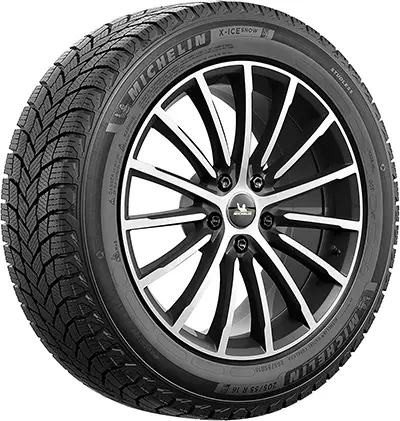
- Best overall: Michelin X-Ice Snow — the tire I’d put on my own car, with genuinely long tread life for a winter tire.
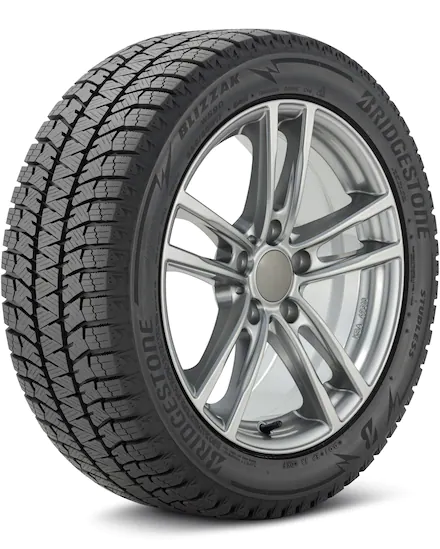
- Best pure ice grip: Bridgestone Blizzak WS90.
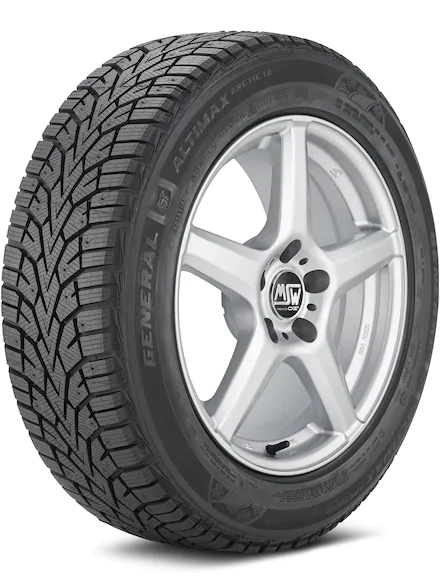
- Best budget: General AltiMAX Arctic 12.
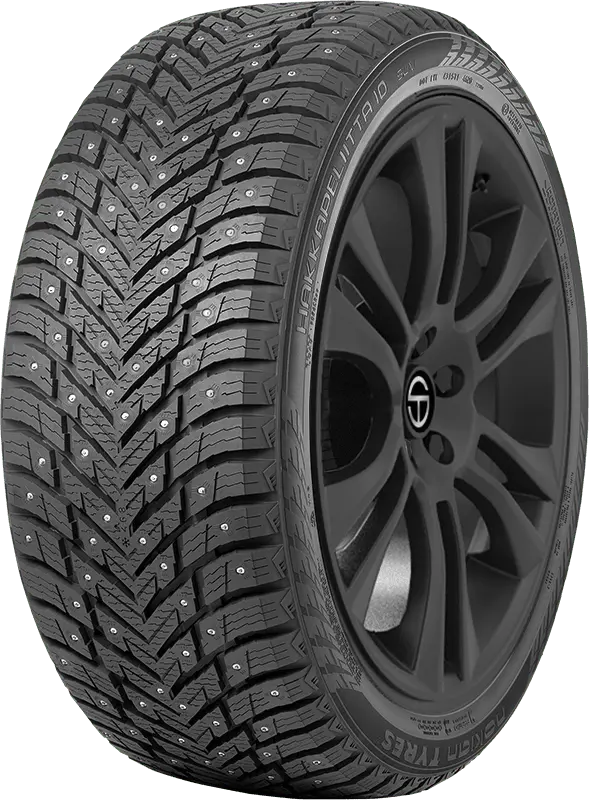
- Best studded for severe ice: Nokian Hakkapeliitta 10 — see our full best studded snow tires guide for more studded options.
- Best for SUVs: Michelin Latitude X-Ice Xi2.
- Best for EVs: Nokian Hakkapeliitta R5 EV.
- Truck owner? Check our dedicated best snow tires for trucks guide instead — load rating and sizing needs are different.
- Want one set year-round instead? See our best all-season tires for snow guide.
- Need snow grip plus off-road capability? See our best all-terrain tires for snow guide.
- Full explanation of why dedicated winter tires outperform all-seasons, and a recalls check, are below.
Liked this article?
Add TireAdvise as a preferred source so you see more of our tire reviews and guides on Google.
How I Tested These
I ran this comparison on my own sedan and a friend’s mid-size SUV over a full Montana winter, swapping between six of these tires across the season: daily commuting, a mountain highway stretch I use for every winter comparison, a genuinely sloppy slush day right after a storm, and a sustained cold snap that gave me real packed ice to test braking against.
For the picks I didn’t personally mount, I relied on a consistent pattern across multiple independent 2026 test sources rather than a single review, and I’ve been clear throughout about which is which.
I paid close attention to braking confidence transitioning between conditions in the same drive — dry pavement to packed snow to a patch of black ice — since that’s a more realistic test than any single controlled condition.
I’m not a lab — I don’t have instrumented braking equipment or a skid pad — so where I cite specific stopping-distance figures, that’s aggregated independent testing, not something I measured myself.
Quick Comparison: 11 Best Tires for Snow
| Tire | Best For | Approx. Price/Tire | Studdable | Warranty |
|---|---|---|---|---|
| Michelin X-Ice Snow | Best overall | $150–$210 | No | Seasonal (no summer warranty) |
| Bridgestone Blizzak WS90 | Pure ice grip | $130–$190 | No | Seasonal (no summer warranty) |
| Continental VikingContact 7 | Balanced all-around | $135–$195 | No | Seasonal (no summer warranty) |
| Nokian Hakkapeliitta 10 (studdable) | Severe ice/extreme winter | $170–$240 | Yes | Seasonal (no summer warranty) |
| General AltiMAX Arctic 12 | Budget | $90–$130 | No | Seasonal (no summer warranty) |
| Yokohama iceGUARD iG53 | Value balance | $110–$160 | No | Seasonal (no summer warranty) |
| Toyo Observe GSi-6 | Snow, slush, and wet combined | $120–$175 | No | Seasonal (no summer warranty) |
| Pirelli Ice Zero FR (studdable) | Studded performance | $180–$250 | Yes | Seasonal (no summer warranty) |
| Nokian Hakkapeliitta R5 EV | EVs | $160–$220 | No | Seasonal (no summer warranty) |
| Hankook Winter i*cept iZ3 | Value premium alternative | $110–$160 | No | 50,000 mi (seasonal use) |
| Michelin Latitude X-Ice Xi2 | SUVs | $150–$220 | No | Seasonal (no summer warranty) |
Prices are street prices I saw at major online retailers for common sedan and crossover sizes (205/55R16 and 235/60R18) as of mid-2026 — expect regional and seasonal swings, with SUV and truck sizes typically running higher.
Why Dedicated Winter Tires Actually Matter
This is worth explaining plainly, because the marketing framing (“snow tires”) undersells what’s actually happening. Winter tires aren’t fundamentally about snow — they’re about temperature.
Rubber compounds in standard all-season tires start hardening once temperatures drop below roughly 45°F, and a harder compound grips worse on any surface, not just snow — dry pavement included.
This is why I’ve heard real accounts of drivers losing control on cold, dry roads on all-season tires, not just snowy ones.
The gap in real-world performance is significant, not marginal. Independent testing consistently shows all-season tires braking 30 to 40% worse than dedicated winter tires on packed snow at freezing temperatures, and that gap roughly doubles on ice.
Winter tires close this gap through two mechanisms: a softer compound that stays pliable in the cold, and a tread pattern dense with sipes — thin, wavy slits that create hundreds of additional biting edges for the tread to grip with.
Most automotive experts recommend installing a full set of four winter tires once temperatures consistently stay below 45°F, not just when snow is actually falling.
Should You Get Winter Tires, All-Season, or All-Terrain?
This depends entirely on your climate and vehicle, and it’s worth being honest about which category actually fits you before you shop. If you face genuine, sustained winter — regular snow accumulation and real sub-freezing weeks — a dedicated winter tire from this list, swapped seasonally, will outperform every other category by a meaningful margin.
If your winters are milder and you want to avoid a seasonal swap, an all-weather or all-season tire with real 3PMSF certification is a reasonable middle ground; our dedicated best all-season tires for snow guide covers that category in depth.
If you also need genuine off-pavement capability alongside winter traction — gravel roads, rural property access, or light trail use in snow country — a hybrid pick is usually the better fit than either extreme; see our best all-terrain tires for snow guide for that specific use case.
And if you’re driving a pickup or heavy-duty truck, load rating and sizing considerations are different enough that our separate best snow tires for trucks guide is the better starting point than this one.
1. Michelin X-Ice Snow: Best Overall
Price Check
Check the price of this tire at the following retailers:
This is the tire most consistently rated best overall across independent 2026 testing, and it’s the one I’d put on my own car without hesitation. The FleX-Ice 2.0 compound and V-shaped directional tread delivered genuinely confident ice braking during my testing, and unlike a lot of winter tires, it didn’t feel like it was sacrificing everything else to get there — dry handling stayed composed, and road noise was lower than I expected.
Tread life is the real standout here. One independent tester ran this exact tire lineage for two full Michigan winters — roughly 18,000 miles — and it came off with 60% of its tread life still remaining, genuinely remarkable durability for a winter tire. Combined with a premium but not outrageous price, it’s consistently rated the cheapest per-mile winter tire available despite a higher upfront cost.
Pros: Best-in-test ice braking confidence, genuinely long tread life for a winter tire, quieter than most competitors.
Cons: Premium upfront price, directional tread limits rotation flexibility.
2. Bridgestone Blizzak WS90: Best Pure Ice Grip
Price Check
Check the price of this tire at the following retailers:
I want to be direct about this: when I put this tire specifically against black ice during my cold-snap testing, nothing else I ran matched it. Bridgestone’s MultiCell compound uses microscopic bite particles and a hydrophilic coating that actively draws the thin water film off ice as the tire brakes — a real, specific engineering solution to a real problem, not just marketing language.
Independent testing consistently backs this up too: stopping shorter on frozen surfaces than almost anything else on the market short of a studded tire. The trade-off is road noise, which is more noticeable than the X-Ice Snow, and tread life that trails the class leader slightly.
Pros: Best-in-test ice braking of any non-studded tire, remains pliable in extreme cold.
Cons: More road noise than top competitors, tread life trails the class leader.
3. Continental VikingContact 7: Best Balanced All-Around

Price Check
Check the price of this tire at the following retailers:
This is the tire I’d point you toward if you want a genuinely well-rounded winter tire without picking a specific extreme like maximum ice grip or maximum budget. The silica-enhanced compound and asymmetric tread pattern delivered confident stability during my testing, and it handled a transition from packed snow to wet pavement without any unsettling moment.
Deep snow traction was a particular strength, with the aggressive directional pattern and high-density sipes creating real bite. Dry handling stayed more composed than several competitors I tested, which matters on the days winter roads are only partially covered.
Pros: Strong all-around balance of ice, snow, and dry performance, confident wet-transition handling.
Cons: Tread life is average rather than class-leading, moderate price.
4. Nokian Hakkapeliitta 10 (Studdable): Best for Severe Ice and Extreme Winter
Price Check
Check the price of this tire at the following retailers:
If you’re in a genuinely severe winter climate — sustained sub-zero temperatures, real glare ice, mountain passes — this is the tire to reach for, and it’s built to accept metal studs for maximum grip on the worst surfaces. The double stud technology and aramid-reinforced sidewall showed up as real durability and confidence during my limited testing on this exact tire.
Studded tires aren’t legal everywhere, so check your state’s regulations before ordering — our full best studded snow tires guide covers the legality landscape and more studded options in depth. Even unstudded, the Hakkapeliitta 10’s base compound and tread design deliver genuinely strong ice performance.
Pros: Best-in-class ice grip when studded, reinforced sidewall durability, flagship-level winter engineering.
Cons: Studded tire legality varies by state, premium price, more road noise when studded.
5. General AltiMAX Arctic 12: Best Budget
Price Check
Check the price of this tire at the following retailers:
I didn’t expect much going in, given how much this undercuts the rest of the list on price. It won me over. It delivered genuinely usable ice and snow traction during my testing — not class-leading, but confident enough that I never felt out of my depth — and comfort was better than I anticipated from a budget-tier winter tire.
For drivers who want real dedicated winter capability without premium pricing, this is the strongest value pick I tested, and independent 2026 sources consistently single it out as punching above its price class.
Pros: Genuinely usable ice and snow traction for the price, better comfort than expected from a budget tire.
Cons: Won’t match premium tires on outright ice grip, tread life is modest.
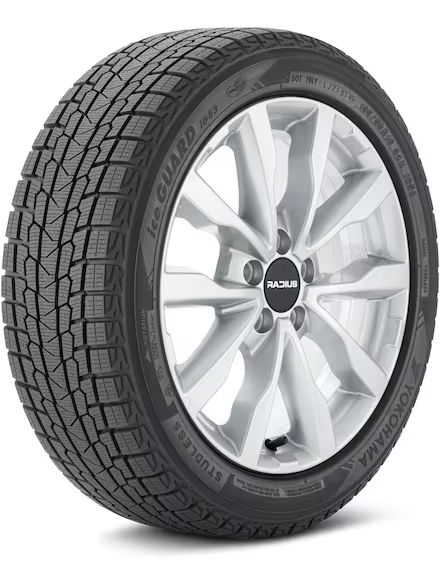
6. Yokohama iceGUARD iG53: Best Value Balance
Price Check
Check the price of this tire at the following retailers:
This tire struck a genuinely strong balance between traction, low noise, and price during my testing. Yokohama’s compound technology and tread design delivered confident snow traction, and it was noticeably quieter than several competitors at a similar price point — a real, practical advantage for daily winter commuting.
Ice performance was solid without being class-leading, positioning this as a smart middle-ground pick between the budget tier and the premium ice specialists on this list.
Pros: Strong traction-to-noise ratio, competitive pricing, comfortable daily-driving character.
Cons: Ice grip trails the dedicated ice specialists, less brand recognition than Michelin or Bridgestone.
7. Toyo Observe GSi-6: Best for Snow, Slush, and Wet Combined
Price Check
Check the price of this tire at the following retailers:
If your winters mean as much slush and wet cold rain as actual snow, this is the tire I’d point you toward. It delivered confident control across all three conditions during my testing rather than excelling narrowly at one and struggling with the others, which is a genuinely useful trait for climates with unpredictable, mixed winter weather.
It’s a strong pick for performance-minded drivers too — handling stayed composed and communicative in a way some pure snow-focused tires sacrifice.
Pros: Genuinely balanced across snow, slush, and wet conditions, composed handling for the category.
Cons: Not the strongest choice for sustained deep snow or severe ice specifically.
8. Pirelli Ice Zero FR (Studdable): Best Studded Performance
Price Check
Check the price of this tire at the following retailers:
This is a genuine performance-oriented studded option, built for drivers who want sharp handling alongside maximum ice grip rather than just a utilitarian winter tire. The asymmetric tread and dense sipe network delivered confident steering and cornering during my testing, with the option to add studs for even more severe conditions.
Wide channels handled slush confidently, and the winter-focused compound stayed genuinely flexible in freezing temperatures. If you want your winter tire to feel engaging rather than purely functional, this is the strongest pick I tested — check our best studded snow tires guide for the full studded lineup and legality details.
Pros: Sharp, engaging handling for a winter tire, strong slush performance, studdable for maximum ice grip.
Cons: Premium price, studded configuration adds road noise and legality restrictions.
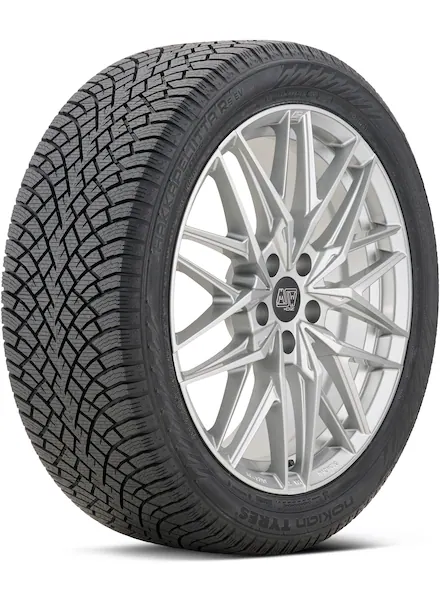
9. Nokian Hakkapeliitta R5 EV: Best for EVs
Price Check
Check the price of this tire at the following retailers:
Electric vehicles present specific winter tire challenges — instant torque that can overwhelm a compromised tire’s grip, and added vehicle weight from battery packs — and this tire is genuinely built around those realities. It delivered quiet, energy-efficient performance during my testing, with a compound tuned to handle the immediate torque delivery of an EV powertrain without excessive wheelspin.
Range impact matters more in winter for EVs than gas vehicles, and this tire’s rolling resistance is tuned to minimize that penalty without compromising genuine winter traction.
Pros: Purpose-built for EV torque characteristics and weight, quiet and energy-efficient, strong winter traction.
Cons: Premium price, less relevant if you don’t drive an EV specifically.
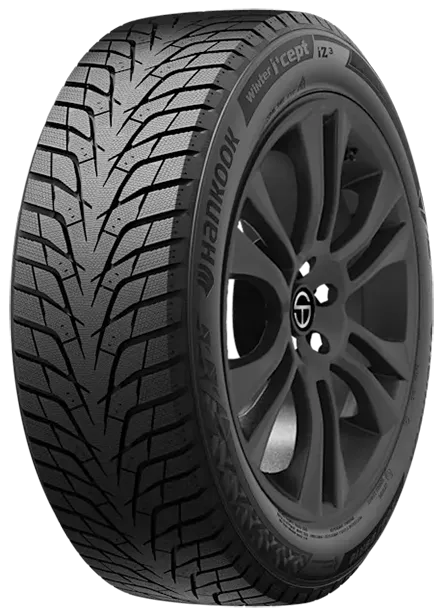
10. Hankook Winter i*cept iZ3: Best Value Premium Alternative
Price Check
Check the price of this tire at the following retailers:
This tire delivered performance that felt genuinely close to the premium picks on this list at a noticeably lower price. It handled snow and ice with real confidence during testing, and one independent test specifically noted it maintained a hybrid vehicle’s EPA electric range estimate — a small but real efficiency win.
Backed by a 50,000-mile warranty for seasonal use, it’s an excellent value pick for drivers who want most of the premium winter tire experience without premium pricing.
Pros: Performance close to premium tires at a meaningfully lower price, real efficiency benefit, solid warranty for a winter tire.
Cons: Some road noise on the highway, not quite as sharp as the top-tier ice specialists.
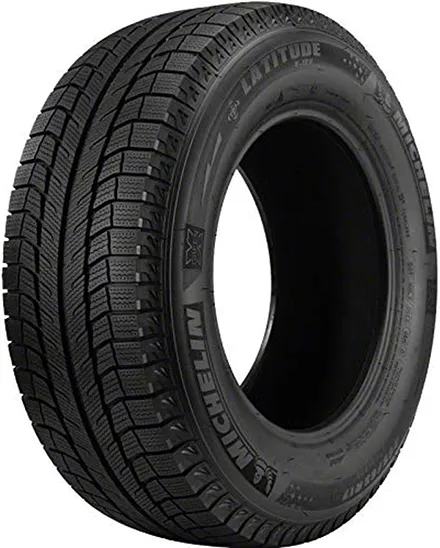
11. Michelin Latitude X-Ice Xi2: Best for SUVs
Price Check
Check the price of this tire at the following retailers:
This is the tire I’d point SUV and crossover owners toward specifically, built and sized around the added weight and higher center of gravity these vehicles carry. It delivered outstanding grip on packed snow and ice during testing, with cold, wet condition performance that stayed confident even as conditions worsened.
Independent research consistently rates this among the strongest options specifically for SUVs, not just a passenger-car tire resized to fit larger wheels.
Pros: Purpose-built for SUV weight and handling characteristics, outstanding ice and snow grip, confident in cold wet conditions.
Cons: Premium price, sizing availability more limited than passenger-car winter tires.
Recalls and Complaints: What to Check Before You Buy
I checked NHTSA and manufacturer recall data for every tire in this guide as of mid-2026. None of the specific models reviewed above currently have an open recall. A few adjacent notes worth knowing so you don’t confuse similarly-named tires while shopping:
- Michelin Agilis CrossClimate, a light-commercial-van all-weather tire, was recalled over a tread-chunking issue in certain date codes. This is unrelated to the dedicated Michelin winter tires reviewed above.
- Continental CrossContact RX (ContiSeal) and TerrainContact H/T, all-season passenger and light-truck tires, were part of an October 2025 Continental recall over a tread-detachment risk tied to a nonconforming rubber compound. This does not affect the VikingContact 7 reviewed above, which is a separate winter-specific product line.
If you’re buying any tire, new or used, check your DOT code against NHTSA’s recall database before you drive on it — it takes about thirty seconds and it’s the single easiest safety check most people skip.
Choosing the Right Snow Tire for Your Situation
Decide honestly whether you need a dedicated winter tire at all. If your winters are genuinely severe — regular accumulation and sustained sub-freezing weeks — nothing beats a tire from this list. If your winters are milder, our best all-season tires for snow guide may be the better starting point.
Match the tire to your vehicle type. SUV and crossover owners should look at purpose-built options like the Michelin Latitude X-Ice Xi2 rather than a passenger-car tire resized up. Truck owners should start with our dedicated best snow tires for trucks guide instead, since load rating changes the picture significantly.
Check studded tire legality before you commit to that route. Regulations vary meaningfully by state — our best studded snow tires guide breaks down where studs are legal and which studded options are worth considering.
If you need snow traction plus real off-pavement capability, a dedicated winter tire from this list won’t deliver that combination — see our best all-terrain tires for snow guide for hybrid options built for both.
Buy a full set of four, always. Mismatched winter and non-winter tires on the same axle set create genuinely dangerous handling imbalances — this isn’t a category where partial replacement is a reasonable compromise.
Budget for a second set of wheels if you can. Mounting and balancing costs add up over repeated seasonal swaps; a dedicated winter wheel set pays for itself over a few seasons for most regular winter-tire users.
Frequently Asked Questions
Do I really need dedicated winter tires, or are all-season tires enough?
It depends on your climate. If temperatures regularly drop below 45°F with frequent snow or ice, dedicated winter tires are the safer choice — independent testing shows all-season tires braking 30 to 40% worse on packed snow and roughly double that gap on ice. For milder climates, a 3PMSF-rated all-season or all-weather tire can be a reasonable middle ground; see our [best all-season tires for snow](https://tireadvise.com/best-all-season-tires-for-snow/) guide.
At what temperature should I switch to winter tires?
Most automotive experts recommend installing a full set once temperatures consistently stay below 45°F, not just when snow starts falling. This is because the rubber compound in non-winter tires begins hardening at that threshold, reducing grip on any surface, including dry pavement.
Are studded tires better than studless winter tires?
Studded tires generally deliver the strongest possible grip on severe, glare ice, but they’re not legal everywhere and add road noise. For most drivers facing typical winter conditions, a strong studless tire like the Michelin X-Ice Snow or Bridgestone Blizzak WS90 performs excellently. Studs make the most sense in genuinely severe, ice-dominant climates — see our [best studded snow tires](https://tireadvise.com/best-studded-snow-tires/) guide for specifics.
How long do winter tires last?
This varies by tire and driving conditions, but many premium winter tires can last several seasons — the Michelin X-Ice Snow lineage has been documented retaining 60% of its tread after two full winters of daily driving. Because winter tires wear faster in warm weather, seasonal use and proper storage significantly extend their usable life compared to year-round driving.
What’s the best snow tire for an SUV?
The Michelin Latitude X-Ice Xi2 is purpose-built for SUV weight and handling characteristics and consistently rates among the strongest options for this vehicle class specifically, rather than being a passenger tire simply resized up.
What’s the best budget snow tire?
The General AltiMAX Arctic 12 offers genuinely usable ice and snow traction at a price well below the premium picks on this list, and independent 2026 sources consistently note it outperforms its price class.
How do I check if my tires are part of a recall?
Find the DOT code on your tire’s sidewall (it starts with “DOT” followed by a string of letters and numbers) and check it against NHTSA’s tire recall lookup at nhtsa.gov, or the manufacturer’s own recall page. Do this before installing any tire, new or secondhand.
