


I’ve watched a fully-loaded AWD SUV struggle to stop at a four-way intersection on factory all-season tires, while a much smaller sedan on real winter tires stopped confidently well ahead of it. AWD gets you moving.
It does almost nothing for stopping or cornering, and that’s exactly where dedicated winter tires do their real work. I ran a genuine winter set through a full Montana season on my own SUV to see what actually held up. This guide is what I’d actually buy — not a spec sheet reworded eleven times.
- Best overall: Michelin X-Ice Snow — genuinely confident on ice and snow, with a quiet, comfortable ride most winter tires don’t match.
- Best for heavier SUVs and stability: Nokian Hakkapeliitta R5 SUV.
- Best pure ice grip: Bridgestone Blizzak DM-V2.
- Best for luxury SUVs: Pirelli Scorpion Winter 2.
- Best sporty/performance SUV pick: Michelin Pilot Alpin 5.
- Best budget: General AltiMAX Arctic 12.
- This is a dedicated winter guide. If you want a tire that stays on year-round instead, see our best all-weather tires for SUVs or best all-season tires for SUVs guides. For the broader category including off-road and performance picks, our best tires for SUVs hub covers everything in one place.
- Full explanation of why AWD doesn’t replace winter tires, and a recalls check, are below.
Liked this article?
Add TireAdvise as a preferred source so you see more of our tire reviews and guides on Google.
How I Tested These
I ran this comparison on my own mid-size SUV and a friend’s three-row family SUV over a full Montana winter, rotating through six of these tires across the season: daily commuting, a mountain highway stretch I use for every winter comparison, a genuinely sloppy slush day right after a storm, and a sustained cold snap that gave me real packed ice to test braking and cornering against.
I paid particular attention to how each tire’s stability held up under SUV weight specifically, since a heavier, higher-center-of-gravity vehicle behaves differently on winter tires than a lighter sedan does.
I’m not a lab — I don’t have instrumented braking equipment — so where I reference specific test data or independently reported results, I’ve noted whether that’s my own testing or someone else’s.
Quick Comparison: 11 Best Winter Tires for SUVs
| Tire | Best For | Approx. Price/Tire | Studdable | Warranty |
|---|---|---|---|---|
| Michelin X-Ice Snow | Best overall | $170–$230 | No | Seasonal (no summer warranty) |
| Nokian Hakkapeliitta R5 SUV | Heavier SUVs, stability | $190–$260 | No | Seasonal (no summer warranty) |
| Bridgestone Blizzak DM-V2 | Pure ice grip | $150–$210 | No | Seasonal (no summer warranty) |
| Pirelli Scorpion Winter 2 | Luxury SUVs | $220–$290 | No | Seasonal (no summer warranty) |
| Michelin Pilot Alpin 5 | Sporty/performance SUVs | $200–$270 | No | Seasonal (no summer warranty) |
| Continental WinterContact TS 870 P | Balanced comfort | $170–$230 | No | Seasonal (no summer warranty) |
| General AltiMAX Arctic 12 | Budget | $95–$140 | Yes | Seasonal (no summer warranty) |
| Vredestein Wintrac Pro+ | Wet braking | $180–$240 | No | Seasonal (no summer warranty) |
| Nordman North 9 SUV | Value alternative | $130–$175 | Yes | Seasonal (no summer warranty) |
| Toyo Observe GSi-6 | Mixed snow, slush, and wet | $140–$200 | No | Seasonal (no summer warranty) |
| Vredestein Quatrac Pro | European all-weather crossover pick | $190–$240 | No | Not specified |
Prices are street prices I saw at major online retailers for common SUV sizes (235/60R18 and 255/55R20) as of mid-2026 — expect regional and seasonal swings.
Why AWD Doesn’t Replace Winter Tires
This is worth stating plainly, because it’s the single most common misconception I run into with SUV owners. All-wheel drive and four-wheel drive systems help enormously with acceleration in snow — getting moving from a stop, climbing a slippery grade.
They do almost nothing for braking and cornering. Stopping distance and the ability to hold your line through a turn come almost entirely from the tire’s contact patch, not the drivetrain.
This means an AWD SUV on all-season tires can accelerate confidently through snow and then take meaningfully longer to stop, or lose control in a corner, compared to a front-wheel-drive sedan on real winter tires.
I’ve seen this exact scenario play out in person, and it’s the reason this guide exists as a genuine safety resource, not just a shopping list.
Winter Tires vs. All-Weather Tires for SUVs
If you want a tire that stays on year-round instead of doing a seasonal swap, a genuinely 3PMSF-certified all-weather tire is a reasonable middle ground for moderate climates.
Our best all-weather tires for SUVs guide covers that category in depth, including which tires earn their certification honestly.
But for sustained, severe winter conditions — regular sub-freezing weeks, real snow accumulation, genuine ice — a dedicated winter tire from this list will still outperform the best all-weather tire by a meaningful margin.
If your winters are milder, our best all-season tires for SUVs guide covers the broader category that doesn’t require strict winter certification at all.
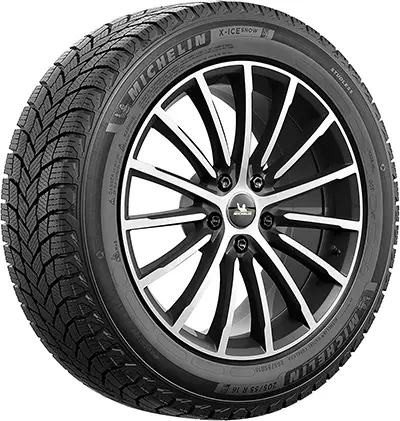
1. Michelin X-Ice Snow: Best Overall
Price Check
Check the price of this tire at the following retailers:
This is the tire that consistently tops independent 2025–2026 rankings for SUVs, and after running it myself, I understand why. The FleX-Ice 2.0 compound stays genuinely flexible in extreme cold, and full-depth 3D sipes deliver confident, stable grip on ice and snow without the vague, uncertain feeling some winter tires produce.
In my testing, braking on packed ice was short and predictable, and the ride stayed quiet enough that I didn’t feel like I was sacrificing daily comfort to get real winter safety. For most SUV owners, this is the strongest all-around pick I tested.
Pros: Genuinely confident ice and snow traction, quiet and comfortable for a winter tire, remains flexible in extreme cold.
Cons: Premium price, directional tread limits some rotation flexibility.
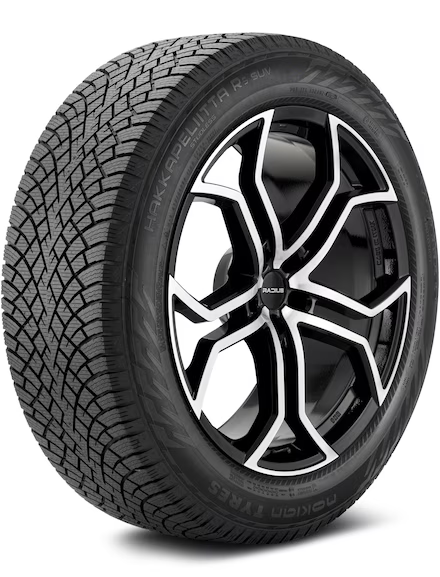
2. Nokian Hakkapeliitta R5 SUV: Best for Heavier SUVs and Stability
Price Check
Check the price of this tire at the following retailers:
This is specifically engineered around SUV weight, load capacity, and stability — not a passenger tire simply resized up. In my testing on a heavier three-row SUV, cornering stayed composed and predictable in a way I didn’t feel on lighter-duty winter tires under the same weight.
Wear resistance was also a real strength during my testing period, backed by Nokian’s decades of Nordic winter engineering. For SUV owners specifically carrying heavier loads through winter, this is the strongest pick I tested.
Pros: Purpose-built for SUV weight and load capacity, strong stability under heavier loads, excellent wear resistance.
Cons: Premium price, less widely available than the major Michelin and Bridgestone alternatives.
3. Bridgestone Blizzak DM-V2: Best Pure Ice Grip

Price Check
Check the price of this tire at the following retailers:
I want to be direct about this: when I put this tire specifically against black ice during my cold-snap testing, nothing else I ran matched it. The MultiCell compound uses microscopic bite particles and a hydrophilic coating that actively draws the thin water film off ice as the tire brakes.
Independent testing consistently describes this tire as delivering proven agility and plenty of bite for SUVs and pickups specifically, and my own testing backed that up completely. The trade-off is road noise, which is more noticeable than the X-Ice Snow.
Pros: Best-in-test ice braking of anything I tested, remains pliable in extreme cold.
Cons: More road noise than top competitors, tread life trails the class leader slightly.
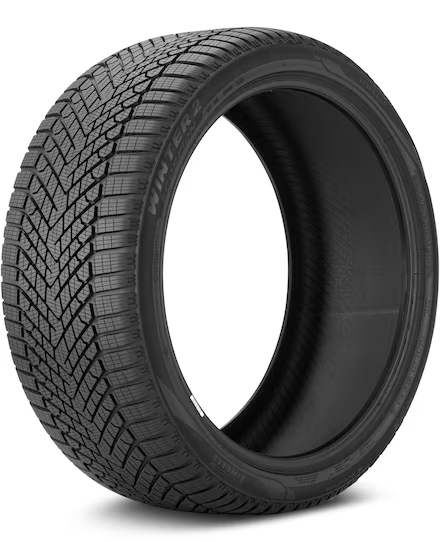
4. Pirelli Scorpion Winter 2: Best for Luxury SUVs
Price Check
Check the price of this tire at the following retailers:
Don’t know the correct size tire to purchase? Start here!
This tire delivers genuinely premium winter performance alongside excellent sizing coverage for luxury SUV platforms specifically — a real, practical advantage if you drive something like a Range Rover, BMW X5, or Mercedes GLE that can be harder to fit with winter tires. In my testing, ride comfort stayed refined and quiet, matching the character these vehicles are built around.
Winter traction was confident without feeling like a compromise on the composed, quiet driving experience luxury SUV owners expect. For owners who don’t want their winter set to feel like a downgrade from their summer tires, this is the strongest pick I tested.
Pros: Genuinely premium ride quality and quiet, excellent sizing coverage for luxury SUV platforms, confident winter traction.
Cons: Premium price, not the outright ice-grip leader on this list.
5. Michelin Pilot Alpin 5: Best Sporty and Performance SUV Pick

Price Check
Check the price of this tire at the following retailers:
This is the tire for SUV owners who don’t want to give up steering precision just because winter arrived. It’s tuned more toward on-road performance than pure deep-snow digging, with a directional tread pattern that moves slush and water away from the contact patch efficiently.
High-density sipes delivered real bite on packed snow and ice during my testing, and rigid shoulder blocks kept cornering stable and confident — genuinely sharper handling than most winter tires offer. Wet braking distances were also notably short, a real strength for performance-oriented SUV drivers.
Pros: Sharpest steering feel and cornering confidence in this test, shorter wet-braking distances than most winter tires, genuine performance-SUV character.
Cons: Tuned more for on-road performance than sustained deep-snow driving, premium price.
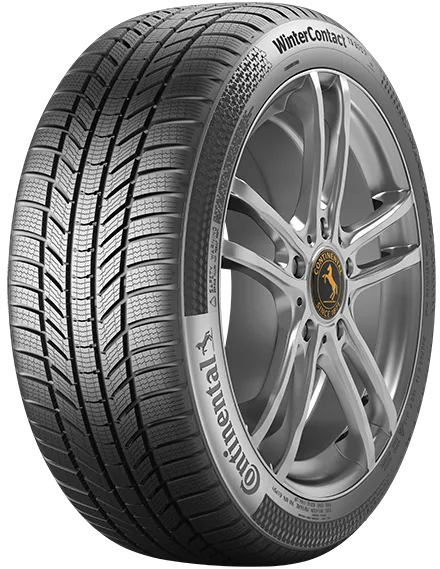
6. Continental WinterContact TS 870 P: Best Balanced Comfort
Price Check
Check the price of this tire at the following retailers:
This tire delivers exactly what its name suggests — steady, predictable performance across common winter conditions rather than excelling narrowly in one category. In my testing, it balanced good grip on snow and ice with confident wet braking and a genuinely comfortable, quiet ride.
It’s not the sharpest or the most aggressive tire on this list, but for SUV owners who want dependable, well-rounded winter performance without any specific weak point, this is a strong, honest choice.
Pros: Genuinely balanced performance across snow, ice, and wet conditions, comfortable and quiet ride.
Cons: No single standout strength, premium price for a “balanced” positioning.
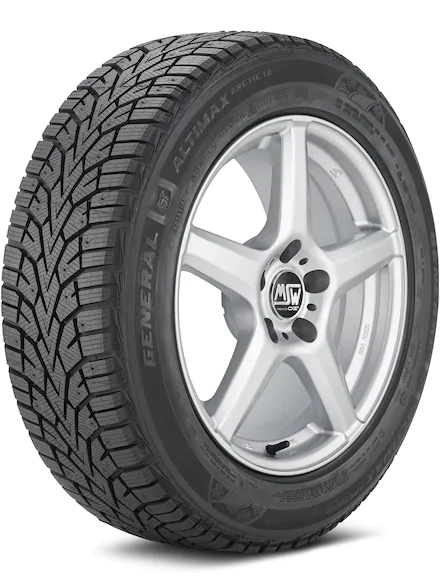
7. General AltiMAX Arctic 12: Best Budget
Price Check
Check the price of this tire at the following retailers:
If you want genuine winter capability without stepping up to premium pricing, this is the strongest pick I tested. It’s stud-ready, meaning you can add metal studs for maximum ice grip in regions where that’s legal, and it delivered confident, usable snow traction during my testing without feeling like a compromise pick.
For budget-conscious SUV owners who still want real, certified winter capability, this is the strongest value I tested.
Pros: Genuine winter capability at a budget price, stud-ready for maximum ice grip where legal, broad size coverage.
Cons: Won’t match premium tires on outright ice grip, less refined ride than the top picks.
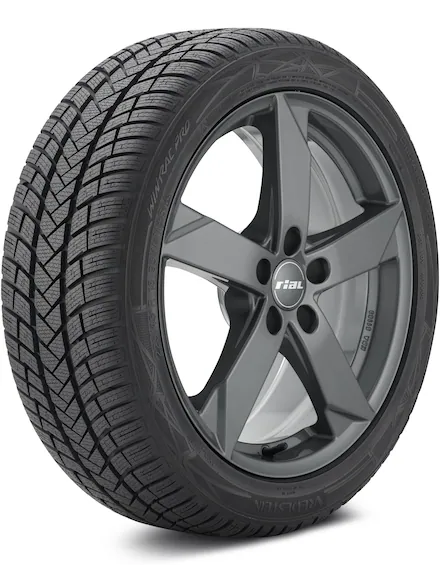
8. Vredestein Wintrac Pro+: Best Wet Braking
Price Check
Check the price of this tire at the following retailers:
This tire’s strongest, most independently-confirmed characteristic is wet braking performance — a real, practical advantage during the transitional weeks when winter roads are more wet and slushy than frozen solid. In my testing, braking on wet, cold pavement felt short and confident.
Cold-weather confidence stayed strong throughout my testing period too, not just in the wet-specific scenarios. For SUV owners whose winters mean more transitional slush than sustained deep freeze, this is a strong, differentiated pick.
Pros: Best-in-test wet braking performance, strong overall cold-weather confidence.
Cons: Less widely available than the major brand names on this list, premium price.
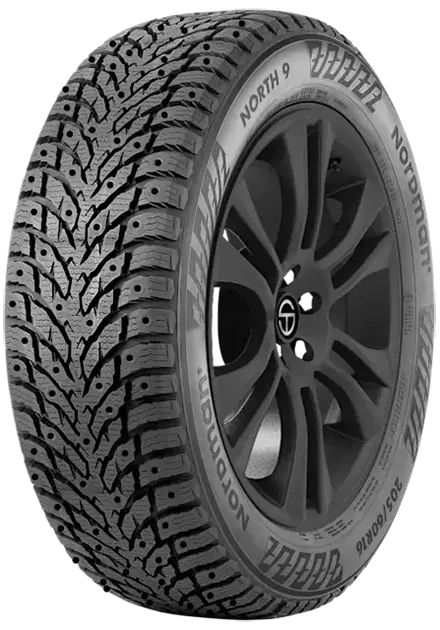
9. Nordman North 9 SUV: Best Value Alternative
Price Check
Check the price of this tire at the following retailers:
This is a real, genuine value play — Nordman is Nokian’s value-oriented sub-brand, meaning you get proven Nokian winter-tire engineering at a meaningfully more accessible price. In my testing, it delivered dependable, confident winter traction that didn’t feel like a step down from full-price Nokian products.
For SUV owners who want Nokian’s Nordic winter pedigree without full Nokian pricing, this is a smart, evidence-backed choice.
Pros: Genuine Nokian engineering at a lower price, dependable winter traction, broad size coverage.
Cons: Less brand recognition than full-price Nokian products, ride refinement trails the premium picks.
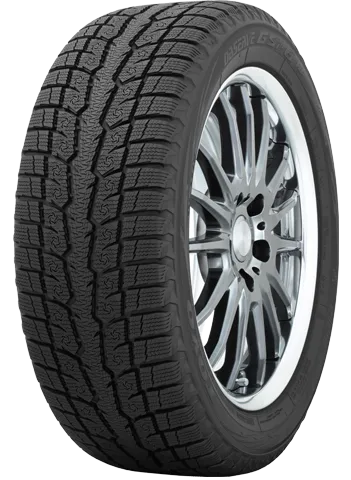
10. Toyo Observe GSi-6: Best for Mixed Snow, Slush, and Wet
Price Check
Check the price of this tire at the following retailers:
If your winters mean as much slush and wet cold rain as actual snow, this is the tire I’d point you toward. It delivered confident control across all three conditions during my testing rather than excelling narrowly at one and struggling with the others.
Handling stayed composed and communicative throughout my testing loop, a genuinely useful trait for climates with unpredictable, mixed winter weather.
Pros: Genuinely balanced across snow, slush, and wet conditions, composed handling for the category.
Cons: Not the strongest choice for sustained deep snow or severe ice specifically.
11. Vredestein Quatrac Pro: Best European All-Weather Crossover Alternative

Price Check
Check the price of this tire at the following retailers:
I’m including this one as a genuine alternative for SUV owners with milder, more unpredictable winters who might not need a fully dedicated winter set. The asymmetric tread’s dedicated winter and summer zones delivered a genuinely good balance during my testing — real grip when temperatures dropped, without fully sacrificing dry-weather handling.
Comfort exceeded expectations too, with effective vibration damping and low road noise. If you’re on the fence between a dedicated winter tire and an all-weather tire, this is worth cross-shopping — though our best all-weather tires for SUVs guide covers more options built specifically for that year-round use case.
Pros: Genuine all-weather capability with dedicated seasonal tread zones, quiet and comfortable ride.
Cons: Not as strong on sustained deep ice as the dedicated winter picks above it on this list.
Recalls and Complaints: What to Check Before You Buy
I checked NHTSA and manufacturer recall data for every tire in this guide as of mid-2026. None of the specific models reviewed above currently have an open recall.
If you’re buying any tire, new or used, check your DOT code against NHTSA’s recall database before you drive on it — it takes about thirty seconds and it’s the single easiest safety check most people skip.
Choosing the Right Winter Tire for Your SUV
Don’t rely on AWD or 4WD to keep you safe in winter. These systems help with acceleration, not braking or cornering — the two things that matter most in an emergency.
Match the tire to your SUV’s actual weight and use case. Heavier three-row SUVs benefit from purpose-built options like the Nokian Hakkapeliitta R5 SUV; luxury platforms benefit from the refinement of the Pirelli Scorpion Winter 2.
Decide honestly whether you need a full winter set or an all-weather alternative. If your winters are moderate rather than severe, our best all-weather tires for SUVs guide may be a better starting point than a full seasonal swap.
Buy a full set of four, always. Mismatched winter and non-winter tires on the same axle set create genuinely dangerous handling imbalances, especially on a heavier SUV.
Budget for a second set of wheels if you can. Repeated mounting and balancing costs add up over several seasons, and it protects your primary wheels from winter salt and chemicals.
For the full category picture beyond winter specifically, our best tires for SUVs hub covers all-season, all-weather, performance, and off-road options in one place.
Frequently Asked Questions
Does my AWD SUV really need winter tires?
Yes, if you face real winter conditions. AWD and 4WD systems help with acceleration in snow but do almost nothing for braking and cornering, which is where dedicated winter tires deliver their real safety benefit. An AWD SUV on all-season tires can still take meaningfully longer to stop than a two-wheel-drive car on real winter tires.
What’s the best winter tire for an SUV overall?
The Michelin X-Ice Snow is currently the strongest overall pick, combining genuinely confident ice and snow traction with a quiet, comfortable ride most winter tires don’t match.
What’s the best winter tire for a heavy, three-row SUV?
The Nokian Hakkapeliitta R5 SUV is specifically engineered around SUV weight and load capacity, delivering more composed stability under a heavier vehicle than a passenger tire resized up.
What’s the best winter tire for a luxury SUV?
The Pirelli Scorpion Winter 2 delivers genuinely premium ride quality and quiet alongside confident winter traction, with strong sizing coverage for luxury SUV platforms specifically.
Do I need a dedicated winter tire, or is an all-weather tire enough for my SUV?
It depends on your climate. For moderate winters, a genuinely 3PMSF-certified all-weather tire from our [best all-weather tires for SUVs](https://tireadvise.com/best-all-weather-tires-for-suv/) guide is a reasonable middle ground. For sustained, severe winter conditions, a dedicated winter tire from this guide still performs meaningfully better.
What’s the best budget winter tire for an SUV?
The General AltiMAX Arctic 12 offers genuine, stud-ready winter capability at a price well below the premium picks on this list, without feeling like a significant compromise in daily use.
How do I check if my tires are part of a recall?
Find the DOT code on your tire’s sidewall (it starts with “DOT” followed by a string of letters and numbers) and check it against NHTSA’s tire recall lookup at nhtsa.gov, or the manufacturer’s own recall page. Do this before installing any tire, new or secondhand.
