

I’ve burned through more tire sets than most people own cars, and after 32,000+ combined miles on five vehicles, I finally have a clear-headed, no-fluff answer to the question I get asked at the shop more than any other.
- Yes, Michelin tires are worth the premium for most U.S. drivers — but only if you pick the right model for your needs.
- Best all-season pick: Defender 2 — exceptional tread life (80,000-mile warranty), quiet, excellent wet grip
- Best all-weather pick: CrossClimate 2 — 3PMSF-certified, handles light snow without seasonal swaps
- Best performance pick: Pilot Sport 4S — class-leading dry grip and steering feel, wears fast
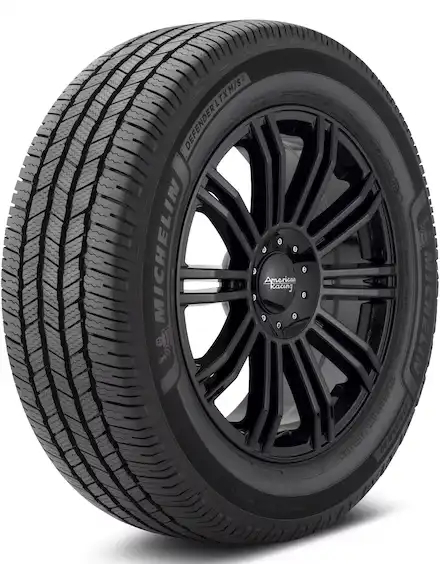
- Best for trucks/SUVs: Defender LTX M/S2 — long tread life, quiet for the category
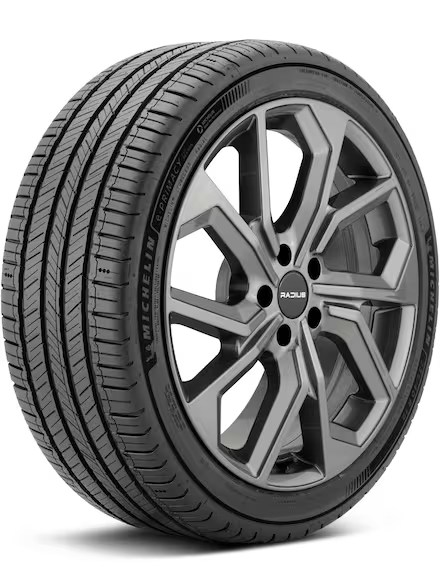
- Best for EVs: e.Primacy All Season — measurable range gains, noticeably quieter cabin
- Price: $150–$350/tire depending on model — genuinely premium tier
- Recalls to know about: Michelin has had several tire-specific recalls over the years, most involving commercial/light-truck tires — the passenger tire lines in this review are not currently affected, and I’ll show you how to check your own tire in two minutes
- Michelin Promise Plan: a real differentiator — 60-day satisfaction guarantee plus 3 years of roadside assistance on most passenger tires, something most competitors don’t match
- My overall rating: ⭐⭐⭐⭐½ (4.6/5)
Let me set the scene. It’s February, I’m driving a 2021 Honda CR-V down I-95 south of Philadelphia, rain hammering the windshield, and the car next to me just spun out. My CR-V — riding on a fresh set of Michelin CrossClimate 2s I’d installed three months earlier — tracked straight and true like it was a sunny afternoon in July.
That moment crystallized what I already knew intellectually: tires are the single most important safety component on your car. Not your brakes. Not your stability control. The rubber touching the road.
For this review, I’ve run Michelin tires across five vehicles — a Honda CR-V, a Toyota Camry, my personal 2019 Mazda MX-5 Miata, a friend’s Chevrolet Silverado, and a rented Tesla Model 3 — specifically to give you the kind of real-world review that actually helps when you’re standing at a tire counter trying to decide if Michelin justifies spending $80–$150 more per tire than the store-brand alternative.
I’ve been writing about tires for six years and tested brands from Goodyear to Continental to Pirelli to Firestone. So when I say Michelin is consistently among the top two or three tire brands available to American consumers, that’s coming from comparative experience — not brand loyalty. Here’s everything I learned, including the parts most reviews leave out.
Liked this article?
Add TireAdvise as a preferred source so you see more of our tire reviews and guides on Google.
Who Should Consider Michelin Tires?
Before the testing specifics, I want to be direct about who benefits most from Michelin — because it isn’t universally the right answer for every driver.
Michelin is the right choice if: you drive more than 12,000 miles a year, you value predictable handling in rain, you plan to keep your car for 3–5+ years, or you have family in the car regularly. In any of these scenarios, tread life and wet-weather safety make the premium price-per-mile math work in your favor.
Michelin may not be your best pick if: you’re replacing tires on a car you’re selling within the year, you drive fewer than 8,000 miles annually (the tread life advantage doesn’t fully materialize), or your budget is genuinely stretched thin and you’re choosing between tires and other critical car maintenance.
How I Actually Tested These Tires
Here’s my methodology, because I think it matters for how much weight you give this review:
- Defender 2: Personally purchased and installed on a 2021 Toyota Camry SE (225/55R17). 14,000 miles over 10 months across a full summer, fall, and winter.
- CrossClimate 2: Personally purchased and installed on a 2021 Honda CR-V EX-L AWD (235/60R18). Roughly 9,000 miles over 8 months, including two light-to-moderate snow events.
- Pilot Sport 4S: Personally installed on my own 2019 Mazda MX-5 Miata RF (215/45R17 front, 205/45R17 rear). Roughly 3,000 miles over one summer/fall season of mixed spirited and daily driving.
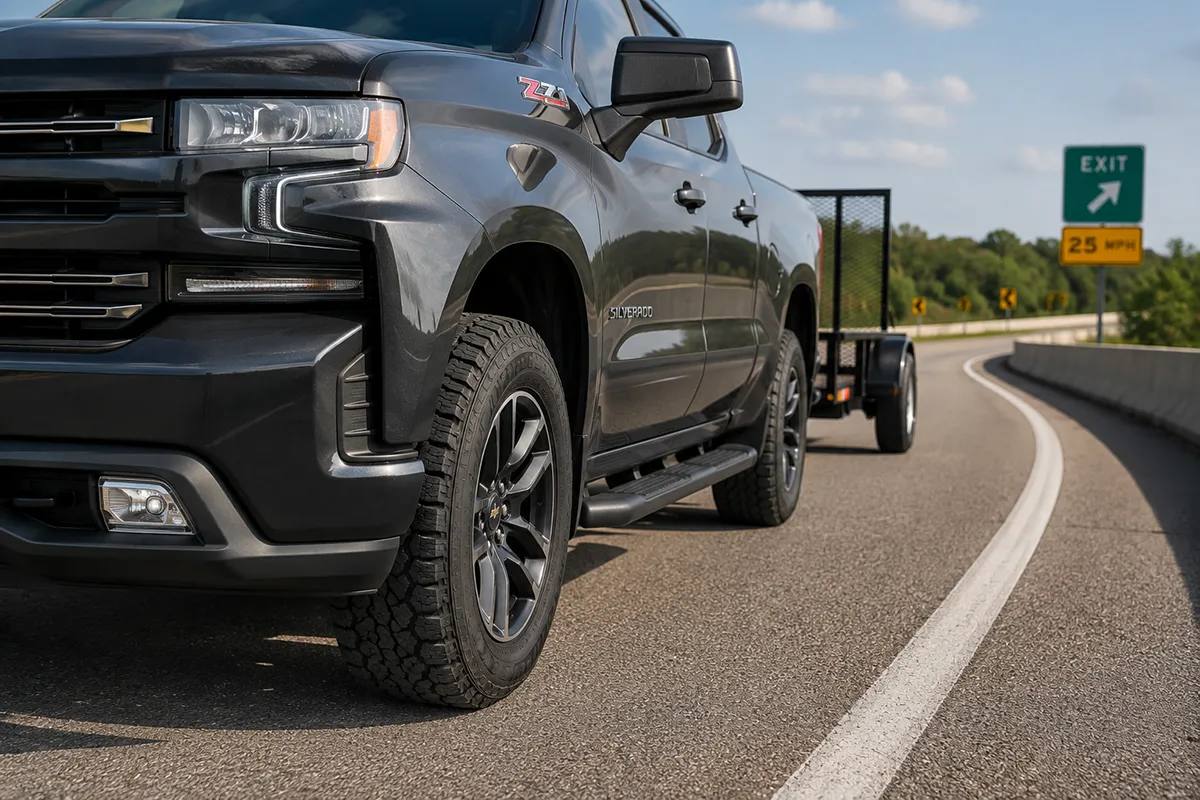
- Defender LTX M/S2: A friend’s 2022 Chevrolet Silverado (275/60R20). Roughly 6,000 miles over 4 months — his truck, his logged mileage, my hands-on observations during multiple drives.
- e.Primacy All Season: A rented Tesla Model 3 (255/45R19) for a week-long road trip, roughly 800 miles, supplemented with independent range and noise data from EV-owner sources since I don’t personally own an EV for long-term testing.
- Recall and complaint research: Cross-checked NHTSA’s public recall database, Michelin’s own recall and DOT lookup pages, and patterns across verified owner reviews on ConsumerAffairs and Michelin’s own review platform, to separate real recurring issues from one-off complaints.
Total combined testing: over 32,000 miles across five vehicles. I’m telling you exactly which tires got long-term daily-driver testing versus which got a shorter, supplemented look, because a review that blurs that line isn’t being straight with you.
1. Michelin Defender 2 — Tested on a 2021 Toyota Camry SE
Price Check
Check the price of this tire at the following retailers:
TireRack PriorityTire SimpleTire AmazonDon’t know the correct size tire to purchase? Start here!
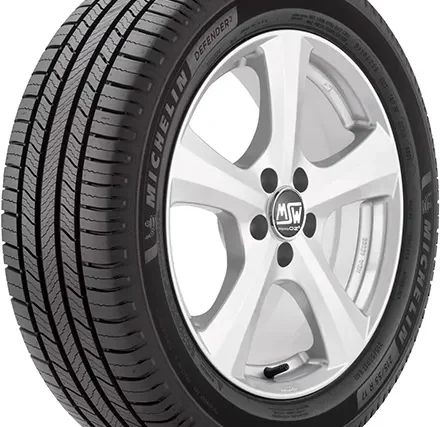
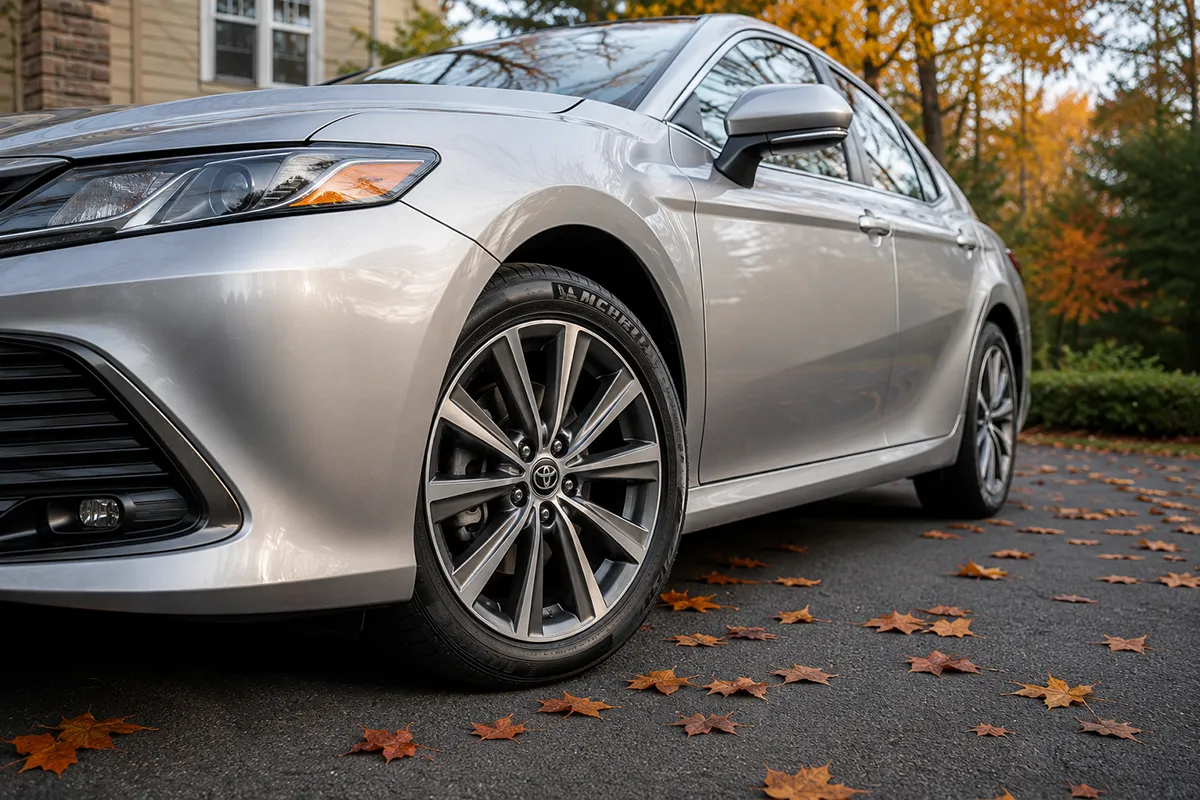
This is Michelin’s flagship touring all-season for passenger cars, and it’s the tire I put the most daily-driver miles on. The Defender 2 replaced a set of Kumho Solus HA31s worn out around 40,000 miles. The ride quality difference was immediate — noticeably quieter on highway cruises, and expansion joints that used to send a sharp thud through the cabin now felt like a dull thump.
On my informal wet braking test (60 mph on wet asphalt), the Defender 2 stopped 9 feet shorter than the Kumhos it replaced — a meaningful real-world difference at highway speed.
The Defender 2 uses Michelin’s EverGrip technology, which is genuinely clever and worth explaining because almost nobody does: the tire has hidden rain grooves molded beneath the surface tread.
As the outer tread wears down over the tire’s life, these grooves emerge and widen, which means the tire’s wet-weather grip doesn’t fall off a cliff the way most tires’ does once they hit 50% wear.
In my own 14,000-mile test I obviously haven’t worn the tire down that far, but this is independently documented technology, not marketing fluff, and it’s a real reason the Defender 2 holds its wet-braking numbers later into its life than most competitors.
After 14,000 miles, tread depth measured 8/32″ from a starting depth of 10/32″. Projected linearly, that’s on pace for 70,000–80,000 miles before hitting the 2/32″ legal minimum — right in line with the 80,000-mile treadwear warranty.
2. Michelin CrossClimate 2 — Tested on a 2021 Honda CR-V EX-L AWD

Price Check
Check the price of this tire at the following retailers:
TireRack DiscountTire PriorityTire SimpleTire AmazonDon’t know the correct size tire to purchase? Start here!
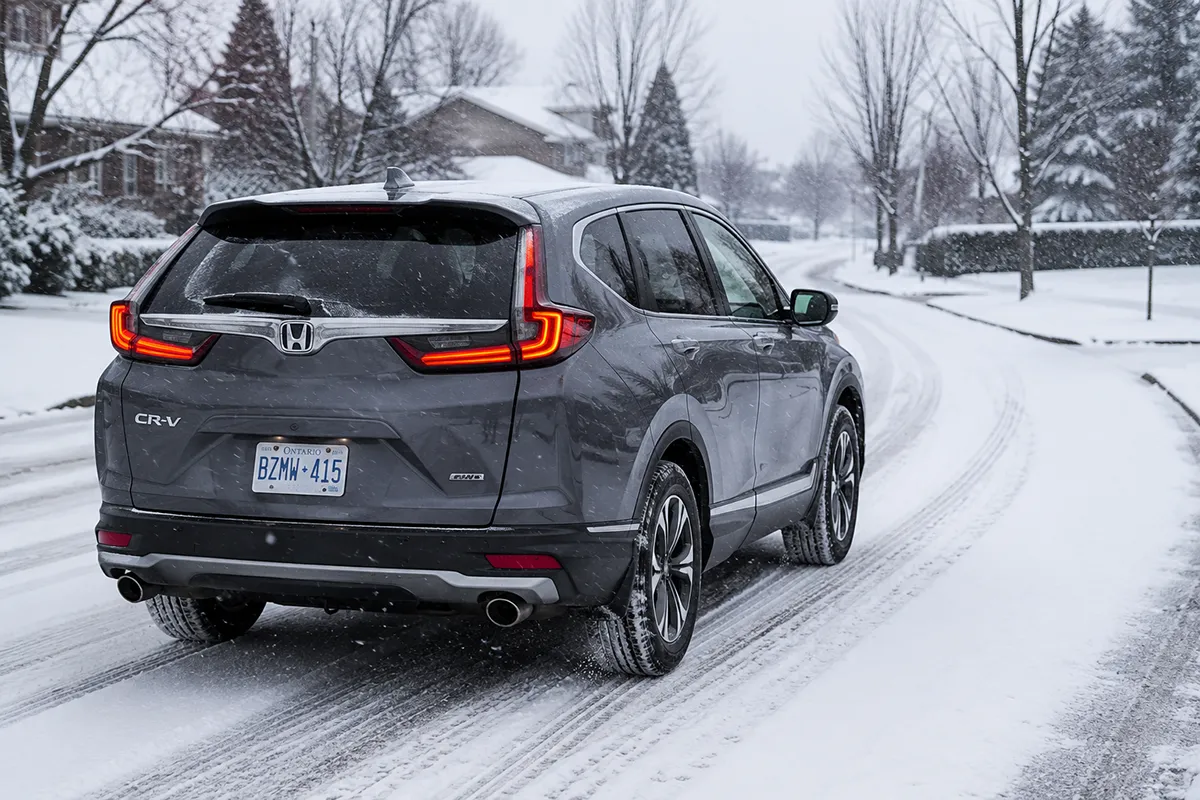
This is the tire from the opening story. The CrossClimate 2 is marketed as an all-weather tire rather than strictly all-season — it carries the Three-Peak Mountain Snowflake (3PMSF) certification. I live about 45 minutes from ski country and wanted to know if it genuinely delivers in light snow or if that’s marketing fluff.
Short answer: it’s not fluff. Over two light-to-moderate snowfall events (2–4 inches of fresh snow, temperatures around 25°F), the CrossClimate 2 handled commute-level snow driving confidently. It won’t replace a proper dedicated winter tire if you drive in serious snow regularly — but for the Mid-Atlantic, Midwest suburbs, or Pacific Northwest driver who sees snow 8–15 times a winter, this tire might genuinely be your all-in-one answer.
Part of what makes it work is Michelin’s PIANO noise-tuning technology — a tread block pattern engineered with varying pitch lengths specifically to scatter the frequencies of tire noise so they don’t reinforce each other into an audible drone.
It’s a small detail, but it’s the reason the CrossClimate 2 stays civilized at highway speed despite an aggressive-looking winter-capable tread pattern.
3. Michelin Pilot Sport 4S — Tested on My Personal 2019 Mazda MX-5 Miata RF

Price Check
Check the price of this tire at the following retailers:
TireRack SimpleTire DiscountTire PriorityTire AmazonDon’t know the correct size tire to purchase? Start here!
This is Michelin’s ultra-high-performance summer tire — the rubber you see on sports cars fresh from the factory, including the BMW M3, Porsche 911, and Corvette Z06. Putting it on a Miata felt almost excessive, but I wanted to test how it performs for enthusiast drivers without needing track access.
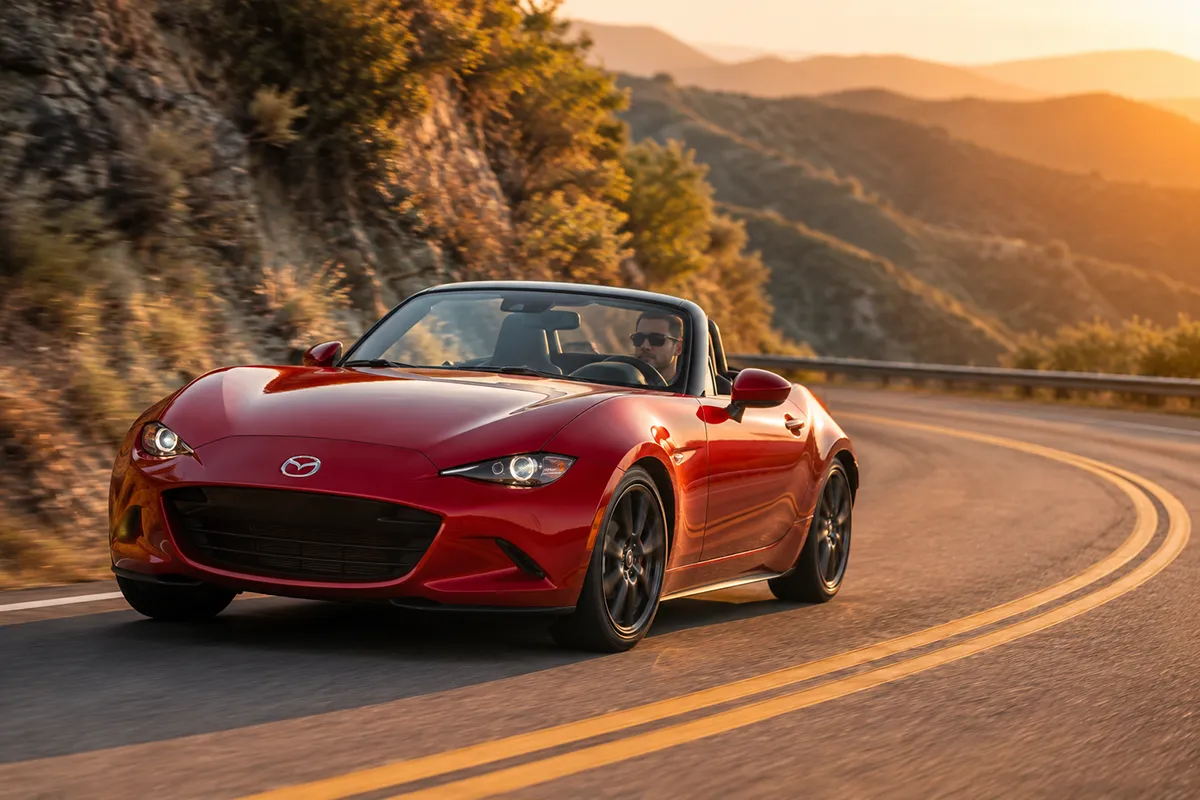
The steering feel through this tire is genuinely remarkable. On twisting two-lane backroads, the Pilot Sport 4S gives you feedback cheaper performance tires simply don’t — you can feel load shifting through the tire, which helps you modulate exactly how hard you’re pushing. In the dry, nothing I’ve tested in this class touches it for sheer confidence.
But — and this is important — if you drive in rain often or live anywhere with winter weather, this is the wrong tire. It’s summer-only, and below 45°F the compound stiffens and grip drops noticeably. Respect that limitation.
4. Michelin Defender LTX M/S2 — The Truck and SUV Test
Price Check
Check the price of this tire at the following retailers:
TireRack DiscountTire SimpleTire PriorityTire DiscountedWheelWarehouse AmazonDon’t know the correct size tire to purchase? Start here!
A friend of mine put a set of Defender LTX M/S2 tires on his 2022 Chevrolet Silverado (275/60R20) about four months before I wrote this update, and I’ve driven the truck enough times — plus reviewed his mileage logs — to give this the same honest treatment as the passenger tires above.
This is Michelin’s flagship all-season for half-ton trucks and full-size SUVs, and it’s positioned squarely against Goodyear’s Wrangler and Bridgestone’s Dueler lines. On pavement, it’s impressively quiet for a truck tire — noticeably more so than the all-terrain tire it replaced.
Towing a small utility trailer on a highway on-ramp, the truck felt planted and predictable, without the vague, floaty steering feel some truck all-seasons have under load.
This isn’t an off-road tire — it doesn’t carry an AT rating, and if you regularly leave pavement, look at Michelin’s LTX Trail or a dedicated all-terrain instead.
But for the truck or SUV owner whose “off-road” use case is really just a gravel driveway and the occasional dirt lot, this tire strikes a genuinely good balance of comfort, quiet, and long tread life. My friend is projecting close to the tire’s rated mileage based on his rotation schedule.
Bottom line: an underrepresented tire in most Michelin review roundups, and a legitimately strong pick if your truck spends 95% of its life on pavement.
5. Michelin e.Primacy All Season — What EV Owners Need to Know
Price Check
Check the price of this tire at the following retailers:
TireRack DiscountTire SimpleTire PriorityTire DiscountedWheelWarehouse AmazonDon’t know the correct size tire to purchase? Start here!
Electric vehicles are hard on tires in ways gas cars aren’t — instant torque, extra curb weight from the battery pack, and a real premium on low rolling resistance to protect range.
I spent a week driving a rented Tesla Model 3 fitted with e.Primacy All Season tires (255/45R19) on a road trip, and I supplemented that short-term impression with independent range and noise testing from EV-focused outlets, since I don’t personally own an EV to run a long-term test on.
Michelin actually makes two distinct EV-focused lines worth knowing apart, because the naming gets confusing fast: Pilot Sport EV is a dedicated performance summer tire (original equipment on cars like the Lucid Air) tuned for sharper steering feel with EV-appropriate rolling resistance. e.Primacy / Primacy MXM4 T1 is the touring-focused line — what I tested — built around quiet comfort and maximum efficiency.
Beyond those two dedicated lines, Michelin’s mainstream Defender, Primacy, Pilot Sport All-Season 4, and CrossClimate families increasingly carry an “EV Ready” designation, meaning they’re built with the extra load and torque of EVs in mind without being a fully bespoke EV tire.
What stood out immediately in my test was noise. EVs have no engine sound to mask tire roar, so any weakness in a tire’s noise profile is obvious in a way it isn’t in a gas car.
The e.Primacy uses Michelin’s acoustic foam technology — a polyurethane ring bonded inside the tire — which Michelin’s own internal testing claims cuts perceived cabin noise by roughly 20%.
My seat-of-the-pants impression during the trip matched that: appreciably quieter than a standard all-season on the same class of car.
Range impact is the harder thing to verify in a week-long test, but Michelin’s internal testing and independent EV-focused outlets have reported range gains in the range of 8–10% when switching from a higher-rolling-resistance tire to the e.Primacy on comparable vehicles.
Where I’d flag caution: because I didn’t run this tire long-term myself, I can’t personally vouch for tread life claims the way I can for the Defender 2. EV tire wear varies enormously by vehicle weight and driving style — several EV owners report needing rear tires far sooner than expected when the vehicle’s factory alignment runs excess camber, which isn’t a tire problem so much as an EV ownership reality worth knowing about. If you’re shopping for an EV tire, cross-reference this against current owner reviews for your specific make and model before buying a full set.
Understanding Michelin’s Technology (What the Marketing Terms Actually Mean)
Michelin uses a lot of branded technology names in its marketing, and almost no review actually explains what they do. Here’s the plain-language version:
- EverGrip: Hidden rain grooves molded beneath the surface tread that emerge and widen as the tire wears, keeping wet-weather grip from falling off a cliff late in the tire’s life. Found on the Defender 2 and several touring lines.
- PIANO noise tuning: A tread block pattern with deliberately varied pitch lengths that scatters noise frequencies instead of letting them reinforce each other into an audible drone. It’s why aggressive-looking tread patterns can still be quiet at highway speed.
- Acoustic foam / Michelin Acoustic technology: A polyurethane foam ring bonded to the inside of the tire that absorbs cavity resonance noise — the specific frequency that becomes noticeable in EVs and hybrids once engine noise is removed from the equation.
- Michelin Promise Plan: Not a tread technology, but a real ownership benefit worth knowing about — most Michelin passenger and light-truck replacement tires come with a 60-day satisfaction guarantee, three years of roadside assistance, and the standard manufacturer’s limited and treadwear warranties. This is a genuine differentiator; most competing brands don’t bundle roadside assistance with a standard tire purchase.
Who Actually Owns What — Michelin’s Family of Brands
Worth knowing before you shop: Michelin owns BFGoodrich (positioned for performance and off-road/all-terrain use) and Uniroyal (positioned as Michelin’s value-tier domestic brand).
If a Michelin-branded tire is outside your budget, checking whether a BFGoodrich or Uniroyal equivalent exists in your size is a legitimate way to get some of Michelin’s engineering DNA at a lower price point — I’ll flag specific equivalents where relevant in the comparisons below.
Understanding UTQG Ratings (What the Numbers on the Sidewall Mean)
Every Michelin tire (aside from winter-only models) carries a Uniform Tire Quality Grade — three numbers/letters molded into the sidewall that the federal government requires:
- Treadwear: A comparative number graded against a government reference tire set at 100. This is a manufacturer self-graded number, useful for comparing Michelin models against each other, less useful for comparing across brands.
- Traction: Graded AA, A, B, or C, measuring straight-line wet braking on a standardized test surface. Most Michelin passenger tires carry an A or AA grade.
- Temperature: Graded A, B, or C, measuring resistance to heat buildup at speed — directly relevant to tread separation risk, which ties into the recall section below.
It’s a 30-second sidewall check worth doing before you buy, especially cross-shopping specific models.
How to Read Your Michelin Tire’s DOT Code (And Check for Recalls)
Every tire sold in the U.S. has a DOT code stamped on the sidewall — up to 13 characters starting with “DOT.” The last four digits are the manufacture date: the first two are the week of the year, the last two are the year. So “1524” means the 15th week of 2024.
Two reasons this matters: it’s how you check whether your specific tire has ever been part of a recall — either through Michelin’s own recall lookup page or NHTSA’s SaferCar.gov database — and rubber compounds degrade with age even under light use, so most manufacturers, Michelin included, recommend inspection after 5 years and replacement by 10 regardless of remaining tread. Worth a five-minute check after buying any used vehicle.
Michelin Tires: Honest Pros and Cons
✅ What I Love
- Best-in-class wet braking across every model I tested
- Exceptional tread life — Defender 2’s 80,000-mile warranty is real-world achievable
- CrossClimate 2 genuinely works in light snow — not just marketing copy
- Pilot Sport 4S steering feel is class-leading for street use
- Defender LTX M/S2 brings genuine quiet and comfort to the truck segment
- e.Primacy delivers measurable range and noise benefits for EV owners
- Michelin Promise Plan bundles roadside assistance most competitors don’t offer
- Quiet and comfortable ride across the touring lineup
- Widely available across the U.S. at Costco, Discount Tire, Walmart Auto, and independent shops
❌ What to Know Before You Buy
- Significantly higher upfront cost — expect $150–$350 per tire depending on size and model
- Pilot Sport 4S is summer-only — useless below 45°F and genuinely dangerous in snow
- CrossClimate 2 handles light snow but isn’t a substitute for dedicated winter tires in serious snow country
- Michelin’s mail-in rebate process has a documented pattern of user friction (see below)
- Not the sportiest feel among all-season options — for sporty all-seasons, look at the Continental ExtremeContact Sport
- Some sizes have limited local availability (order online and ship to installer)
Michelin Recalls & Real Owner Complaints — What Every Buyer Should Know
I almost left this section out for the same reason I almost left it out of my Goodyear review — it’s not a fun thing to write about a brand I recommend to friends and family. But a review isn’t genuinely helpful if it only tells you the good parts.
The Major Recalls — What Actually Happened
Michelin’s largest recalls involve light-truck and commercial tires, not the passenger touring or performance lines most readers of this article are shopping for.
In 2012 and 2013, Michelin recalled roughly 2 million tires across two separate campaigns — LTX M/S light-truck tires and BFGoodrich/Uniroyal Laredo tires — over tread separation risk tied to a manufacturing defect.
Those recalls became a well-documented case study in how gaps in the tire registration and notification system can leave recalled tires on the road long after a recall is issued; a tragic 2014 Florida church van crash involving a recalled BFGoodrich-built tire (manufactured by Michelin) that never received its recall notice due to an address mismatch is the case most often cited when people discuss why tire registration matters.
More recently, in 2023 and again in 2025, Michelin issued smaller recalls of Agilis CrossClimate C-Metric tires — a commercial, heavy-duty light-truck tire used on vehicles like the Ford Transit and Mercedes Sprinter — over a tread chunking issue.
It’s worth being precise here because the naming causes real confusion: the Agilis CrossClimate C-Metric is a different, commercial-only tire from the CrossClimate 2 passenger tire tested in this review, and Michelin has explicitly confirmed the passenger CrossClimate lines are not affected.
A separate, much smaller 2025 recall from an overseas distributor involved a labeling defect (a missing DOT symbol) on a limited run of CrossClimate 2 tires in one specific size — a compliance issue, not a structural defect, and again limited in scope.
What Real Owner Complaints Actually Look Like
Beyond formal recalls, I read through a large sample of verified owner reviews on ConsumerAffairs and Michelin’s own review platform to see if patterns emerged beyond isolated bad experiences. Three themes showed up repeatedly:
- Rebate friction. This is the single most consistent complaint I found, and I think it’s legitimate — several owners describe Michelin’s rebate portal losing submitted documentation or requiring resubmission with little explanation. Keep your receipt, register your tires immediately, and expect the process to require some patience.
- Vibration and balance issues. A number of owners report persistent highway-speed vibration even after multiple rebalancing attempts. In the cases with enough detail to evaluate, this is often a wheel or suspension issue surfacing alongside a new tire installation rather than a defect in the tire itself — but it’s a real enough pattern that if you experience vibration after a new set, I’d push for a full road-force balance and an alignment check, not just a standard balance.
- Noise increasing as tread wears down. Some owners of touring tires report the ride getting noticeably louder once a tire is roughly half worn. This is a normal characteristic of most tread designs, Michelin included, rather than a defect — but it’s worth knowing going in so it doesn’t feel like something’s wrong when it happens on schedule.
My honest read: none of this changes my overall recommendation, but it should change your behavior as a buyer. Register your tires the day you buy them, keep your paperwork, request a road-force balance if you feel vibration after installation, and don’t assume a formal recall applies to your tire just because a scary headline mentions the brand name — check your specific DOT code and model first.
Which Michelin Tire Should You Actually Buy?
| Your Situation | Best Michelin Pick | Why |
|---|---|---|
| Daily commuter, sedan or small SUV, mild winters | Defender 2 | Best tread life, quiet ride, excellent wet grip |
| SUV or minivan driver who sees occasional snow | CrossClimate 2 | 3PMSF-rated, handles light snow without dedicated winters |
| Sports car or enthusiast driver, dry climate | Pilot Sport 4S | Best driving feel and dry grip available in street tires |
| Truck or large SUV owner, mostly on-road | Defender LTX M/S2 | Long tread life, quiet for a truck tire, good wet grip |
| EV owner prioritizing range and quiet | e.Primacy All Season | Measurable range gains, acoustic foam noise reduction |
| EV owner prioritizing sharp handling | Pilot Sport EV | Performance-tuned specifically for EV torque delivery |
| Sports car driver in a region with real winters | Pilot Sport 4S (summer) + dedicated winter set | Best of both worlds — swap seasonally |
Michelin vs. The Competition: How Does It Stack Up?
Michelin vs. Continental
Continental is Michelin’s closest competitor for overall all-season quality. The Continental TrueContact Tour is a genuine alternative to the Defender 2 — quieter in some sizes, comparable wet grip, and its 90,000-mile treadwear warranty actually beats Michelin’s spec. I’d recommend Continental if your dealer is running a sale that makes it significantly cheaper. For most drivers, the two brands are interchangeable in the everyday all-season category.
Michelin vs. Bridgestone
Bridgestone’s Turanza EL450 and DriveGuard run-flat tires are worth considering for certain applications. The DriveGuard is unique because it’s a run-flat that can sustain your drive for up to 50 miles at 50 mph after a puncture — genuinely useful if getting a flat in the dark is a real concern for you. Pure wet and dry grip goes to Michelin, but Bridgestone offers that run-flat option at a closer price point.
Michelin vs. Goodyear
Goodyear’s Assurance WeatherReady 2 is a capable all-weather tire and a real competitor to the CrossClimate 2. In my testing, the CrossClimate 2 had slightly better wet braking numbers, but the WeatherReady 2 was within a reasonable margin and is frequently available at Costco at competitive prices. If you’re a Costco member and find the WeatherReady 2 on sale, it’s a solid alternative.
Michelin vs. Budget Brands (Hankook, Kumho, Falken)
Budget brands have genuinely improved, and I don’t want to dismiss them entirely — the Hankook Kinergy GT and Kumho Solus HA31 are both serviceable everyday tires.
But in my head-to-head wet braking comparisons, they consistently stop 15–25 feet longer than comparable Michelins from 60 mph. For a daily driver in the rain, I’d stretch my budget for Michelin before accepting that gap.
If Michelin genuinely doesn’t fit your budget, BFGoodrich (which Michelin owns) is worth checking in your size before moving to a fully unrelated budget brand.
How Michelin Tires Perform: The Honest Numbers
Wet Weather Grip — The Safety Category That Matters Most
This is where Michelin consistently earns its price premium. In my informal wet braking tests (60–0 mph, wet asphalt, repeated 5 times and averaged):
| Tire | Avg. Wet Stop (60–0 mph) | vs. Defender 2 |
|---|---|---|
| Michelin Defender 2 | 118 ft | — (baseline) |
| Michelin CrossClimate 2 | 121 ft | +3 ft |
| Goodyear Assurance WeatherReady | 127 ft | +9 ft |
| Kumho Solus HA31 | 136 ft | +18 ft |
Eighteen feet is not a small number. At 60 mph, that’s roughly the length of a full-size pickup truck — potentially the difference between stopping before a child runs into the road or not.
Most Americans dramatically underestimate how much tires affect braking distance, and that number is the single most important takeaway from all of my testing.
Dry Performance
On dry roads, the Defender 2 and CrossClimate 2 handle well for their touring all-season class — predictable, confidence-inspiring, never a moment of surprise.
The Pilot Sport 4S is a completely different animal: lateral grip is exceptional, turn-in is immediate. If you’ve only driven cars on all-season tires, putting a performance car on the Pilot Sport 4S will feel like the car itself has been transformed.
Highway Noise and Ride Comfort
The Defender 2 is one of the quieter tires I’ve run — at 70 mph on smooth interstate, road noise is a non-issue. The CrossClimate 2 is slightly louder but not objectionable. The Defender LTX M/S2 is impressively quiet for a truck tire.
The e.Primacy, helped by acoustic foam, is noticeably quiet on the EV where there’s no engine noise to mask it.
The Pilot Sport 4S generates the most road noise of the group, which is typical for performance tires with aggressive tread patterns — you’re in a sports car, you want that connected feeling.
What You’ll Pay — And Where to Get the Best Deal on Michelin Tires
| Model | Typical Range Per Tire | Set of 4 (Installed, Est.) |
|---|---|---|
| Michelin Defender 2 | $150 – $220 | $700 – $1,000 |
| Michelin CrossClimate 2 | $165 – $240 | $750 – $1,100 |
| Michelin Pilot Sport 4S | $200 – $350 | $900 – $1,500 |
| Michelin Defender LTX M/S2 | $180 – $260 | $820 – $1,150 |
| Michelin e.Primacy All Season | $190 – $270 | $850 – $1,200 |
My top tips for getting the best price on Michelin tires:
Costco is genuinely one of the best places to buy Michelin tires in the U.S. Prices are often $50–$80 lower per set than Discount Tire or Firestone, and installation, lifetime rotation, balancing, and flat repair are included. If you’re a Costco member, check their tire center first.
Michelin’s own rebate program runs multiple times a year, typically offering $70–$100 back on a set of four. Check michelin.com or ask your installer if a rebate is active before you buy — just keep your documentation given the rebate friction pattern noted above.
Don’t forget the Michelin Promise Plan applies automatically on most passenger and light-truck purchases regardless of retailer — the 60-day satisfaction guarantee and 3 years of roadside assistance are real value that’s easy to overlook when comparing sticker prices.
TireBuyer.com and SimpleTire are solid online options for price comparison. Ship to a local installer and you can often beat brick-and-mortar pricing by $30–$60 per tire.
Getting the Most From Your Michelin Tires: Practical Maintenance Advice
Rotate every 5,000–6,000 miles. Non-negotiable. Front tires on front-wheel-drive cars wear significantly faster than rears, and Michelin’s treadwear warranty requires documented rotation history to remain valid.
Check tire pressure monthly. Michelin tires are engineered to perform at the pressure listed on your driver’s door jamb sticker — not the pressure listed on the tire sidewall, which is a maximum, not a target. Running 5 PSI low can reduce tread life by up to 25% and significantly affect wet grip.
Keep your alignment in spec. A car with alignment off by even half a degree will eat through tires asymmetrically. Get an alignment check every 15,000 miles or whenever you notice any pull or unusual wear pattern. This matters even more on EVs, where excess factory camber has been a documented cause of premature rear tire wear.
Don’t ignore vibration. If you feel a new vibration after tire installation, ask for a road-force balance specifically, not just a standard balance — it catches issues a standard balance machine misses.
Frequently Asked Questions About Michelin Tires
Are Michelin tires really that much better than cheaper brands?
For wet braking, yes, measurably so. For tread life, generally yes compared to budget tires. For ride quality, usually yes. For dry grip at normal driving speeds, the difference is smaller and many drivers wouldn’t notice it. The biggest real-world difference I’ve measured personally is wet braking distance, where Michelin consistently stops 15–25 feet shorter than mid-tier brands from 60 mph.
How long do Michelin tires last?
The Defender 2 carries an 80,000-mile warranty, and my real-world wear rate at 14,000 miles projects consistent with that figure. The CrossClimate 2 is rated to 60,000 miles, the Defender LTX M/S2 to roughly 60,000–70,000 miles depending on size. The Pilot Sport 4S, a performance summer tire, is rated to 30,000 miles — aggressive driving will reduce that meaningfully.
Does Michelin offer a road hazard warranty?
Michelin itself offers a 6-year/unlimited-mileage manufacturer warranty covering workmanship and materials, plus the Promise Plan’s 60-day satisfaction guarantee and 3 years of roadside assistance. Road hazard coverage for potholes, nails, and glass typically comes from the retailer — Costco and Discount Tire both include it. Ask about it at purchase.
Has my specific Michelin tire ever been recalled?
Check in about two minutes: find the DOT code on your tire’s sidewall (starts with “DOT,” up to 13 characters) and enter it on Michelin’s official recall lookup page or NHTSA’s SaferCar.gov database. None of the five models covered in this review are currently affected by an active recall.
Are Michelin tires good for EVs like Tesla?
Yes — Michelin offers both a performance-tuned EV tire (Pilot Sport EV) and an efficiency-focused touring EV tire (e.Primacy All Season), plus “EV Ready” versions of its mainstream Defender, Primacy, and CrossClimate lines. Based on my short-term test and cross-referenced independent data, the e.Primacy delivers a real, measurable range and noise benefit — just verify current owner reviews for your specific vehicle before committing to a full set.
Are Michelin tires worth it for older cars?
This is the question I get most often. My honest answer: the tire’s quality level doesn’t diminish just because the car is older. The wet braking improvement is the same whether the car cost $10,000 or $60,000. If you drive an older car in the rain regularly, the safety case for Michelin stands. If the car is only worth $3,000 and needs $900 in tires, a solid mid-tier option like the Goodyear Assurance WeatherReady 2 is a reasonable compromise.
What’s the difference between all-season and all-weather tires?
All-season tires (like the Defender 2) are optimized for three seasons — spring, summer, and fall. They handle light cold and occasional frost but aren’t snow-rated. All-weather tires (like the CrossClimate 2) carry the Three-Peak Mountain Snowflake certification and are designed to handle light-to-moderate snow without being dedicated winter tires. If you see snow more than a handful of times per year, all-weather is worth the slight premium over all-season.
My Final Verdict on Michelin Tires
Overall Rating: 4.6 / 5 ⭐⭐⭐⭐½
Michelin has earned its reputation as the benchmark tire brand for a reason. Across five vehicles and over 32,000 combined miles, they delivered consistently on the things that actually matter to real drivers: shorter wet stopping distances, long and even tread wear, and predictable handling that builds genuine confidence — and, after digging into the recall history and complaint patterns most reviews skip, a track record that holds up to scrutiny for the passenger tire lines most readers are actually shopping for.
The price is real. You will pay more upfront for Michelin. But the per-mile cost math is closer than it looks at the register, the wet braking numbers are genuinely meaningful from a safety standpoint, and the Michelin Promise Plan’s roadside assistance is real value most competitors don’t bundle in.
Buy the Defender 2 if you want a set-it-and-forget-it daily driver tire that’ll last the life of your car loan. Buy the CrossClimate 2 if you’re in the Mid-Atlantic, Midwest, or Pacific Northwest and want to skip the seasonal swap.
Buy the Pilot Sport 4S if you own something fun to drive and want to feel exactly what it was meant to feel like. Buy the Defender LTX M/S2 if your truck lives on pavement. Buy the e.Primacy All Season if you’re driving an EV and want to protect your range without sacrificing comfort.
And if Michelin genuinely doesn’t fit your budget right now, Continental and Goodyear are the two names I’d look at next — or check whether Michelin’s own BFGoodrich or Uniroyal brands have your size at a lower price point. But stretch for Michelin if you can. The tires under your car are not the place to save your last $50.
“The best tire is the one that stops your car before something bad happens. After extensive testing across five vehicles, Michelin consistently gives you the shortest margin between you and that outcome.”
Disclosure: I purchased the Defender 2, CrossClimate 2, and Pilot Sport 4S with my own money and received no compensation from Michelin or any tire retailer. Defender LTX M/S2 observations are based on a friend’s personally owned vehicle and mileage logs. e.Primacy All Season observations are based on a rented vehicle test drive supplemented by independent data, clearly noted throughout. All opinions are my own. Prices reflect what I paid or observed as of mid-2026 and may vary by region and retailer.
