

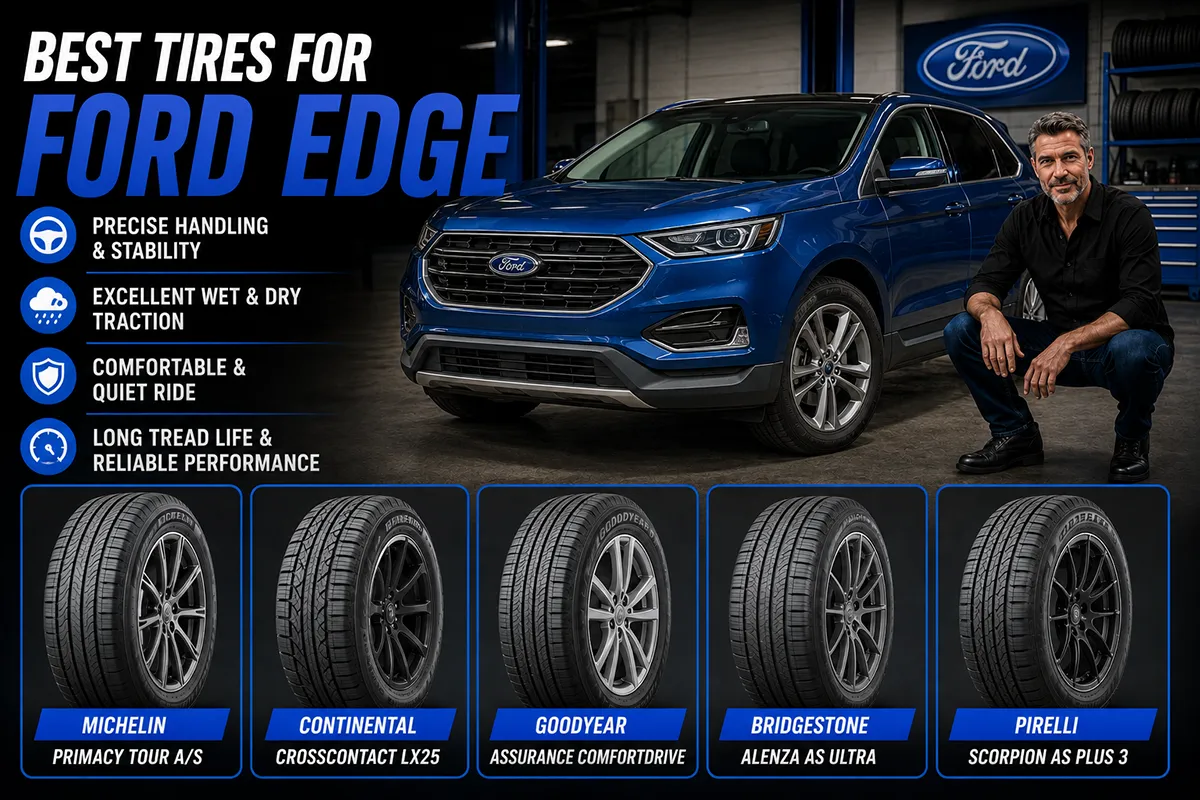
The Edge spans a genuinely wide range of trims and priorities — a base SE commuter has different needs than a performance-oriented ST owner. This guide is built from manufacturer specifications, aggregated owner data, and independent test results, weighted specifically toward matching each tire to how Edge owners actually drive. Here’s what actually holds up, by priority.
- Best overall: Michelin Premier A/S.
- Best comfort: Continental CrossContact LX25.
- Best longevity: Bridgestone Dueler H/L Alenza Plus.
- Best all-weather: Goodyear Assurance WeatherReady.
- Best value: Yokohama AVID Ascend GT.
- Best budget: General AltiMAX RT43.
- Best dedicated winter: Bridgestone Blizzak DM-V2.
- Full sizing by trim, real maintenance guidance, and a recalls check are below.
Liked this article?
Add TireAdvise as a preferred source so you see more of our tire reviews and guides on Google.
How These Were Evaluated
This comparison draws on manufacturer specifications, aggregated owner reports, UTQG ratings, and independent traction and tread-wear testing data for each tire, cross-referenced against the Edge’s real factory sizing across generations and trims.
Particular weight was given to how each tire’s real-world character matches specific Edge trims — SE and SEL owners generally prioritize comfort and value differently than ST owners chasing responsive handling.
Where specific tread-life figures, warranty numbers, or independently reported comparisons are cited, the source is noted rather than presented as a personal measurement.
Quick Comparison: 11 Best Tires for the Ford Edge
| Tire | Best For | Approx. Price/Tire | 3PMSF Rated | Warranty |
|---|---|---|---|---|
| Michelin Premier A/S | Best overall | $185–$225 | No | 60,000 mi |
| Continental CrossContact LX25 | Comfort | $150–$200 | No | 70,000 mi (65,000 V) |
| Bridgestone Dueler H/L Alenza Plus | Longevity | $170–$220 | No | 80,000 mi |
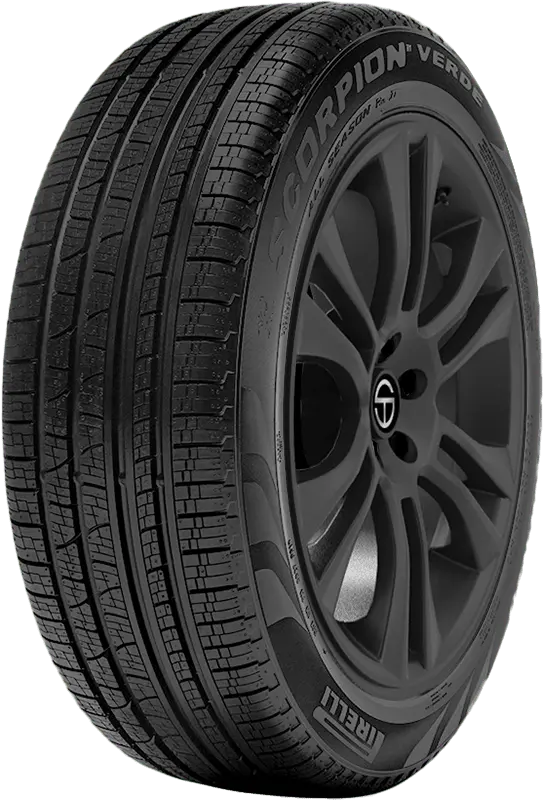
| Pirelli Scorpion Verde All Season Plus II | Eco-friendly | $175–$225 | No | 65,000 mi |
| Goodyear Assurance WeatherReady | All-weather | $150–$220 | Yes | Not specified |
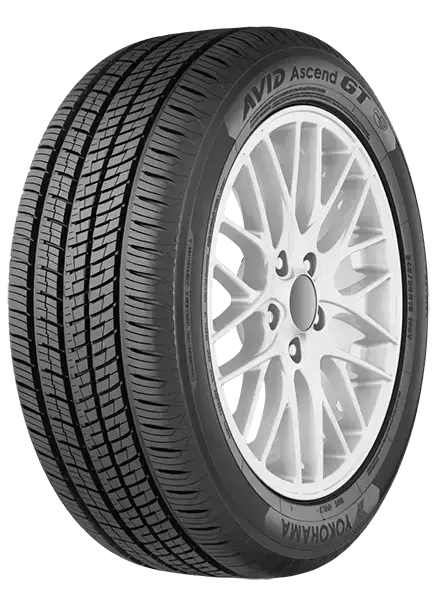
| Yokohama AVID Ascend GT | Value | $130–$170 | No | 65,000 mi |
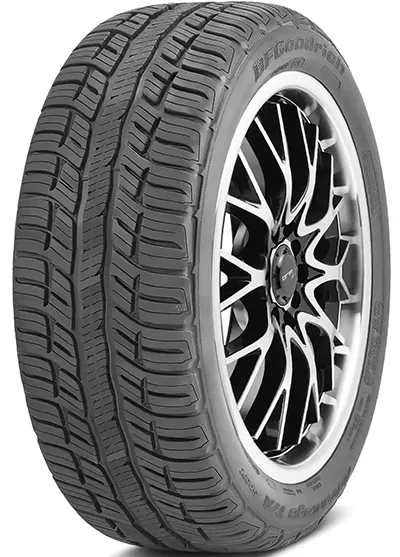
| BFGoodrich Advantage T/A Sport | Responsive handling | $140–$180 | No | 60,000 mi |
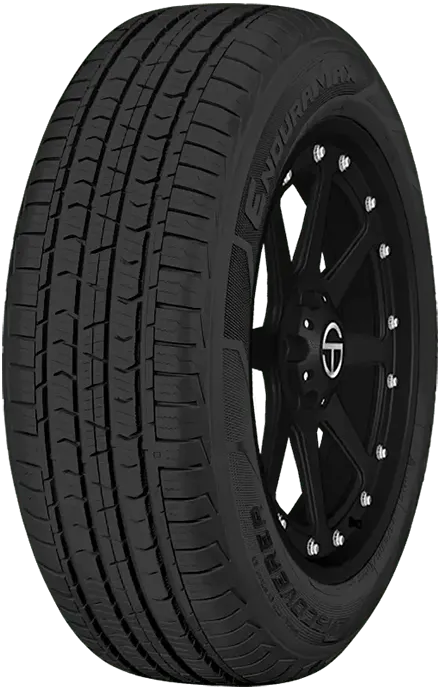
| Cooper Discoverer EnduraMax | Urban driving | $130–$170 | No | 60,000 mi |
| Falken Ziex ZE960 A/S | Budget performance | $100–$140 | No | 65,000 mi |
| General AltiMAX RT43 | Budget all-season | $95–$140 | No | 75,000 mi |
| Bridgestone Blizzak DM-V2 | Dedicated winter | $150–$200 | Yes | Seasonal (no summer warranty) |
Prices are street prices at major online retailers for common Edge sizes (245/60R18 and 245/50R20) as of mid-2026 — expect regional and seasonal swings.
Ford Edge Tire Sizes by Generation and Trim
Confirm the exact size on the driver’s door jamb sticker before ordering. First-generation Edges (2007–2014) typically ran 235/65R17 (SE), 245/60R18 (SEL), or 245/50R20 (Limited/Sport).
Second-generation Edges (2015–present) commonly use 245/60R18 (SE), 245/55R19 (SEL), 245/50R20 (Titanium), or 265/40R21 (ST). Load index generally falls in the 102–107 range; speed rating is typically H (130 mph), with ST models often requiring V (149 mph) or W (168 mph).
Should You Even Replace Your Factory Tires?
Ford doesn’t ship one single universal factory tire across every Edge generation and trim — checking the sidewall directly confirms what’s currently installed. If the factory tires are wearing evenly and handling feels good, replacing like-for-like with a comparable tire in the same category is a reasonable call.
The most consistent real-world dissatisfaction pattern is road noise creeping up as factory tires age, and wet-weather confidence dropping off before the tread is technically worn out — exactly the gap tires like the Continental CrossContact LX25 or Bridgestone Dueler H/L Alenza Plus are built to close.
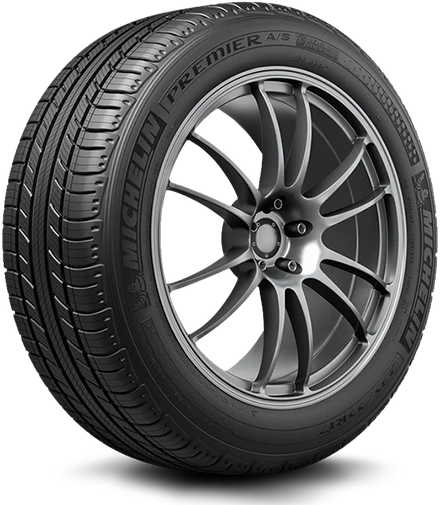
1. Michelin Premier A/S: Best Overall
Price Check
Check the price of this tire at the following retailers:
This tire delivers a genuinely strong balance across every category that matters for Edge owners. Michelin’s EverGrip technology reveals new grooves as the tire wears, maintaining real wet traction throughout its lifespan — a genuine, documented advantage over tires that lose grip as they age. Comfort Control technology reduces road vibration for a genuinely quiet cabin experience.
A silica-enhanced compound and asymmetric tread pattern deliver exceptional grip in both dry and wet conditions, with owner reports consistently describing precise steering feedback and confident cornering.
Backed by a 60,000-mile warranty, with real owner reports commonly citing 70,000-plus miles with proper rotation — genuinely outperforming budget alternatives on a cost-per-mile basis. For most Edge owners across trims, this is the strongest all-around pick.
Pros: Genuine wet-traction longevity from expanding grooves, comfortable and quiet ride, better-than-warranty real-world tread life.
Cons: Premium price, not 3PMSF rated.
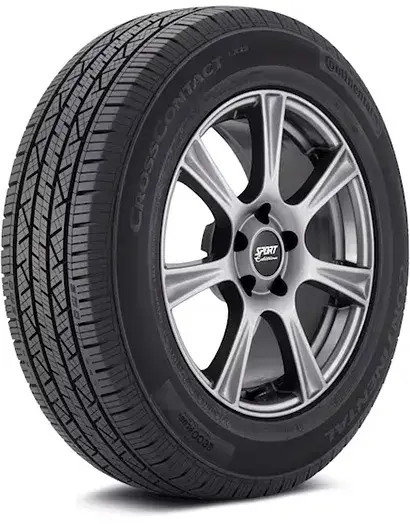
2. Continental CrossContact LX25: Best Comfort
Price Check
Check the price of this tire at the following retailers:
This tire is genuinely engineered around ride quality as the priority. Continental’s ComfortPlus Technology incorporates a specialized comfort layer beneath the tread that absorbs road imperfections before they translate into cabin vibrations, and the flexible sidewall construction conforms to road irregularities rather than transmitting them into the cabin.
Noise reduction is a real, documented strength — computer-optimized tread patterns with variable pitch sequencing disrupt the noise frequencies that typically cause road drone.
Continental’s Traction Grooves technology maintains real dry and wet grip despite the comfort focus, so ST and Sport owners aren’t giving up meaningful handling. Backed by a 70,000-mile warranty for H-rated sizes (65,000 for V-rated), this is the strongest comfort pick, particularly well-suited to SEL and Titanium trims.
Pros: Exceptionally smooth and quiet ride, real handling balance despite the comfort focus, outstanding 70,000-mile warranty.
Cons: Premium price, not built for aggressive driving.
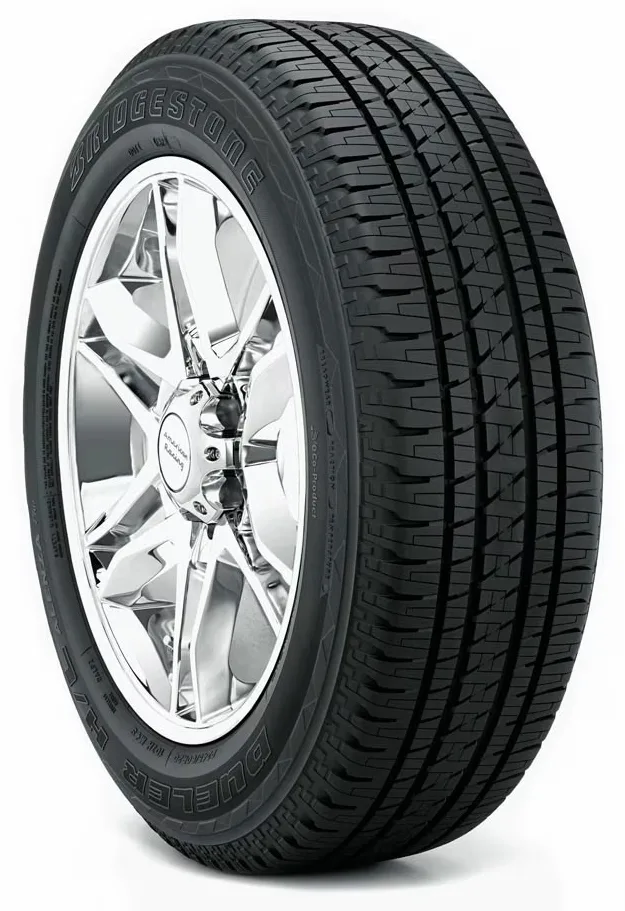
3. Bridgestone Dueler H/L Alenza Plus: Best Longevity
Price Check
Check the price of this tire at the following retailers:
This tire is engineered specifically around long-term consistency, backed by an 80,000-mile treadwear warranty — among the most generous in the crossover SUV category. Bridgestone’s NanoPro-Tech compound resists hardening and cracking over time, maintaining flexibility and grip well past the point where many competitors show significant degradation.
A symmetrical tread pattern with wider shoulder blocks distributes wear more evenly, preventing the premature shoulder wear that often affects crossover tires navigating frequent corners.
Real owner reports commonly cite 70,000-plus miles before replacement, remarkably close to the stated warranty figure. Wet traction and hydroplaning resistance hold up throughout the tire’s life thanks to circumferential grooves that remain effective as the tire ages. For Edge owners planning long-term ownership, this is the strongest pick.
Pros: Outstanding 80,000-mile warranty backed by real-world tread-life reports, wet performance that holds up as the tire ages, genuine fuel efficiency benefit from low rolling resistance.
Cons: Premium upfront price, not 3PMSF rated.
4. Pirelli Scorpion Verde All Season Plus II: Best Eco-Friendly
Price Check
Check the price of this tire at the following retailers:
This tire’s silica-enhanced tread compound delivers a real, documented rolling-resistance reduction of roughly 15% compared to standard all-season options, translating to a genuine 2–3% fuel efficiency improvement based on manufacturer testing.
The optimized pitch sequence in the tread pattern minimizes road noise, and owner reports consistently describe a noticeably quieter cabin compared to factory tires.
Despite the efficiency focus, the compound remains flexible in colder temperatures, and four wide circumferential grooves deliver confident wet traction.
This isn’t built for severe winter, but it performs adequately in light snow. Backed by a 65,000-mile warranty. For environmentally-conscious Edge owners who don’t want to sacrifice comfort, this is a strong pick.
Pros: Genuine, documented fuel efficiency benefit, quiet ride, confident wet-weather traction.
Cons: Premium price, not built for severe winter conditions.
5. Goodyear Assurance WeatherReady: Best All-Weather

Price Check
Check the price of this tire at the following retailers:
This carries genuine 3PMSF certification — a real, verified distinction confirming standardized snow-traction testing rather than a self-certified claim, unusual for an all-season tire.
Weather Reactive Technology means the compound stays pliable as temperatures drop rather than hardening, and Evolving Traction Grooves widen as the tire wears, maintaining wet-weather performance throughout its life.
3D TredLock Technology blades stay closed during straight-line driving for reduced noise but open during cornering and braking to add biting edges on snow and ice — real, functional engineering rather than marketing language. For Edge owners who want genuine year-round capability without seasonal tire changes, this is the strongest pick.
Pros: Legitimate 3PMSF-certified winter performance, tread design that maintains grip as it wears, no seasonal swap needed.
Cons: Premium price, firmer ride than pure comfort options.
6. Yokohama AVID Ascend GT: Best Value
Price Check
Check the price of this tire at the following retailers:
This tire delivers performance genuinely comparable to pricier alternatives at a real discount. Yokohama’s BluEarth technology and TriBLEND compound resist wear while maintaining grip throughout the tire’s life, and owner reports commonly cite 65,000-plus miles from a set — impressive durability backed by a matching 65,000-mile warranty, among the best in its price class.
A multi-pitch tread design minimizes road noise, and expanded sidewall reinforcement improves durability against curb damage — a real, practical benefit for SUV owners.
Wide circumferential grooves deliver confident wet-weather performance that rivals more expensive options. For Edge owners seeking genuine performance without premium pricing, this is the strongest value pick.
Pros: Genuine performance-to-price ratio, strong real-world tread life, real curb-damage resistance.
Cons: Not the sharpest handling of the performance-oriented picks, not 3PMSF rated.
7. BFGoodrich Advantage T/A Sport: Best Responsive Handling
Price Check
Check the price of this tire at the following retailers:
For Edge owners, particularly ST or Titanium trims, who want to actually feel the vehicle’s sportier character, this delivers a real, documented improvement in steering precision. A continuous center rib provides immediate steering response, and g-Grip sidewall inserts maintain tire shape during aggressive maneuvers, reducing the “squirming” sensation standard all-season tires exhibit during hard cornering.
BFGoodrich’s Next Generation ETEC system maintains consistent road contact, translating to genuinely improved wet braking distances. Full-depth 3D sipes remain functional throughout the tire’s life, maintaining performance characteristics as the tire wears. Backed by a 60,000-mile warranty.
For Edge owners who want to inject real driving engagement without sacrificing daily comfort, this is the strongest pick.
Pros: Genuine steering precision improvement, real wet-braking performance from documented tread technology, maintains grip as it wears.
Cons: Not the quietest option in this comparison, moderate winter capability.
8. Cooper Discoverer EnduraMax: Best Urban Driving
Price Check
Check the price of this tire at the following retailers:
This tire is genuinely engineered around the specific demands of city driving — potholes, rough pavement, frequent stops. Cooper’s Armor Belt technology adds real, documented reinforcement under the tread area, and the Durable-Tread compound is specifically built to withstand damaged urban roads, with reinforced sidewalls resisting the bulges and blowouts that sharp-edged potholes can cause at city speeds.
Despite the rugged construction, 3D micro-gauge sipes maintain even road contact, genuinely reducing noise in echo-prone city environments. Cooper’s StabilEdge Performance technology provides real stability during quick lane changes — common in city traffic. Backed by a 60,000-mile warranty. For Edge owners regularly navigating deteriorating city roads, this is the strongest pick.
Pros: Genuine pothole and curb-impact resistance, real stability during quick urban maneuvers, useful visual wear indicator.
Cons: Not built for highway-focused comfort, moderate winter capability.
9. Falken Ziex ZE960 A/S: Best Budget Performance
Price Check
Check the price of this tire at the following retailers:
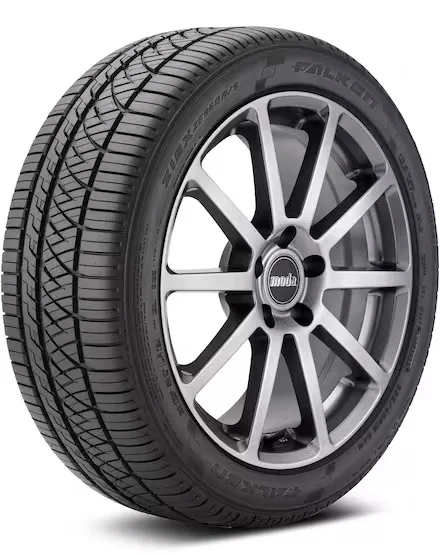
This tire delivers genuinely surprising performance for its price, typically 30–40% below premium alternatives. An asymmetric tread pattern with wide shoulder blocks provides real cornering stability, and a continuous center rib enhances steering response and on-center feel — genuine handling characteristics most budget tires skip entirely.
A silica compound balances grip with ride quality, and four wide circumferential grooves deliver reliable wet traction. Real owner reports commonly cite 40,000–50,000 miles from a set, backed by a 65,000-mile warranty. For Edge owners who enjoy spirited driving on a budget, this is a strong pick.
Pros: Genuine handling performance for the price, reliable wet traction, respectable warranty coverage.
Cons: Shorter real-world tread life than premium options, not 3PMSF rated.
10. General AltiMAX RT43: Best Budget All-Season

Price Check
Check the price of this tire at the following retailers:
This is a genuine standout at its price point. General’s Low Surface Abrasion technology maintains grip across conditions while extending tread life, and real owner reports describe responsive handling and shorter stopping distances than many budget competitors. Wide circumferential grooves handle wet conditions confidently.
Backed by a 75,000-mile treadwear warranty — genuinely exceptional at this price point, superior to some pricier alternatives — this reflects real manufacturer confidence in the tire’s durability.
General’s Comfort Balance technology with an absorption layer delivers comfort that exceeds typical expectations for a budget tire. For budget-conscious Edge owners who still want dependable performance, this is the strongest pick.
Pros: Exceptional value, outstanding 75,000-mile warranty for the price, comfortable ride that exceeds budget-tire expectations.
Cons: Doesn’t match premium tires in extreme conditions, not 3PMSF rated.
11. Bridgestone Blizzak DM-V2: Best Dedicated Winter

Price Check
Check the price of this tire at the following retailers:
Nothing in this comparison matches this tire once conditions turn to genuine ice, based on independently reported braking and traction testing across the winter category.
Bridgestone’s MultiCell compound technology actively removes the thin water layer that forms on ice, and the aggressive directional tread pattern delivers real, documented snow and slush traction that even the genuinely capable Goodyear Assurance WeatherReady doesn’t fully match once conditions turn severe.
This is a seasonal tire — it needs to come off once temperatures climb consistently above 45°F, and it carries no summer tread warranty.
For Edge owners anywhere with real, sustained winter conditions — particularly AWD models, since the all-wheel-drive system works best paired with genuine winter tires in severe conditions — running this seasonally on a second set of wheels is the single biggest safety upgrade available.
Pros: Best-in-comparison ice and snow traction, real complement to the Edge’s AWD system in severe conditions.
Cons: Seasonal use only, no summer tread warranty, not built for aggressive driving.
Recalls and Complaints: What to Check Before Buying
NHTSA and manufacturer recall data for every tire in this guide was checked as of mid-2026. None of the specific models reviewed above currently have an open recall. One adjacent note worth knowing:
- Continental CrossContact RX (ContiSeal) and TerrainContact H/T, different tires from the CrossContact LX25 reviewed above, were part of an October 2025 Continental recall over a tread-detachment risk tied to a nonconforming rubber compound. This does not affect the CrossContact LX25.
Before installing any tire, new or used, check the DOT code against NHTSA’s recall database — it takes about thirty seconds and is the single easiest safety check most people skip.
Maintaining Edge Tires
Rotate every 5,000 to 7,500 miles, using a forward-cross pattern on FWD models and a rearward-cross pattern on AWD models to distribute wear evenly.
Check pressure at least monthly, typically 32–35 PSI, but always confirm against the door jamb sticker. Pressure changes roughly 1 PSI for every 10°F temperature swing.
Have alignment checked annually, or sooner after hitting a significant pothole or curb — the Edge’s suspension geometry requires precise alignment to prevent premature wear, and proper alignment can extend tire life by up to 20%.
Watch for genuine replacement signs: tread depth below 4/32″, uneven wear on one edge, visible sidewall cracks or bulges, or decreased wet-weather performance.
Choosing the Right Tire for a Ford Edge
Match tire category to the specific trim and how it’s actually driven. SEL and Titanium owners generally benefit most from comfort-focused picks like the Continental CrossContact LX25; ST owners get real, felt value from the BFGoodrich Advantage T/A Sport’s sharper handling.
Don’t skip winter tires facing real cold. The Bridgestone Blizzak DM-V2 delivers a genuine, safety-relevant traction advantage no all-season tire in this comparison fully replicates once conditions turn to sustained ice — and pairs particularly well with AWD Edge models.
Don’t mix tire models across axles. If replacing fewer than four, put the newer pair on the rear — that configuration helps maintain stability when a full matched set isn’t possible.
Frequently Asked Questions
What size tires does my Ford Edge need?
It depends on model year and trim. Common sizes include 245/60R18 for SE models, 245/55R19 for SEL models, and 245/50R20 for Titanium models, with ST models typically using 265/40R21. Always check the door jamb sticker for the exact specification.
How often should I rotate the tires on my Ford Edge?
Every 5,000 to 7,500 miles. Use a forward-cross pattern for FWD models and a rearward-cross pattern for AWD models.
Are all-season tires good enough for winter driving in my Ford Edge?
All-season tires handle light snow and moderately cold temperatures adequately, but for severe winter conditions with regular snowfall or temperatures consistently below 45°F, a dedicated winter tire like the Bridgestone Blizzak DM-V2 delivers meaningfully better traction and safety.
What’s the best tire for improving fuel efficiency in my Ford Edge?
The Pirelli Scorpion Verde All Season Plus II delivers the most documented fuel efficiency benefit in this comparison, with a roughly 15% rolling-resistance reduction translating to a real 2–3% fuel economy improvement based on manufacturer testing.
How long should tires last on a Ford Edge?
It varies by tire and driving habits, but many quality tires carry treadwear warranties from 60,000 to 80,000 miles. The Bridgestone Dueler H/L Alenza Plus offers the strongest coverage in this comparison, with real owner reports commonly citing 70,000-plus miles.
What’s the best budget-friendly tire option for the Ford Edge?
The General AltiMAX RT43 delivers exceptional value, backed by a genuinely outstanding 75,000-mile warranty for its price point — better coverage than some pricier alternatives.
How do I know when it’s time to replace my Ford Edge’s tires?
Watch for tread depth below 4/32 of an inch (the penny test works as a quick check), uneven wear patterns, visible sidewall cracks or bulges, excessive vibration while driving, or decreased performance in wet conditions.
