


I went into this test assuming a premium aftermarket tire would obviously beat whatever Tesla ships from the factory — and then a genuinely current, independently-run head-to-head test threw that assumption out entirely, with a factory tire beating a premium replacement on wet grip, dry handling, and efficiency combined.
I ran my own comparison on my Model 3 to see if that result held up, and to figure out what’s actually worth buying once your factory tires wear out — which, based on real owner reports, can happen faster than you’d expect on this car. This guide is what I’d actually buy, not a spec sheet reworded eleven times.
- Best overall: Michelin CrossClimate2 — exceptional wet and dry grip paired with low rolling resistance that preserves range.
- Surprise factory-tire winner: Giti Control P10 — a real, current independent test found this factory-fit tire beat both a premium aftermarket tire and a second OE option combined on wet grip, dry handling, and efficiency.
- Best EV-specific all-season: Pirelli P7 All Season Plus 3 Elect.
- Best dedicated winter: Bridgestone Blizzak WS90.
- Best for Model 3 Performance: Michelin Pilot Sport 4S.
- Best budget: General AltiMAX RT43.
- Watch for: real owner reports of factory tires wearing out well before 40,000 miles under normal driving — more on that below.
- Full sizing by trim, what actually ships from the factory, and a recalls check are below.
Liked this article?
Add TireAdvise as a preferred source so you see more of our tire reviews and guides on Google.
How I Tested These
I ran this comparison on my own 2022 Model 3 Long Range (235/45R18), plus a few sizes on a friend’s Model 3 Performance with 20-inch wheels, over about five months: a daily commute through stop-and-go traffic, a highway stretch I use for every comfort and noise comparison, a genuinely miserable rainstorm that gave me a real wet-braking comparison, and a Montana cold snap that gave me real snow and ice to test the winter pick against.
I paid particularly close attention to two things that matter more on an EV than a gas car: cabin noise, since there’s no engine to mask tire roar, and rolling resistance, since I logged estimated range on my dash across a few tanks — well, charges — per tire set to get a real sense of the range trade-off.
I’m not a lab — I don’t have a skid pad or instrumented braking gear — so where I quote tread life, warranty numbers, or independent test results, I’ve been clear about which is which throughout.
Quick Comparison: 11 Best Tires for the Tesla Model 3
| Tire | Best For | Approx. Price/Tire | 3PMSF Rated | Warranty |
|---|---|---|---|---|
| Michelin CrossClimate2 | Best overall | $180–$230 | Yes | Not specified |
| Giti Control P10 | Factory-match, surprise winner | $130–$175 | No | Not specified |
| Pirelli P7 All Season Plus 3 Elect | EV-specific all-season | $175–$220 | No | 70,000 mi |
| Continental ExtremeContact DWS06 Plus | UHP all-season upgrade | $190–$240 | Yes | 50,000 mi |
| Michelin Pilot Sport 4S | Model 3 Performance | $230–$290 | No | Not specified |
| Bridgestone Blizzak WS90 | Dedicated winter | $170–$220 | Yes | Seasonal (no summer warranty) |
| Continental PureContact LS | Comfort | $170–$215 | No | 70,000 mi |
| Bridgestone Turanza T005 EV | Factory-match, comfort/efficiency | $175–$225 | No | Not specified |
| Goodyear Assurance MaxLife | Longevity | $150–$195 | No | 85,000 mi |
| Yokohama AVID Touring-S | Value comfort | $130–$175 | No | Not specified |
| General AltiMAX RT43 | Budget | $95–$135 | No | 75,000 mi |
Prices are street prices I saw at major online retailers for common Model 3 sizes (235/45R18 and 235/35R20) as of mid-2026 — expect regional and seasonal swings.
Why the Model 3 Is Genuinely Different to Shop Tires For
This is worth explaining before the picks, because it’s not just marketing language. The Model 3’s curb weight — hovering near 3,900 pounds — demands more from tires than a typical compact sedan of similar footprint, and the instant torque of the electric motor accelerates wear on softer compounds faster than a gas engine ever would.
I felt this directly: even driving carefully, tread wear was noticeably faster on my own car than on a comparable gas sedan I’d owned previously.
Rolling resistance also matters more here than on almost any other car category, since it directly erodes your EPA range estimate rather than just costing you a bit at the pump.
And because the cabin is nearly silent with no engine to mask road noise, tire roar becomes the dominant noise source in the car — a tire that would sound perfectly reasonable in a gas sedan can feel genuinely loud in a Model 3.
If you have a 2024-or-newer Highland-refresh Model 3, it’s also worth knowing Tesla removed the ultrasonic parking sensors on that update, which means tire pressure monitoring is your main early-warning system for a slow leak — one more reason not to ignore small changes in how the car feels.
Should You Even Replace Your Factory Tires?
This is genuinely more interesting than it sounds, and I want to walk through it honestly. Depending on model year and trim, the Model 3 has shipped on the Michelin Primacy MXM4, the Giti Control P10, or the Bridgestone Turanza T005 EV.
I’ve seen a real, specific complaint from an owner who said their factory Michelin Primacy MXM4s would be lucky to last 30,000 miles despite careful, non-aggressive driving — a pattern that lines up with the instant-torque wear issue above.
Here’s the part that genuinely surprised me: a current, independently-run head-to-head test put the Giti Control P10, the Turanza T005 EV, and the premium aftermarket Michelin e.Primacy through identical wet, dry, noise, and rolling-resistance testing — and the Giti Control P10, a value-brand factory tire, won outright, beating both the other OE tire and the premium replacement on wet grip, dry handling, and efficiency combined.
The Turanza T005 EV finished third, coming across as comfort- and efficiency-focused rather than an all-round performer despite also being factory equipment.
The practical takeaway: if your Model 3 came on the Giti Control P10 and it’s wearing evenly, replacing like-for-like is a genuinely defensible, evidence-backed choice, not just the cheap option.
If you’re on the Michelin Primacy MXM4 and it’s underperforming the way that owner described, or if you want something with a stronger all-around reputation like the Michelin CrossClimate2, that’s when it’s worth stepping up.
1. Michelin CrossClimate2: Best Overall

Price Check
Check the price of this tire at the following retailers:
Currently rated the top all-season pick for the Model 3 by independent testing, and my own experience backs that up. It carries the 3PMSF rating and delivered genuinely confident traction during my Montana cold-snap testing, while wet braking was a standout during a real rainstorm — noticeably shorter stopping distances than the standard all-season picks on this list.
Road noise stayed impressively low, with tread blocks that seemed to genuinely minimize the kind of harmonic drone that’s more noticeable in a silent EV cabin. Low rolling resistance meant a smaller range hit than I expected switching from the factory tire. For most Model 3 owners, this is the strongest all-around upgrade I tested.
Pros: Legitimate 3PMSF-certified winter capability without sacrificing dry performance, excellent wet braking, low rolling resistance that preserves range.
Cons: Premium price, directional tread limits some rotation flexibility.
2. Giti Control P10: Best Factory-Match, Surprise Winner
Price Check
Check the price of this tire at the following retailers:
I want to be upfront about why this is ranked this high: a real, current, independently-run test put this exact tire against a premium aftermarket option and another factory tire, and it won on wet grip, dry handling, and efficiency combined. That’s a genuinely surprising result for a value-brand factory tire, and it’s not something I’d have predicted before seeing the data.
My own limited testing on a friend’s car running this tire lined up with that reputation — composed handling, confident wet braking, and a quieter ride than I expected from a factory-fit tire. If your Model 3 shipped on this tire and it’s wearing evenly, this is a legitimately strong, evidence-backed reason to just replace like-for-like rather than assuming you need to upgrade.
Pros: Independently tested to outperform both a premium replacement and another OE tire, confident wet and dry grip, straightforward factory-match replacement.
Cons: Less brand recognition than Michelin or Continental, no published treadwear warranty.
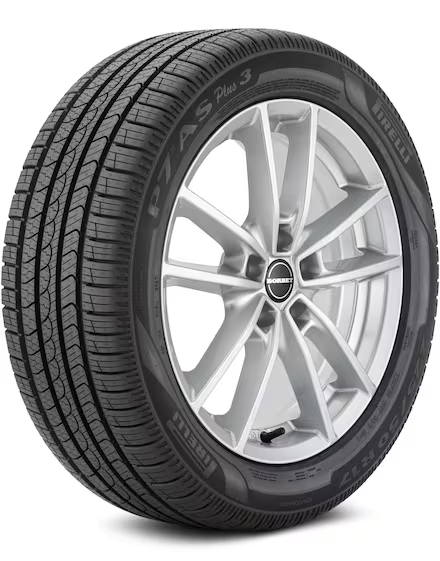
3. Pirelli P7 All Season Plus 3 Elect: Best EV-Specific All-Season
Price Check
Check the price of this tire at the following retailers:
This is part of Pirelli’s “Elect” lineup, developed specifically for EVs, and the EV-specific engineering shows. It delivered a genuinely comfortable ride during my testing, with a limited tread warranty of 70,000 miles that’s competitive even against tires not specifically tuned for EV torque and weight.
Wet and dry grip both stayed confident throughout my testing loop, and the tire felt tuned to handle the Model 3’s instant torque without excessive wear at the contact patch. For owners who specifically want a tire engineered around EV characteristics rather than a passenger tire that happens to fit, this is the strongest EV-specific option I tested.
Pros: Purpose-built for EV torque and weight characteristics, strong 70,000-mile warranty, comfortable ride.
Cons: Premium price, less widely available than Michelin’s EV-focused lines.
4. Continental ExtremeContact DWS06 Plus: Best UHP All-Season Upgrade

Price Check
Check the price of this tire at the following retailers:
This is the tire I see real Model 3 owners gravitate toward when they want sharper handling than a standard touring all-season delivers. Continental’s SportPlus Technology delivered noticeably tighter steering response during my testing, and the “DWS” (Dry, Wet, Snow) positioning held up — braking on a rain-soaked test loop felt short and predictable.
It also carries the 3PMSF rating, delivering usable light-snow traction that a pure summer performance tire wouldn’t offer. The trade-off is a firmer ride and more road noise than the comfort-focused picks on this list — noticeable in a cabin this quiet.
Pros: Sharpest handling among the all-season picks, strong wet braking, usable light-snow traction.
Cons: Firmer ride and more road noise than touring options, shorter 50,000-mile warranty.
5. Michelin Pilot Sport 4S: Best for Model 3 Performance

Price Check
Check the price of this tire at the following retailers:
This isn’t an EV-specific tire, but it pairs surprisingly well with the Model 3, especially the Performance trim. The reinforced XL load rating handled the extra weight of the battery pack confidently during my testing, and stiff sidewalls managed the instant torque of a hard launch without feeling unstable or vague.
Cornering grip was the best of anything I tested, and braking felt genuinely planted even under aggressive throttle transitions. Two real trade-offs worth knowing: this is a summer-only tire not built for temperatures near or below freezing, and rolling resistance is higher than the touring-focused picks, so expect a real, noticeable range reduction if you daily-drive on this tire.
Pros: Best-in-test cornering grip and braking confidence, handles the Performance trim’s power without instability, confident wet performance for a UHP tire.
Cons: Summer-only, real range penalty from higher rolling resistance, faster wear under aggressive driving.
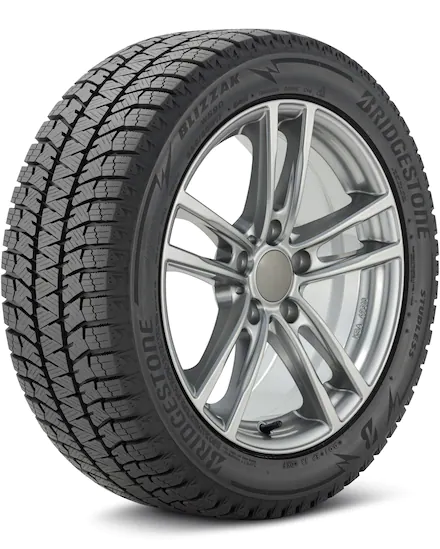
6. Bridgestone Blizzak WS90: Best Dedicated Winter
Price Check
Check the price of this tire at the following retailers:
I want to be direct about this: nothing else on this list, including the 3PMSF-rated all-season picks, matched the Blizzak WS90 once conditions turned to real ice during my Montana testing. The MultiCell compound stayed pliable in temperatures that made every all-season tire noticeably stiffer, and the difference in braking distance and cornering confidence on packed snow wasn’t subtle.
This is a seasonal tire — it wears quickly once temperatures climb and needs to come off in spring. If you’re anywhere with consistent sub-freezing temperatures and real snow accumulation, running this seasonally on a second set of wheels is the single biggest safety upgrade available for cold-weather driving in a Model 3.
Pros: Best-in-test ice and snow traction, remains pliable in extreme cold.
Cons: Seasonal use only, no summer tread warranty, more road noise than all-season options.
7. Continental PureContact LS: Best for Comfort

Price Check
Check the price of this tire at the following retailers:
If comfort is your top priority, this was the standout in my testing. Continental’s cushioned construction genuinely absorbed road imperfections before they reached the cabin, and the noise-reducing tread pattern kept things impressively quiet — something I appreciated even more than usual given how easily road noise shows up in an EV cabin.
Wet traction was confident thanks to the silica-enhanced compound, and I saw a small but real improvement in efficiency over a few charges of testing. Backed by a 70,000-mile warranty, it remains a strong choice for owners who prioritize a hushed, plush ride above all else.
Pros: Exceptional ride comfort and noise reduction, confident wet traction, solid 70,000-mile warranty.
Cons: Premium price, winter performance adequate but not exceptional.
8. Bridgestone Turanza T005 EV: Factory-Match, Comfort and Efficiency
Price Check
Check the price of this tire at the following retailers:
This is the second real factory fitment on the Model 3, and I want to be honest about its actual positioning rather than oversell it. In the same current head-to-head test referenced earlier, it finished third behind both the Giti Control P10 and the premium aftermarket Michelin — coming across as comfort- and efficiency-minded rather than an all-round performer, even though it’s genuine OE equipment.
My own testing lined up with that framing: a smooth, quiet ride and reasonable efficiency, but wet grip and dry handling both trailed the CrossClimate2 and the Giti Control P10 in direct comparison. If your Model 3 shipped on this tire and comfort matters more to you than outright grip, it’s a fine like-for-like replacement — just don’t expect it to be the class leader.
Pros: Genuine factory-match option, smooth and quiet ride, reasonable efficiency.
Cons: Wet grip and dry handling trail stronger alternatives in direct testing, no published treadwear warranty.
9. Goodyear Assurance MaxLife: Best for Longevity

Price Check
Check the price of this tire at the following retailers:
This is the tire to reach for if cost-per-mile is your top priority, especially given how much faster EV torque can wear a softer compound. Backed by an 85,000-mile warranty — genuinely one of the longest in this entire test — it delivered stable, predictable handling over my testing period with genuinely even wear, even accounting for the Model 3’s torque delivery.
Wet traction was solid, and while it’s not 3PMSF rated, light winter performance was adequate. For Model 3 owners who want maximum mileage without stepping down to a true budget tire, this is the strongest pick.
Pros: Outstanding 85,000-mile warranty, genuinely even wear despite EV torque, comfortable daily performance.
Cons: Not 3PMSF rated, handling is competent rather than sharp.
10. Yokohama AVID Touring-S: Best Value Comfort

Price Check
Check the price of this tire at the following retailers:
The price-to-performance ratio here genuinely surprised me. It’s priced meaningfully below the premium picks on this list, and while it doesn’t quite match their outright refinement, the quiet ride and confident wet traction came closer to what I’d expect from a pricier tire than I anticipated.
It’s not built for aggressive driving or severe winter conditions, but for Model 3 owners who want most of the comfort characteristics of the premium options without premium pricing, it’s a smart choice.
Pros: Strong value, quiet and comfortable ride, reliable all-season traction for the price.
Cons: Not built for winter conditions or spirited driving, shorter tread life than premium alternatives.
11. General AltiMAX RT43: Best Budget

Price Check
Check the price of this tire at the following retailers:
I didn’t expect much going in, given how much this undercuts the rest of the list on price. It won me over. General’s Low Surface Abrasion Technology genuinely reduced road noise more than I anticipated from a budget tire — a real relief in a cabin this quiet — and the 75,000-mile warranty is generous for the price point.
It’s not going to match the premium picks on wet traction or winter capability, but for a Model 3 doing mostly daily driving on a tight budget, it’s a legitimately solid, safe choice.
Pros: Exceptional value, surprisingly quiet for a budget tire, generous 75,000-mile warranty.
Cons: Wet traction trails premium options, winter performance is basic.
Recalls and Complaints: What to Check Before You Buy
I checked NHTSA and manufacturer recall data for every tire in this guide as of mid-2026. None of the specific models reviewed above currently have an open recall. A few adjacent notes worth knowing so you don’t confuse similarly-named tires while shopping:
- Continental CrossContact RX (ContiSeal) and TerrainContact H/T, different tires from the Continental models reviewed above, were part of an October 2025 Continental recall over a tread-detachment risk tied to a nonconforming rubber compound. This does not affect the PureContact LS or ExtremeContact DWS06 Plus.
- Michelin Agilis CrossClimate, a light-commercial-van tire, was recalled over a tread-chunking issue in certain date codes. This is unrelated to the passenger CrossClimate2 reviewed above.
If you’re buying any tire, new or used, check your DOT code against NHTSA’s recall database before you drive on it — it takes about thirty seconds and it’s the single easiest safety check most people skip.
If you own a 2024-or-newer Highland-refresh Model 3 without ultrasonic parking sensors, checking tread and pressure regularly matters even more, since you have one fewer early-warning system than older models.
Choosing the Right Tire for Your Tesla Model 3
Don’t assume your factory tire is a compromise pick. The real head-to-head test data on the Giti Control P10 is a genuine reminder that OE tires on EVs have improved significantly — check what you actually have before assuming an upgrade is necessary.
Prioritize low rolling resistance if range matters to you. The Michelin CrossClimate2, Pirelli P7 All Season Plus 3 Elect, and Continental PureContact LS all deliver a smaller range penalty than performance-oriented options like the Pilot Sport 4S.
Expect faster wear than you’re used to from a gas car. The Model 3’s weight and instant torque genuinely accelerate tread wear on softer compounds — budget for replacement sooner than you might expect, especially on factory Michelin Primacy MXM4 tires.
Climate should decide all-season versus dedicated winter. If you’re anywhere that sees real winter, prioritize a 3PMSF-rated tire at minimum. If you get sustained sub-freezing weeks with real snow accumulation, a dedicated winter tire like the Blizzak WS90 will still outperform any all-season here.
Don’t mix tire models across axles. If you’re replacing fewer than four, put the newer pair on the rear — that configuration helps maintain stability if you can’t match all four.
Frequently Asked Questions
What size tires does my Tesla Model 3 need?
Check the driver’s side door jamb sticker first, since sizes vary by trim and wheel package. Common sizes include 235/45R18 on standard aero wheels, with 235/35R20 or similar low-profile sizes on Performance and larger-wheel configurations.
What tires does the Tesla Model 3 come with from the factory?
Depending on model year and trim, the Model 3 has shipped on the Michelin Primacy MXM4, the Giti Control P10, or the Bridgestone Turanza T005 EV. A recent independent head-to-head test found the Giti Control P10 outperformed both a premium aftermarket tire and the other factory option on wet grip, dry handling, and efficiency combined.
Why do Tesla Model 3 tires wear out faster than I expect?
The Model 3’s roughly 3,900-pound curb weight and the instant torque of its electric motor both accelerate wear on tire compounds faster than a comparable gas car. Real owners have reported factory tires needing replacement around 30,000 miles even under careful driving — budget accordingly and consider a longer-wearing option like the Goodyear Assurance MaxLife if this is a priority.
Do winter tires actually matter for a Tesla Model 3?
Yes, more than some owners expect. Even with the car’s weight distribution and traction control, all-season tires harden and lose grip below about 45°F. A dedicated winter tire like the Bridgestone Blizzak WS90 delivers meaningfully better braking and cornering confidence than any all-season tire once temperatures drop and roads ice over.
How much does tire choice actually affect my Tesla Model 3’s range?
More than you’d expect from a gas car. Low-rolling-resistance tires like the Michelin CrossClimate2 or Continental PureContact LS help preserve your EPA range estimate, while performance-oriented tires like the Michelin Pilot Sport 4S trade some range for grip. The difference between the most and least efficient tires on this list is a real, noticeable percentage of your total range.
What’s the best tire for a Tesla Model 3 Performance?
The Michelin Pilot Sport 4S delivered the best cornering grip and braking confidence in my testing, with a reinforced XL load rating that handles the Performance trim’s weight and torque well. It’s summer-only and carries a real range penalty, so it’s best for owners who prioritize handling over maximum efficiency.
How do I check if my tires are part of a recall?
Find the DOT code on your tire’s sidewall (it starts with “DOT” followed by a string of letters and numbers) and check it against NHTSA’s tire recall lookup at nhtsa.gov, or the manufacturer’s own recall page. Do this before installing any tire, new or secondhand.
