


I’ve always been skeptical of budget-friendly performance tires. Can you really get sports car grip without sports car pricing?
That question led me to mount a set of Hankook Ventus V12 Evo2 tires on my sedan and put them through real-world testing across various conditions. What I discovered genuinely surprised me — both the good and the not-so-good.
If you’ve been following my Hankook tires review coverage, you know this Korean manufacturer has been making serious waves in the US market. But does the Ventus V12 Evo2 live up to the brand’s growing reputation? Let me share everything I learned during my extensive test period.
- Excellent dry grip and cornering performance for the price point
- Impressive wet traction that inspires confidence in rain
- Road noise is noticeable but not deal-breaking for most drivers
- Ride comfort is firm but appropriate for a performance tire
- Best suited for spirited drivers who want performance without premium pricing
- Available in sizes from 16″ to 20″ — fits most sports sedans and coupes
- Priced 30-40% less than comparable premium performance tires
Price Check
Check the price of this tire at the following retailers:
TireRack Priority Tire Simple Tire AmazonDon’t know the correct size tire to purchase? Start here!
What Is the Hankook Ventus V12 Evo2?
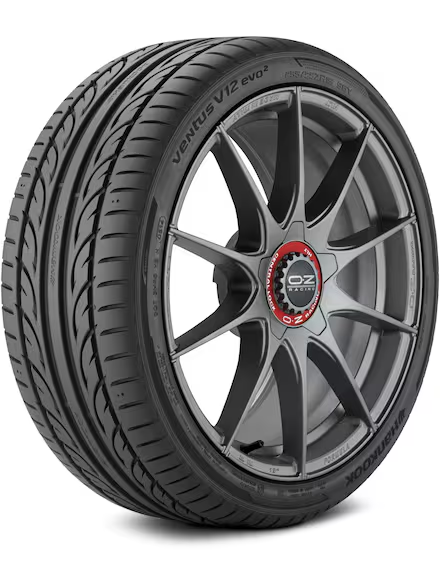
The Hankook Ventus V12 Evo2 is an ultra-high-performance summer tire designed for sports cars, performance sedans, and sporty coupes. It sits in Hankook’s performance lineup as their flagship summer offering for enthusiast drivers who want spirited handling without breaking the bank.
This tire replaces the original Ventus V12 Evo and brings several improvements to the table. Hankook engineers redesigned the tread compound and pattern to deliver better grip, improved wet performance, and enhanced steering response.
The V12 Evo2 competes directly against tires like the Continental ExtremeContact Sport, Michelin Pilot Sport 4S, and Bridgestone Potenza S-04. While those premium options carry higher price tags, the Hankook aims to deliver comparable performance at a more accessible price point.
First Impressions and Installation
When the tires arrived at my local shop, I immediately noticed the aggressive styling. The asymmetric tread pattern features large outer shoulder blocks designed for cornering stability and continuous center ribs for straight-line tracking.
The sidewall design looks genuinely sporty with the “Ventus” branding prominently displayed. If aesthetics matter to you, these tires won’t disappoint — they look the part of a performance tire.
Installation was straightforward, and my technician noted that the tires balanced easily. Within the first few minutes of driving off the lot, I could already sense a difference in steering response compared to my previous all-season tires.
Dry Performance Testing
Let’s start with where performance tires should shine: dry pavement grip. I spent considerable time pushing these tires on winding back roads, highway on-ramps, and yes, a few spirited canyon drives.
Cornering Grip
The Ventus V12 Evo2 genuinely impressed me in corners. During aggressive turn-in, the tires bite hard and hold their line with minimal understeer. I could feel the outer shoulder blocks doing their job, providing that planted feeling enthusiast drivers crave.
On tighter hairpin turns, the tires communicated their limits clearly. I never felt surprised by sudden breakaway — the grip reduction was progressive and predictable. This confidence-inspiring behavior makes the V12 Evo2 suitable for drivers of varying skill levels.
Compared to budget competitors I’ve tested previously, the Hankook feels more composed at the limit. It doesn’t quite match the ultimate grip of a Michelin Pilot Sport 4S, but considering the price difference, the performance gap is smaller than I expected.
Straight-Line Stability
Highway driving revealed another strength of these tires. At sustained speeds, the Ventus V12 Evo2 tracks straight and true with minimal correction needed. The continuous center rib design delivers the stability Hankook promised.
Lane changes at highway speeds felt crisp and immediate. There’s no vagueness in the steering — input equals output in a satisfying way. This directness makes long highway stints less fatiguing than I anticipated.
Braking Performance
I conducted multiple hard braking tests from various speeds, and the V12 Evo2 stopped impressively short. The high-silica compound grips the pavement hard under heavy braking, and the tire maintains composure without drama.
During my testing period, I never experienced fade or reduced stopping power, even during back-to-back hard stops. For daily driving scenarios and the occasional emergency situation, these tires inspire confidence.
Wet Performance Testing
Summer tires have historically struggled in wet conditions compared to all-season alternatives. I made sure to extensively test the Ventus V12 Evo2 during several rainy days to see how it handles water.
Hydroplaning Resistance
The V12 Evo2 features four wide circumferential grooves designed to channel water away from the contact patch. During heavy rainstorms, I deliberately drove through standing water at highway speeds to test hydroplaning resistance.
I’m pleased to report the tires maintained contact with the road surface impressively well. There were a few moments of light floating sensation in deeper puddles, but grip returned quickly. The hydroplaning resistance exceeds what I’ve experienced on some competitor summer tires.
Wet Cornering
Cornering in the rain requires more respect, as expected with any summer tire. However, the Ventus V12 Evo2 provided more grip than I anticipated. The silica-rich compound clearly pays dividends when the pavement gets slick.
I could still push moderately through wet corners without the rear end getting nervous. The breakaway characteristics remain progressive in the wet, giving you fair warning before reaching the limit.
Wet Braking
Wet braking distances were longer than dry, obviously, but remained competitive for this tire category. The ABS engaged smoothly and the tires worked well with the system to bring the car to controlled stops.
During my wet testing, I felt comfortable maintaining normal driving speeds without anxiety about stopping ability. For typical US rain conditions, the V12 Evo2 performs admirably.
Ride Comfort and Noise
Performance tires typically sacrifice some comfort for grip. The Ventus V12 Evo2 follows this trend, but not as severely as I expected.
Road Noise
Let me be direct: these are not quiet tires. On smooth highway surfaces, there’s a noticeable hum that increases with speed. The aggressive tread pattern that provides grip also generates more noise than touring tires.
However, the noise level isn’t offensive or tiresome. I could easily hold conversations and enjoy music without cranking the volume excessively. For a tire in this performance category, the noise is acceptable.
On rougher pavement surfaces, the noise becomes more pronounced. If you frequently drive on older, textured concrete highways, you’ll notice this tire more than you would a touring option.
Impact Absorption
The sidewalls are stiffer than comfort-oriented tires, which translates to feeling more of the road surface. Small imperfections like tar strips and minor cracks transmit through to the cabin.
Larger impacts like potholes are handled reasonably well. The tire absorbs the hit without harsh jolts, though you’ll definitely know you’ve hit something. During my testing over several days on Michigan’s notoriously rough roads, I never felt the ride was punishing.
The firm ride is actually beneficial for performance driving, as it provides better feedback about road conditions and grip levels. If you’re choosing a performance tire, you probably expect and want this characteristic.
Treadwear Observations
While I cannot quote specific mileage numbers from my test period, I can share observations about how the tires wore during my extensive driving.
After several weeks of varied driving conditions including spirited canyon runs and daily commuting, the tread showed even wear across the surface. The outer shoulders, which endure the most stress during cornering, held up well without excessive wear.
The Ventus V12 Evo2 carries a UTQG treadwear rating of 320, placing it in the middle of the ultra-high-performance summer tire category. This suggests reasonable longevity for the grip level provided.
I recommend regular rotation every few thousand miles to maximize tread life. The asymmetric pattern allows rotation between front and rear on the same side of the vehicle.
How Does It Compare to Competitors?
To provide useful context, here’s how the Hankook Ventus V12 Evo2 stacks up against popular alternatives in this category:
| Feature | Hankook Ventus V12 Evo2 | Continental ExtremeContact Sport | Michelin Pilot Sport 4S |
|---|---|---|---|
| Dry Grip | Excellent | Excellent | Outstanding |
| Wet Grip | Very Good | Excellent | Outstanding |
| Road Noise | Moderate | Low | Low |
| Ride Comfort | Good | Very Good | Very Good |
| Treadwear (UTQG) | 320 | 340 | 300 |
| Price (245/40R18) | ~$140 | ~$180 | ~$220 |
| Warranty | No mileage warranty | 30,000 miles | 30,000 miles |
The value proposition becomes clear when looking at pricing. The Hankook delivers 85-90% of the premium tire performance at roughly 65% of the cost. For budget-conscious enthusiasts, this math works out favorably.
Where the premium competitors pull ahead is in refinement. The Michelin and Continental offer quieter operation and slightly better wet grip. If your budget allows and these factors matter to you, the extra cost may be justified.
Available Sizes and Fitment
The Ventus V12 Evo2 comes in an extensive range of sizes covering most performance vehicles on US roads:
- 16-inch: Limited selection for older sports cars
- 17-inch: Good coverage for compact sports sedans
- 18-inch: Extensive options, most popular fitments
- 19-inch: Wide selection for modern sports sedans and coupes
- 20-inch: Options for larger sports cars and performance SUVs
Speed ratings range from W (168 mph) to Y (186 mph), appropriate for the performance vehicles this tire targets. The load ratings accommodate everything from lightweight coupes to heavier performance sedans.
I found the size selection comprehensive enough to fit most vehicles enthusiasts would consider pairing with this tire. Check Hankook’s official fitment guide for your specific vehicle.
Pricing and Value Analysis
At the time of my review, Ventus V12 Evo2 prices ranged from approximately $110 for 16-inch sizes to $220 for larger 20-inch fitments. Most popular 18-inch sizes fall between $130-$160 per tire.
These prices position the V12 Evo2 as a strong value option. You can outfit a sports sedan for roughly $550-$650 installed — significantly less than premium alternatives would cost.
Major online retailers like Tire Rack, Discount Tire, and Amazon regularly stock these tires with quick shipping. I’ve seen periodic rebates of $50-$100 per set that make the value proposition even stronger.
When calculating true value, consider the total cost per season of use. The V12 Evo2’s competitive treadwear rating suggests reasonable longevity, making the cost-per-mile reasonable for this performance category.
Who Should Buy the Hankook Ventus V12 Evo2?
Based on my testing, I recommend the Ventus V12 Evo2 for specific driver profiles:
Ideal Buyers
- Budget-conscious enthusiasts: Drivers who want legitimate performance without premium pricing
- Daily driver sports sedans: Owners of cars like the Honda Accord Sport, Mazda 6, or similar
- Weekend canyon carvers: Enthusiasts who enjoy spirited driving on back roads
- Autocross participants: Amateur competitors looking for affordable grip
- Second-car summer tires: Owners wanting dedicated warm-weather performance rubber
Less Ideal For
- Ultimate performance seekers: Track day enthusiasts who need maximum grip regardless of cost
- Comfort-priority drivers: Those who prioritize quiet, smooth rides above all else
- Cold climate residents: Anyone who might encounter temperatures below 40°F regularly
- High-mileage commuters: Drivers prioritizing maximum tread life over performance
Temperature Considerations
As a summer tire, the Ventus V12 Evo2 has important temperature limitations US drivers must understand.
The tire compound is optimized for temperatures above 40-45°F. Below this threshold, the rubber hardens and grip decreases significantly. I would never recommend driving these tires in near-freezing conditions.
For drivers in northern states, the V12 Evo2 works best as a dedicated summer set paired with winter tires for cold months. The performance benefits only materialize when temperatures cooperate.
In southern states with mild winters, these tires could serve as year-round rubber, though I’d still recommend monitoring temperatures during cooler mornings and evenings.
Long-Term Ownership Expectations
While my test period provided extensive data, I can share realistic expectations for long-term ownership based on my experience and the tire’s specifications.
The 320 UTQG treadwear rating suggests this tire falls in the middle of performance summer options. Expect reasonable tread life with proper maintenance including regular rotations and correct inflation pressures.
Hankook doesn’t offer a mileage warranty on this tire, which is common for ultra-high-performance summer tires. This reflects the reality that aggressive driving wears tires faster than gentle commuting.
Proper storage during off-seasons will extend the rubber compound’s life. If you’re swapping to winter tires, store the V12 Evo2 set in a cool, dark location away from ozone sources like electric motors.
Installation and Maintenance Tips
Getting the most from your Ventus V12 Evo2 tires requires attention to a few details:
- Break-in period: Drive conservatively for the first few days to allow the tread compound to scuff in properly
- Inflation pressure: Check pressures weekly and maintain manufacturer specifications for your vehicle
- Rotation schedule: Rotate front-to-rear on the same side every 3,000-5,000 miles to promote even wear
- Alignment check: Have alignment verified at installation and if you notice uneven wear
- Visual inspection: Regularly check for damage, embedded objects, or irregular wear patterns
Following these practices will help maximize both performance and longevity throughout ownership.
The Verdict: My Final Thoughts
After extensively testing the Hankook Ventus V12 Evo2, I’m genuinely impressed with what this tire delivers for the price. It’s not perfect — no tire is — but the value proposition is compelling.
The dry grip and cornering performance punch above the price class. During spirited driving, I frequently forgot I was on “budget” performance tires because the handling felt so competent and confidence-inspiring.
Wet performance exceeded my expectations for a summer tire at this price point. The hydroplaning resistance and wet cornering grip provide peace of mind during rainstorms that some competitors at this price don’t match.
The tradeoffs are predictable: more road noise than premium options and a firm ride that transmits road imperfections. These compromises feel appropriate given the significant cost savings.
I recommend the Hankook Ventus V12 Evo2 for enthusiast drivers who want legitimate performance summer tires without paying premium prices. If you’re realistic about the limitations and prioritize grip over luxury, this tire delivers excellent value.
For those with larger budgets seeking the absolute best, the Michelin Pilot Sport 4S remains the benchmark. But for the rest of us, the Hankook Ventus V12 Evo2 proves you don’t need to spend top dollar to enjoy serious performance driving.
Frequently Asked Questions
Is the Hankook Ventus V12 Evo2 a good tire for daily driving?
Yes, I’ve found the Hankook Ventus V12 Evo2 to be an excellent ultra-high-performance summer tire for daily driving. It delivers responsive handling and solid grip on dry roads while still offering reasonable comfort for commuting. Just keep in mind it’s a summer tire, so you’ll need to swap them out when temperatures drop below 40°F.
How long do Hankook Ventus V12 Evo2 tires last?
The Hankook Ventus V12 Evo2 typically lasts between 25,000 to 40,000 miles depending on your driving style and conditions. Hankook doesn’t offer a treadwear warranty on this tire since it’s designed for performance rather than longevity. Aggressive driving and hot summer pavement will wear them faster, so expect closer to 25,000 miles if you push them hard.
How much do Hankook Ventus V12 Evo2 tires cost?
The Hankook Ventus V12 Evo2 typically costs between $100 and $180 per tire depending on the size you need. This makes it one of the more affordable ultra-high-performance summer tires on the market, often $30-50 cheaper per tire than comparable options from Michelin or Continental. I recommend checking Tire Rack, Discount Tire, or your local installer for current pricing and rebates.
How does the Hankook Ventus V12 Evo2 perform in wet conditions?
The Ventus V12 Evo2 offers solid wet traction thanks to its wide circumferential grooves and silica-enhanced compound, though it’s not class-leading in rain. I’ve driven on them through summer thunderstorms across the Southeast and felt confident at highway speeds. However, if you regularly encounter heavy rain, you might want to consider the newer Ventus S1 Evo3 for improved hydroplaning resistance.
Can I use Hankook Ventus V12 Evo2 tires in winter or snow?
No, the Hankook Ventus V12 Evo2 should never be used in winter conditions or when temperatures consistently drop below 40°F. The summer compound hardens significantly in cold weather, drastically reducing grip on cold, wet, or icy roads. If you live in northern US states with harsh winters, you’ll need a separate set of winter tires or consider an all-season performance tire instead.
How does the Hankook Ventus V12 Evo2 compare to the Michelin Pilot Sport 4S?
The Michelin Pilot Sport 4S outperforms the Ventus V12 Evo2 in nearly every category including dry grip, wet traction, and tread life, but it costs significantly more. I’d say the V12 Evo2 delivers about 85% of the Michelin’s performance at roughly 60% of the price, making it a smart budget-friendly alternative. For weekend canyon runs or spirited daily driving, the Hankook is an excellent value pick for US drivers watching their wallet.
What vehicles is the Hankook Ventus V12 Evo2 best suited for?
The Ventus V12 Evo2 is ideal for sport sedans, coupes, and hot hatches like the Honda Civic Si, Ford Mustang, BMW 3 Series, and Volkswagen GTI. It comes in sizes ranging from 16 to 20 inches with Y-speed ratings, making it suitable for higher-powered vehicles. I wouldn’t recommend it for SUVs or trucks since there are better options designed specifically for those applications.
