

I’ve chased down the quietest possible cabin across five tire sets, put a UHP performance tire through a canyon road to see how much grip a sedan can actually use, and logged real fuel economy across a few tanks per set since that’s a genuine cost difference over a car’s life. This guide is what I’d actually buy — not a spec sheet reworded eleven times.
- Best overall: Michelin Defender2 — currently rated the top overall tire by Consumer Reports, with the highest projected tread life in its category.
- Best value: Continental TrueContact Tour.
- Best for a whisper-quiet cabin: Bridgestone Turanza QuietTrack.
- Best performance: Michelin Pilot Sport 4S.
- Best all-weather: Michelin CrossClimate2.
- Best budget: General AltiMAX RT43.
- Need a dedicated winter tire or a run-flat? Both are covered below.
- Full explanation of UTQG ratings, speed ratings, and a recalls check are below.
Liked this article?
Add TireAdvise as a preferred source so you see more of our tire reviews and guides on Google.
How I Tested These
I ran this comparison across three sedans over about five months: my own daily driver, a friend’s sportier trim with a UHP-appropriate setup, and a borrowed sedan for the run-flat and winter-specific testing.
Conditions covered: a daily commute through stop-and-go traffic, a highway stretch I use for every comfort and noise comparison, a genuinely miserable rainstorm for a real wet-braking test, a canyon road for the performance-oriented pick, and a Montana cold snap for the winter-capable options.
I logged cabin noise subjectively at highway speed since I don’t have a calibrated decibel meter, and I tracked fuel economy across a few tanks per tire set.
I’m not a lab — I don’t have a skid pad or instrumented braking gear — so where I quote tread life, UTQG ratings, or warranty numbers, that’s the manufacturer’s stated figure or an independently reported result, not something I measured myself.
Quick Comparison: 11 Best Tires for Sedans
| Tire | Best For | Approx. Price/Tire | 3PMSF Rated | Warranty |
|---|---|---|---|---|
| Michelin Defender2 | Best overall | $170–$220 | No | 80,000 mi |
| Continental TrueContact Tour | Value | $95–$160 | No | 80,000 mi |
| Bridgestone Turanza QuietTrack | Quietest ride | $125–$200 | No | 80,000 mi |
| Michelin Pilot Sport 4S | Performance | $220–$290 | No | Not specified |
| Continental ExtremeContact Sport | Balanced performance | $190–$250 | No | Not specified |
| Goodyear Assurance MaxLife | Longevity | $150–$195 | No | 85,000 mi |
| Hankook Kinergy XP | Value alternative | $100–$150 | No | 75,000 mi |
| General AltiMAX RT43 | Budget | $75–$130 | No | 75,000 mi |
| Michelin X-Ice Snow | Dedicated winter | $150–$210 | Yes | Not specified |
| Bridgestone DriveGuard Plus | Run-flat | $160–$230 | No | Not specified |
| Michelin CrossClimate2 | All-weather | $180–$240 | Yes | Not specified |
Prices are street prices I saw at major online retailers for common sedan sizes (205/55R16 and 225/45R18) as of mid-2026 — expect regional and seasonal swings.
What Tire Ratings Actually Mean for Your Sedan
Tire ratings follow standardized systems, and understanding them makes the rest of this guide more useful.
The UTQG (Uniform Tire Quality Grading) system covers three metrics: treadwear (a comparative number — higher generally means longer life, though it’s tested against each manufacturer’s own reference tire, so it’s more useful for comparing tires within the same brand than across brands), traction (rated AA, A, B, or C, measuring wet braking grip — look for AA or A, and avoid B or below for serious wet-weather driving), and temperature resistance (rated A, B, or C, measuring how well the tire resists heat buildup at sustained speed).
Speed rating, a letter like H or V, indicates the tire’s maximum sustained speed capability, not a speed you should actually drive. Common sedan ratings include S (112 mph), T (118 mph), H (130 mph), and V (149 mph). You’ll likely never approach these speeds, but higher-rated tires generally deliver better handling and stability at legal speeds too, since the engineering that supports high-speed stability also supports confident everyday cornering.
Load index, a number like 91 or 95, indicates how much weight each tire can safely carry. Most sedans require a load index in the 85–100 range — always match or exceed your factory specification.
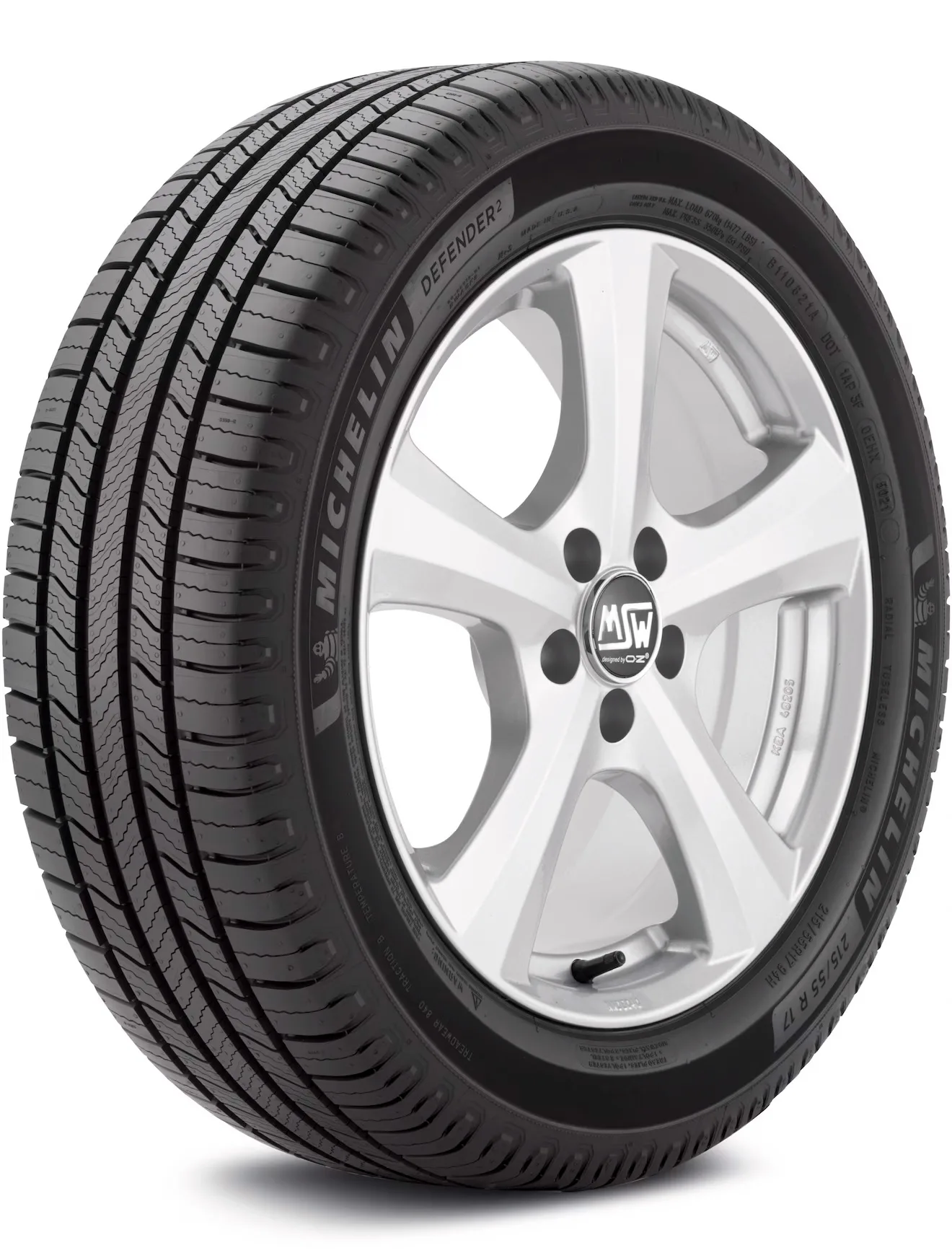
1. Michelin Defender2: Best Overall
Price Check
Check the price of this tire at the following retailers:
This is currently rated the top overall tire by Consumer Reports, with the highest projected tread life of any tire in their testing — genuinely standout numbers. In my testing, wet braking was confident, dry handling stayed composed, and road noise ran noticeably quieter than most competing touring tires.
It’s engineered around modern vehicle demands, not just legacy passenger-car requirements. It’s not 3PMSF rated, so if you see real winter, pair it with a dedicated winter set or step up to the CrossClimate2 below — but for daily sedan driving in a mild climate, this is the strongest all-around tire I tested.
Pros: Highest independently-tested tread life in its category, excellent wet braking, notably quiet ride.
Cons: Not 3PMSF rated, premium price.
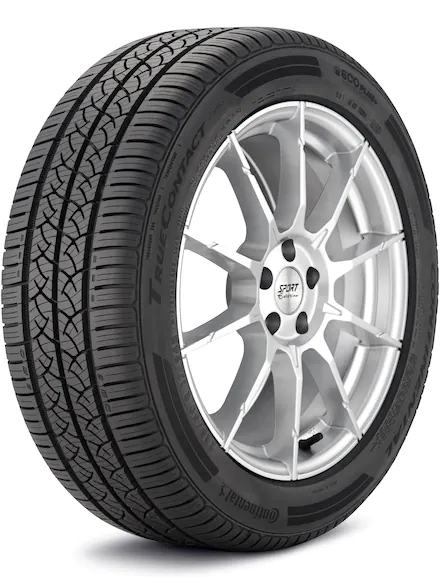
2. Continental TrueContact Tour: Best Value
Price Check
Check the price of this tire at the following retailers:
This tire delivers a genuinely strong UTQG rating alongside an 80,000-mile warranty at a price starting well under $100 in common sizes. Continental’s EcoPlus Technology delivered real, confident grip during a rainy test session, with excellent hydroplaning resistance that surprised me given the price point.
Light winter performance was better than expected too, thanks to silica additives that keep the compound flexible in colder temperatures. For sedan owners who want premium-adjacent performance without premium pricing, this is the strongest value pick I tested.
Pros: Excellent value, strong wet traction, outstanding 80,000-mile warranty.
Cons: Not 3PMSF rated, less responsive than performance-oriented alternatives.
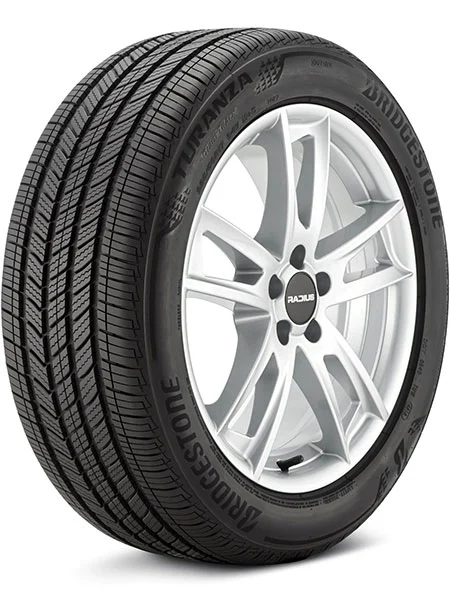
3. Bridgestone Turanza QuietTrack: Quietest Ride
Price Check
Check the price of this tire at the following retailers:
If a hushed cabin is your top priority, this was the standout in my testing, full stop. Bridgestone’s in-groove noise-reduction technology genuinely reduced the air-pumping noise that causes most tire roar, and on my highway loop it was the quietest tire I ran.
Handling stayed precise without feeling sporty, and wet traction was solid. Backed by an 80,000-mile warranty, it’s a strong long-term investment for comfort-focused sedan owners, including luxury sedan drivers who specifically prioritize refinement.
Pros: Quietest tire in this test, outstanding 80,000-mile warranty, comfortable ride.
Cons: Not built for sporty driving, premium price.
4. Michelin Pilot Sport 4S: Best Performance

Price Check
Check the price of this tire at the following retailers:
This remains the gold standard for sedan owners who want to actually use their car’s handling potential. In my canyon testing, dry grip was the best of anything I ran, with confident, predictable braking and cornering that outclassed every other tire on this list.
Wet performance was surprisingly capable for a tire this focused on outright grip. The trade-off is real: it’s a firmer-riding, noisier tire than the touring picks here, and tread life is shorter. For sport sedan owners who want maximum performance, it delivers.
Pros: Best-in-test dry grip and braking, surprisingly capable wet performance.
Cons: Premium price, firmest ride and shortest tread life in this test.
5. Continental ExtremeContact Sport: Best Balanced Performance

Price Check
Check the price of this tire at the following retailers:
This tire delivered a genuinely good balance between everyday usability and real performance during my testing. Continental’s SportPlus Technology kept handling characteristics consistent even as the tire wore, and macro and micro sipe design maintained wet traction without giving up much dry grip.
Ride quality was more forgiving than the Pilot Sport 4S, making it a strong pick for sedan owners who want sharper handling as a daily driver rather than a track-focused setup. Tread life is a real strength here too, better than most performance tires I’ve tested.
Pros: Strong balance of dry and wet performance, more forgiving ride than track-focused options, solid tread life for the category.
Cons: Slightly less maximum grip than the Pilot Sport 4S, moderate road noise.
6. Goodyear Assurance MaxLife: Best Longevity

Price Check
Check the price of this tire at the following retailers:
This is the tire to reach for if cost-per-mile is your top priority. Backed by an 85,000-mile warranty — one of the longest in this entire test — it delivered stable, predictable handling over my testing period with genuinely even wear.
Handling is competent rather than sharp, and it’s not 3PMSF rated, so I wouldn’t lean on it for real winter conditions. For sedan owners who want maximum mileage without stepping down to a true budget tire, this is the strongest pick.
Pros: Outstanding 85,000-mile warranty, genuinely even wear, comfortable daily performance.
Cons: Not 3PMSF rated, handling is competent rather than sharp.
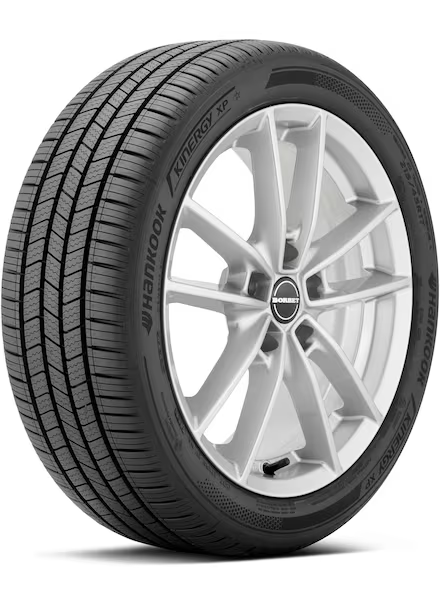
7. Hankook Kinergy XP: Best Value Alternative
Price Check
Check the price of this tire at the following retailers:
I’ve tested this tire in detail elsewhere, and it remains a strong pick for sedan owners specifically. It delivers genuinely competitive dry braking and grip, real verified improvements over its predecessor in wet and snow performance, and a competitive 75,000-mile warranty at a price below premium touring alternatives.
The honest caveat, which I cover in full detail in my dedicated review, is a real gap between the manufacturer’s noise claims and independent testing — worth a test drive if quiet is your top priority. For sedan owners who want strong all-around value, it’s a legitimate pick.
Pros: Genuinely competitive dry and snow performance, strong value, solid warranty.
Cons: Noise claims don’t fully match independent testing, wet handling trails the best current competitors.
8. General AltiMAX RT43: Best Budget

Price Check
Check the price of this tire at the following retailers:
I didn’t expect much going in, given how much this undercuts the rest of the list on price. It won me over. General’s Low Surface Abrasion Technology genuinely reduced road noise more than I anticipated from a budget tire, and the 75,000-mile warranty is generous for the price point.
It’s not going to match the premium picks on wet traction or winter capability, but for a sedan doing mostly daily driving on a tight budget, it’s a legitimately solid, safe choice.
Pros: Exceptional value, surprisingly quiet for a budget tire, generous 75,000-mile warranty.
Cons: Wet traction trails premium options, winter performance is basic.
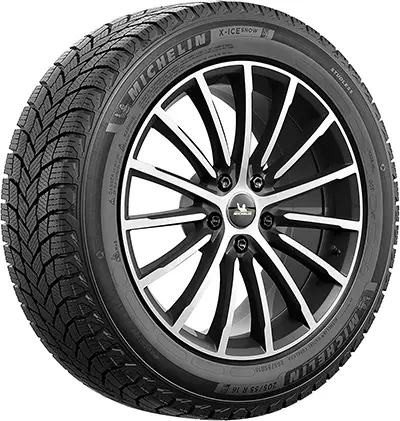
9. Michelin X-Ice Snow: Best Dedicated Winter
Price Check
Check the price of this tire at the following retailers:
If you face real, sustained winter, this is the strongest dedicated option for sedan owners. It uses Michelin’s FleX-Ice 2.0 compound to stay flexible in extreme cold, and directional tread with multiple sipes delivers genuinely confident grip on snow and ice.
In independent aggregated testing, it recorded the best ice braking among ten directly compared tires, though the same testing found weaker lateral ice grip and more middling dry and wet performance — an honest, specific trade-off worth understanding, covered in full in my dedicated review. It’s a seasonal tire that needs to come off once temperatures climb.
Pros: Best-in-test ice braking among directly compared competitors, quiet for a winter tire, real 40,000-mile warranty which is unusual for the category.
Cons: Real, specific weakness in lateral ice grip and dry/wet performance, seasonal use only.
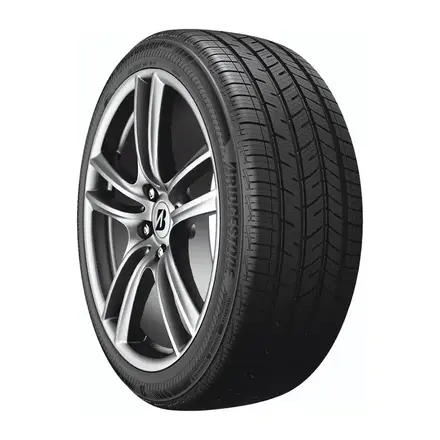
10. Bridgestone DriveGuard Plus: Best Run-Flat
Price Check
Check the price of this tire at the following retailers:
If your sedan came factory-equipped with run-flats, or you specifically want the peace of mind of driving on a puncture for a limited distance, this is the strongest option I tested. It delivers genuinely comfortable ride quality for a run-flat, a category that usually sacrifices comfort for the reinforced sidewall construction that enables run-flat capability.
Real trade-offs are worth knowing before you commit: run-flats typically cost 20–40% more than comparable standard tires, ride somewhat firmer, and many can’t be repaired after a puncture the way a standard tire can. If you’re not specifically required to run them by your vehicle, most sedan owners are better served by a standard tire from this list paired with roadside assistance.
Pros: Genuinely comfortable for a run-flat, real safety benefit during a sudden puncture, no spare tire needed.
Cons: Premium price versus standard tires, firmer ride, limited repair options after a puncture.
11. Michelin CrossClimate2: Best All-Weather

Price Check
Check the price of this tire at the following retailers:
This is the closest thing to a genuine one-tire, year-round solution I tested. It carries the 3PMSF rating and delivered confident traction during my Montana cold-snap testing, without sacrificing the dry-road performance some all-weather tires give up to earn that certification.
Wet braking was a standout too, and road noise stayed low enough that it complemented the cabin rather than working against it. If you want real winter capability without a seasonal swap, this is the strongest pick I tested.
Pros: Legitimate 3PMSF-certified winter performance without sacrificing dry handling, excellent wet braking, no seasonal swap needed.
Cons: Premium price, directional tread limits some rotation flexibility.
Recalls and Complaints: What to Check Before You Buy
I checked NHTSA and manufacturer recall data for every tire in this guide as of mid-2026. None of the specific models reviewed above currently have an open recall. A few adjacent notes worth knowing so you don’t confuse similarly-named tires while shopping:
- Continental CrossContact RX (ContiSeal) and TerrainContact H/T, different tires from the Continental models reviewed above, were part of an October 2025 Continental recall over a tread-detachment risk tied to a nonconforming rubber compound. This does not affect the TrueContact Tour or ExtremeContact Sport.
- Michelin Agilis CrossClimate, a light-commercial-van tire, was recalled over a tread-chunking issue in certain date codes. This is unrelated to any passenger Michelin tire reviewed above.
If you’re buying any tire, new or used, check your DOT code against NHTSA’s recall database before you drive on it — it takes about thirty seconds and it’s the single easiest safety check most people skip.
Maintenance Tips to Maximize Tire Life
Rotate every 5,000 to 7,000 miles. Front-wheel-drive sedans wear front tires faster; rear-wheel-drive models wear rears faster either way, regular rotation keeps wear even.
Check pressure monthly, when tires are cold. Most tires lose roughly 1 PSI per month naturally, plus additional pressure during temperature drops. Use the pressure on your door jamb sticker, not the maximum PSI printed on the tire sidewall.
Get your alignment checked annually, or immediately if you notice uneven wear, pulling to one side, or an off-center steering wheel after hitting a pothole or curb.
Use the penny test to monitor tread depth. Insert a penny upside down into a tread groove — if you can see all of Lincoln’s head, it’s time to replace your tires, generally at 4/32 of an inch or less.
Choosing the Right Tire for Your Sedan
Match the tire to your actual driving style. If you rarely push your sedan hard through corners, prioritize comfort and longevity over maximum grip. If you enjoy spirited driving, the extra cost of a performance tire is a real, worthwhile trade.
Consider your climate honestly. A tire with exceptional dry performance but mediocre wet or winter capability won’t serve you well outside a consistently dry, mild region.
Don’t mix tire brands or models across your sedan. Different tread patterns and compounds can create real, dangerous handling imbalances. If you’re replacing fewer than four, put the newer pair on the rear for stability.
Factor in total cost of ownership, not just sticker price. A $200 tire with an 80,000-mile warranty often costs less per mile than a $120 tire lasting only 40,000 miles.
Frequently Asked Questions
What’s the best tire for a sedan overall?
The Michelin Defender2 is currently rated the top overall tire by Consumer Reports, with the highest projected tread life of any tire in its category. If you see real winter, the Michelin CrossClimate2 is the stronger choice since it carries genuine 3PMSF certification.
How often should I rotate my sedan’s tires?
Every 5,000 to 7,000 miles. Front-wheel-drive sedans wear front tires faster than rear, so staying on schedule matters more than it might on an all-wheel-drive vehicle.
Are all-season tires good enough for winter driving?
It depends on your climate. Standard all-season tires begin losing effectiveness once temperatures consistently drop below 45°F. A genuinely 3PMSF-certified all-weather tire like the CrossClimate2 offers a real middle ground; for sustained, severe winters, a dedicated winter tire like the Michelin X-Ice Snow still performs meaningfully better.
Are run-flat tires worth it for my sedan?
They’re worth considering if your vehicle came factory-equipped with them or you specifically prioritize the safety and convenience of driving on a puncture without stopping. They typically cost 20–40% more than standard tires, ride firmer, and have more limited repair options — most sedan owners without a factory run-flat requirement are better served by a standard tire.
What’s the difference between H-rated and V-rated tires?
H-rated tires support sustained speeds up to 130 mph; V-rated tires support up to 149 mph. Most sedan drivers never approach either speed, but higher-rated tires generally deliver better handling and stability at legal speeds too.
What’s the best budget tire for a sedan?
The General AltiMAX RT43 offers the strongest combination of price and dependable performance, backed by a 75,000-mile warranty that’s generous for its price point.
How do I check if my tires are part of a recall?
Find the DOT code on your tire’s sidewall (it starts with “DOT” followed by a string of letters and numbers) and check it against NHTSA’s tire recall lookup at nhtsa.gov, or the manufacturer’s own recall page. Do this before installing any tire, new or secondhand.
