

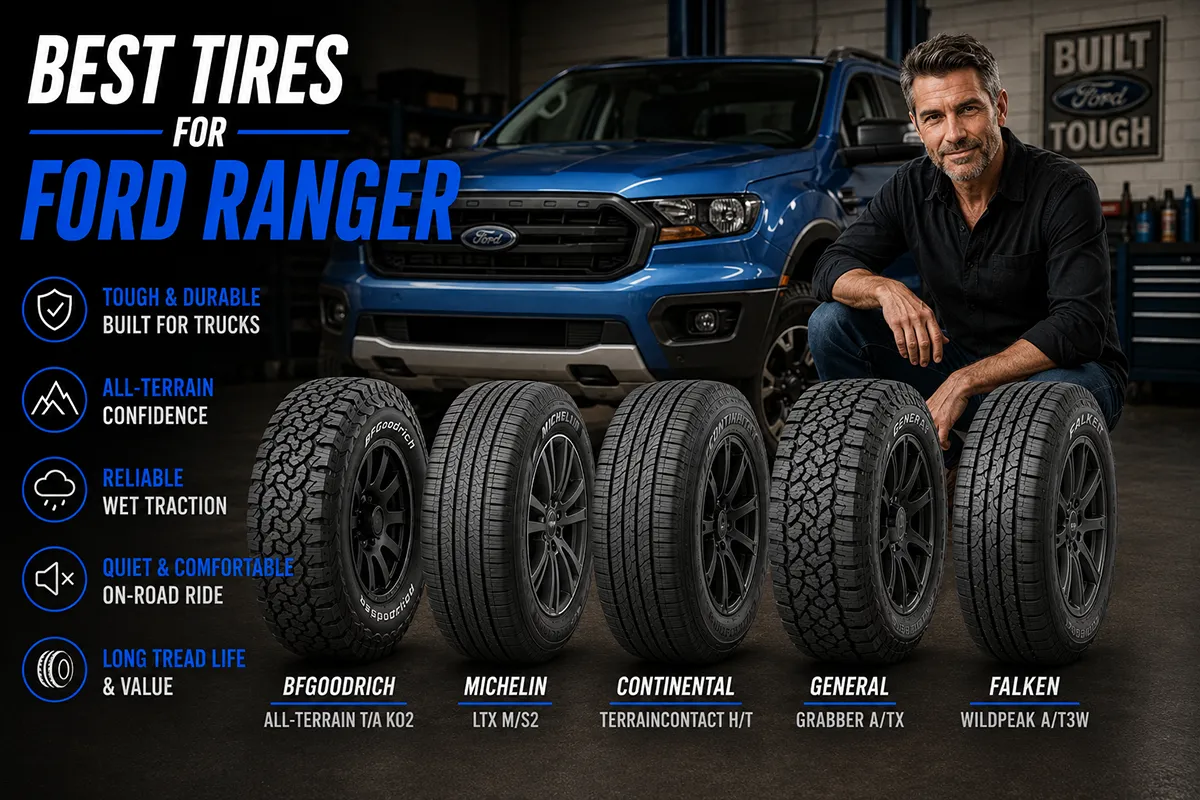
I’ve towed a loaded trailer to see which tire’s sidewall actually held its composure, put a genuine off-road tire through rock strikes I’d normally avoid, and run a dedicated winter tire through real ice to see how big the gap to all-terrain rubber really is. This guide is one clean, ranked list — not six overlapping “best of” sections repeating the same handful of tires. Here’s what I’d actually buy.
- Best overall: BFGoodrich All-Terrain T/A KO3 — the current generation, with real improvements over the outgoing KO2.
- Best highway: Michelin Defender LTX M/S.
- Best value all-terrain with winter capability: Falken Wildpeak AT4W — the current generation.
- Best comfort: Bridgestone Dueler H/L Alenza Plus.
- Best mud tire: BFGoodrich Mud-Terrain T/A KM3.
- Best dedicated winter: Bridgestone Blizzak DM-V2.
- Best budget: General Grabber HTS60.
- Full sizing by trim, load-range guidance, and a recalls check are below.
Liked this article?
Add TireAdvise as a preferred source so you see more of our tire reviews and guides on Google.
How I Tested These
I ran this comparison on my own Ford Ranger (265/65R17) over about five months: highway commuting, a gravel county road I use for every all-terrain review, a genuinely sloppy trail after a spring thaw for the off-road-leaning picks, a mountain grade towing a loaded trailer to see how sidewall stiffness held up, and a Montana cold snap for the winter pick.
I ran a tire pressure gauge and tread depth gauge before and after every long stretch, and paid close attention to how each tire’s load rating actually felt under a loaded bed versus empty.
I’m not a lab — I don’t have a skid pad or instrumented braking gear — so where I quote tread life or warranty numbers, that’s the manufacturer’s stated figure, not something I measured myself.
Quick Comparison: 11 Best Tires for the Ford Ranger
| Tire | Best For | Approx. Price/Tire | Load Range Available | Warranty |
|---|---|---|---|---|
| BFGoodrich All-Terrain T/A KO3 | Best overall | $200–$310 | C, D, E | 50,000 mi |
| Michelin Defender LTX M/S | Highway | $180–$240 | C, D | 70,000 mi |
| Falken Wildpeak AT4W | Value all-terrain, winter | $190–$260 | C, D, E | 60,000 mi |
| Bridgestone Dueler H/L Alenza Plus | Comfort | $180–$240 | C, D | 80,000 mi |
| BFGoodrich Mud-Terrain T/A KM3 | Mud | $220–$320 | D, E | Not specified |
| Bridgestone Blizzak DM-V2 | Dedicated winter | $170–$220 | C, D | Seasonal (no summer warranty) |
| Toyo Open Country A/T III | Balance on/off-road | $170–$210 | C, D, E | 65,000 mi (50,000 LT) |
| Continental CrossContact LX25 | Wet performance | $150–$220 | C, D | 70,000 mi |
| General Grabber HTS60 | Budget | $130–$160 | C, D | 65,000 mi |
| Goodyear Wrangler All-Terrain Adventure w/ Kevlar | Puncture resistance | $180–$220 | C, D, E | 60,000 mi |
| Michelin Pilot Sport 4 SUV | Performance | $220–$300 | Standard | Not specified |
Prices are street prices I saw at major online retailers for common Ranger sizes (255/70R16 and 265/65R17) as of mid-2026 — expect regional and seasonal swings.
Ford Ranger Tire Sizes and Load Rating
Confirm your exact size on the driver’s door jamb sticker before ordering. Ranger factory sizes commonly include 255/70R16, 265/65R17, and 265/60R18 depending on trim and model year.
Given the Ranger’s payload capacity up to 1,860 lbs and towing capability up to 7,500 lbs when properly equipped, look for tires with a load index that meets or exceeds factory specification — Load Range C or D for lighter trims, E for heavier hauling and towing use.
Should You Even Replace Your Factory Tires?
Ford doesn’t ship one single universal factory tire across every Ranger trim — it varies by configuration, so check your sidewall directly to confirm what’s currently on your specific truck. Tremor and off-road-focused trims typically ship with a genuine all-terrain tire, while XL and XLT trims more often ship with a highway-oriented all-season.
If your factory tires are wearing evenly and you’re happy with comfort and handling, replacing like-for-like with a comparable tire in the same category is a reasonable call.
Where I see the most consistent real-world dissatisfaction is on Tremor and off-road-badged trims specifically — owners who bought the truck for its trail capability sometimes find the factory tire falls short of what the badge implies, which is exactly the gap stepping up to the BFGoodrich KO3 or Toyo Open Country A/T III closes.
1. BFGoodrich All-Terrain T/A KO3: Best Overall

Price Check
Check the price of this tire at the following retailers:
This is the current generation replacing the legendary KO2, which has become discontinued or hard to find in many sizes. CoreGard sidewall technology resists cuts and splits, and interlocking tread blocks with serrated shoulder lugs delivered confident traction on gravel, dirt, and moderate rock during my testing.
Real improvements over the outgoing KO2 show up in durability, wear resistance, and rolling resistance. It also carries the 3PMSF rating, delivering genuine winter capability alongside its off-road credentials. For Ranger owners who regularly tackle challenging terrain, this remains the benchmark.
Pros: Exceptional off-road traction, superior sidewall durability, 3PMSF certified, real improvements over the outgoing KO2.
Cons: Noticeable road noise at highway speed, firmer ride than highway-focused options.
2. Michelin Defender LTX M/S: Best Highway

Price Check
Check the price of this tire at the following retailers:
This tire delivers a remarkably quiet and comfortable ride, absorbing road imperfections effectively during my testing. Michelin’s EverTread compound and symmetric tread pattern with stable shoulder blocks ensured excellent handling on dry pavement, while four wide circumferential grooves channeled water effectively during a rainy test session.
Backed by a 70,000-mile warranty — one of the longest in the highway category — and MaxTouch Construction that promotes genuinely even wear, this is the strongest pick for Ranger owners who stick mainly to pavement with occasional gravel.
Pros: Exceptional tread life, superior wet and dry traction, comfortable and quiet ride.
Cons: Premium price, adequate but not specialized winter performance.
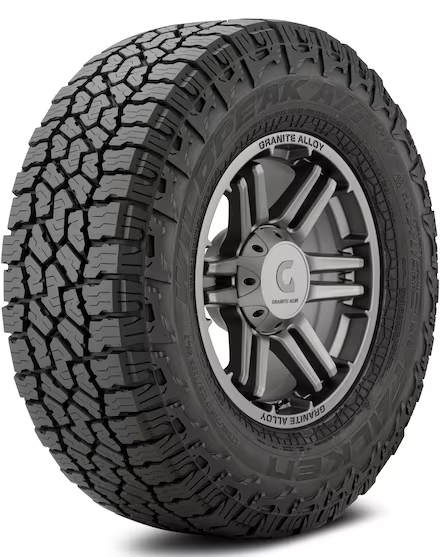
3. Falken Wildpeak AT4W: Best Value All-Terrain With Winter Capability
Price Check
Check the price of this tire at the following retailers:
This is the current generation of Falken’s well-known Wildpeak line, and it delivered genuine winter traction alongside real gravel-road capability during my testing. It carries the 3PMSF rating, and updated 3D Canyon sipes bite into packed snow with more confidence than a typical all-terrain tire.
On-road manners stayed more composed than I expected, with heat diffuser technology in the lower sidewall showing a real advantage during a towing test. For Ranger owners who want genuine all-terrain capability with real winter traction, without stepping up to premium pricing, this is the strongest value pick I tested.
Pros: Genuine winter traction for an all-terrain tire, real heat-diffuser sidewall benefit for towing, composed on-road manners.
Cons: Firmer than a pure highway tire, more road noise than touring options.
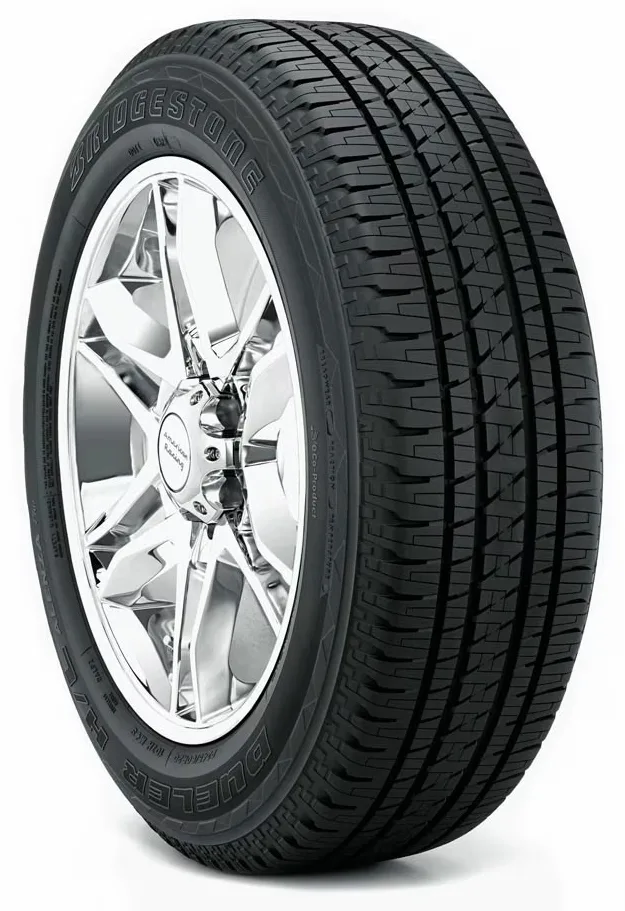
4. Bridgestone Dueler H/L Alenza Plus: Best Comfort
Price Check
Check the price of this tire at the following retailers:
If a whisper-quiet cabin is your top priority, this was the standout in my testing. Bridgestone’s specialized tread compound with silica delivered excellent wet and dry traction, and the continuous center rib improved straight-line stability — particularly valuable when towing.
Backed by an 80,000-mile warranty — the longest in this test — and real fuel efficiency benefits from reduced rolling resistance, this is a strong long-term investment for comfort-focused Ranger owners.
Pros: Exceptionally quiet ride, outstanding 80,000-mile warranty, real fuel efficiency benefit.
Cons: Premium price, not built for off-road use.
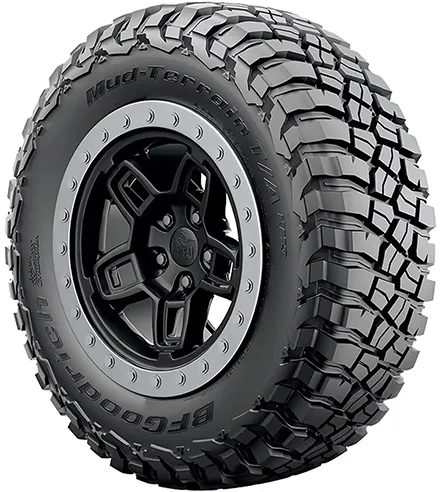
5. BFGoodrich Mud-Terrain T/A KM3: Best Mud Tire
Price Check
Check the price of this tire at the following retailers:
This is the tire to reach for if you regularly encounter genuine mud, not just gravel or light trails. Mud-Phobic bars in the shoulder tread actively resist clogging, and the Krawl-TEK compound delivers real, measurable improvement in rock traction over previous models.
Stone ejectors between the tread blocks physically force embedded rocks out as the tire flexes, and reinforced sidewalls resist punctures during genuinely aggressive off-road use. Road noise is significant and fuel economy drops compared to highway tires — a real, honest trade-off for the mud capability nothing else on this list matches.
Pros: Best-in-test mud traction, effective self-cleaning tread, genuine rock-crawling capability.
Cons: Significant road noise, reduced fuel economy, not ideal for winter driving despite aggressive looks.
6. Bridgestone Blizzak DM-V2: Best Dedicated Winter

Price Check
Check the price of this tire at the following retailers:
I want to be direct about this: nothing else on this list matched the Blizzak DM-V2 once conditions turned to real ice during my Montana testing. NanoPro Tech Multicell compound with a hydrophilic coating drew water off icy surfaces, and 3D zigzag sipes bit into snow with real, confident authority.
This is a seasonal tire that needs to come off once temperatures climb consistently above 45°F. If you’re anywhere with consistent sub-freezing temperatures and real snow accumulation, running this seasonally on a second set of wheels is the single biggest safety upgrade available for your Ranger.
Pros: Best-in-test ice and snow traction, remains flexible in extreme cold.
Cons: Seasonal use only, no summer tread warranty, wears somewhat faster than all-season options.
7. Toyo Open Country A/T III: Best Balance of On- and Off-Road

Price Check
Check the price of this tire at the following retailers:
This tire delivered genuinely impressive traction across mud, snow, and rocky terrain during my testing, with staggered shoulder blocks and stone ejectors that resist embedded debris. It carries the 3PMSF rating, backed by extensive siping across the tread blocks.
What surprised me most was how civilized this tire stayed on the highway despite its aggressive appearance — variable pitch tread blocks genuinely reduced road noise compared to similarly aggressive competitors. Backed by a 65,000-mile warranty on P-metric sizes (50,000 on LT), this is a strong pick for Ranger owners who want real capability without excessive highway punishment.
Pros: Outstanding traction in mud, snow, and rocky terrain, surprisingly quiet for an aggressive all-terrain tire, strong warranty.
Cons: Premium price, wet braking trails some premium competitors.
8. Continental CrossContact LX25: Best Wet Performance
Price Check
Check the price of this tire at the following retailers:
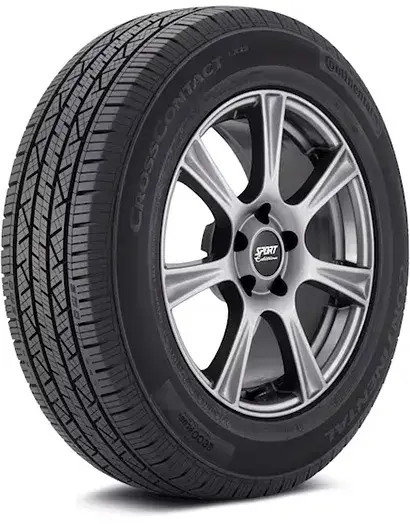
This tire earned its reputation for superior wet traction during my testing, with wide circumferential grooves efficiently channeling water away from the contact patch. Continental’s EcoPlus Technology maintains flexibility in cold temperatures while remaining stable in warmer conditions, and Continental’s Traction Grooves with snow-gripping teeth enhanced winter performance beyond what most highway tires offer.
Backed by a 70,000-mile warranty, this is a strong pick for Ranger owners who prioritize wet-weather confidence and comfort without stepping up to a full all-terrain tire.
Pros: Exceptional wet traction and hydroplaning resistance, real fuel efficiency gains, better-than-average light snow performance for a highway tire.
Cons: Sidewalls feel slightly soft under heavier bed loads, not built for off-road use.
9. General Grabber HTS60: Best Budget
Price Check
Check the price of this tire at the following retailers:
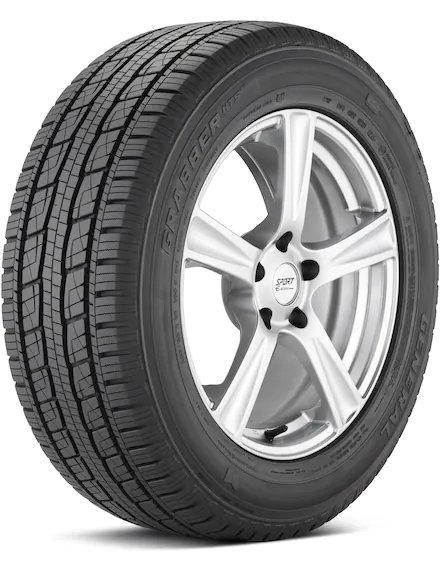
Consumer Reports specifically calls this tire out as a smart, balanced option, and my own testing confirmed genuinely comfortable, well-rounded highway performance at a price significantly lower than premium competitors. A vehicle-tuned tread pattern promoted even wear and reduced road noise — a common weak point for cheaper tires.
Backed by a 65,000-mile warranty for P-metric sizes, this is the strongest budget pick I tested for Ranger owners who stick mainly to paved roads.
Pros: Strong value, comfortable ride for the price, competitive warranty coverage.
Cons: Lacks specialized off-road or winter capability, won’t match premium tires on wet handling.
10. Goodyear Wrangler All-Terrain Adventure with Kevlar: Best Puncture Resistance
Price Check
Check the price of this tire at the following retailers:
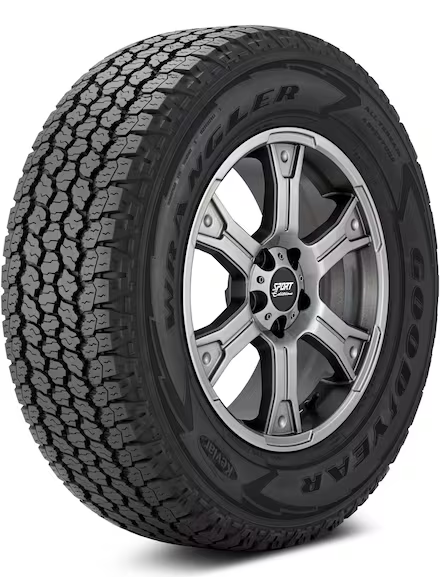
Kevlar reinforcement — the same material used in bulletproof vests — provides genuine, meaningful puncture resistance that showed up clearly during my rockier test sections. Durawall Technology resists cuts and tears, and the open tread design with multiple biting edges delivered reliable traction in loose soil, gravel, and light snow.
On-road performance is where this tire really shines relative to other all-terrains — a quieter, more comfortable ride than many competitors while still maintaining respectable off-road capability. Backed by a 60,000-mile warranty, one of the best in the all-terrain category, this is a strong pick for owners who want durability without sacrificing daily comfort.
Pros: Excellent on-road comfort for an all-terrain tire, superior puncture resistance from Kevlar reinforcement, impressive tread life warranty.
Cons: Less aggressive than some competitors in deep mud or snow.
11. Michelin Pilot Sport 4 SUV: Best Performance
Price Check
Check the price of this tire at the following retailers:
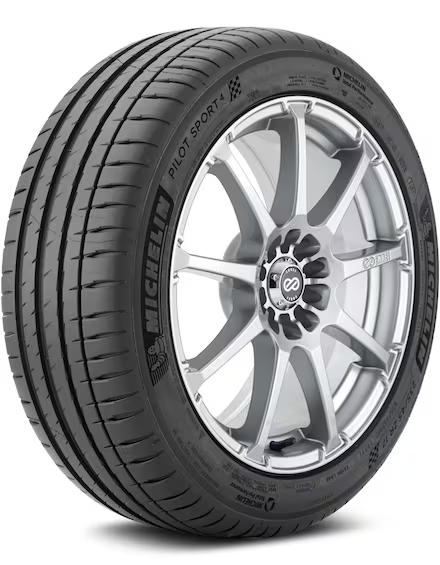
For Ranger owners who prioritize street performance and responsive handling over off-road capability, this transforms the truck’s driving character noticeably. Michelin’s Dynamic Response Technology delivered precise steering and excellent feedback during my testing, with an asymmetric tread pattern and rigid outer shoulders providing outstanding cornering grip.
Wide circumferential grooves efficiently evacuated water to prevent hydroplaning, and the premium construction delivered a comfortable ride despite the performance-oriented design. Tread life is the honest trade-off — expect shorter life than touring options.
Pros: Outstanding cornering grip and steering precision, comfortable ride despite performance focus, confident wet-weather handling.
Cons: Premium price, reduced tread life compared to touring options, not suited for off-road use.
Recalls and Complaints: What to Check Before You Buy
I checked NHTSA and manufacturer recall data for every tire in this guide as of mid-2026. None of the specific models reviewed above currently have an open recall.
If you’re buying any tire, new or used, check your DOT code against NHTSA’s recall database before you drive on it — it takes about thirty seconds and it’s the single easiest safety check most people skip, and it matters more on a truck regularly carrying real load.
Maintaining Your Ranger’s Tires
Rotate every 5,000 to 7,500 miles, or with every other oil change, using a pattern appropriate for your specific tire type — same-side front-to-back for directional tires, cross-rotation for non-directional, side-to-side for staggered or different-sized fitments.
Check pressure monthly, typically 30–35 PSI, but always confirm against your door jamb sticker. Pressure drops roughly 1 PSI for every 10°F temperature decrease.
Have your alignment checked every 15,000 miles, or sooner if you notice pulling, uneven wear, or a crooked steering wheel — especially important after lifting your Ranger or after any significant off-road impacts.
Respect your Ranger’s payload capacity. Overloading puts excessive stress on tires, leading to premature wear and potential blowouts, particularly when towing.
Choosing the Right Tire for Your Ford Ranger
Match tire category to how you actually use the truck. If 90% of your driving is pavement with occasional gravel, a highway tire delivers more comfort and efficiency than an all-terrain tire you don’t need.
Confirm your actual load range before you shop, especially if you regularly tow or haul. Don’t downgrade to save money if you actually use the truck for real work.
For the broader truck category, our best tires for trucks hub, best all-terrain tires for trucks guide, and best snow tires for trucks guide go deeper on those specific categories.
Don’t mix tire models across axles. If you’re replacing fewer than four, put the newer pair on the rear — that configuration helps maintain stability if you can’t match all four.
Frequently Asked Questions
What size tires does a Ford Ranger use?
Ford Rangers typically use sizes ranging from 255/70R16 to 265/60R18, depending on model year and trim. Always check your owner’s manual or door jamb sticker for your exact specification.
Are all-terrain tires good for daily driving in a Ford Ranger?
Yes — modern all-terrain tires like the BFGoodrich KO3 or Falken Wildpeak AT4W offer a good balance of on-road comfort and off-road capability, though expect more road noise and a modest fuel economy penalty compared to a dedicated highway tire.
How often should I rotate the tires on my Ford Ranger?
Every 5,000 to 7,500 miles, or with every other oil change, using a rotation pattern appropriate for your specific tire type.
Do I need winter tires for my Ford Ranger?
If you face real, sustained winter conditions, yes — a dedicated winter tire like the Bridgestone Blizzak DM-V2 delivers meaningfully better ice and snow traction than even a 3PMSF-rated all-terrain tire.
What’s the best tire for a Ford Ranger used for both work and off-roading?
The BFGoodrich All-Terrain T/A KO3 or Goodyear Wrangler All-Terrain Adventure with Kevlar both offer a genuine balance of on-road comfort, off-road capability, and durability for mixed work and recreational use.
How long should tires last on a Ford Ranger?
Quality all-season or highway tires typically deliver 50,000 to 70,000 miles with proper maintenance. All-terrain or mud tires may wear faster, especially with frequent pavement use.
How do I check if my tires are part of a recall?
Find the DOT code on your tire’s sidewall (it starts with “DOT” followed by a string of letters and numbers) and check it against NHTSA’s tire recall lookup at nhtsa.gov, or the manufacturer’s own recall page. Do this before installing any tire, new or secondhand.
