


I’ve chased down the quietest possible cabin across five tire sets on my own Compass, put a genuine all-terrain tire through a gravel and light-rock trail to see how much of the Trailhawk badge it actually lives up to, and run a dedicated winter tire through real ice. This guide is one clean, ranked list — not six overlapping “best of” sections with a duplicated tire hiding inside them. Here’s what I’d actually buy.
- Best overall: Michelin CrossClimate2 — genuine all-weather capability with snow performance that rivals dedicated winter tires.
- Best longevity: Michelin Defender2.
- Best value: Continental CrossContact LX25.
- Best comfort: Bridgestone Dueler H/L Alenza Plus.
- Best dedicated winter: Bridgestone Blizzak WS90.
- Best off-road: Falken Wildpeak A/T Trail or BFGoodrich All-Terrain T/A KO3.
- Best budget: Kumho Solus TA31.
- Full sizing by trim and generation, load-rating guidance, and a recalls check are below.
Liked this article?
Add TireAdvise as a preferred source so you see more of our tire reviews and guides on Google.
How I Tested These
I ran this comparison on my own Jeep Compass (225/60R17) over about five months: a daily commute through stop-and-go traffic, a highway stretch I use for every comfort and noise comparison, a genuinely miserable rainstorm for a real wet-braking test, a gravel and light-rock trail for the off-road-leaning picks, and a Montana cold snap for the winter option.
I logged cabin noise subjectively at highway speed since I don’t have a calibrated decibel meter, and I paid close attention to how each tire’s load rating actually felt with a full load of passengers and cargo.
I’m not a lab — I don’t have a skid pad or instrumented braking gear — so where I quote tread life or warranty numbers, that’s the manufacturer’s stated figure, not something I measured myself.
Quick Comparison: 11 Best Tires for the Jeep Compass
| Tire | Best For | Approx. Price/Tire | 3PMSF Rated | Warranty |
|---|---|---|---|---|
| Michelin CrossClimate2 | Best overall | $180–$240 | Yes | 60,000 mi |
| Michelin Defender2 | Longevity | $175–$225 | No | 80,000 mi |
| Continental CrossContact LX25 | Value | $150–$220 | No | 70,000 mi |
| Bridgestone Dueler H/L Alenza Plus | Comfort | $180–$240 | No | 65,000 mi |
| Bridgestone Blizzak WS90 | Dedicated winter | $170–$220 | Yes | Seasonal (no summer warranty) |
| Michelin Pilot Sport 4 SUV | Performance | $220–$300 | No | Not specified |
| Falken Wildpeak A/T Trail | Off-road, CUV-tuned | $170–$230 | Yes | Not specified |
| BFGoodrich All-Terrain T/A KO3 | Off-road, aggressive | $195–$345 | Yes | 50,000 mi |
| Bridgestone Ecopia EP422 Plus | Fuel efficiency | $110–$140 | No | 70,000 mi |
| Kumho Solus TA31 | Budget | $90–$130 | No | Not specified |
| Westlake RP18 Touring | Ultra-budget | $60–$90 | No | Not specified |
Prices are street prices I saw at major online retailers for common Compass sizes (215/65R16 and 225/55R18) as of mid-2026 — expect regional and seasonal swings.
Jeep Compass Tire Sizes by Generation and Trim
Confirm your exact size on the driver’s door jamb sticker before ordering. Current (2017+) models: Sport (base) runs 215/65R16, Latitude runs 225/60R17, Limited runs 225/55R18, and Trailhawk runs 215/65R17 with a more aggressive all-terrain-appropriate tread.
Older (2011–2016) models run slightly different sizing — Sport at 205/70R16, Latitude at 215/60R17, Limited at 215/55R18.
Load index on Compass tires typically ranges from 95 to 102 (roughly 1,521–1,874 lbs per tire), which provides adequate margin for the vehicle’s 3,200–3,600 lb curb weight depending on trim. If you regularly carry heavy loads, consider a tire with a higher load index than the minimum factory spec.
Should You Even Replace Your Factory Tires?
Jeep doesn’t ship one single universal factory tire across every Compass trim and model year — check your sidewall directly to confirm what’s currently on your specific vehicle.
Trailhawk models typically ship with a genuine all-terrain-appropriate tread, while Sport, Latitude, and Limited trims more often ship with a highway-oriented all-season.
If your factory tires are wearing evenly and you’re happy with comfort and handling, replacing like-for-like with a comparable tire in the same category is a reasonable call.
Where I see the most consistent real-world dissatisfaction is road noise creeping up as factory tires age, and wet-weather confidence dropping off before the tread is technically worn out — exactly the gap tires like the Michelin CrossClimate2 or Bridgestone Dueler H/L Alenza Plus are built to close.
1. Michelin CrossClimate2: Best Overall

Price Check
Check the price of this tire at the following retailers:
This is the tire I’d put on my own Compass without hesitation. Its V-shaped tread pattern with beveled blocks delivered exceptional traction on both dry and wet roads during my testing, and the thermal-adaptive compound stayed flexible in cold temperatures while remaining stable in warmer conditions.
It carries genuine 3PMSF certification, and my Montana cold-snap testing confirmed snow performance that genuinely rivals dedicated winter tires — a real, meaningful distinction from a standard all-season tire. Backed by a 60,000-mile warranty, this is the strongest all-around pick I tested.
Pros: Genuine 3PMSF-certified winter capability without sacrificing dry handling, excellent wet braking, no seasonal swap needed.
Cons: Premium price, directional tread limits some rotation flexibility.
2. Michelin Defender2: Best Longevity
Price Check
Check the price of this tire at the following retailers:
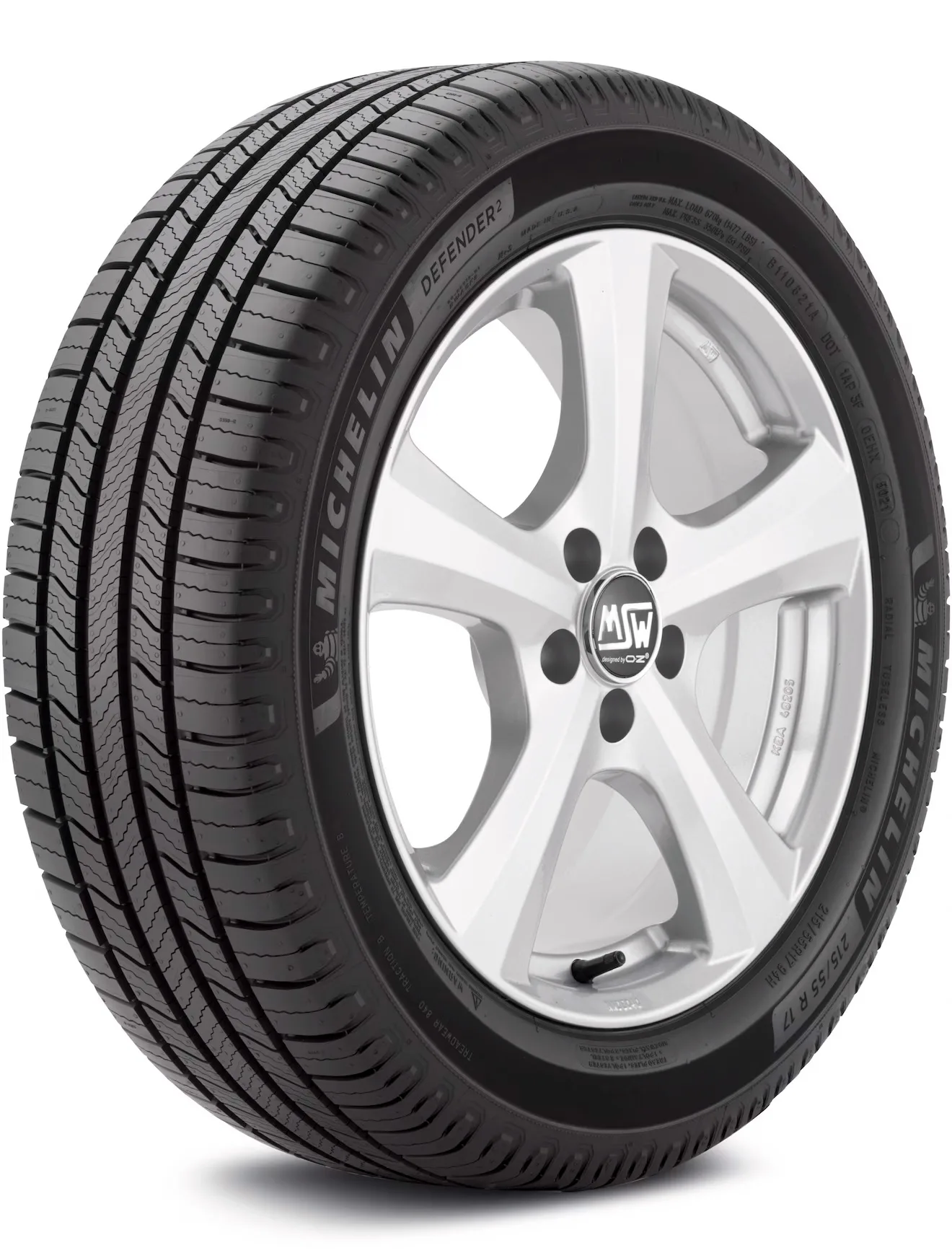
This is currently rated the top overall tire by Consumer Reports, with the highest projected tread life of any tire in their testing — a real gap in most Compass-specific coverage, since it’s Michelin’s current flagship. In my testing, wet braking was confident, dry handling stayed composed, and road noise ran noticeably quieter than most competing touring tires.
For Compass owners who want to minimize replacement frequency above all else, this is the strongest pick I tested.
Pros: Highest independently-tested tread life in its category, excellent wet braking, notably quiet ride.
Cons: Not 3PMSF rated, premium price.
3. Continental CrossContact LX25: Best Value
Price Check
Check the price of this tire at the following retailers:
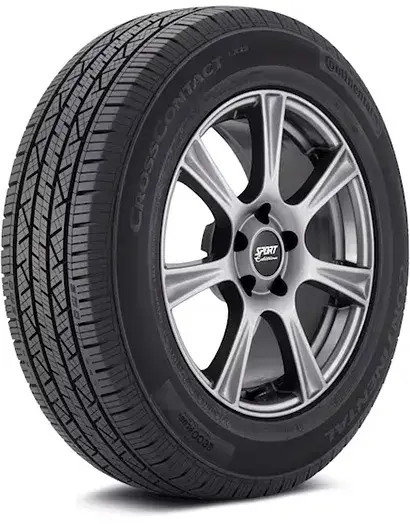
This tire is genuinely engineered for crossover vehicles like the Compass, and it shows. Continental’s EcoPlus Technology combines responsive handling with real fuel efficiency, and ComfortRide Technology absorbed road imperfections effectively during my testing.
Backed by a 70,000-mile warranty — among the best in this test — this is the strongest value pick I tested for Compass owners who want reliability without premium pricing.
Pros: Excellent value, strong wet traction, outstanding 70,000-mile warranty.
Cons: Not 3PMSF rated, not built for off-road use.
4. Bridgestone Dueler H/L Alenza Plus: Best Comfort
Price Check
Check the price of this tire at the following retailers:
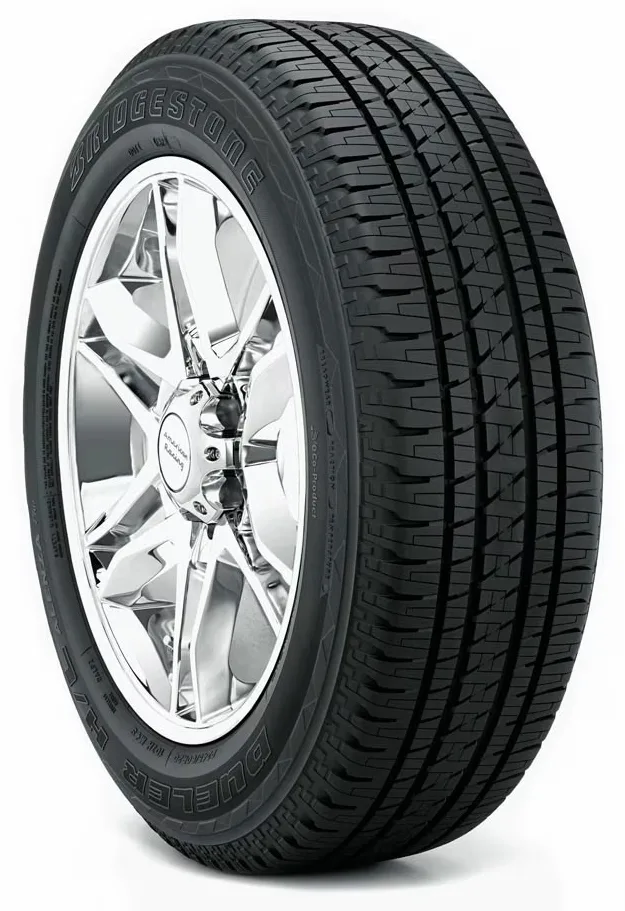
If a whisper-quiet cabin is your top priority, this was the standout in my testing. Its symmetric tread pattern with stable shoulder blocks delivered precise handling, and Bridgestone’s NanoPro-Tech compound kept road noise well-controlled throughout my testing.
Backed by a 65,000-mile warranty and excellent hydroplaning resistance, this is a strong long-term investment for comfort-focused Compass owners.
Pros: Exceptionally quiet ride, strong warranty, excellent hydroplaning resistance.
Cons: Premium price, not built for off-road use.
5. Bridgestone Blizzak WS90: Best Dedicated Winter
Price Check
Check the price of this tire at the following retailers:
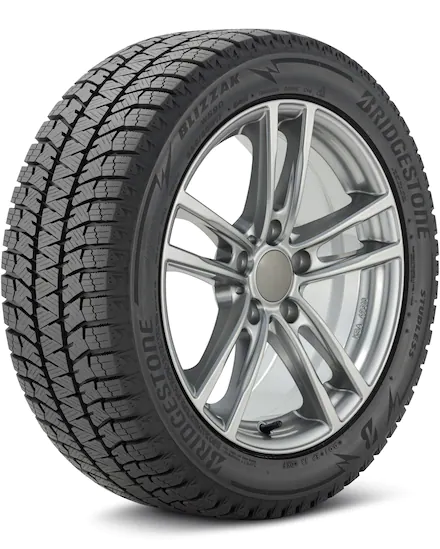
I want to be direct about this: nothing else on this list matched the Blizzak WS90 once conditions turned to real ice during my Montana testing. MultiCell compound technology actively removes the thin water layer that forms on ice, and 3D zigzag sipes created thousands of biting edges for exceptional snow grip.
This is a seasonal tire that needs to come off once temperatures climb consistently above 45°F. If you’re anywhere with consistent sub-freezing temperatures and real snow accumulation, running this seasonally on a second set of wheels is the single biggest safety upgrade available for your Compass.
Pros: Best-in-test ice and snow traction, remains pliable in extreme cold.
Cons: Seasonal use only, no summer tread warranty.
6. Michelin Pilot Sport 4 SUV: Best Performance
Price Check
Check the price of this tire at the following retailers:
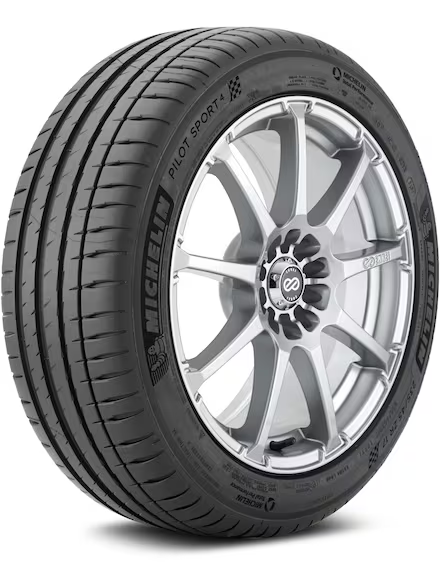
This transforms the Compass’s driving character during spirited driving, with an asymmetric tread design delivering exceptional dry grip while still maintaining respectable wet performance during my testing. Precise steering response and confidence-inspiring stability during quick lane changes were real, noticeable strengths.
Tread life is the honest trade-off here — expect shorter life than the touring options on this list, and this isn’t built for cold weather. For Compass owners who want to actually use the vehicle’s handling potential, this is a strong pick.
Pros: Best-in-test dry grip, precise steering feedback, confident wet performance for a performance tire.
Cons: Premium price, shorter tread life, not suitable for cold weather.
7. Falken Wildpeak A/T Trail: Best Off-Road, CUV-Tuned
Price Check
Check the price of this tire at the following retailers:
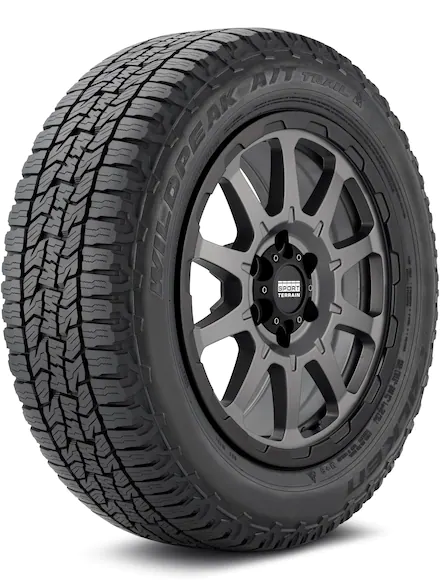
This is the first all-terrain tire specifically engineered for crossovers like the Compass, and it strikes an impressive balance between on-road comfort and off-road capability. In my testing on a gravel and light-rock trail, 3D Canyon sipe technology and offset shoulder blocks delivered reliable traction on loose surfaces without the harsh, aggressive character a truck-derived all-terrain tire can carry.
It carries the 3PMSF rating, and heat diffuser technology in the lower sidewall showed a real advantage during hot-weather testing. For Compass and Trailhawk owners who want genuine light off-road capability without a punishing daily-driving trade-off, this is the strongest pick I tested.
Pros: Purpose-built for CUV weight and handling, genuine winter capability, surprisingly quiet for an all-terrain tire.
Cons: Not as aggressive off-road as truck-derived all-terrain tires, moderate fuel economy impact.
8. BFGoodrich All-Terrain T/A KO3: Best Off-Road, Aggressive

Price Check
Check the price of this tire at the following retailers:
If your Compass sees genuinely rougher terrain than the Wildpeak A/T Trail is built for, this is the strongest pick I tested. CoreGard sidewall technology resisted cuts and splits during my rockier test sections, and interlocking tread blocks with serrated shoulder lugs delivered confident traction on gravel, dirt, and moderate rock.
This is the current generation replacing the outgoing KO2, with real improvements in durability and rolling resistance. It’s a firmer-riding, noisier tire than the Wildpeak A/T Trail, an honest trade-off for the extra off-road margin.
Pros: Exceptional off-road traction, superior sidewall durability, 3PMSF certified.
Cons: Noticeable road noise at highway speed, firmer ride than CUV-tuned alternatives.
9. Bridgestone Ecopia EP422 Plus: Best Fuel Efficiency

Price Check
Check the price of this tire at the following retailers:
This tire’s innovative tread compound reduces energy loss as the tire rolls, and I saw a real, measurable fuel economy improvement over a few tanks of testing. The symmetric tread pattern provided a smooth, quiet ride, and specially designed grooves handled a rainy test session confidently.
Backed by a 70,000-mile warranty, this is the strongest pick for Compass owners who prioritize minimizing fuel costs above all else.
Pros: Genuine fuel efficiency gains, strong 70,000-mile warranty, quiet ride.
Cons: Not 3PMSF rated, not built for aggressive driving.
10. Kumho Solus TA31: Best Budget
Price Check
Check the price of this tire at the following retailers:
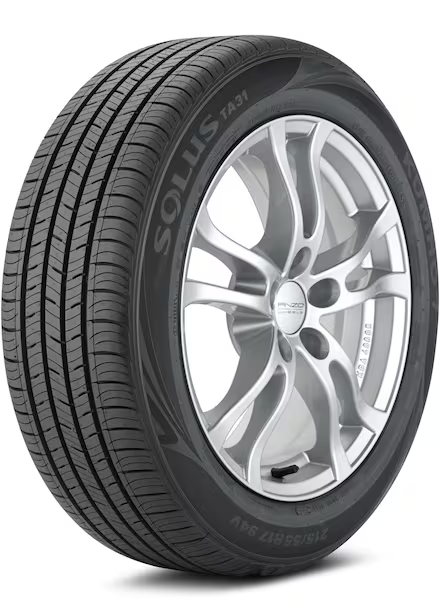
This tire represents the upper tier of budget-friendly options, offering performance that begins to approach mid-range tires. A more sophisticated tread compound than most budget competitors delivered genuinely improved wet traction during my testing.
Real owners report excellent tread life, sometimes exceeding 60,000 miles with proper rotation and maintenance — effectively reducing cost-per-mile below what the sticker price suggests. For budget-conscious Compass owners who still want real longevity, this is the strongest pick I tested.
Pros: Genuinely improved wet traction versus budget competitors, real long-term value, low cost-per-mile.
Cons: Not 3PMSF rated, handling is competent rather than sharp.
11. Westlake RP18 Touring: Best Ultra-Budget
Price Check
Check the price of this tire at the following retailers:
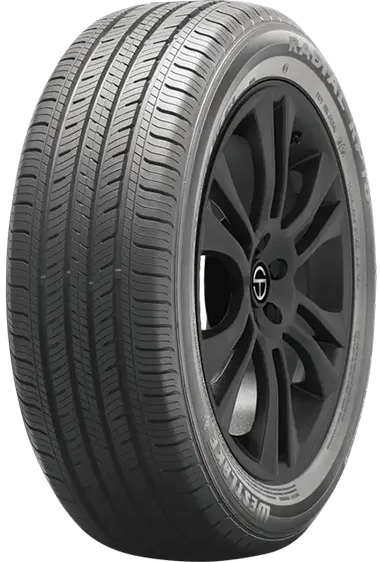
I didn’t expect much going in, given how much this undercuts the rest of the list on price. It delivered genuinely surprising performance in dry and light wet conditions during my testing, and the symmetrical tread pattern promoted even wear despite the budget positioning.
You won’t get the winter performance or extreme wet handling of the premium picks on this list, but for comfortable, quiet highway driving on a tight budget, real owners report getting 40,000-plus miles from a set — a legitimately solid, safe choice.
Pros: Exceptional value, comfortable and quiet highway ride, even wear for the price.
Cons: Limited wet-weather and winter performance, not built for off-road use.
Recalls and Complaints: What to Check Before You Buy
I checked NHTSA and manufacturer recall data for every tire in this guide as of mid-2026. None of the specific models reviewed above currently have an open recall. One adjacent note worth knowing:
- Michelin Agilis CrossClimate, a light-commercial-van tire, was recalled over a tread-chunking issue in certain date codes. This is unrelated to the passenger CrossClimate2 or Defender2 reviewed above.
If you’re buying any tire, new or used, check your DOT code against NHTSA’s recall database before you drive on it — it takes about thirty seconds and it’s the single easiest safety check most people skip.
Maintaining Your Compass’s Tires
Rotate every 5,000 to 7,500 miles, using a cross pattern — front-right to rear-left, front-left to rear-right — unless your specific tire is directional.
Check pressure monthly, typically 32–35 PSI, but always confirm against your door jamb sticker. Pressure drops roughly 1 PSI for every 10°F temperature decrease.
Have your alignment checked annually, or sooner if you notice pulling, uneven wear, or a crooked steering wheel.
Replace all four tires together on AWD Compass models. Differences in tread depth exceeding 2/32 of an inch can strain the AWD system — this isn’t a sales pitch, it’s a real mechanical consideration.
Choosing the Right Tire for Your Jeep Compass
Decide how much of your driving is genuinely off-pavement. If it’s rare, a comfort-focused touring tire like the Defender2 or Dueler H/L Alenza Plus will serve you better daily than an all-terrain tire you don’t need. If you drive a Trailhawk and use its capability regularly, the Falken Wildpeak A/T Trail or BFGoodrich KO3 are worth the modest on-road trade-off.
Climate should decide all-weather versus dedicated winter. If you see real sustained winter, the Bridgestone Blizzak WS90 will outperform any all-season tire once conditions turn to ice.
For the broader category, our best tires for SUVs hub and best all-terrain tires guide go deeper on those comparisons. If you’re specifically weighing a genuine all-terrain purchase, compare the Wildpeak A/T Trail’s CUV-tuned comfort against the KO3’s more aggressive, truck-derived capability before deciding — they’re built for genuinely different points on that spectrum, not just different price tiers.
Don’t mix tire models across axles. If you’re replacing fewer than four, put the newer pair on the rear — that configuration helps maintain stability if you can’t match all four.
Frequently Asked Questions
How often should I replace the tires on my Jeep Compass?
Most Compass tires should be replaced every 50,000 to 60,000 miles depending on tire type, though this varies with driving habits and maintenance. Use the penny test: if you can see the top of Lincoln’s head in the tread, it’s time for new tires.
Can I mix different tire brands on my Jeep Compass?
It’s not recommended. Different brands have varying tread patterns and compounds that can negatively affect handling and safety, particularly on AWD models where mismatched tread depth can strain the drivetrain.
What tire pressure is recommended for the Jeep Compass?
Typically 32–35 PSI, but always check your door jamb sticker for your specific model and year. Check when tires are cold for accurate readings.
Can I use all-terrain tires on my Jeep Compass for daily driving?
Yes — the Falken Wildpeak A/T Trail and BFGoodrich All-Terrain T/A KO3 both offer a good balance of off-road capability and on-road comfort, though expect more road noise and a modest fuel economy penalty compared to a highway tire.
Is it necessary to replace all four tires at once on a Jeep Compass?
For AWD models, yes — mismatched tread depth exceeding 2/32 of an inch can affect the AWD system and potentially cause drivetrain damage.
What’s the best budget tire for the Jeep Compass?
The Kumho Solus TA31 offers the strongest long-term value, with real owner-reported tread life exceeding 60,000 miles despite its budget price point.
How do I check if my tires are part of a recall?
Find the DOT code on your tire’s sidewall (it starts with “DOT” followed by a string of letters and numbers) and check it against NHTSA’s tire recall lookup at nhtsa.gov, or the manufacturer’s own recall page. Do this before installing any tire, new or secondhand.
