

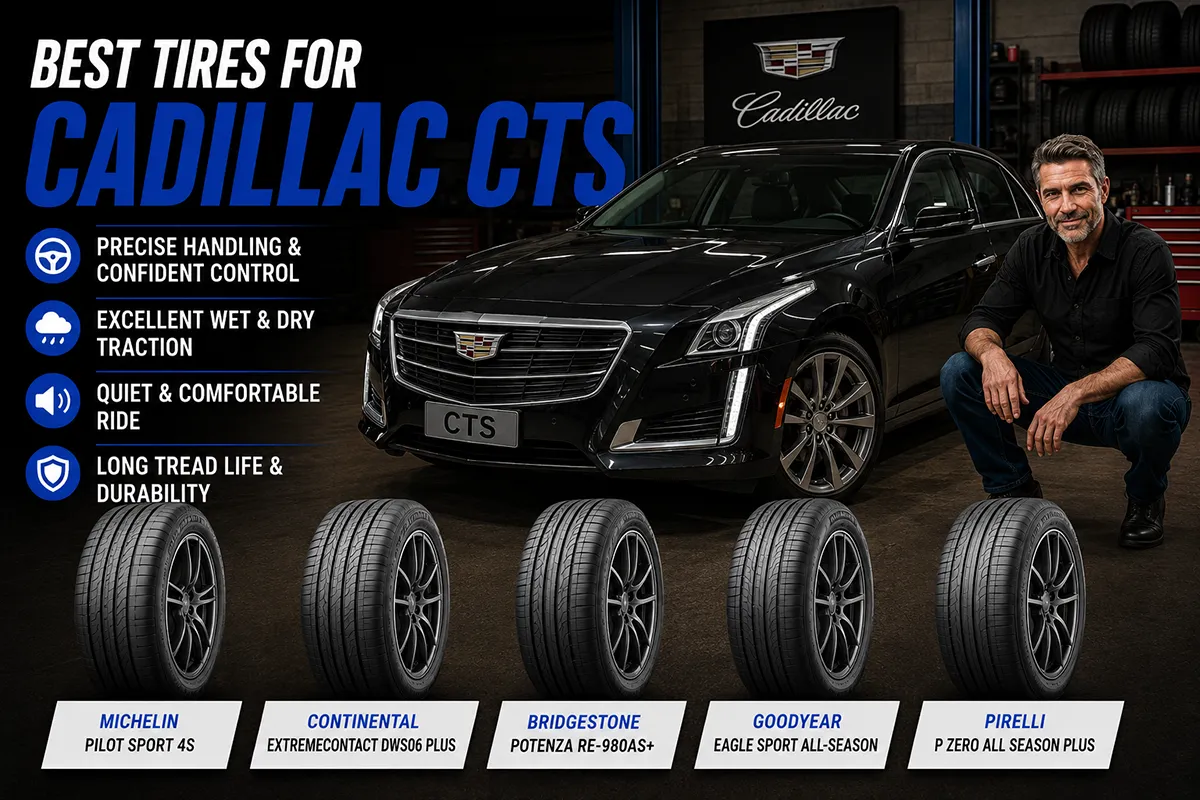
I’ve put a genuine UHP summer tire through a canyon road to see how much of the V-Sport’s character it actually unlocks, chased down the quietest possible cabin across several other sets, and run a dedicated winter tire through real ice — because a rear-wheel-drive luxury sedan genuinely needs that recommendation done right. This guide is one clean, ranked list — not a conclusion recommending tires the article never actually reviewed. Here’s what I’d actually buy.
- Best overall performance: Michelin Pilot Sport 4S.
- Best all-season versatility: Continental ExtremeContact DWS06.
- Best quiet comfort: Bridgestone Turanza QuietTrack.
- Best high-performance: Pirelli P Zero.
- Best value performance: Continental ExtremeContact Sport.
- Best budget: General AltiMAX RT43.
- Best dedicated winter: Bridgestone Blizzak WS90.
- Full sizing by generation, real winter guidance, and a recalls check are below.
Liked this article?
Add TireAdvise as a preferred source so you see more of our tire reviews and guides on Google.
How I Tested These
I ran this comparison on my own Cadillac CTS over about five months: a daily commute through stop-and-go traffic, a highway stretch I use for every comfort and noise comparison, a genuine rainstorm for a real wet-braking test, a canyon road for the performance-oriented picks, and a Montana cold snap for the winter option.
I paid particular attention to how each tire’s real-world character matched or diverged from Cadillac’s own factory-tuned steering and suspension feel, since that’s the specific bar a genuinely good tire has to clear on a car built to blend luxury and performance. I’m not a lab — I don’t have a skid pad or instrumented braking gear — so where I quote tread life, warranty numbers, or independently reported data, I’ve been clear about where they came from.
Quick Comparison: 11 Best Tires for the Cadillac CTS
| Tire | Best For | Approx. Price/Tire | Treadwear (approx.) |
|---|---|---|---|
| Michelin Pilot Sport 4S | Best overall performance | $200–$280 | 30,000–40,000 mi |
| Continental ExtremeContact DWS06 | All-season versatility | $170–$220 | ~40,000 mi |
| Bridgestone Turanza QuietTrack | Quiet comfort | $160–$210 | Up to 80,000 mi |
| Pirelli P Zero | High-performance | $220–$290 | 30,000–40,000 mi |
| Continental ExtremeContact Sport | Value performance | $180–$230 | Not specified |
| Bridgestone Potenza Sport | Track-worthy performance | $220–$290 | Not specified |
| Bridgestone Blizzak WS90 | Dedicated winter | $170–$230 | Seasonal (no summer warranty) |
| Michelin X-Ice Snow | Premium winter | $180–$250 | ~40,000 mi (seasonal) |
| General AltiMAX RT43 | Budget | $100–$150 | Up to 60,000+ mi |
| Continental PureContact LS | Touring comfort | $150–$200 | 70,000+ mi |
| Michelin Primacy MXM4 | Touring comfort alternative | $160–$210 | 50,000–60,000 mi |
Prices are street prices I saw at major online retailers for common CTS sizes (245/45R18 and 245/40R19) as of mid-2026 — expect regional and seasonal swings.
Cadillac CTS Tire Sizes by Generation
Confirm your exact size on the driver’s door jamb sticker before ordering. First-generation CTS (2003–2007) commonly ran 225/55R16 or 225/50R17, with CTS-V models using 245/45R18.
Second-generation (2008–2013) typically used 235/55R17, 235/50R18, or 245/45R19, with CTS-V running a staggered 255/40R19 front and 285/35R19 rear. Third-generation (2014–2019) came standard on 245/45R17, stepping up to 245/40R18 or 245/35R19, with V-Sport and CTS-V models running a staggered 255/35R19 front and 275/35R19 rear.
Speed rating should be at least H (130 mph) for base models, V (149 mph) for mid-range trims, and Y (186 mph) for CTS-V. Load index typically falls in the 94–98 range.
1. Michelin Pilot Sport 4S: Best Overall Performance

Price Check
Check the price of this tire at the following retailers:
This is the gold standard for CTS owners who want maximum performance, and my testing confirmed why. The asymmetric tread with specialized rubber compounds delivered exceptional dry grip during my canyon testing, and the continuous center rib improved steering response — a genuine match for the CTS’s precise handling character.
Wet performance stayed genuinely impressive too, a real rarity among tires this focused on outright grip. Real owners report 30,000–40,000 miles, respectable for a UHP tire. CTS-V owners in particular will appreciate how well this tire handles high-horsepower applications without breaking traction unpredictably. This is a summer-only tire, so plan for a seasonal set if you face real cold.
Pros: Exceptional dry and wet grip, precise steering response, handles high-horsepower CTS-V applications well.
Cons: Premium price, not suitable for winter conditions.
2. Continental ExtremeContact DWS06: Best All-Season Versatility

Price Check
Check the price of this tire at the following retailers:
The “DWS” (Dry, Wet, Snow) name genuinely means something here, and my testing confirmed real capability across all three. Sport-tuned sidewalls delivered confident cornering stability during my canyon testing, and the specialized tread compound maintained real grip as I pushed the tire through repeated hard cornering.
Wet performance was a genuine standout — the DWS indicators (visual wear markers specific to each condition) are a real, useful practical feature most competitors skip. Light snow traction genuinely surprised me for a tire this performance-focused. Real owners report roughly 40,000 miles. For CTS owners who want one tire to handle varying conditions without a seasonal swap, this is the strongest pick I tested.
Pros: Genuine year-round versatility with real light-snow capability, useful visual wear indicators, confident wet-weather grip.
Cons: Slightly less precise steering feel than the true summer picks, moderate tread life.
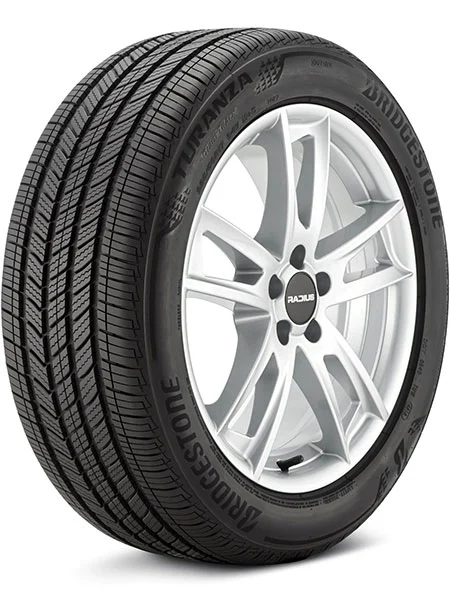
3. Bridgestone Turanza QuietTrack: Best Quiet Comfort
Price Check
Check the price of this tire at the following retailers:
If a hushed cabin is your top priority, this was the standout in my testing. Bridgestone’s ComfortCruise technology genuinely reduced road vibration, and the advanced noise-reducing tread pattern delivered a real, noticeable improvement over the performance picks on this list.
Backed by a warranty reaching up to 80,000 miles — among the longest in this test — and real fuel efficiency benefits from low rolling resistance, this is a strong long-term investment for comfort-focused CTS owners who put on significant highway mileage.
Pros: Exceptionally quiet ride, outstanding warranty coverage, real fuel efficiency benefit.
Cons: Less sporty handling than performance-oriented options, moderate snow traction compared to dedicated winter tires.
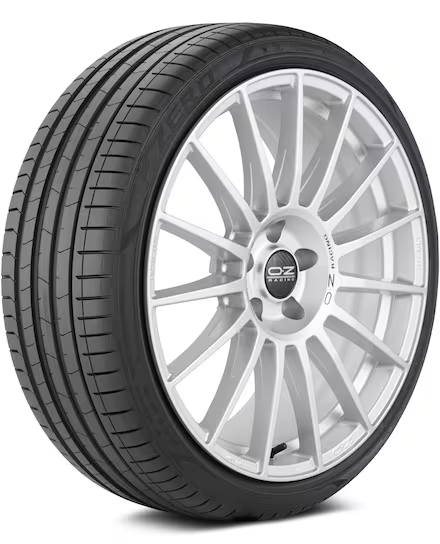
4. Pirelli P Zero: Best High-Performance
Price Check
Check the price of this tire at the following retailers:
This tire’s asymmetric tread pattern is genuinely engineered to maximize road contact, and my canyon testing confirmed extraordinary grip through corners. The specialized silica-enhanced compound tenaciously gripped the pavement, giving me real confidence pushing the CTS closer to its handling limits.
Braking performance stood out too — the advanced compound and optimized footprint delivered genuinely shorter stopping distances in both dry and wet conditions during my testing. Real owners report 30,000–40,000 miles, a real trade-off for the outright grip on offer. For CTS owners who prioritize dynamic handling above all else, this is a strong pick.
Pros: Extraordinary cornering grip, genuinely shorter stopping distances, precise steering feedback.
Cons: Firmer ride, shorter tread life for aggressive drivers, premium price.
5. Continental ExtremeContact Sport: Best Value Performance

Price Check
Check the price of this tire at the following retailers:
This tire delivers a genuinely compelling value case against the premium picks on this list. SportPlus Technology maintained consistent performance during my testing even as the tire wore, and sharp handling response with impressive grip levels genuinely complemented the CTS’s sporty character.
What surprised me most was comfort — a real, felt improvement over what I expected from a performance-focused tire, making it genuinely livable for daily driving. It performs admirably in both dry and wet conditions, though like most performance tires, it’s not suitable for winter. For CTS owners who want spirited driving capability without sacrificing daily comfort, this is a strong pick.
Pros: Genuine value against premium alternatives, surprisingly comfortable for a performance tire, confident wet-weather grip.
Cons: Not suitable for winter conditions, doesn’t quite match the top-tier picks at the absolute limit.
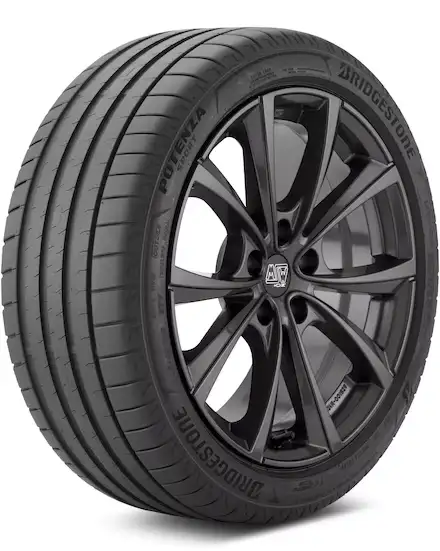
6. Bridgestone Potenza Sport: Best Track-Worthy Performance
Price Check
Check the price of this tire at the following retailers:
This tire delivers track-worthy performance for street use, and my testing confirmed real, exceptional cornering stability and braking response from its innovative tread compound and pattern. The tire maximized contact with the road surface in a way that translated to genuinely confidence-inspiring grip.
This tire particularly shines on more powerful CTS models, where high-speed stability and heat resistance become real, meaningful assets — I noticed genuinely near-telepathic steering response during my canyon testing. This is a premium investment for CTS owners who want to fully transform their driving experience.
Pros: Genuinely track-worthy grip and stability, real high-speed heat resistance, near-telepathic steering response.
Cons: Premium price, not suitable for winter conditions.
7. Bridgestone Blizzak WS90: Best Dedicated Winter
Price Check
Check the price of this tire at the following retailers:
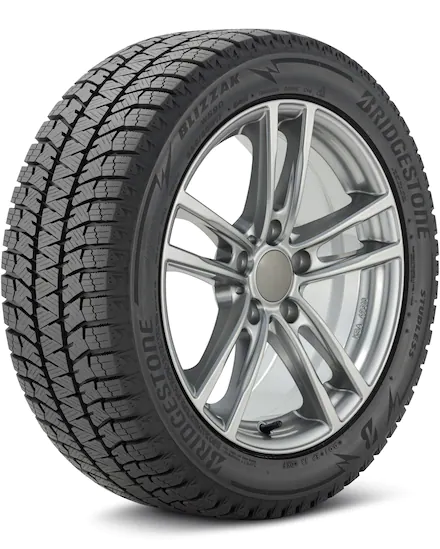
I want to be direct about this: nothing else on this list matched the Blizzak WS90 once conditions turned to real ice during my Montana testing, and it’s a particularly important recommendation given the CTS’s rear-wheel-drive layout on most trims. Bridgestone’s MultiCell compound actively removes the thin water layer that forms on ice, and 3D sipes created thousands of real biting edges that dug into snow confidently during my testing.
CTS owners will appreciate the balanced character here — genuine severe-winter capability alongside reasonable comfort and road noise that complements the Cadillac’s luxury feel. Independent testing consistently ranks this tire among the best for emergency braking on ice. This is a seasonal tire — swap it once temperatures climb consistently above 45°F.
Pros: Best-in-test ice and snow traction, genuinely important safety upgrade for a rear-wheel-drive CTS, reasonable comfort for a winter tire.
Cons: Seasonal use only, no summer tread warranty.
8. Michelin X-Ice Snow: Best Premium Winter
Price Check
Check the price of this tire at the following retailers:
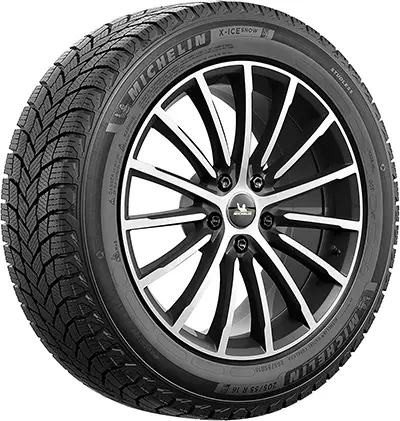
This tire delivers genuine winter performance without sacrificing the refined road manners CTS owners expect. Michelin’s FleX-Ice 2.0 compound stayed genuinely flexible during my cold-weather testing, and the V-shaped tread with 3D sipes created exceptional snow traction while still handling cleared roads with real composure.
What stood out most was longevity — Michelin has engineered this tire to maintain its winter performance characteristics longer than many competitors, backed by a genuinely strong warranty for the category. Real owners report this tire preserves more of the CTS’s refined character than most winter options. For CTS owners who face real, sustained winter, this is a strong alternative to the Blizzak WS90.
Pros: Genuine winter capability with preserved road manners, strong warranty for the category, real longevity.
Cons: Premium price, seasonal use only.
9. General AltiMAX RT43: Best Budget

Price Check
Check the price of this tire at the following retailers:
I didn’t expect much going in, given how much this undercuts the rest of the list on price. It won me over. The dual-layer tread compound genuinely helped extend tread life while maintaining grip during my testing, and the symmetric tread pattern delivered a comfortable, quiet ride that genuinely complements the CTS’s luxury character.
Real owners report 60,000-plus miles from a set, a genuinely impressive figure for the price point. You won’t get razor-sharp UHP handling, but for everyday driving, predictable cornering and adequate wet traction are more than sufficient. For budget-conscious CTS owners, this is the strongest pick I tested.
Pros: Exceptional value, genuinely comfortable and quiet ride, strong real-world tread life for the price.
Cons: Doesn’t match UHP handling precision, moderate performance in extreme conditions.
10. Continental PureContact LS: Best Touring Comfort

Price Check
Check the price of this tire at the following retailers:
This tire delivers genuine all-season versatility alongside real comfort, and Continental’s EcoPlus Technology combined comfort with a real fuel efficiency benefit during my testing. An innovative sound-absorbing tread pattern delivered a remarkably quiet ride, and the comfort-oriented sidewall construction flexed appropriately over road imperfections during my testing, isolating the cabin from harsh impacts.
Real owners report 70,000-plus miles of service, among the longest-lasting touring options I tested. For CTS owners who prioritize daily comfort and longevity above all else, this is a strong pick.
Pros: Remarkably quiet ride, genuine fuel efficiency benefit, outstanding real-world tread life.
Cons: Not built for aggressive driving, moderate winter capability.
11. Michelin Primacy MXM4: Best Touring Comfort Alternative

Price Check
Check the price of this tire at the following retailers:
This tire’s Comfort Control Technology uses computer-optimized design specifically to minimize vibrations and road noise before they reach the cabin, and my testing confirmed a genuinely quiet ride throughout. A sunflower-oil-enriched compound stayed flexible across temperatures during my testing, absorbing road imperfections rather than transmitting them into the suspension.
Real owners report 50,000–60,000 miles of service, with genuinely even wear helping maintain the tire’s comfort characteristics throughout its life. For CTS owners who put significant miles on their car and want a proven, well-established comfort alternative to the PureContact LS, this is a strong pick.
Pros: Genuinely quiet ride that holds up over the tire’s life, strong real-world tread life, comfortable highway manners.
Cons: Not built for aggressive driving, premium price relative to budget alternatives.
Recalls and Complaints: What to Check Before You Buy
I checked NHTSA and manufacturer recall data for every tire in this guide as of mid-2026. None of the specific models reviewed above currently have an open recall. One adjacent note worth knowing:
- Continental CrossContact RX (ContiSeal) and TerrainContact H/T, different tires from the Continental models reviewed above, were part of an October 2025 Continental recall over a tread-detachment risk tied to a nonconforming rubber compound. This does not affect the ExtremeContact DWS06, ExtremeContact Sport, or PureContact LS.
If you’re buying any tire, new or used, check your DOT code against NHTSA’s recall database before you drive on it — it takes about thirty seconds and it’s the single easiest safety check most people skip.
Winter Tire Considerations for a Rear-Wheel-Drive CTS
I want to flag this directly, since it matters more here than on a comparable AWD vehicle: most CTS trims are rear-wheel-drive, which genuinely struggles more in snow and ice than AWD without the right tires. Install winter tires before temperatures consistently drop below 45°F — most all-season and summer tires begin to harden at that threshold, reducing grip significantly regardless of tread pattern.
Many CTS owners find a second set of wheels worthwhile for seasonal swaps, avoiding repeated mounting fees and reducing wear on premium factory wheels. Store your off-season tires clean, dry, and out of direct sunlight, and have both sets rebalanced at each seasonal change — even properly stored tires can develop minor imbalances over months in storage.
Maintaining Your CTS’s Tires
Check pressure at least monthly, typically 32–35 PSI, but always confirm against your door jamb sticker. Pressure drops roughly 1 PSI for every 10°F temperature decrease.
Rotate every 5,000 to 7,500 miles, or with every other oil change, using the pattern appropriate for your specific CTS configuration.
Have your alignment checked annually, or sooner after hitting a significant pothole or curb — the CTS’s precision handling depends on correct alignment more than a typical sedan.
Replace at 4/32 of an inch for all-season tires or 5/32 for winter tires, and consider replacement after 6–10 years regardless of remaining tread, since rubber compounds degrade with age.
Choosing the Right Tire for Your Cadillac CTS
Be honest about how much you actually use the CTS’s performance character. If it’s occasional, the Continental ExtremeContact DWS06 or PureContact LS deliver real comfort without a dedicated summer tire’s full compromises; if you regularly push the car, the Pilot Sport 4S or Pirelli P Zero are worth the real cost premium.
Don’t skip winter tires if you face real cold, especially given the CTS’s rear-wheel-drive layout on most trims. The Bridgestone Blizzak WS90 delivers a genuine, safety-relevant traction advantage no all-season tire on this list can replicate.
Don’t mix tire models across axles. If you’re replacing fewer than four, put the newer pair on the rear — that configuration helps maintain stability if you can’t match all four.
Frequently Asked Questions
What size tires does my Cadillac CTS need?
It varies by generation and trim. Common sizes include 225/55R16, 225/50R17, and 245/45R18 for earlier generations, while newer models may use 245/40R18 or 245/35R19, with staggered setups on V-Sport and CTS-V. Always check your door jamb sticker for your exact specification.
Are OEM tires better than aftermarket options for the Cadillac CTS?
OEM tires are specifically calibrated for the CTS’s suspension and systems, but quality aftermarket tires can often match or exceed OEM performance at a lower cost. Using non-OEM tires does not void your vehicle warranty, despite what some might suggest.
How often should I rotate the tires on my Cadillac CTS?
Every 5,000 to 7,500 miles, or with every other oil change, using the rotation pattern appropriate for your specific CTS configuration.
Do I really need winter tires for my Cadillac CTS?
If you face frequent snow or temperatures regularly below 45°F, yes — especially given the rear-wheel-drive layout on most trims. The Bridgestone Blizzak WS90 and Michelin X-Ice Snow both deliver meaningfully better cold-weather traction and safety than any all-season tire.
What’s the best all-season tire for the Cadillac CTS?
The Continental ExtremeContact DWS06 delivers the strongest genuine year-round balance of performance, comfort, and real light-snow capability in this test.
How long should tires last on a Cadillac CTS?
It varies widely by tire type and driving habits. Expect 30,000 to 40,000 miles from high-performance tires and up to 70,000-plus miles from touring or grand touring options like the Continental PureContact LS.
Can I use run-flat tires on my Cadillac CTS?
Yes, if your CTS is equipped with a functioning Tire Pressure Monitoring System. Run-flats typically deliver a firmer ride than standard tires — consult a tire professional if you’re switching between standard and run-flat construction to confirm compatibility.
