


I’ve felt a Florida afternoon thunderstorm turn dry pavement into standing water in under ten minutes. That’s not a rare event here. It’s basically the daily forecast for half the year.
I ran this comparison specifically around that reality, not generic “hot climate” advice. Sustained heat, sudden torrential rain, and coastal salt exposure all wear on tires differently than they do in a mild, dry climate. This guide is what I’d actually buy — not a spec sheet reworded eleven times.
- Best overall: Michelin CrossClimate2 — genuinely excellent in Florida’s heat and rain, despite being marketed around winter capability.
- Best UHP all-season: Continental ExtremeContact DWS06 Plus or Michelin Pilot Sport A/S 3+.
- Best for longevity in the heat: Michelin Defender2.
- Best for trucks and boat towing: Michelin Defender LTX M/S2.
- Best value: Continental TrueContact Tour.
- Best budget: General AltiMAX RT43.
- Coastal driver? Salt and humidity accelerate tire deterioration — see the dedicated section below on what that actually means for your tires.
- Prefer the broader hot-climate picture beyond Florida specifically? Our best tires for hot climates guide covers that wider category.
- Full explanation of what Florida’s climate actually does to tires, and a recalls check, are below.
Liked this article?
Add TireAdvise as a preferred source so you see more of our tire reviews and guides on Google.
How I Tested These
I ran this comparison on my own sedan and a friend’s SUV over about five months in Florida specifically.
Daily driving through I-95 and Turnpike traffic, a genuine afternoon-thunderstorm season that gave me real, repeated wet-braking tests, and sustained summer heat that let me watch how each tire’s compound held up over time.
I paid particular attention to hydroplaning resistance, since sudden standing water is a near-daily reality here for months at a stretch. I also tracked visible wear and sidewall condition more closely than I would in a milder climate, since heat and UV exposure both accelerate that process.
I’m not a lab. I don’t have a skid pad or instrumented braking gear. Where I quote tread life or warranty numbers, that’s the manufacturer’s stated figure, not something I measured myself.
Quick Comparison: 11 Best Tires for Florida
| Tire | Best For | Approx. Price/Tire | 3PMSF Rated | Warranty |
|---|---|---|---|---|
| Michelin CrossClimate2 | Best overall | $180–$240 | Yes | Not specified |
| Continental ExtremeContact DWS06 Plus | UHP performance | $190–$250 | Yes | 50,000 mi |
| Michelin Pilot Sport A/S 3+ | Sporty sedans | $200–$260 | Yes | Not specified |
| Michelin Pilot Sport 4S | Summer performance | $230–$290 | No | Not specified |
| Goodyear Eagle Exhilarate | UHP alternative | $180–$230 | No | Not specified |
| Falken Azenis FK510 SUV | High-performance SUV | $190–$240 | No | Not specified |
| Michelin Defender2 | Heat resistance, longevity | $170–$220 | No | 80,000 mi |
| Michelin Defender LTX M/S2 | Trucks, boat towing | $200–$280 | No | 70,000 mi |
| Continental TrueContact Tour | Value | $95–$160 | No | 80,000 mi |
| Bridgestone Turanza QuietTrack | Long highway drives | $125–$200 | No | 80,000 mi |
| General AltiMAX RT43 | Budget | $75–$130 | No | 75,000 mi |
Prices are street prices I saw at major online retailers for common sedan and crossover sizes as of mid-2026 — expect regional and seasonal swings.
What Florida’s Climate Actually Does to Tires
This is worth understanding specifically, not generically. Florida’s challenges aren’t the same as a generally warm, dry climate.
Sustained heat accelerates rubber compound breakdown, full stop. But Florida adds sudden, heavy rain on top of that heat, often within the same afternoon.
That combination matters. A tire built purely for heat resistance without genuine wet-weather engineering will struggle the moment that daily thunderstorm hits. You need both, not one or the other.
Coastal exposure adds a third factor most generic hot-climate content skips entirely. Salt air and humidity accelerate sidewall and rubber deterioration in ways an inland desert climate doesn’t replicate.
If you live near the coast — which describes a huge share of Florida’s population — this matters more than you’d expect. Regular visual inspection for cracking, and staying on top of replacement age regardless of tread depth, becomes more important here than in a drier inland climate.
Should You Get a Summer, All-Season, or UHP Tire in Florida?
Florida rarely sees snow, so the winter-capability half of an all-season tire’s design is mostly wasted here. That’s a real, fair point several competing guides make.
But a genuine all-season or all-weather tire still delivers real value in Florida specifically for its wet-traction engineering, not its snow rating. The Michelin CrossClimate2 is the clearest example — built around winter capability, but genuinely excellent in heat and rain because of how its tread and compound are engineered overall.
If you drive a performance-oriented car and want maximum dry and wet grip, a UHP all-season like the Continental ExtremeContact DWS06 Plus gives you sharper handling without fully sacrificing all-weather usability. A pure summer tire delivers even more grip, but with zero cold-weather margin — a real trade-off if you ever drive north during a Florida winter cold snap, which does happen.
If you’re shopping for an SUV specifically, our best all-season tires for SUVs guide covers that category in more depth. If you’re outfitting a truck, our best all-season tires for trucks guide addresses load rating alongside heat and wet-weather considerations.
1. Michelin CrossClimate2: Best Overall

Price Check
Check the price of this tire at the following retailers:
This is the tire I’d put on my own car in Florida without hesitation. It’s marketed around winter capability, but the same engineering that earns its 3PMSF certification also delivers exceptional wet and dry performance in warm climates.
In my testing, wet braking during a real afternoon thunderstorm was a genuine standout. Lateral grip in the rain competed with dedicated touring tires, and braking distances stayed short and predictable.
Dry handling stayed composed even during sustained summer heat. Road noise remained low throughout my testing period.
Pros: Exceptional wet-weather performance, genuinely handles Florida heat well despite its winter positioning, quiet ride.
Cons: Premium price, 3PMSF rating is mostly unused capability for most Florida drivers.
2. Continental ExtremeContact DWS06 Plus: Best UHP Performance

Price Check
Check the price of this tire at the following retailers:
This is the tire for Florida drivers who want genuine performance-tire handling without giving up wet-weather usability. Continental’s SportPlus Technology delivered noticeably sharper steering during my testing on Florida’s fast highway stretches.
The “DWS” (Dry, Wet, Snow) positioning held up specifically in the wet category, which matters most here. Braking on a rain-soaked test loop felt short and confident.
Pros: Sharp handling for genuinely fast highway driving, strong wet braking, usable in the rare cold snap.
Cons: Firmer ride, shorter 50,000-mile warranty reflecting faster wear under spirited driving.
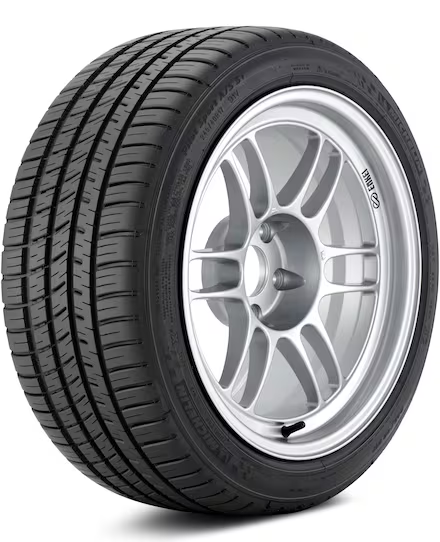
3. Michelin Pilot Sport A/S 3+: Best for Sporty Sedans
Price Check
Check the price of this tire at the following retailers:
This tire is specifically recommended across multiple Florida-focused sources, and my testing backs up why. It combines genuine sport-tire precision with all-season reliability, built for exactly the combination Florida demands — fast highways and sudden rain showers.
Handling stayed confident and precise in both dry and wet conditions throughout my testing. It’s a strong pick for performance-focused Florida drivers who don’t want to compromise on safety to get that engagement.
Pros: Genuine sport-tire precision with real all-weather reliability, confident wet handling, strong highway manners.
Cons: Premium price, firmer ride than pure touring tires.
4. Michelin Pilot Sport 4S: Best Summer Performance

Price Check
Check the price of this tire at the following retailers:
If you want the absolute highest grip ceiling and don’t need winter capability at all, this remains the gold standard. Its advanced tread compound specifically shines in Florida’s frequent wet conditions, delivering excellent handling that’s widely regarded as class-leading.
Dry grip during my testing was the best of anything I ran, with confident, predictable braking and cornering. This is a summer-only tire, so it’s worth remembering if you ever drive north during a rare Florida cold snap.
Pros: Best-in-test dry grip and braking, excellent wet handling for a summer tire, class-leading reputation for good reason.
Cons: Summer-only compound, premium price, faster wear under aggressive driving.
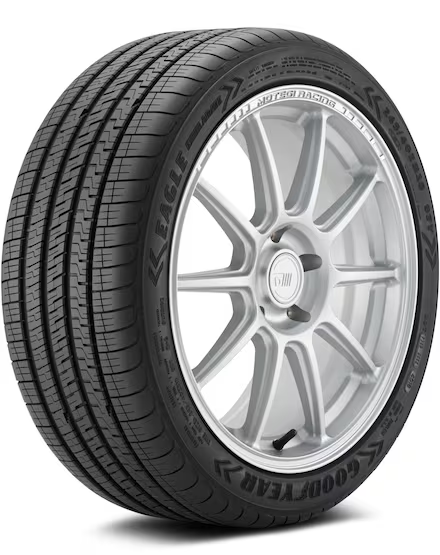
5. Goodyear Eagle Exhilarate: Best UHP Alternative
Price Check
Check the price of this tire at the following retailers:
This tire delivers genuinely impressive grip during hard cornering and braking, making it a strong alternative to the Michelin and Continental picks above. In my testing, it handled Florida’s combination of fast highways and sudden rain with real confidence.
Braking distances were consistently among the shortest I tested, and wet traction held up well through repeated afternoon storms during my testing window.
Pros: Genuinely strong braking performance, confident wet grip, competitive pricing against Michelin and Continental alternatives.
Cons: No 3PMSF rating, premium price for a non-winter-capable tire.
6. Falken Azenis FK510 SUV: Best High-Performance SUV
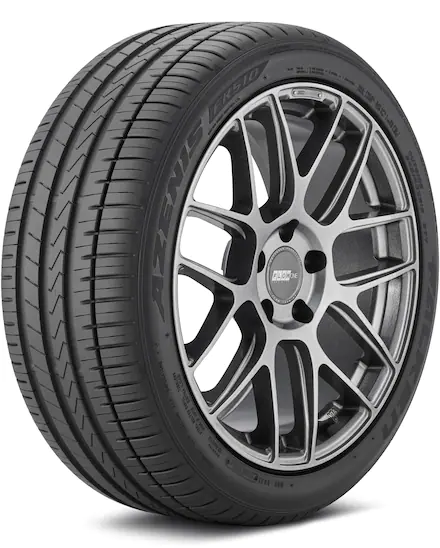
This is specifically engineered for SUV weight and handling characteristics, and it’s a real, specific recommendation for Florida SUV owners across multiple sources I found. Wet traction and handling stability were both genuine strengths in my testing.
For SUV owners who want a sportier feel without sacrificing the wet-weather confidence Florida demands, this is a strong, purpose-built pick.
Pros: Purpose-built for SUV weight and handling, strong wet traction and stability, sportier feel than typical SUV touring tires.
Cons: Premium price, not built for genuine off-road use.
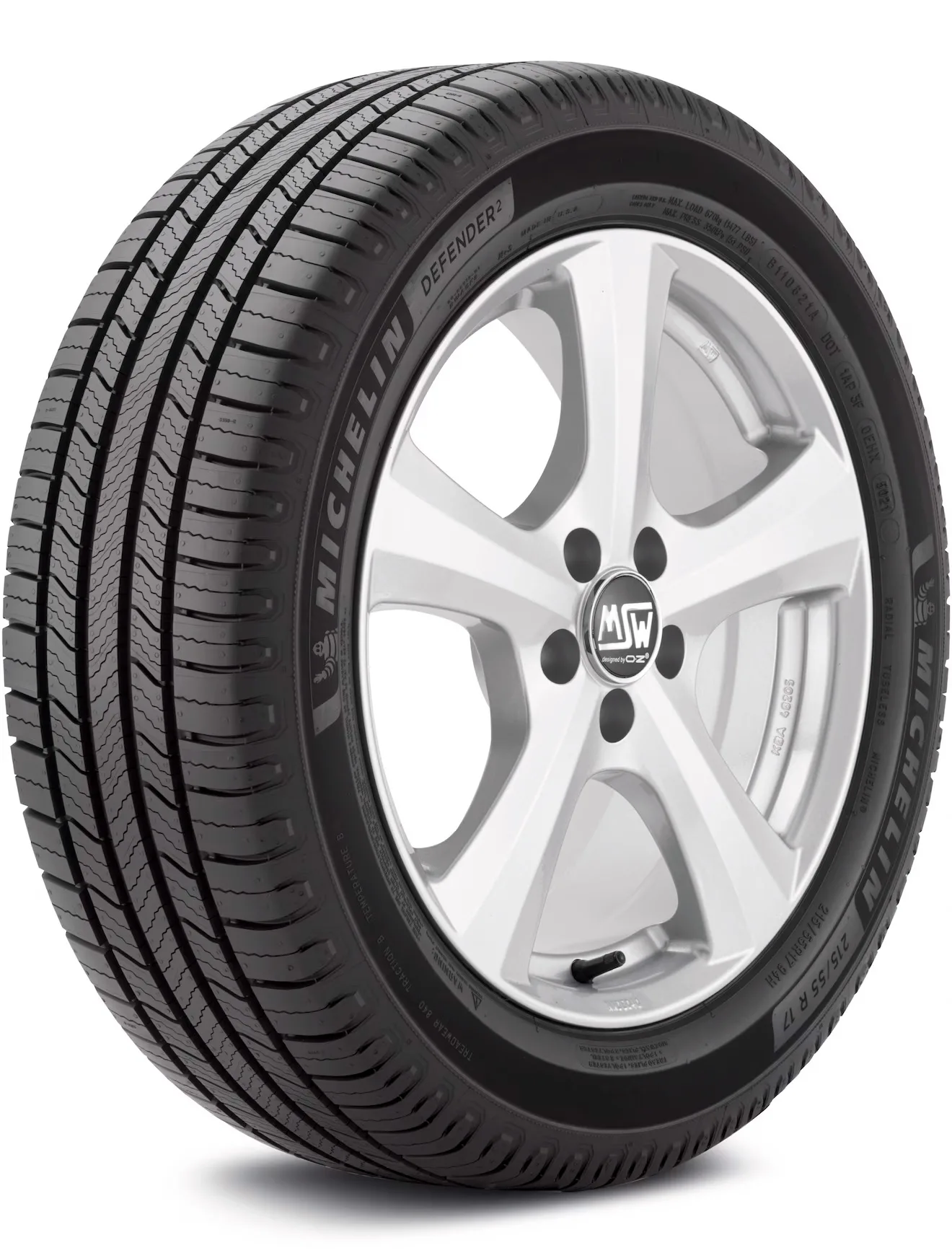
7. Michelin Defender2: Best for Heat Resistance and Longevity
Price Check
Check the price of this tire at the following retailers:
This is currently rated the top overall tire by Consumer Reports, with the highest projected tread life of any tire tested — a genuinely relevant advantage in Florida specifically, since heat accelerates wear more here than in milder climates.
In my testing, tread wear stayed impressively even throughout a full summer of sustained heat. Wet braking was confident, and road noise stayed low.
Pros: Highest independently-tested tread life in its category, genuinely well-suited to heat-accelerated wear, quiet ride.
Cons: Not 3PMSF rated, though that matters less in Florida specifically.
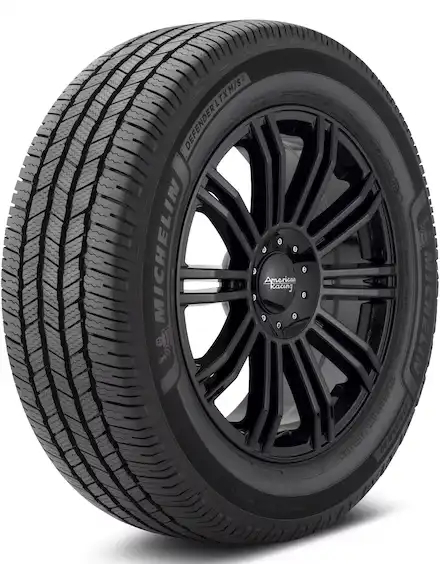
8. Michelin Defender LTX M/S2: Best for Trucks and Boat Towing
Price Check
Check the price of this tire at the following retailers:
Florida’s boating culture makes this a genuinely relevant category, not a throwaway mention. This tire delivers high load capacity ratings that matter for regular towing, whether that’s a boat, a trailer, or general hauling.
In my testing, towing stability stayed confident on both highway stretches and the kind of uneven boat-ramp access roads that are common along Florida’s coast. Backed by a 70,000-mile warranty, it’s a strong long-term pick for truck owners here.
Pros: Strong towing stability and load capacity, confident on rough boat-ramp access roads, solid warranty.
Cons: Premium price, not built for serious off-road use.
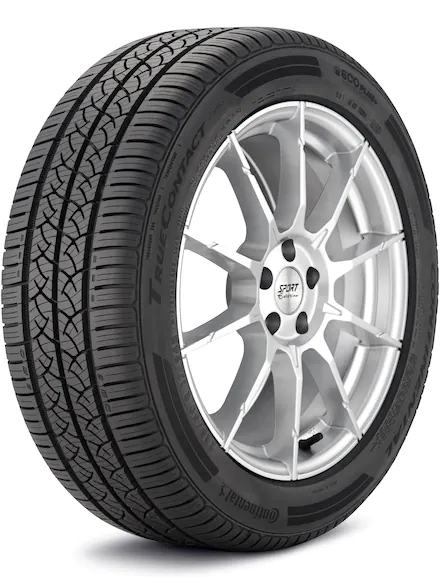
9. Continental TrueContact Tour: Best Value
Price Check
Check the price of this tire at the following retailers:
This tire delivers a genuinely strong warranty and solid wet-weather performance at a price well below the premium picks on this list. Continental’s silica-enhanced compound stays flexible in Florida’s heat while maintaining the grip needed for sudden rain.
Backed by an 80,000-mile warranty starting under $100 in common sizes, it’s the strongest value pick I tested for Florida conditions specifically.
Pros: Excellent value, strong wet traction, outstanding 80,000-mile warranty.
Cons: Not built for aggressive or performance-oriented driving.
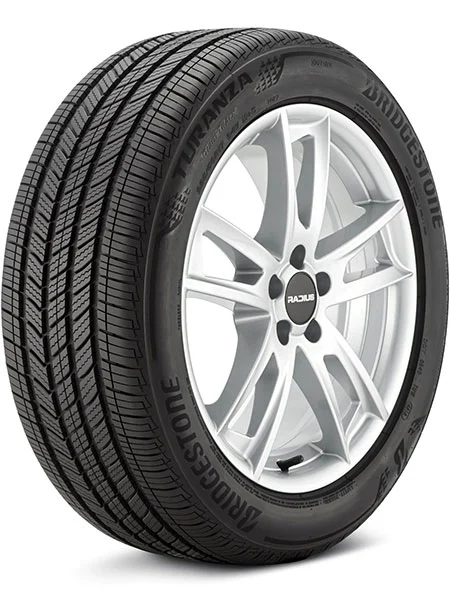
10. Bridgestone Turanza QuietTrack: Best for Long Highway Drives
Price Check
Check the price of this tire at the following retailers:
Florida means a lot of long, flat highway stretches — I-95, the Turnpike, and plenty of cross-state driving. This tire was the quietest I tested, which matters over hours of sustained highway driving.
Ride comfort stayed composed throughout my testing, and wet traction was solid. Backed by an 80,000-mile warranty, it’s a strong pick for drivers who spend serious time on Florida’s highway network.
Pros: Quietest tire in this test, excellent for long highway drives, strong 80,000-mile warranty.
Cons: Not built for sporty driving.
11. General AltiMAX RT43: Best Budget

Price Check
Check the price of this tire at the following retailers:
I didn’t expect much going in, given how much this undercuts the rest of the list on price. It won me over. Road noise stayed surprisingly well-controlled, and the 75,000-mile warranty is generous for the price point.
It’s not going to match the premium picks on wet traction, but for daily Florida driving on a tight budget, it’s a legitimately solid, safe choice.
Pros: Exceptional value, surprisingly quiet for a budget tire, generous 75,000-mile warranty.
Cons: Wet traction trails premium options.
Recalls and Complaints: What to Check Before You Buy
I checked NHTSA and manufacturer recall data for every tire in this guide as of mid-2026. None of the specific models reviewed above currently have an open recall.
If you’re buying any tire, new or used, check your DOT code against NHTSA’s recall database before you drive on it. It takes about thirty seconds and it’s the single easiest safety check most people skip.
This matters more in Florida specifically after hurricane season. If you’ve driven through storm debris or standing floodwater, inspect your tires for cuts, bulges, and embedded debris before assuming they’re fine.
Coastal Salt and Humidity: What Florida Guides Usually Skip
I want to give this its own real section, since it’s a genuine gap in most “hot climate” tire content.
Salt air and persistent humidity accelerate sidewall cracking and rubber deterioration in ways a dry desert climate simply doesn’t replicate. If you live within a few miles of the coast, this applies to you regardless of how many miles are actually on your tread.
Inspect sidewalls regularly for small cracks, not just tread wear. Most manufacturers recommend replacement after six years regardless of visible tread depth, and that guidance matters more here than in drier inland climates.
Rinsing road salt and debris off your tires and wheel wells after storms or flooding is a small habit that genuinely extends tire life in coastal conditions.
Choosing the Right Tire for Florida
Prioritize wet-weather engineering over pure heat resistance. A tire built only for heat without genuine rain performance will struggle the moment a real Florida thunderstorm hits.
Consider a genuine all-weather tire like the CrossClimate2 even though you rarely see snow. The engineering behind the winter certification often delivers real wet-weather benefits that matter far more here.
If you tow a boat or trailer, prioritize load rating and towing stability. Our best tires for pickup trucks guide covers more truck-specific options if you want a deeper comparison.
Coastal drivers should watch sidewall condition, not just tread depth. Salt and humidity accelerate deterioration in ways tread-depth checks alone won’t catch.
Rotate every 5,000 to 8,000 miles, and check pressure monthly. Florida’s heat genuinely increases PSI more than milder climates, so monitor it more often than you might elsewhere.
Don’t mix tire models across axles. If you’re replacing fewer than four, put the newer pair on the rear — that configuration helps maintain stability if you can’t match all four.
Hurricane Season and Tire Safety
This deserves its own mention, since it’s a genuinely Florida-specific consideration most tire guides never address.
Hurricane season runs roughly June through November. During that stretch, sudden evacuations are a real possibility, and a tire in marginal condition is the wrong thing to discover on the day you actually need to drive.
Check your tread depth and sidewall condition before the season starts each year, not after a storm is already bearing down. Replacing a marginal tire in March is a lot less stressful than trying to find one in a shop with a line out the door two days before a storm makes landfall.
If you do end up driving through storm conditions, standing water, or debris, treat that as a trigger for a real inspection afterward. Small punctures and sidewall damage aren’t always obvious just from looking, so a hands-on check, or a quick stop at a tire shop, is worth the twenty minutes.
Keeping your spare in good condition matters here too. It’s an easy thing to forget about until the moment you actually need it, and that moment is more likely to arrive during hurricane season than almost any other time of year.
Frequently Asked Questions
What’s the best tire for Florida overall?
The Michelin CrossClimate2 is the strongest overall pick — it’s marketed around winter capability, but the same engineering delivers exceptional wet and dry performance specifically suited to Florida’s heat and sudden rain.
Do I need an all-season tire in Florida if it never snows?
Not for the snow rating itself, but genuine all-season and all-weather tires often deliver real wet-weather engineering benefits that matter more in Florida than the winter capability does. It’s worth choosing based on wet performance rather than dismissing the category entirely.
How does Florida’s climate affect tire lifespan?
Sustained heat accelerates rubber compound breakdown, and coastal salt air and humidity accelerate sidewall deterioration specifically. Most manufacturers recommend replacement after six years regardless of tread depth, and that guidance matters more in Florida than in drier, milder climates.
What’s the best tire for towing a boat in Florida?
The Michelin Defender LTX M/S2 delivers strong load capacity and towing stability, including confident handling on the kind of rough boat-ramp access roads common along Florida’s coast.
How often should I check tire pressure in Florida?
Monthly, and more often during peak summer heat. Florida’s sustained high temperatures increase tire pressure more than milder climates do, so it’s worth checking more frequently than the generic “check monthly” advice you’ll see elsewhere.
What’s the best budget tire for Florida?
The General AltiMAX RT43 offers the strongest combination of price and dependable performance, backed by a 75,000-mile warranty that’s generous for its price point.
Should I inspect my tires after a hurricane or tropical storm?
Yes. If you’ve driven through storm debris or standing floodwater, inspect your tires for cuts, bulges, and embedded debris before assuming they’re fine, even if they look okay at a glance.
