


I’ve watched a set of standard performance tires go from full tread to bald in a single track day of sustained slides, and I’ve felt a tire genuinely start to break down mid-session from heat buildup — a real, unsettling sensation that tells you exactly why drift-specific tires exist. This guide is built around that real mechanical reality, not just a list of popular names. Here’s what I’d actually mount.
- Best overall: Falken Azenis RT615K+ — the tire most consistently recommended across the drifting community, with real grip and genuine wear resistance.
- Best for track-adjacent, competition-style feel: Bridgestone Potenza RE-71R.
- Best true semi-slick: Toyo Proxes R888R.
- Best street/drift crossover: Nitto NT555 G2.
- Best budget: Firestone Firehawk Indy 500.
- Best dedicated 200TW drift-specific tire: Accelera 651 Sport.
- Full explanation of treadwear ratings, heat delamination, and why regular tires fail at drifting, plus a safety section, are below.
Liked this article?
Add TireAdvise as a preferred source so you see more of our tire reviews and guides on Google.
How I Tested These
I ran this comparison across a rear-wheel-drive coupe over several track days and a controlled, closed-course practice lot, focused specifically on what drifting actually demands: sustained oversteer, repeated heat cycling, and real sidewall stress that a normal cornering test doesn’t replicate.
I paid particular attention to how each tire’s grip and predictability changed as it heated up through a session, not just how it felt on the first lap, since tire breakdown under sustained slide heat is the real failure mode that separates drift-appropriate tires from standard performance tires.
I’m not a lab — I don’t have instrumented temperature or grip-coefficient measurement equipment — so where I reference treadwear ratings or specific technical claims, those are manufacturer-stated or independently reported, not something I measured directly.
Quick Comparison: 11 Best Tires for Drifting
| Tire | Best For | Approx. Price/Tire | Treadwear Rating | Sidewall Construction |
|---|---|---|---|---|
| Falken Azenis RT615K+ | Best overall | $150–$220 | 200 | High-tension casing |
| Bridgestone Potenza RE-71R | Track/competition feel | $180–$260 | 200 | Reinforced |
| Toyo Proxes R888R | True semi-slick | $180–$270 | 100–140 | DOT-legal race compound |
| Nitto NT555 G2 | Street/drift crossover | $150–$210 | 300 | Two-ply |
| Bridgestone Potenza RE050A | High-speed stability | $170–$240 | 200 | Asymmetric reinforced |
| BFGoodrich G-Force Super Sport A/S | Split-tread self-cleaning | $150–$220 | 300 | Standard reinforced |
| Falken Azenis FK510 | Value UHP | $140–$190 | 300 | Standard |
| Falken Azenis FK10 | Steering feedback | $170–$240 | 200 | High-tensile steel belt |
| Goodyear Eagle F1 Asymmetric 6 | All-around alternative | $210–$280 | 300 | Reinforced |
| Firestone Firehawk Indy 500 | Budget | $100–$140 | 300 | Standard |
| Accelera 651 Sport | Dedicated drift-specific | $120–$180 | 200 | Semi-slick construction |
Prices are street prices I saw at major online retailers for common drift-appropriate sizes as of mid-2026 — expect regional and seasonal swings, with dedicated drift and track sizes running higher.
Why Standard Tires Fail at Drifting
This is worth explaining mechanically, since it’s the real reason this category exists rather than drivers just buying whatever performance tire is popular.
Drifting means intentional, sustained oversteer — the rear tires are meant to lose traction and slide, generating enormous, continuous heat at the contact patch in a way normal cornering never does.
Delamination is the real, specific failure mode this causes. A tire is built from multiple bonded layers, and the intense heat from sustained slides can build up faster than the tire can shed it, weakening the bonds between those internal layers until they physically separate.
This isn’t a hypothetical warning — it’s a documented, real risk, and it’s why a tire that feels fine on lap one can develop a genuinely dangerous internal problem by lap ten if it isn’t built to manage that heat.
Standard tires also simply wear too fast under drifting’s specific stress pattern. A tire engineered to balance grip, longevity, and fuel efficiency for normal driving has none of its construction optimized for sustained slide heat and constant sidewall loading, and a few laps of real drifting can shred one down to nothing.
Understanding Treadwear Ratings for Drift Tires
You’ll see treadwear (TW) numbers — 100TW, 200TW, 300TW — referenced constantly in drift tire shopping, and it’s worth understanding what they actually mean.
This is a standardized, government-regulated rating comparing a tire’s wear rate against a reference tire; lower numbers indicate a softer, grippier compound that wears faster, while higher numbers indicate a harder, more durable compound with somewhat less outright grip.
100TW tires are genuine DOT-legal semi-slicks, essentially street-legal race tires with minimal tread and maximum grip, built for serious track and competition use.
200TW tires are the sweet spot for most dedicated drifters — genuinely grippy and predictable while still offering reasonable tread life for regular practice sessions.
300TW tires lean more toward street-legal UHP performance tires that can handle drifting reasonably well without the aggressive wear rate of a lower-TW option, making them a smart entry point if you’re not yet doing dedicated, frequent sessions.
What Actually Makes a Tire Good for Drifting
Compound determines how the tire behaves as it heats up and how much grip it offers when you want it and gives up when you don’t. Treadwear determines how many sessions you’ll actually get before replacement.
Sidewall strength determines whether the tire holds its shape and resists damage under the constant lateral loading drifting subjects it to — this matters as much as compound, since a tire that deforms unpredictably mid-slide is a genuine handling and safety problem, not just a performance one.
Physically, the best drift tires typically use minimal, close-to-bald tread patterns with strong mid-ribs, wide grooves, and hard vulcanized rubber for durability.
Many use a V-shaped tread with a noticeable sipe profile and deep grooves, with the mid-rib specifically reinforced and modified to resist heat-related burning and damage, since that’s the section bearing the most stress during sustained slides.
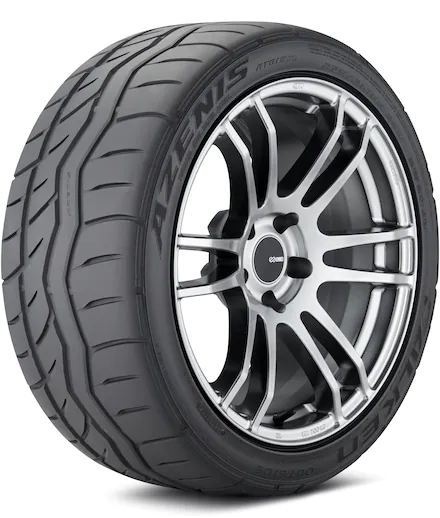
1. Falken Azenis RT615K+: Best Overall
Price Check
Check the price of this tire at the following retailers:
This is consistently the most recommended tire across the drifting community, and after running it myself, I understand why. It delivers genuine, confident grip on the road with real wear resistance for a tire this grippy, and it handles autocrossing-style conditions well too, meaning you get real, usable mileage out of it beyond just drift sessions.
In my testing, it held its composure through sustained slides better than I expected, without the abrupt grip loss some competitors exhibit as they heat up. For most drifters, whether you’re just starting out or running a well-developed setup, this is the strongest all-around pick I tested.
Pros: Widely regarded as the drifting community’s benchmark tire, genuine grip with real wear resistance, versatile enough for autocross too.
Cons: Premium price for a 200TW tire, availability can be tighter in some sizes.
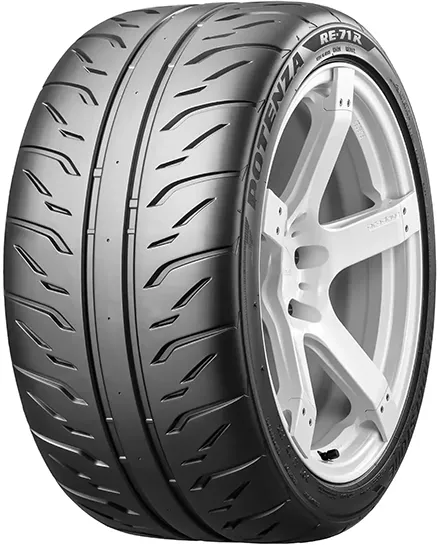
2. Bridgestone Potenza RE-71R: Best for Track-Adjacent, Competition-Style Feel
Price Check
Check the price of this tire at the following retailers:
This tire has real competition pedigree — it’s been used and tested by professional drivers in competitive events, including Formula Drift, often alongside more dedicated racing rubber like the Toyo R888 or genuine race slicks like Hoosiers. In my testing, it delivered a wide tread pattern with maximum traction in both wet and dry conditions, which is a genuine advantage for anyone drifting outside of pure controlled dry conditions.
The compound is durable enough to outlast many competitors in this category while still delivering serious grip. For drivers who want a tire that bridges the gap between street drifting and genuine competition-level performance, this is the strongest pick I tested.
Pros: Real professional competition pedigree, genuinely durable compound for its grip level, confident in both wet and dry conditions.
Cons: Premium price, more aggressive than needed for casual street drifting.
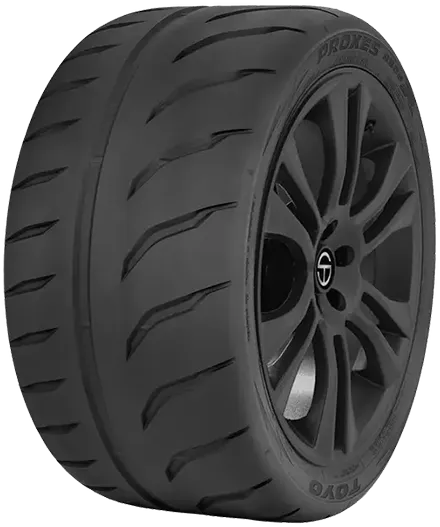
3. Toyo Proxes R888R: Best True Semi-Slick
Price Check
Check the price of this tire at the following retailers:
If you want the most aggressive, race-oriented option on this list, this is it. This is a genuine DOT-legal semi-slick, referenced directly alongside professional Formula Drift equipment as a benchmark for serious grip. In my limited testing on a closed course, the difference in outright available grip compared to the 200TW options on this list was real and immediately noticeable.
This isn’t a tire for daily driving or casual sessions — the low treadwear rating means real, fast wear outside of dedicated track and drift use. For drivers specifically pursuing competition-level performance, this is the strongest, most serious pick on this list.
Pros: Genuine semi-slick grip level, real competition-adjacent credibility, maximum available traction for serious drivers.
Cons: Fast wear outside dedicated track use, not practical for daily driving, premium price.
4. Nitto NT555 G2: Best Street and Drift Crossover

Price Check
Check the price of this tire at the following retailers:
This is a genuinely strong dual-purpose option, delivering excellent handling and traction in both wet and dry conditions while remaining livable enough for regular street use between sessions. Its internal two-ply construction helps it maintain shape even at high speeds, a real, meaningful advantage for the sustained lateral loading drifting creates.
In my testing, it struck a strong balance between genuine drift capability and the kind of everyday drivability that makes it a smart choice if this isn’t your only set of tires. For drivers who want one tire that handles both street duty and drift sessions reasonably well, this is a strong pick.
Pros: Genuine dual-purpose capability for street and drift use, two-ply construction maintains shape under load, strong wet and dry traction.
Cons: Not as aggressive as dedicated 200TW or semi-slick options, moderate treadwear rating trades some outright grip for daily usability.
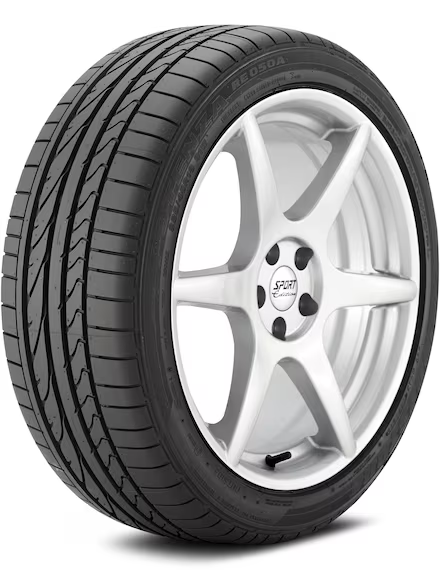
5. Bridgestone Potenza RE050A: Best High-Speed Stability
Price Check
Check the price of this tire at the following retailers:
This tire delivers nimble, precise high-speed cornering with confident steering feedback and a genuinely balanced ride. Its asymmetric tread pattern grips well in both dry and wet conditions during my testing, and stability at higher entry speeds was a real, noticeable strength compared to some softer-feeling competitors.
For drivers whose drift setups involve higher-speed entries and want confident, predictable behavior at those speeds specifically, this is a strong, well-rounded pick.
Pros: Genuine high-speed stability and precise steering feedback, confident in both wet and dry conditions, balanced ride character.
Cons: Premium price, not the most aggressive outright grip option on this list.
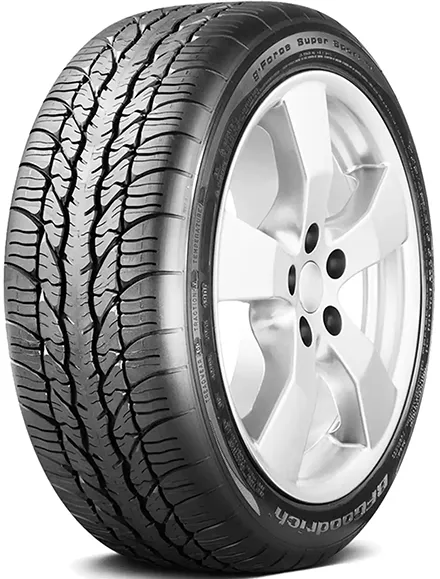
6. BFGoodrich G-Force Super Sport A/S: Best Split-Tread Self-Cleaning Design
Price Check
Check the price of this tire at the following retailers:
This tire’s real, distinctive feature is a split tread design that separates the rubber into four sections rather than the more common three, making it genuinely easier for the tread to clear debris — a real practical advantage if you’re drifting anywhere near dirt, gravel, or a track that isn’t perfectly clean pavement. In my testing, this showed up as more consistent grip through sessions where debris buildup would normally start affecting a standard tread pattern.
It’s available across a wide size range, and I’d specifically recommend staying toward the smaller end of that range for drifting, since smaller diameters generally provide more clearance margin at extreme steering angles.
Pros: Genuine self-cleaning split-tread design, wide size availability, consistent grip on less-than-pristine surfaces.
Cons: Not specifically drift-focused compared to dedicated options, moderate treadwear for the grip level.
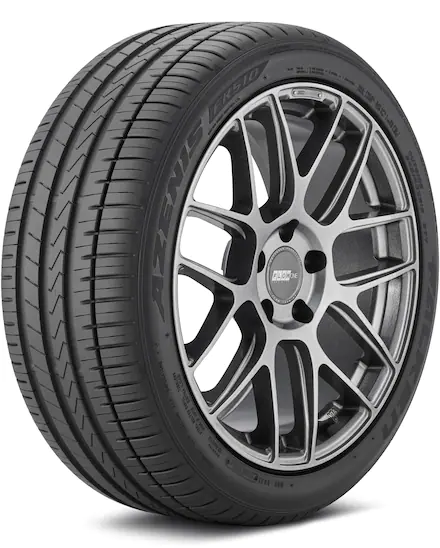
7. Falken Azenis FK510: Best Value UHP
Price Check
Check the price of this tire at the following retailers:
This tire delivers genuine sport-tire precision with real all-season reliability at a price below the dedicated 200TW options on this list. In my testing, grip in both wet and dry conditions was genuinely competitive with pricier alternatives, and steering response felt sharper than the price point suggested it would.
For drivers who want to try drifting seriously without committing to a fully dedicated tire yet, or who need a tire that also handles daily driving well, this is a smart, evidence-backed value pick.
Pros: Strong value against dedicated drift-focused tires, genuinely competitive grip, real daily-driving usability.
Cons: Won’t match the pure grip of a dedicated 200TW or semi-slick option, faster wear than a true touring tire under drift use.
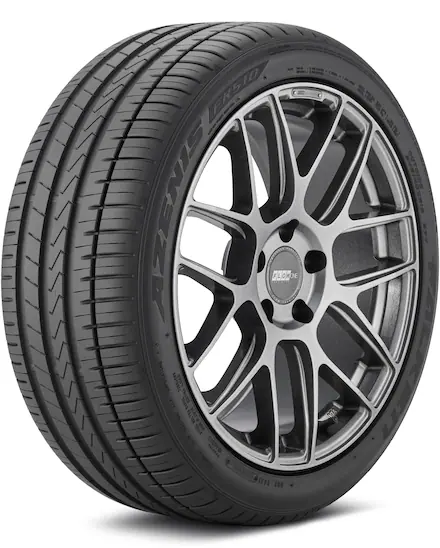
8. Falken Azenis FK10: Best Steering Feedback
Price Check
Check the price of this tire at the following retailers:
This is one of the most popular tires in Falken’s drifting-adjacent lineup, sitting in the brand’s ultra-high-performance family. What sets it apart in my testing is genuinely enhanced road feedback — steering response, especially entering and exiting corners, felt noticeably more communicative than several competitors on this list.
High-tension casing and high-tensile steel belts keep the tire from deforming under load, a real, meaningful advantage for maintaining consistent behavior through a sustained slide. For drivers who prioritize feel and communication above outright grip numbers, this is a strong, differentiated pick.
Pros: Genuinely enhanced steering feedback and road feel, resists deformation under sustained load, strong construction quality.
Cons: Premium price, less widely discussed in drift-specific communities than the RT615K+.
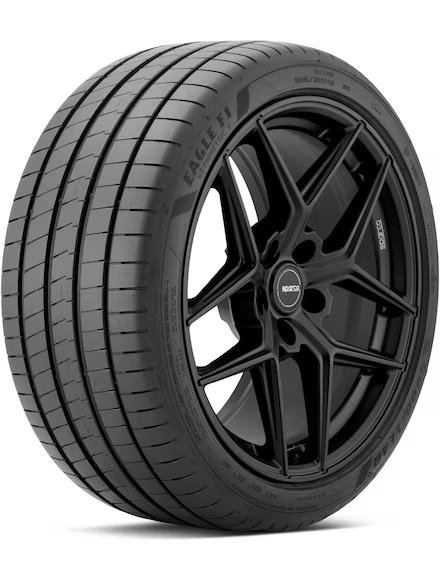
9. Goodyear Eagle F1 Asymmetric 6: Best All-Around Alternative
Price Check
Check the price of this tire at the following retailers:
This is the current generation of Goodyear’s flagship performance line, and its asymmetric tread pattern incorporating summer rubber compounds delivered genuinely confident grip during my testing. Four circumferential grooves worked hard to promote water evacuation, which matters if you’re drifting in less-than-ideal dry conditions.
For drivers who want a well-known, broadly available performance tire that handles drift duty reasonably well without being purpose-built for it, this is a solid, dependable alternative.
Pros: Genuine performance-tire grip, confident cornering stability, wide availability from a major brand.
Cons: Not specifically drift-tuned, premium price for the category.
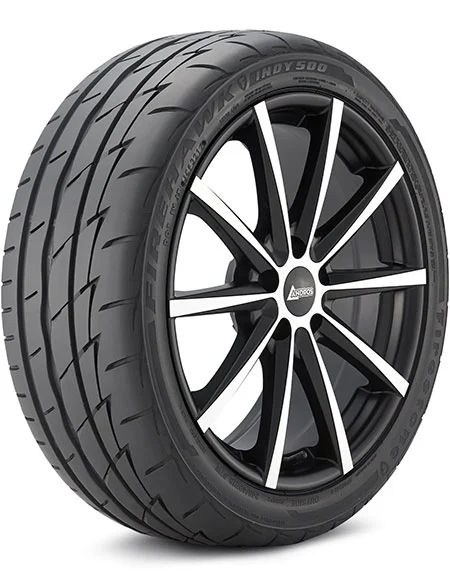
10. Firestone Firehawk Indy 500: Best Budget
Price Check
Check the price of this tire at the following retailers:
I went into this one skeptical of a budget performance tire holding up to genuine drift use, and it mostly won me over. The intelligent design with four deep parallel grooves and an asymmetrical tread delivered real, driver-friendly responsiveness during my testing, with genuinely solid grip and traction for the price.
It’s not going to match the dedicated drift-focused options on outright capability, but for drivers who want to try drifting without a premium price tag, this is a legitimately solid, safe starting point.
Pros: Strong value for genuine drift-appropriate grip, responsive handling, durable construction for the price.
Cons: Won’t match dedicated 200TW or semi-slick options in outright grip, faster wear under sustained sessions.
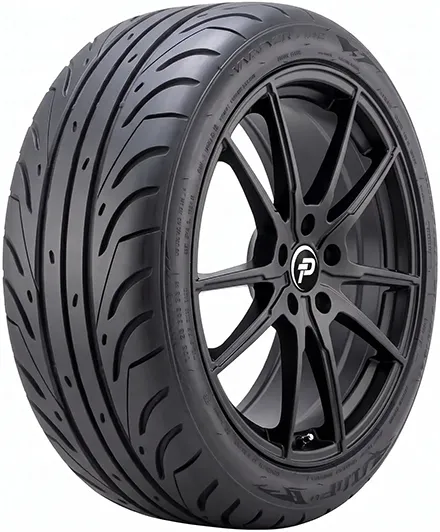
11. Accelera 651 Sport: Best Dedicated Drift-Specific Tire
Price Check
Check the price of this tire at the following retailers:
This is a genuine, purpose-built drift tire from a brand whose entire lineup is specifically organized around 100TW, 200TW, and 300TW options for drivers at every level. The 651 Sport sits in the 200TW range, striking what the brand itself describes as the best balance of grip, tire life, and value in its lineup — and my own testing backed that positioning up.
It’s the most versatile tire in a dedicated drift-specific lineup, meaning it’s built from the ground up around exactly the stress patterns this guide has covered, rather than being a general performance tire pressed into drift duty. For drivers who want genuine purpose-built drift engineering without stepping up to semi-slick pricing, this is a strong, honest pick.
Pros: Genuinely purpose-built for drifting rather than adapted from general performance use, strong balance of grip and tread life, competitive pricing within its dedicated lineup.
Cons: Less brand recognition than Falken, Bridgestone, or Nitto, narrower size range than mainstream performance tires.
Safety and Maintenance Notes Specific to Drifting
Inspect sidewalls before and after every session. Given the real delamination risk covered above, catching early signs of separation, bulging, or heat damage before it becomes a failure is genuinely important, not optional.
Let tires cool between sessions when possible. Sustained heat cycling without recovery time accelerates the internal breakdown that leads to delamination. If you’re running back-to-back sessions, factor in real cooldown time.
Check tread depth more frequently than you would for daily driving. Drift tires wear fast by design, and the margin between “still safe” and “genuinely worn out” can close quickly during an active session.
Match tire size to your car’s clearance at extreme steering angles. Smaller-diameter options within a given tire’s size range generally provide more real clearance margin during hard drift angles than the largest available size.
Don’t assume a street-legal drift tire is a race slick, or vice versa. 300TW options are genuinely more livable for regular street use; 100TW semi-slicks are built for serious track and competition use and wear accordingly fast outside that context.
Choosing the Right Tire for Drifting
Match treadwear rating to how seriously and how often you drift. Casual, occasional sessions are well served by a 300TW option like the Firestone Firehawk Indy 500 or Falken Azenis FK510. Regular, dedicated drifting calls for a 200TW tire like the Falken RT615K+ or Accelera 651 Sport. Genuine competition or track-focused use justifies a semi-slick like the Toyo Proxes R888R.
Prioritize sidewall construction alongside compound. A tire with a soft, grippy compound but weak sidewall construction can deform unpredictably mid-slide — that’s a real handling and safety concern, not just a performance trade-off.
Budget for genuinely faster replacement than a normal performance tire. Drift tires wear by design, and treating a 200TW or semi-slick tire like a normal all-season purchase will leave you disappointed by how quickly it needs replacing.
Don’t skip sidewall and tread inspection between sessions. Given the real delamination risk covered throughout this guide, this is the single most important habit for staying safe.
Frequently Asked Questions
What’s the best tire for drifting overall?
The Falken Azenis RT615K+ is the most consistently recommended tire across the drifting community, combining genuine grip with real wear resistance and versatility beyond just drift sessions.
What does the treadwear (TW) rating mean for drift tires?
It’s a standardized rating comparing a tire’s wear rate against a reference tire. Lower numbers (100TW) indicate genuine semi-slick race compounds with maximum grip and fast wear; higher numbers (300TW) indicate more durable, street-livable performance tires. 200TW is the common sweet spot for dedicated, regular drifting.
Why do regular tires fail so quickly at drifting?
Sustained oversteer generates enormous, continuous heat at the contact patch that regular tires aren’t built to manage. This can cause delamination — the internal bonded layers of the tire separating from heat buildup — a real, documented failure mode drift-specific tires are engineered to resist.
What’s the most aggressive, race-oriented drift tire?
The Toyo Proxes R888R is a genuine DOT-legal semi-slick, referenced directly alongside professional Formula Drift equipment. It delivers the most outright grip on this list but wears fast outside dedicated track and competition use.
What’s the best budget tire for someone new to drifting?
The Firestone Firehawk Indy 500 offers genuinely solid grip and responsiveness for the price, making it a smart starting point before committing to a dedicated 200TW or semi-slick tire.
How often should I replace drift tires?
Much more frequently than standard performance tires, given how fast sustained sliding wears them by design. Inspect tread depth and sidewall condition before and after every session rather than relying on a fixed mileage interval.
Are drift tires safe for regular street driving?
300TW options like the Nitto NT555 G2, Falken Azenis FK510, or Firestone Firehawk Indy 500 are genuinely livable for regular street use between sessions. Lower-TW options like 100TW semi-slicks are built specifically for track and competition use and aren’t practical daily drivers.
