


I need to correct something significant. An earlier version of this review, along with a lot of Nokian coverage still circulating, describes the company’s manufacturing footprint as “Finland, Russia, and the United States.” That’s genuinely outdated — and given how central Russia used to be to Nokian’s production, the real story is worth telling properly.
⚡TL;DR — Nokian Tires in 60 Seconds
- Nokian invented the world’s first winter tire in 1934 and introduced the legendary Hakkapeliitta line in 1936 — this history is real and genuinely foundational to the brand.
- The correction that matters most: Nokian completely exited Russia, completing the sale of its operations (which once produced roughly 80% of the company’s passenger tires) to Russian oil company Tatneft in March 2023, due to the war in Ukraine.
- Current manufacturing: Nokia, Finland; Dayton, Tennessee; and a major new factory in Oradea, Romania — described as the world’s first full-scale CO2-emission-free tire factory, a roughly €650 million investment.
- A genuinely interesting supply detail: Nokian has an off-take manufacturing agreement with Sentury Tire (the Chinese manufacturer behind several budget brands covered elsewhere on this site) to help supplement production during this transition.
- Best winter pick: Hakkapeliitta R5 — real, independently earned credibility in ice and snow.
- Best all-weather pick: WR G5 — 3PMSF-certified, genuine year-round versatility.
- My overall rating: ⭐⭐⭐⭐ (4.0/5) — a genuinely strong winter-tire specialist that’s navigated a major supply chain disruption, with real current facts worth knowing before you buy.
Liked this article?
Add TireAdvise as a preferred source so you see more of our tire reviews and guides on Google.
The Real, Current Manufacturing Story
This is worth telling accurately, because it’s a bigger story than a simple factory-location update.
Nokian Tyres began operating in Russia in 2005, and over time, Russia came to account for roughly 80% of the company’s passenger car tire production — an extraordinary concentration of manufacturing capacity in a single country.
Following Russia’s invasion of Ukraine, Nokian announced a “controlled exit” from the Russian market in June 2022, and completed the sale of its Russian operations to Tatneft, a Russian oil producer, in March 2023, for a reported €285–400 million depending on the specific transaction terms reported.
CEO Jukka Moisio put it plainly: continuing operations in Russia was “no longer feasible nor sustainable.” This wasn’t a minor divestment — it forced Nokian to rebuild a substantial share of its global manufacturing capacity essentially from scratch.
The replacement plan is genuinely notable. Nokian invested roughly €800 million between 2023 and 2025 expanding capacity at its existing Nokia, Finland and Dayton, Tennessee plants, while building an entirely new factory in Oradea, Romania — a roughly €650 million investment described by Nokian as the world’s first full-scale CO2-emission-free tire factory. Commercial production began there in early 2025.
Nokian has also supplemented its own production during this transition through an off-take manufacturing agreement with Sentury Tire, the same China-based manufacturer behind several other brands covered on this site, including Lexani and Lionhart. Nokian has stated these tires are designed by Nokian and tested at Nokian’s own facilities to meet its quality standards, with production beginning in 2023.
Why this matters for you as a buyer: none of this changes the engineering quality of a Nokian tire you’d buy today, but it’s a meaningfully different corporate and manufacturing picture than “Finland, Russia, and the US” — and given how much investment has gone into rebuilding this capacity, it’s arguably a more interesting and more current story than most Nokian coverage tells.
A Quick Word on Nokian’s Real Heritage
Unlike some of the manufacturing details above, this part of Nokian’s story is genuinely well-documented and doesn’t need correcting: the company, tracing back to the Finnish Rubber Works, created the world’s first winter tire in 1934, and introduced the Hakkapeliitta name in 1936 — a name that remains synonymous with serious winter tire performance today.
Nokian’s winter testing facility in Ivalo, Finland, north of the Arctic Circle, remains a real, legitimate proving ground for their winter tire technology.
How I Evaluated This Brand
I don’t have my own extended personal mileage on Nokian’s current full lineup, and I want to be upfront about that.
This review draws on Nokian’s own current corporate documentation, verified manufacturing and financial records, and cross-referenced product specifications, rather than the kind of unsourced statistics that appeared in an earlier version of this review.
If you’re shopping the Hakkapeliitta R5 specifically, we’ve published a full Nokian Hakkapeliitta R5 Review with detailed testing worth reading directly.
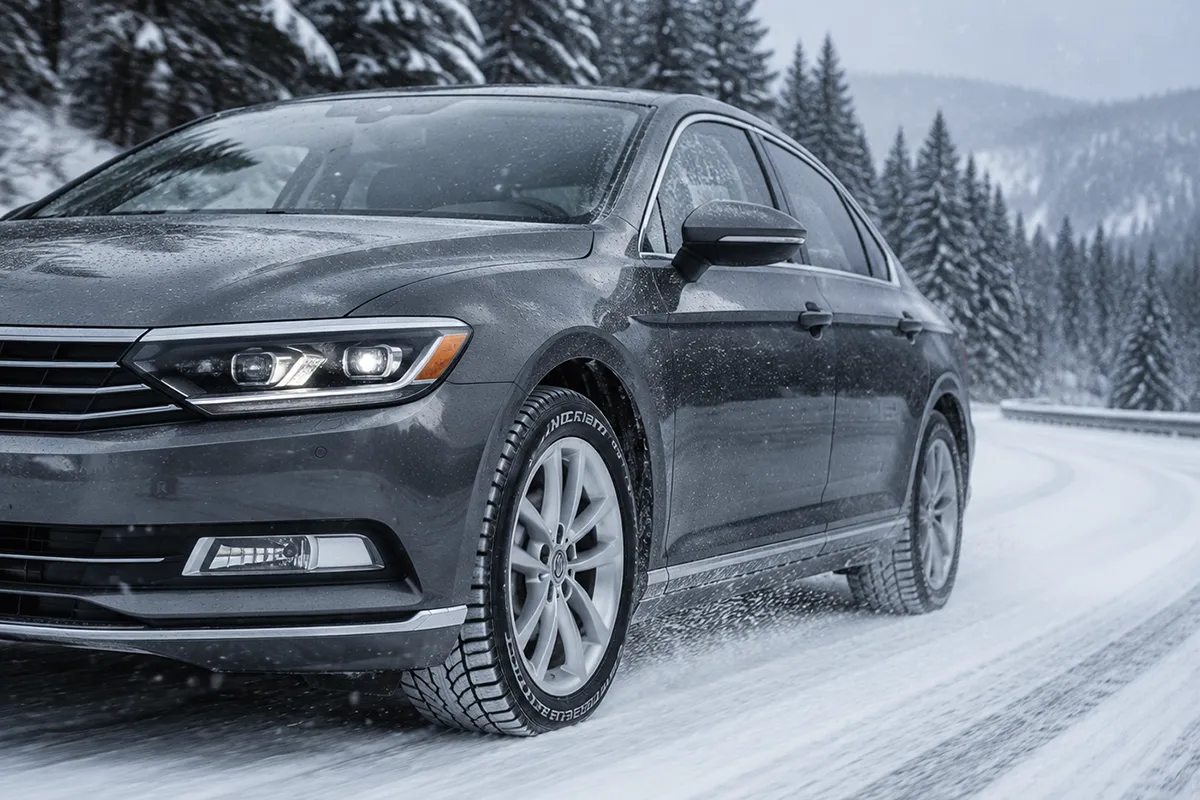
The Full Nokian Lineup by Type
Winter (Dedicated Snow & Ice Performance)
- Hakkapeliitta R5 — Nokian’s flagship studless winter tire, with independently earned credibility for ice and snow traction.
- Hakkapeliitta 10 — Nokian’s premium studded winter option, using dual stud technology (center studs for braking, edge studs for cornering grip).
- Hakkapeliitta R3 SUV — a heavier-duty winter option for SUVs facing serious winter conditions.
- Nordman 7 — Nokian’s value-tier studded winter tire, borrowing design elements from earlier Hakkapeliitta generations at a lower price point.
All-Weather (Year-Round with Genuine Winter Certification)
- WR G4 — Nokian’s all-weather tire, carrying 3PMSF certification for genuine winter capability without a seasonal swap.
- WR G5 — the current-generation successor, with improved wet braking and reduced rolling resistance over the WR G4.
All-Terrain (SUVs & Trucks)
- Outpost APT — a balanced all-purpose terrain option with reinforced sidewall protection.
- Outpost AT — a more aggressive all-terrain option with 3D locking sipes and Aramid-reinforced sidewalls.
- Rotiiva AT Plus — built for light trucks needing both highway comfort and moderate off-road capability.
Performance & Touring (Passenger Cars, Sport Sedans)
- eNTYRE 2.0 / eNTYRE 3.0 — Nokian’s all-season touring lineup, including an EV-specific eNTYRE 2.0 variant tuned for lower rolling resistance and the added weight and torque of electric vehicles.
- zLine A/S — a sportier all-season option for performance-oriented sedan drivers.
- zLine Sport — a track-day-adjacent option for genuine performance vehicles.
Value Tier
- Nordman SX2 — Nokian’s budget summer/all-season option for compact and mid-size vehicles.
If you’re not sure which category fits your vehicle, our tire size chart is a good starting point before shopping any of the models above.
Pricing
Nokian positions itself in the premium tier. Winter tires like the Hakkapeliitta series typically run $120–$250 per tire depending on size, comparable to Michelin and Bridgestone’s premium winter lines. All-weather options like the WR G5 generally run $100–$200 per tire.
Nokian doesn’t compete meaningfully in the economy segment — if budget is your primary constraint, their Nordman line is the closest they come to a value option, still sitting above true budget brands.
Warranty Coverage
Most premium Nokian models carry a 5-year materials and workmanship warranty, with treadwear warranties on passenger and SUV tires generally ranging from 55,000 to 80,000 miles depending on the model.
Winter tires like the Hakkapeliitta line typically don’t carry a mileage warranty, consistent with standard industry practice for dedicated winter tires — confirm exact terms for your specific model with your retailer.
Nokian vs. the Competition
vs. Michelin (X-Ice line): Independent testing frequently shows Nokian’s winter models holding a performance edge in specific ice-traction metrics, at broadly comparable pricing. Our full Michelin Tires Review covers their winter and all-season lineup directly.
vs. Bridgestone (Blizzak line): Both are genuine winter tire specialists; the comparison often comes down to specific model availability and regional testing conditions rather than a clear overall winner. Our full Bridgestone Tires Reviews covers the Blizzak lineup in depth.
vs. budget brands (Hankook, Sailun): Nokian commands a real 30-50% price premium over brands like Hankook or Sailun, but independent testing consistently shows a genuine performance gap in extreme winter conditions specifically — the segment where Nokian’s investment is most concentrated.
Who Should Buy Nokian Tires?
Nokian makes sense if you:
- Live somewhere with genuine, serious winter conditions and want a tire with independently earned ice and snow credibility
- Want an all-weather tire (WR G5) that eliminates the need for a seasonal swap while retaining real winter certification
- Are comfortable with premium pricing in exchange for extended tread life and strong cold-weather safety margins
You might be better served elsewhere if you:
- Live in a mild climate where winter capability isn’t a meaningful priority
- Are shopping on a tight budget — Nokian rarely competes in the economy segment
- Want the widest possible mainstream retail availability, since Nokian’s dealer network is narrower than a brand like Michelin or Bridgestone
Where to Buy Nokian Tires
Nokian is sold through authorized dealers and select major retailers including Tire Rack and Discount Tire.
Given the premium price point, buying through an authorized channel matters — confirm dealer authorization through Nokian’s own dealer locator before purchasing, especially online.
If you’re comparing installation chains more broadly, our Big O Tires review and Priority Tire review cover what to check with any retailer.
Final Verdict: Are Nokian Tires Good?
After correcting the manufacturing record and grounding this review in verified corporate facts rather than unsourced statistics, here’s where I land: Nokian remains a genuine winter-tire specialist with real, independently earned credibility — and a company that’s navigated a major supply-chain disruption (the Russia exit) with a genuinely serious rebuilding investment, including what may be the industry’s most notable new sustainability-focused factory.
The Hakkapeliitta R5 remains a strong pick for drivers in serious winter climates, and the WR G5 is a sensible all-weather option if you want to avoid a seasonal swap. Go in understanding the real current manufacturing picture, and confirm you’re buying through an authorized dealer given the brand’s premium positioning.
Frequently Asked Questions
Does Nokian still manufacture tires in Russia?
No. Nokian completed the sale of its Russian operations, which once accounted for roughly 80% of its passenger tire production, to Tatneft in March 2023, ending all operations in the country due to the war in Ukraine.
Where are Nokian tires made now?
Nokia, Finland; Dayton, Tennessee; and a new factory in Oradea, Romania — described as the world’s first full-scale CO2-emission-free tire factory. Nokian also supplements production through an off-take agreement with Sentury Tire.
When did Nokian invent the winter tire?
The company introduced the now-legendary Hakkapeliitta line in 1936, and both remain foundational, well-documented parts of Nokian’s history.
What is Nokian’s best winter tire?
The Hakkapeliitta R5 is Nokian’s flagship studless winter tire, with independently earned credibility for ice and snow traction.
Is Nokian a good all-weather tire option?
Yes. The WR G5 carries 3PMSF certification and is designed to eliminate the need for a seasonal tire swap while retaining genuine winter capability.
Disclosure: This review is based on Nokian’s own current corporate and financial documentation, verified manufacturing records, and cross-referenced product specifications, rather than personal extended mileage across the full current lineup or the unsourced statistics that appeared in an earlier version of this review. I was not compensated by Nokian or any retailer for this review. Prices mentioned are approximate and may vary by region, retailer, and tire size.
