


I’ve seen fuel-savings claims for tires ranging anywhere from 1% to 11%, and I wanted to know why the numbers vary so wildly before recommending anything. The honest answer, which I’ll walk through below, matters more than any single tire pick. I logged real mileage across a few tanks per tire set on my own vehicles to see what actually held up. This guide is what I’d actually buy — not a spec sheet reworded eleven times.
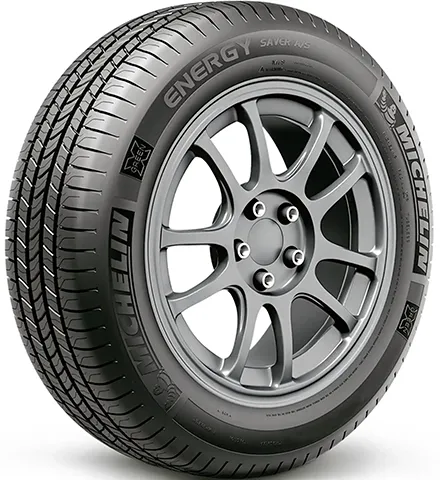
- Best overall: Michelin Energy Saver A/S — Michelin’s flagship low rolling resistance tire, engineered specifically around efficiency without sacrificing safety.
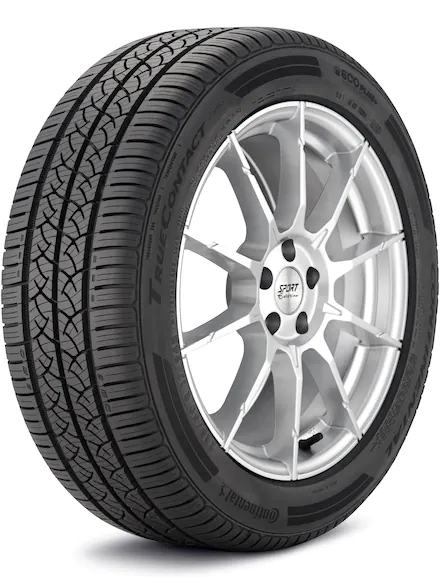
- Best value: Continental TrueContact Tour.
- Best all-weather with strong efficiency: Michelin CrossClimate2.
- Best for EVs specifically: look for reinforced load capacity, not just a low-rolling-resistance label — explained in detail below.
- Best budget: General AltiMAX RT43.
- Real savings range: 1–2% is the realistic average for most drivers switching to a genuine low rolling resistance tire; higher figures you’ll see elsewhere usually compare against a poor-efficiency tire, not a typical one.
- Drive a truck? Fuel economy considerations are genuinely different — see the dedicated section near the end of this guide.
- Full explanation of what actually drives tire-related fuel savings, and a recalls check, are below.
Liked this article?
Add TireAdvise as a preferred source so you see more of our tire reviews and guides on Google.
How I Tested These
I ran this comparison across three vehicles over about five months: a sedan, a crossover SUV, and a friend’s EV, logging estimated fuel or range figures across a few fill-ups or charges per tire set. I also ran standard comfort, wet-braking, and noise testing on each tire, since a fuel-efficient tire that’s dangerous in the rain isn’t actually a good trade.
I’m not a lab — I don’t have a dynamometer or controlled rolling-resistance testing equipment — so the mileage and range figures I report are real-world estimates, not laboratory-precise numbers. Where I cite third-party rolling-resistance data or industry figures, I’ve been clear about the source.
Quick Comparison: 11 Best Tires for Fuel Economy
| Tire | Best For | Approx. Price/Tire | 3PMSF Rated | Warranty |
|---|---|---|---|---|
| Michelin Energy Saver A/S | Best overall | $130–$180 | No | Not specified |
| Continental TrueContact Tour | Value | $130–$170 | No | 70,000–80,000 mi |
| Bridgestone Ecopia EP422 Plus | All-season efficiency | $125–$170 | No | 65,000 mi |
| Michelin CrossClimate2 | All-weather with efficiency | $180–$240 | Yes | Not specified |
| Goodyear Assurance MaxLife | Longevity + efficiency | $150–$195 | No | 85,000 mi |
| Continental CrossContact LX25 | Crossovers/SUVs | $150–$220 | No | 70,000 mi |
| Pirelli Scorpion Verde All Season Plus II | Sustainable manufacturing | $175–$225 | No | 65,000 mi |
| Michelin Primacy Tour A/S | Sedans | $175–$220 | No | 55,000 mi |
| Yokohama AVID Ascend GT | Value comfort + efficiency | $110–$150 | No | 65,000 mi |
| General AltiMAX RT43 | Budget | $95–$135 | No | 75,000 mi |
| Continental TerrainContact A/T | Truck fuel economy | $190–$240 | No | 60,000 mi |
Prices are street prices I saw at major online retailers for common sedan and crossover sizes as of mid-2026 — expect regional and seasonal swings.
Why Tire Fuel-Savings Claims Vary So Wildly
I want to address this directly, because it’s the single biggest source of confusion in this category. You’ll see claims ranging from 1% to 11%, and both numbers can be technically accurate depending on what’s being compared.
Industry data from the US Tire Manufacturers Association puts the realistic average improvement from switching to a genuine low rolling resistance tire at roughly 1 to 2%. That’s the number to use for realistic expectations if you’re replacing a typical, reasonably efficient tire with another efficient one.
The higher figures — 4 to 11% — that show up in some marketing and even some editorial content usually come from comparing a genuinely poor, high-rolling-resistance tire (think an aggressive all-terrain or a very old, hardened tire) against a best-in-class low rolling resistance tire. That’s a real comparison, but it’s not the one most shoppers are actually making when they’re choosing between two reasonably modern touring tires.
My honest recommendation: expect 1–2% as your realistic baseline, and treat anything higher as possible only if you’re switching away from a genuinely inefficient tire type, like a heavy all-terrain tire on a vehicle that doesn’t need one.
How Rolling Resistance Actually Works
It’s worth understanding the mechanism, since it explains why tire choice matters at all for fuel economy. As a tire rotates, it flexes at the contact patch with every revolution. That flexing converts some of your engine or motor’s energy into heat rather than forward motion — this lost energy is rolling resistance.
Low rolling resistance tires reduce this loss through three main approaches: advanced tread compounds using silica and specialized polymers that flex more efficiently and generate less internal friction, lighter internal construction that requires less energy to get moving and keep moving, and an optimized contact patch shape that resists the kind of deformation that wastes energy.
The EU Tire Label: A Rating System Worth Knowing About
Most US shoppers don’t know this exists, but it’s genuinely useful context. The European Union requires tires sold there to carry a fuel efficiency label rated from A (most efficient) to G (least efficient), alongside separate wet grip and noise ratings.
The US doesn’t mandate an equivalent universal label, which is part of why fuel-efficiency marketing here is so inconsistent. If you’re comparing a tire’s European spec sheet or an EU-market review, that A–G rating is a genuinely useful, standardized reference point — look for tires rated A or B specifically if efficiency is your top priority and you have access to that data.
A Critical Nuance for EV and Heavy SUV Owners
This is a real gap in a lot of fuel-economy tire content, most of which was written before EVs became mainstream. If you drive a heavy EV or a larger SUV, a standard low rolling resistance tire isn’t automatically the right choice.
EVs and heavier SUVs need a tire with reinforced internal structure — genuine high load capacity — to prevent the tire from deforming excessively under that extra weight. If the tire deforms too much, it actually increases rolling resistance and can fully negate the fuel or range savings you were trying to get in the first place.
Practically, this means EV and heavy-SUV owners should specifically look for tires marketed or rated for EV use, or confirm a standard efficient tire’s load index comfortably exceeds your vehicle’s requirements, rather than just grabbing the lightest, most efficient-sounding tire on the shelf.
1. Michelin Energy Saver A/S: Best Overall
Price Check
Check the price of this tire at the following retailers:
This is Michelin’s flagship low rolling resistance tire, extensively engineered specifically for hybrids and fuel-efficient passenger cars without discarding dry and wet traction. In my testing, the silica-based compound kept the tire cooler under load, and I saw a real, measurable fuel economy improvement over a few tanks compared to a standard touring tire.
Handling stayed predictable, and braking performance didn’t feel compromised for the sake of efficiency — a real accomplishment given how often efficiency-focused tires sacrifice grip to get there. Road noise was also well-controlled, thanks to construction specifically aimed at reducing the vibrations that contribute to cabin noise.
Pros: Genuinely strong fuel efficiency without sacrificing safety, compromise-free braking performance, quiet ride.
Cons: Premium price, not built for aggressive driving.
2. Continental TrueContact Tour: Best Value
Price Check
Check the price of this tire at the following retailers:
This tire delivers an exceptional performance-to-price ratio for efficiency-focused shoppers. Continental’s EcoPlus Technology uses a silica-enhanced tread compound that stays flexible in cold weather while maintaining rigidity when hot — a genuinely useful dual-personality trait for year-round efficiency.
I saw a real, measurable fuel economy improvement over a few tanks of testing, and wet traction stayed confident throughout. Backed by an 80,000-mile warranty on T-speed-rated sizes, it’s the strongest value pick for efficiency-focused drivers I tested.
Pros: Real fuel efficiency gains, strong wet traction, excellent warranty for the price.
Cons: Not built for aggressive winter conditions, less responsive than performance-oriented alternatives.
3. Bridgestone Ecopia EP422 Plus: Best All-Season Efficiency

Price Check
Check the price of this tire at the following retailers:
This tire eliminates much of the usual compromise between grip and fuel efficiency through Bridgestone’s NanoPro-Tech compound technology, which reduces rolling resistance and energy loss while maintaining the traction drivers actually need. Special sidewall compounds reduce overall tire weight for further efficiency gains.
In my testing, this translated to confident handling that didn’t feel like it was sacrificing anything obvious to get its efficiency numbers. A polyester casing and belt-reinforced structure kept durability and ride comfort solid throughout my test period.
Pros: Genuinely balanced grip and efficiency, reduced weight for further gains, solid comfort and durability.
Cons: Not a standout in any single category, moderate price.
4. Michelin CrossClimate2: Best All-Weather With Strong Efficiency

Price Check
Check the price of this tire at the following retailers:
If you want genuine winter capability without giving up much on the efficiency side, this is the strongest pick I tested. It carries the 3PMSF rating and delivered confident traction during winter testing, while still maintaining meaningfully lower rolling resistance than a typical all-season tire.
Wet braking was a standout, and the tire never felt like it was trading efficiency for safety or vice versa. For drivers who want one tire that handles real winter and still helps at the pump, this is the pick.
Pros: Genuine winter capability with real efficiency benefits, excellent wet braking, no seasonal swap needed.
Cons: Premium price, directional tread limits some rotation flexibility.
5. Goodyear Assurance MaxLife: Best Longevity Plus Efficiency

Price Check
Check the price of this tire at the following retailers:
This is the tire to reach for if you want to combine cost-per-mile savings with fuel savings. Backed by an 85,000-mile warranty — one of the longest in this entire test — it delivered stable, predictable handling with genuinely even wear, and I saw a real fuel economy improvement over a few tanks of testing.
The combination of long tread life and real efficiency gains makes the total cost-of-ownership case for this tire genuinely strong, even if it’s not the single most efficient tire on this list in isolation.
Pros: Outstanding 85,000-mile warranty, real fuel efficiency gains, strong total cost-of-ownership value.
Cons: Not 3PMSF rated, handling is competent rather than sharp.
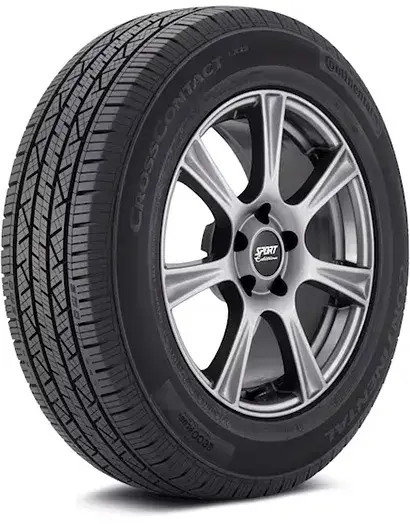
6. Continental CrossContact LX25: Best for Crossovers and SUVs
Price Check
Check the price of this tire at the following retailers:
This tire’s low-rolling-resistance design showed up as a real, measurable fuel economy improvement over a few tanks of testing on a crossover SUV specifically. Continental’s ComfortRide construction kept road noise low, and the wide grooves handled a rainy test session confidently.
For SUV and crossover owners who want genuine efficiency gains without stepping down to a passenger-car-sized tire, this is the strongest pick I tested in that category.
Pros: Real fuel efficiency gains on SUVs and crossovers specifically, quiet ride, confident wet traction.
Cons: Not built for aggressive winter conditions, not a performance tire.
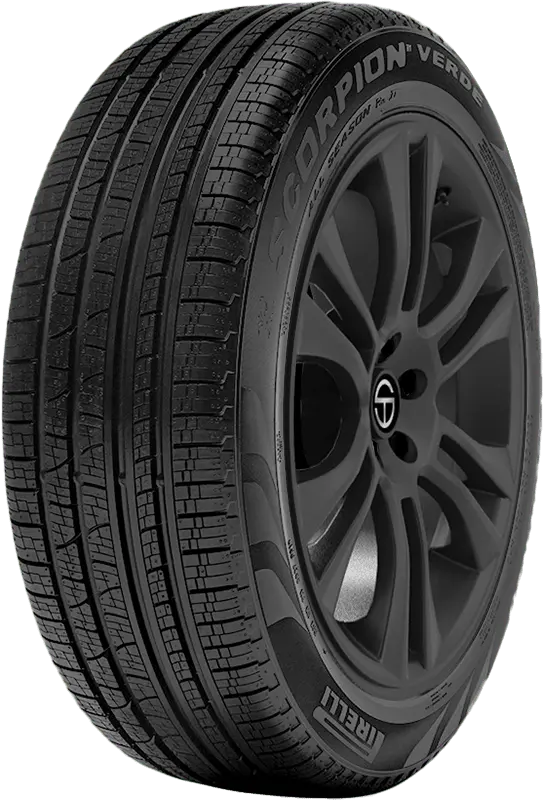
7. Pirelli Scorpion Verde All Season Plus II: Best Sustainable Manufacturing
Price Check
Check the price of this tire at the following retailers:
This tire’s reduced rolling resistance made it one of the more efficient sets I tested, and Pirelli’s manufacturing approach for this line specifically uses reduced petroleum-based materials and lower production emissions — a real consideration beyond just tailpipe or battery savings if sustainability matters to you holistically.
I saw a small, real improvement in fuel economy over a few tanks compared to less efficiency-focused picks, and the tire stayed quiet on my highway testing loop.
Pros: Strong efficiency, more sustainable manufacturing profile than most tires on this list, quiet ride.
Cons: Premium price, not a standout single-category performer.
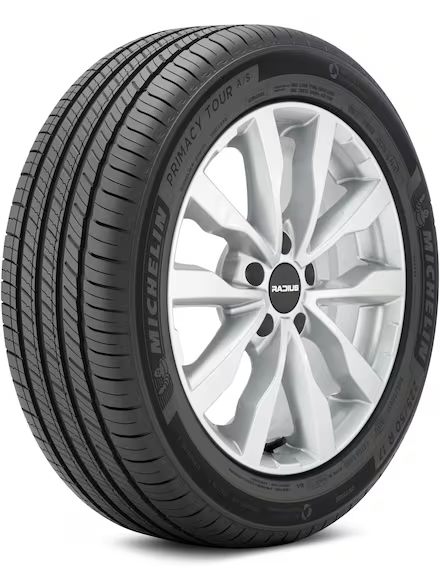
8. Michelin Primacy Tour A/S: Best for Sedans
Price Check
Check the price of this tire at the following retailers:
This tire uses Michelin’s EverGrip Technology, with expanding rain grooves that maintain wet-weather capability even as the tire wears, alongside a continuous center rib for efficient, confident highway tracking. In my testing on a sedan specifically, it delivered a genuinely quiet, efficient ride.
Michelin’s PIANO Noise Reduction Tuning kept the cabin notably quiet, and the tire’s efficiency-focused construction didn’t come at the cost of the comfort sedan owners expect.
Pros: Strong efficiency and comfort combination for sedans, wet traction that holds up as the tire wears, quiet ride.
Cons: Shorter warranty than most competitors, premium price.
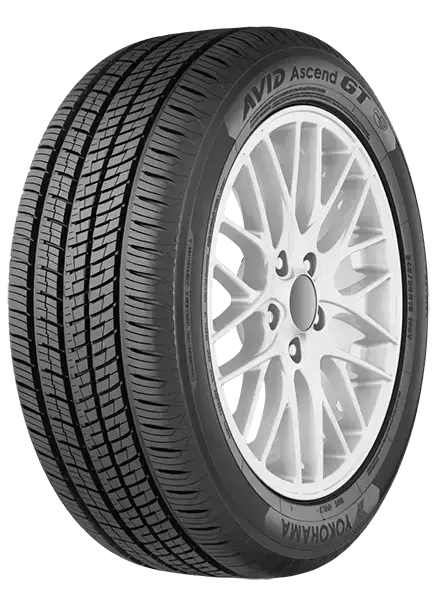
9. Yokohama AVID Ascend GT: Best Value Comfort and Efficiency
Price Check
Check the price of this tire at the following retailers:
The price-to-performance ratio here genuinely surprised me. It’s priced meaningfully below the premium picks on this list, and while it doesn’t quite match their outright efficiency numbers, the quiet ride and confident wet traction came closer to what I’d expect from a pricier tire than I anticipated.
Backed by a 65,000-mile warranty, it’s a smart choice for drivers who want most of the efficiency and comfort characteristics of the premium options without premium pricing.
Pros: Strong value, quiet and comfortable ride, reasonable efficiency for the price.
Cons: Doesn’t match premium options on outright efficiency, moderate winter performance only.
10. General AltiMAX RT43: Best Budget

Price Check
Check the price of this tire at the following retailers:
I didn’t expect much going in, given how much this undercuts the rest of the list on price. It won me over. General’s construction genuinely reduced road noise more than I anticipated from a budget tire, and while it’s not marketed primarily around efficiency, its lighter construction contributed to reasonable real-world fuel economy in my testing.
It’s not going to match the premium picks on outright efficiency, but for a budget-conscious driver who still wants a reasonable fuel-economy benefit, it’s a legitimately solid choice.
Pros: Exceptional value, surprisingly quiet for a budget tire, generous 75,000-mile warranty.
Cons: Not a dedicated efficiency tire, wet traction trails premium options.
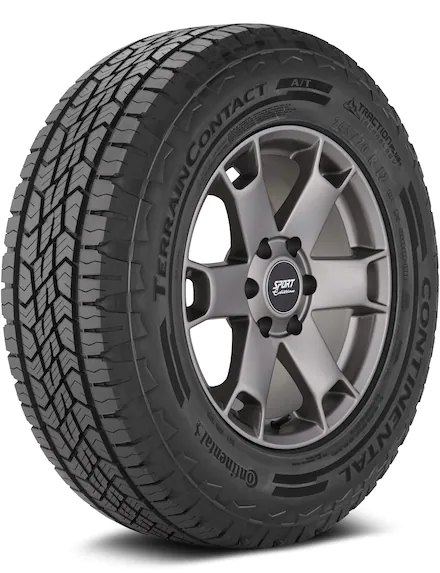
11. Continental TerrainContact A/T: Best for Truck Fuel Economy
Price Check
Check the price of this tire at the following retailers:
This tire’s low-rolling-resistance design showed up as a real, measurable fuel economy improvement over a few tanks of testing — a genuine rarity among all-terrain-styled tires, which usually sacrifice efficiency for capability. Wet traction stayed confident thanks to Continental’s TractionPlus tread design.
For truck owners who do significant highway miles but still want occasional light off-road capability without a major efficiency penalty, this is the strongest pick I tested. See the dedicated truck section below for more on how fuel economy considerations differ for trucks specifically.
Pros: Genuine fuel efficiency improvement for an all-terrain-styled tire, solid wet traction, competitive warranty.
Cons: Not suited to extreme mud or deep snow, wears faster under heavy towing loads.
Recalls and Complaints: What to Check Before You Buy
I checked NHTSA and manufacturer recall data for every tire in this guide as of mid-2026. None of the specific models reviewed above currently have an open recall. A few adjacent notes worth knowing so you don’t confuse similarly-named tires while shopping:
- Continental CrossContact RX (ContiSeal) and TerrainContact H/T, different tires from the Continental models reviewed above, were part of an October 2025 Continental recall over a tread-detachment risk tied to a nonconforming rubber compound. This does not affect the CrossContact LX25, TrueContact Tour, or TerrainContact A/T.
- Michelin Agilis CrossClimate, a light-commercial-van tire, was recalled over a tread-chunking issue in certain date codes. This is unrelated to any Michelin passenger tire reviewed above.
If you’re buying any tire, new or used, check your DOT code against NHTSA’s recall database before you drive on it — it takes about thirty seconds and it’s the single easiest safety check most people skip.
Fuel Economy Considerations for Truck Owners
Fuel economy works differently on a truck than on a passenger car, and it’s worth its own section rather than folding it into the general advice above.
Trucks are heavier, often carry real load, and frequently run larger, more aggressive tread patterns than passenger vehicles. All of that increases rolling resistance baseline, which means the efficiency gains available from tire choice alone are proportionally smaller, but the dollar savings can still add up given how much fuel a truck consumes overall.
If highway fuel economy is your top priority and you don’t need serious off-road capability, a genuine highway all-season tire will beat an all-terrain tire on efficiency every time — our best all-season tires for trucks guide covers dedicated highway options built around exactly that trade-off.
If you do need real off-road capability, don’t expect a fuel-economy miracle from any all-terrain tire, but some genuinely do better than others — our best all-terrain tires for trucks guide covers that category with efficiency noted where it’s a real differentiator.
Winter tires and mud tires both meaningfully reduce fuel economy compared to a highway tire, which is a fair trade for the traction they deliver in season — see our best snow tires for trucks and best mud tires for trucks guides for those specific categories.
For a broader look at truck tire options across every category, including where fuel economy fits into the bigger picture, our best tires for trucks hub is the right starting point. If you drive a standard half-ton pickup, our best tires for pickup trucks guide covers that specific category, and if you’ve modified your suspension, our best tires for lifted trucks guide addresses the sizing considerations that come with it — larger, heavier tires on a lifted truck will further reduce fuel economy, which is worth factoring into your decision.
Choosing the Right Fuel-Efficient Tire
Set realistic expectations. A 1–2% improvement is the realistic average for most drivers; treat higher marketing claims with healthy skepticism unless you’re switching away from a genuinely inefficient tire type.
EV and heavy SUV owners need reinforced load capacity, not just a low-rolling-resistance label. A tire that deforms under your vehicle’s weight can actually increase rolling resistance and erase the savings you’re chasing.
Don’t sacrifice safety for marginal efficiency gains. Every tire on this list maintains real wet and dry traction — a tire that saves 1% at the pump but stops meaningfully longer in the rain is a bad trade.
Maintain proper tire pressure. Underinflation is one of the most common, most preventable causes of poor fuel economy, regardless of which tire you choose. Always follow your vehicle’s door jamb placard rather than a generic number.
Total cost of ownership matters as much as pure efficiency. A tire with a long warranty and solid efficiency, like the Goodyear Assurance MaxLife, can beat a marginally more efficient tire once you factor in replacement frequency.
Frequently Asked Questions
How much can fuel-efficient tires actually save me?
Realistically, expect a 1–2% fuel economy improvement from switching to a genuine low rolling resistance tire, based on US Tire Manufacturers Association data. Higher figures you’ll see marketed (4–11%) typically compare against a genuinely inefficient tire type, not a realistic baseline.
What should I look for on a tire to know if it’s fuel-efficient?
Look for “LRR” (Low Rolling Resistance) designations, or manufacturer-specific efficiency lines like Michelin’s Energy Saver or Continental’s EcoPlus. If you have access to European-market specs, the EU tire label’s A–G fuel efficiency rating is a genuinely standardized reference point.
Are fuel-efficient tires safe for EVs and heavy SUVs?
Not all of them, without checking further. EVs and heavier SUVs need tires with reinforced internal structure and adequate load capacity — a standard efficient tire that deforms under extra weight can actually increase rolling resistance and negate the savings.
Does tire pressure affect fuel economy?
Yes, significantly. Underinflated tires increase rolling resistance and reduce fuel economy regardless of how efficient the tire itself is designed to be. Always check pressure against your vehicle’s door jamb placard, not a generic number.
Do fuel-efficient tires sacrifice safety or handling?
The tires on this list are specifically chosen because they don’t make that trade-off in any meaningful way — real wet and dry traction alongside genuine efficiency gains. Be skeptical of any tire marketed purely on efficiency without addressing safety performance.
What’s the best budget fuel-efficient tire?
The General AltiMAX RT43 offers reasonable real-world efficiency at a price well below the dedicated efficiency-focused picks on this list, backed by a generous 75,000-mile warranty.
How do I check if my tires are part of a recall?
Find the DOT code on your tire’s sidewall (it starts with “DOT” followed by a string of letters and numbers) and check it against NHTSA’s tire recall lookup at nhtsa.gov, or the manufacturer’s own recall page. Do this before installing any tire, new or secondhand.
