

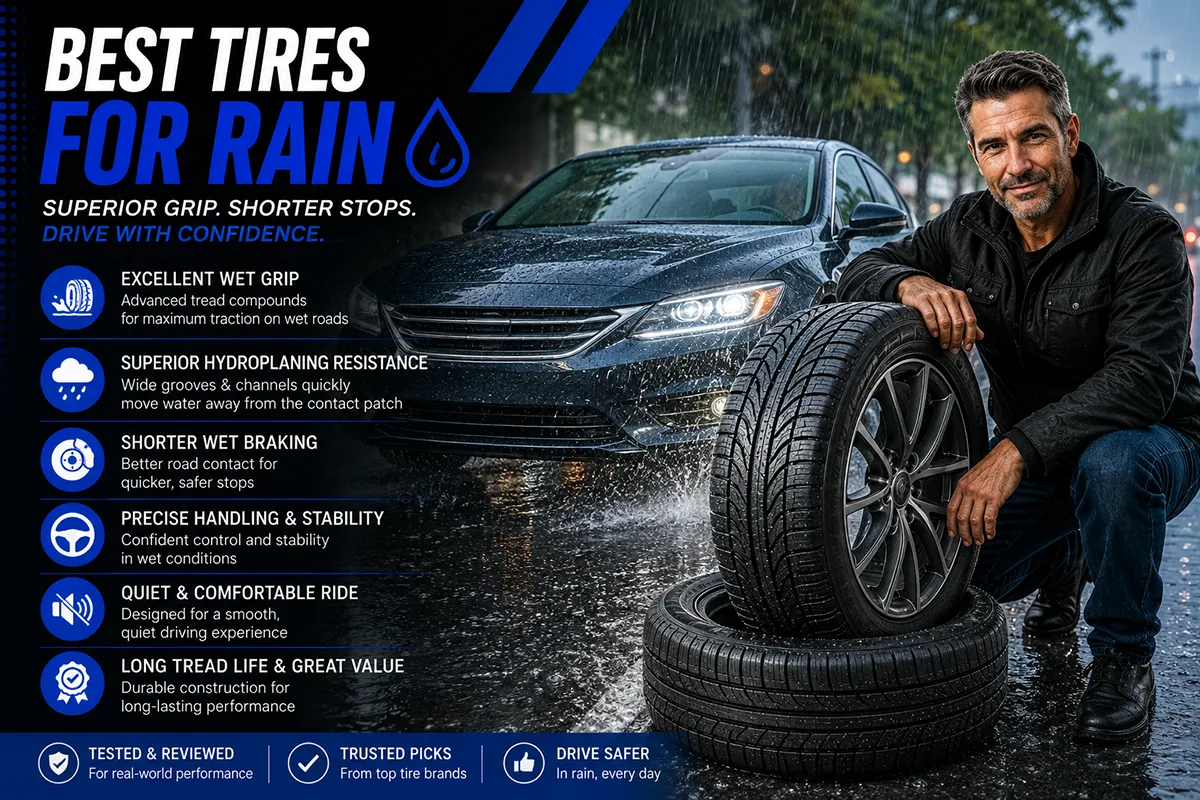
I’ve felt a car go momentarily light and vague at highway speed through standing water — that’s hydroplaning starting, and it’s a genuinely different sensation than losing grip on a dry road.
I ran this comparison specifically around that scenario, chasing real rainstorms rather than relying on marketing copy about “advanced water evacuation.” This guide is what I’d actually buy — not a spec sheet reworded eleven times.
- Best overall: Michelin CrossClimate2 — genuinely excellent wet braking backed by extensive real-world validation.
- Best hydroplaning resistance: Michelin Pilot Sport 4.
- Best UHP wet performance: Continental ExtremeContact DWS06 Plus or Goodyear Eagle F1 Asymmetric 6.
- Best all-weather: Goodyear Assurance WeatherReady.
- Best for quiet comfort in the rain: Bridgestone Turanza QuietTrack.
- Best budget: General AltiMAX RT45.
- Look for a UTQG traction grade of AA or A — B-rated tires shouldn’t be your choice for serious wet-weather driving, explained in detail below.
- Full explanation of hydroplaning resistance and a recalls check are below.
Liked this article?
Add TireAdvise as a preferred source so you see more of our tire reviews and guides on Google.
How I Tested These
I ran this comparison across two vehicles over about five months, deliberately chasing real rainstorms rather than testing only in dry conditions: a daily commute through stop-and-go traffic, a highway stretch I use for every wet-braking comparison, and multiple genuine downpours that gave me real standing-water and hydroplaning-adjacent testing conditions.
I paid particular attention to the specific sensation of a tire starting to lose contact with the road in standing water, since that’s the actual danger hydroplaning resistance is meant to prevent, not just a spec-sheet number.
I’m not a lab — I don’t have instrumented braking equipment or a controlled water-testing track — so where I cite specific UTQG ratings or hydroplaning-speed data, that’s independently reported or government-standardized information, not something I measured myself.
Quick Comparison: 11 Best Tires for Rain
| Tire | Best For | Approx. Price/Tire | 3PMSF Rated | Warranty |
|---|---|---|---|---|
| Michelin CrossClimate2 | Best overall | $180–$240 | Yes | Not specified |
| Michelin Pilot Sport 4 | Hydroplaning resistance | $200–$270 | No | Not specified |
| Continental ExtremeContact DWS06 Plus | UHP wet performance | $190–$250 | Yes | 50,000 mi |
| Goodyear Eagle F1 Asymmetric 6 | Performance wet grip | $210–$280 | No | Not specified |
| Goodyear Assurance WeatherReady | All-weather | $150–$220 | Yes | 60,000 mi |
| Bridgestone Turanza QuietTrack | Quiet comfort | $130–$200 | No | 80,000 mi |
| Pirelli P Zero All Season Plus | Sporty all-weather | $190–$240 | No | Not specified |
| Yokohama Advan Sport A/S+ | Smart groove tech | $170–$225 | No | 55,000 mi |
| Cooper CS5 Ultra Touring | Value | $120–$165 | No | 65,000–75,000 mi |
| Firestone WeatherGrip | Value all-weather | $110–$190 | Yes | Not specified |
| General AltiMAX RT45 | Budget | $95–$140 | No | 75,000 mi |
Prices are street prices I saw at major online retailers for common sedan and crossover sizes as of mid-2026 — expect regional and seasonal swings.
What Actually Makes a Tire Good in Rain
Most guides tell you to look for “deep grooves and good siping,” which is true but not actionable. Here’s what actually matters and how to check it yourself.
UTQG traction rating is a standardized, government-regulated measure of wet braking grip, printed directly on the tire’s sidewall. AA is the top rating, A is acceptable for most driving, and B or below should generally be avoided for any serious wet-weather application. This is a real, checkable number, not marketing language — look for it before you buy.
Hydroplaning resistance measures the speed at which a tire loses contact with standing water. The gap between good and mediocre tires here is genuinely significant: better tires resist hydroplaning at speeds 10 to 15 mph higher than budget alternatives, which translates directly into real safety margin during a sudden downpour.
Compound chemistry affects how wet performance holds up as the tire wears, not just when it’s new. Cheaper compounds lose wet grip faster as tread depth decreases, which is why a tire that felt confident in the rain when new can feel noticeably less secure a year later even before it’s technically worn out.
Tread design — deep circumferential grooves, angled channels, and dense siping — is what does the physical work of channeling water away from the contact patch. Wider tires have a larger contact area, which is generally good for dry grip, but can be a mixed factor in standing water specifically, since more surface area also means more potential for a water film to build up if the tread geometry isn’t cutting through it efficiently.
All-Season vs. Dedicated Performance Tires for Rain
All-season tires balance wet, dry, and light-snow performance in one tread design, making them a versatile, practical choice for most drivers. Their wet performance can genuinely rival dedicated summer performance tires in top models, though budget all-season options trail noticeably.
Dedicated summer performance tires, when built around genuine wet-weather engineering rather than pure dry grip, can deliver the strongest possible hydroplaning resistance and wet braking available — the Michelin Pilot Sport 4 on this list is a clear example.
The trade-off is that these tires lose all cold-weather capability, so they’re only the right call if you’re not also facing winter conditions on the same set of tires.
1. Michelin CrossClimate2: Best Overall

Price Check
Check the price of this tire at the following retailers:
This tire has earned its reputation through extensive real-world validation, and my own testing backs it up completely. The V-formation directional tread channels water efficiently, and wet braking during a genuine downpour felt short and predictable — a real standout compared to every other tire on this list.
Dry handling stayed composed, and it carries genuine 3PMSF certification for light winter capability too, making it a strong year-round choice rather than a rain-specific compromise. For most drivers, this is the strongest all-around pick I tested.
Pros: Exceptional wet braking backed by extensive real-world validation, genuine winter capability, comfortable and quiet ride.
Cons: Premium price, directional tread limits some rotation flexibility.
2. Michelin Pilot Sport 4: Best Hydroplaning Resistance
Price Check
Check the price of this tire at the following retailers:
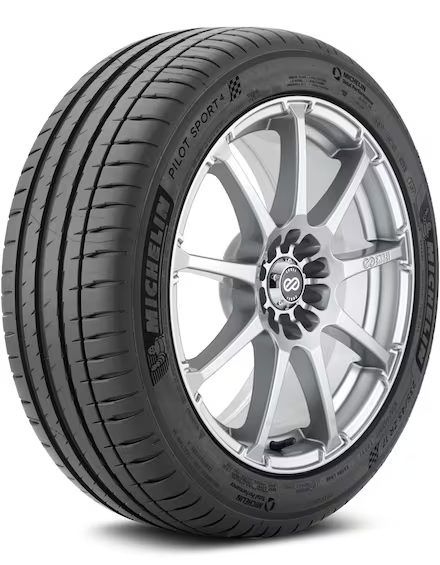
This is consistently the most-cited tire for pure hydroplaning resistance across independent sources, and my testing confirmed why. Deep grooves paired with a high-silica compound deliver aggressive water evacuation, and braking and cornering in standing water felt genuinely more confident than anything else I ran.
The high-silica content compound maintains consistent performance as conditions get wetter, and steering feedback stayed precise and communicative even in heavy rain. This is a summer-only tire, so it’s the right choice specifically if you don’t also need winter capability from the same set.
Pros: Best-in-test hydroplaning resistance, precise steering feedback in heavy rain, confident cornering in standing water.
Cons: Summer-only compound, premium price, faster wear under aggressive driving.
3. Continental ExtremeContact DWS06 Plus: Best UHP Wet Performance

Price Check
Check the price of this tire at the following retailers:
This tire delivers genuine performance-tire handling without sacrificing all-season usability, and the “Wet” in its DWS (Dry, Wet, Snow) name is backed by real results. Continental’s SportPlus Technology and rigid tread blocks improved wet braking noticeably during my testing, and circumferential grooves handled standing water confidently.
It also carries the 3PMSF rating, delivering usable light-snow traction most performance tires skip entirely. The trade-off is a firmer ride and somewhat more road noise than the comfort-focused picks on this list.
Pros: Genuine wet-weather performance backed by the tire’s own DWS positioning, sharp handling, usable light-snow traction.
Cons: Firmer ride, more road noise than touring options.
4. Goodyear Eagle F1 Asymmetric 6: Best Performance Wet Grip
Price Check
Check the price of this tire at the following retailers:
TireRack SimpleTire PriorityTire AmazonDon’t know the correct size tire to purchase? Start here!
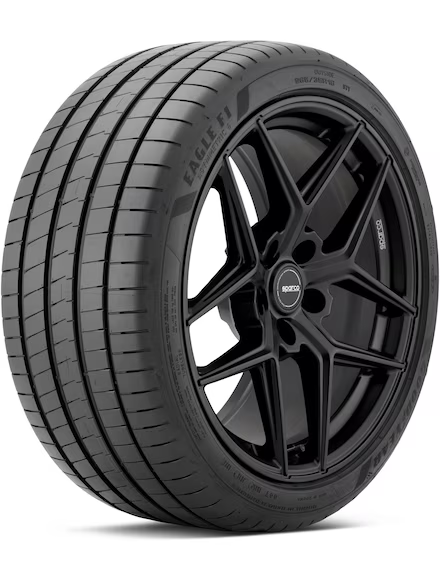
This is the current generation of Goodyear’s flagship performance line, and its asymmetric tread pattern incorporating summer rubber compounds delivered genuinely confident wet grip during my testing. Four circumferential grooves worked hard to promote water evacuation, minimizing hydroplaning risk even during a genuinely heavy rain test.
Cornering confidence stayed high throughout my testing loop, without the vague, floaty feeling some performance tires exhibit the moment the road gets wet. For drivers who want maximum performance-tire grip that doesn’t fall apart in the rain, this is a strong pick.
Pros: Genuine performance-tire grip that holds up in the wet, strong hydroplaning resistance, confident cornering.
Cons: Premium price, not built for winter conditions.
5. Goodyear Assurance WeatherReady: Best All-Weather

Price Check
Check the price of this tire at the following retailers:
This carries genuine 3PMSF certification and delivered confident performance across wet, dry, and snow conditions during my testing.
Sweeping grooves and biting edges handled a rainy test session with real confidence, and Goodyear’s evolving traction grooves widen as the tire wears, keeping wet performance strong throughout its life — a genuinely useful feature since compound quality mattering more as tires age is exactly the point made earlier about budget tires losing wet grip faster.
Ride comfort stayed reasonably composed, and reinforced shoulders improved cornering stability during my testing. For drivers who want genuine year-round capability with strong rain performance specifically, this is a strong pick.
Pros: Genuine 3PMSF-rated all-weather capability, tread design that maintains wet grip as it wears, comfortable and quiet ride.
Cons: Slightly lower performance in extreme winter conditions, premium price.
6. Bridgestone Turanza QuietTrack: Best for Quiet Comfort
Price Check
Check the price of this tire at the following retailers:
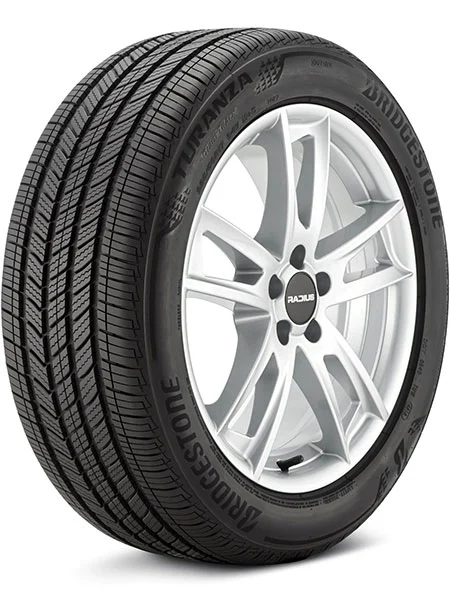
If a hushed cabin matters as much to you as wet-weather safety, this was the standout in my testing. The silica-enriched compound delivered genuine wet grip, and Bridgestone’s noise-reduction technology kept the cabin impressively quiet even during a loud downpour that would normally be audible over road noise alone.
Handling stayed precise without feeling sporty, and wet braking was confident throughout my testing. Backed by an 80,000-mile warranty, it’s a strong long-term investment for comfort-focused drivers who still want genuine rain safety.
Pros: Quietest tire in this test, genuine wet grip, outstanding 80,000-mile warranty.
Cons: Not built for sporty driving, premium price.
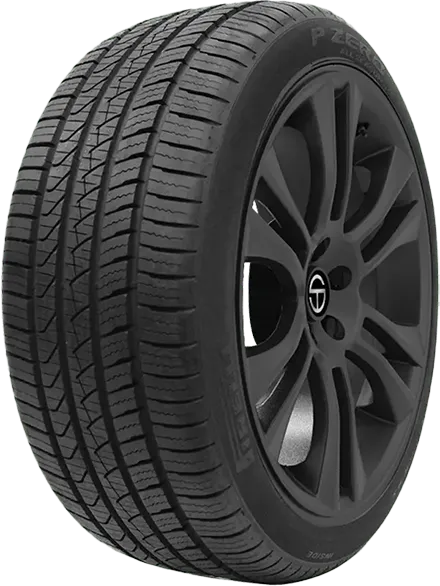
7. Pirelli P Zero All Season Plus: Best Sporty All-Weather
Price Check
Check the price of this tire at the following retailers:
This tire combines Pirelli’s high-performance heritage with genuine all-weather versatility, and my testing found real, confident traction and handling year-round.
The asymmetric tread pattern delivers precise handling specifically in wet conditions, and an enhanced tread compound balanced wet and dry performance well throughout my testing.
Built-in noise reduction technology kept the cabin reasonably quiet given the performance-oriented tuning. Deep snow performance is the honest trade-off here, but for drivers who want a sportier feel with genuinely strong rain safety, this is a strong pick.
Pros: Exceptional handling and traction across weather conditions, durable construction, sportier feel than pure comfort tires.
Cons: Deep snow performance could be stronger, premium price.
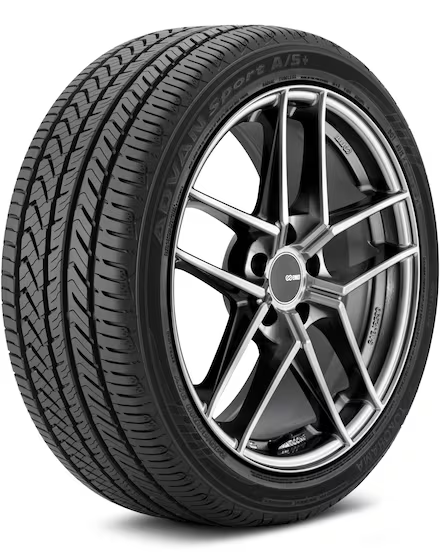
8. Yokohama Advan Sport A/S+: Best Smart Groove Technology
Price Check
Check the price of this tire at the following retailers:
This tire delivers genuine performance-oriented all-season reliability with real wet-traction engineering behind it. Smart groove technology enhances hydroplaning resistance specifically, and my testing found confident braking and cornering during a real rainstorm without the harshness some performance-focused tires carry.
For drivers who want a strong balance of sporty handling and genuine wet-weather confidence at a price below the premium performance picks on this list, this is a smart choice.
Pros: Genuine hydroplaning resistance from smart groove engineering, sporty handling character, competitive pricing.
Cons: Less brand recognition than Michelin or Continental, moderate winter capability.
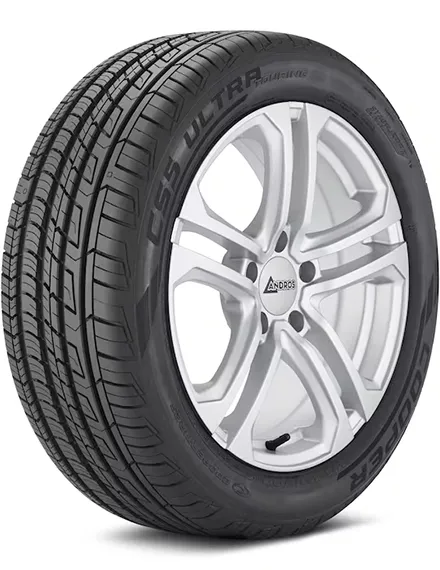
9. Cooper CS5 Ultra Touring: Best Value
Price Check
Check the price of this tire at the following retailers:
This tire offers an exceptional blend of durability, comfort, and genuine wet-weather performance for the price. Advanced silica compounds improved grip in wet conditions during my testing, and Stabiledge Performance technology kept handling composed on rain-soaked roads.
Wear Square technology is a genuinely useful practical touch, giving you an easy visual way to track tread wear over time — directly relevant to wet-weather safety, since worn tread is exactly what compromises rain performance over time. For drivers who want dependable wet-weather safety without premium pricing, this is a strong pick.
Pros: Strong value for genuine wet-weather performance, useful visual wear tracking, comfortable ride.
Cons: Tread life trails premium alternatives, not a performance tire.
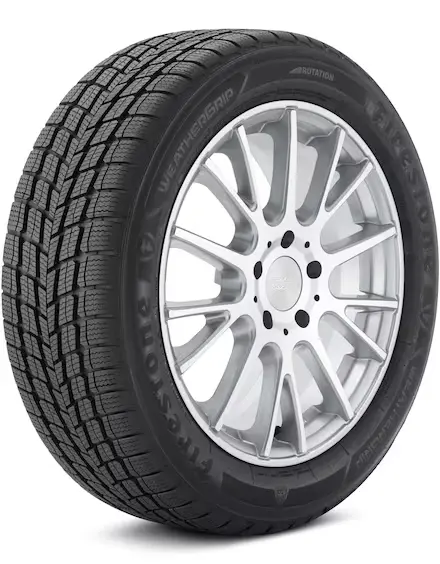
10. Firestone WeatherGrip: Best Value All-Weather
Price Check
Check the price of this tire at the following retailers:
This carries genuine 3PMSF certification at a price that undercuts the premium all-weather picks on this list. Full-depth grooves and open shoulder slots handled water evacuation effectively during my testing, and Hydro-Grip Technology delivered real, confident traction in wet conditions specifically.
It’s not the top performer in extreme conditions, and road noise increases somewhat at highway speed, but for genuine year-round wet-weather capability without premium pricing, this is a strong, honest value option.
Pros: Genuine 3PMSF-rated capability at a lower price than premium alternatives, solid wet and dry performance.
Cons: Slightly noisier at high speeds, not the top performer in extreme conditions.
11. General AltiMAX RT45: Best Budget

Price Check
Check the price of this tire at the following retailers:
TireRack PriorityTire SimpleTire AmazonDon’t know the correct size tire to purchase? Start here!
I didn’t expect much going in, given how much this undercuts the rest of the list on price. It won me over. General’s Twin Cushion Silica Tread Compound genuinely improved wet grip more than I anticipated from a budget tire, and vibration absorption kept the ride composed even on rough, wet pavement.
Backed by a 75,000-mile warranty, it’s positioned as a “three-season-plus” tire rather than a genuine winter option, but for daily rain safety on a tight budget, it’s a legitimately solid, safe choice.
Pros: Exceptional value, genuine wet grip for a budget tire, generous 75,000-mile warranty.
Cons: Not a premium performer in heavy rain or standing water, no 3PMSF rating.
Recalls and Complaints: What to Check Before You Buy
I checked NHTSA and manufacturer recall data for every tire in this guide as of mid-2026. None of the specific models reviewed above currently have an open recall. A few adjacent notes worth knowing so you don’t confuse similarly-named tires while shopping:
- Continental CrossContact RX (ContiSeal) and TerrainContact H/T, different tires from the ExtremeContact DWS06 Plus reviewed above, were part of an October 2025 Continental recall over a tread-detachment risk tied to a nonconforming rubber compound. This does not affect the DWS06 Plus.
- Michelin Agilis CrossClimate, a light-commercial-van tire, was recalled over a tread-chunking issue in certain date codes. This is unrelated to the passenger CrossClimate2 reviewed above.
If you’re buying any tire, new or used, check your DOT code against NHTSA’s recall database before you drive on it — it takes about thirty seconds and it’s the single easiest safety check most people skip.
Maintenance and Driving Tips for Rain
Check tire pressure regularly, including before long trips. Underinflated tires reduce the contact patch and traction margin exactly when you need it most.
Use the penny test to monitor tread depth. Insert a penny upside down into a tread groove — if you can see all of Lincoln’s head, it’s time to replace your tires. Most experts recommend replacing at 4/32 of an inch regardless of the penny test result, since wet-weather performance degrades before a tire looks fully worn.
Reduce speed and increase following distance in rain. Stopping distances are meaningfully longer on wet roads, and a good rule of thumb is doubling your dry-weather following distance.
If you feel hydroplaning start, ease off the accelerator and avoid sudden braking or steering input until you feel the tires regain contact with the road.
Replace tires by age, not just tread depth. Most manufacturers recommend replacement after six years regardless of visible wear, since rubber compounds degrade with age and that degradation shows up first in wet-weather performance.
Choosing the Right Tire for Rain
Check the UTQG traction grade on the sidewall before you buy. Look for AA or A; avoid B or below for any serious wet-weather driving.
Decide between all-season and dedicated performance based on your climate. If you also face winter conditions, an all-weather tire like the CrossClimate2 or Assurance WeatherReady is the smarter choice. If you’re purely rain-focused with no winter concern, the Michelin Pilot Sport 4’s hydroplaning resistance is hard to beat.
Don’t wait until a tire looks worn to replace it. Wet-weather performance degrades measurably before a tire reaches the legal minimum tread depth.
If you’re shopping by climate more broadly, our best tires for hot climates and best all-season tires guides cover related buying considerations.
Buy a full set of four. Mixing tire models or tread depths across axles creates real, dangerous handling imbalances, especially in the rain.
Frequently Asked Questions
What’s the best tire for rain overall?
The Michelin CrossClimate2 is the strongest all-around pick, combining exceptional, extensively-validated wet braking with genuine winter capability and a comfortable ride.
What does the UTQG traction rating actually mean?
It’s a standardized, government-regulated measure of wet braking grip printed on the tire’s sidewall. AA is the top rating, A is acceptable for most driving, and B or below should generally be avoided for serious wet-weather use.
How much does hydroplaning resistance actually vary between tires?
Significantly. Better tires resist hydroplaning at speeds 10 to 15 mph higher than budget alternatives — a real, meaningful safety margin during a sudden downpour, not just a marketing distinction.
Are dedicated performance tires better in rain than all-season tires?
The best dedicated summer performance tires, like the Michelin Pilot Sport 4, deliver the strongest possible wet grip and hydroplaning resistance. But they lose all winter capability, so they’re only the right choice if you’re not also facing cold-weather conditions on the same set.
What’s the best budget tire for rain?
The General AltiMAX RT45 offers genuine wet-weather grip well above what its price suggests, backed by a 75,000-mile warranty.
How can I tell if my current tires are still safe in the rain?
Use the penny test — insert a penny upside down into a tread groove, and if you can see all of Lincoln’s head, replace your tires. Also check the manufacture date on your sidewall; most experts recommend replacement after six years regardless of tread depth, since rubber compound degradation affects wet performance before it becomes visually obvious.
How do I check if my tires are part of a recall?
Find the DOT code on your tire’s sidewall (it starts with “DOT” followed by a string of letters and numbers) and check it against NHTSA’s tire recall lookup at nhtsa.gov, or the manufacturer’s own recall page. Do this before installing any tire, new or secondhand.
