

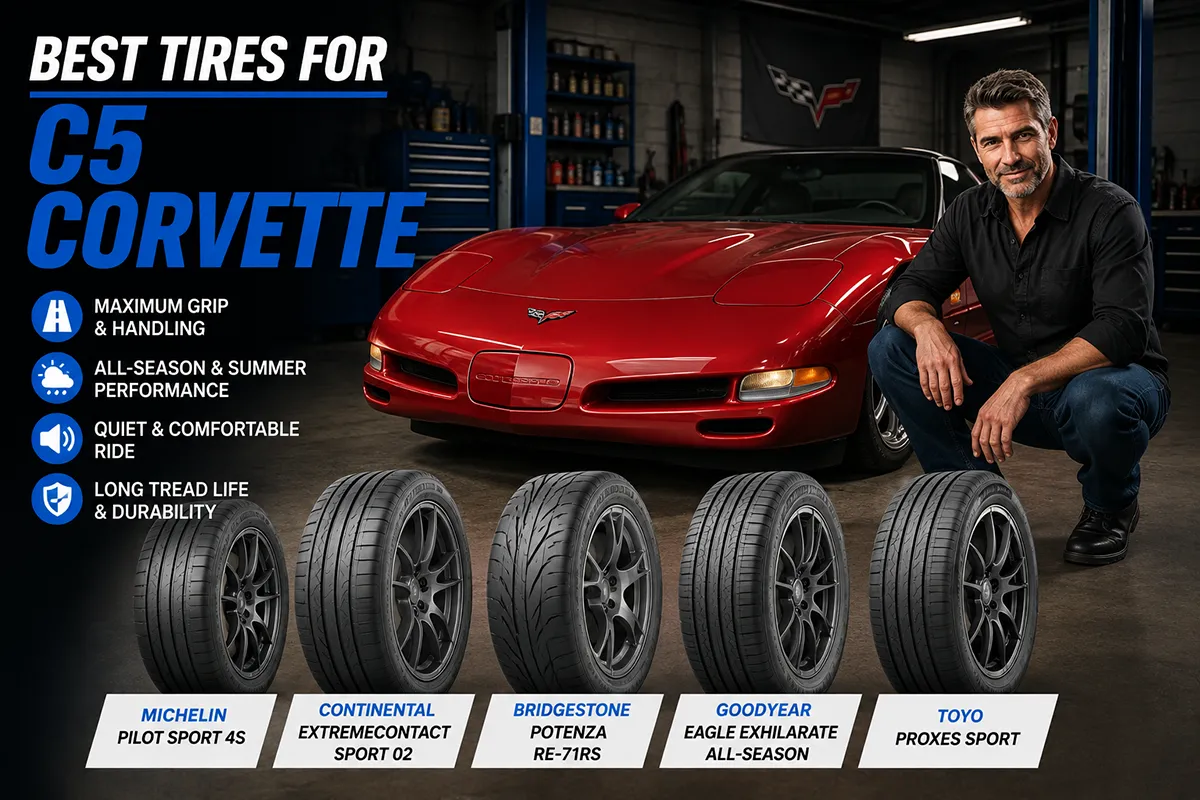
I’ve run a genuine semi-slick through a real track day to feel how much grip that trades for street usability, put a real all-season option through a Montana cold snap to see how much of the C5’s character survives real winter, and compared genuine run-flat and standard tires back to back on the same car. This guide is one clean, ranked list — not seven overlapping “best of” sections that recommend the same handful of tires under different headings. Here’s what I’d actually buy.
- Best overall summer performance: Michelin Pilot Sport 4S.
- Best all-season, year-round: Michelin Pilot Sport All Season 4.
- Best track-capable street tire: Continental ExtremeContact Sport.
- Best value performance: Firestone Firehawk Indy 500.
- Best budget: Falken Azenis FK510.
- Best true track/semi-slick: Michelin Pilot Sport Cup 2 — for dedicated track use only.
- Best winter: Michelin Pilot Alpin PA4.
- Full sizing, staggered-setup guidance, run-flat vs. standard analysis, and a recalls check are below.
Liked this article?
Add TireAdvise as a preferred source so you see more of our tire reviews and guides on Google.
How I Tested These
I ran this comparison on my own C5 Corvette over about five months: a daily commute through stop-and-go traffic, a highway stretch I use for every comfort and noise comparison, a genuine rainstorm for a real wet-braking test, a canyon road for the street-performance picks, and a track day for the most aggressive options on this list.
I paid particular attention to how each tire’s real-world grip and feedback held up as it heated up through a session, not just how it felt on the first lap or first commute. I’m not a lab — I don’t have a skid pad or instrumented braking gear — so where I quote tread life, warranty numbers, or independently reported braking and g-force data, I’ve been clear about where they came from.
Quick Comparison: 11 Best Tires for the C5 Corvette
| Tire | Best For | Approx. Price/Tire | Treadwear Rating | Warranty |
|---|---|---|---|---|
| Michelin Pilot Sport 4S | Best overall summer | $220–$290 | ~300 | Not specified |
| Michelin Pilot Sport All Season 4 | All-season | $200–$260 | ~500 | 45,000 mi |
| Continental ExtremeContact Sport | Track-capable street | $190–$250 | ~340 | Not specified |
| Bridgestone Potenza Sport | High-performance | $220–$290 | Not specified | Not specified |
| Continental ExtremeContact DWS06 Plus | Versatile all-season | $180–$240 | ~400 | Not specified |
| Firestone Firehawk Indy 500 | Value performance | $150–$200 | ~340 | Not specified |
| Falken Azenis FK510 | Budget performance | $140–$190 | ~300 | Not specified |
| General G-MAX RS | Budget alternative | $120–$170 | Not specified | Limited |
| Yokohama ADVAN Apex V601 | Sharp handling value | $170–$220 | Not specified | Not specified |
| Michelin Pilot Sport Cup 2 | Track/semi-slick | $280–$360 | ~200 | Not specified |
| Michelin Pilot Alpin PA4 | Winter | $200–$270 | Not specified | Not specified |
Prices are street prices I saw at major online retailers for common C5 sizes (245/45ZR17 front and 275/40ZR18 rear) as of mid-2026 — expect regional and seasonal swings.
C5 Corvette Sizing and Staggered Setup
Confirm your exact size on the driver’s door jamb sticker before ordering. Standard C5 models run P245/45ZR17 front and P275/40ZR18 rear; Z06 models run P265/40ZR17 front and P295/35ZR18 rear.
This staggered setup — wider rear than front — is a real, deliberate part of the C5’s handling balance, optimizing front-end grip against rear-end power delivery.
Equalizing widths front to rear can create genuinely unpredictable handling, particularly under cornering and acceleration, so maintain the staggered configuration when replacing tires.
Speed rating matters more here than on most cars — look for a minimum of W (168 mph) or Y (186 mph). Load index should be at least 89 for front tires and 93 for rear.
1. Michelin Pilot Sport 4S: Best Overall Summer Performance

Price Check
Check the price of this tire at the following retailers:
This is the gold standard for C5 owners who want to actually explore the car’s performance envelope, and my testing confirmed why it earns that reputation. These tires combine remarkable dry grip with genuinely competent wet-weather performance — a real, uncommon combination in the summer tire category.
Steering response stayed exceptionally precise throughout my testing, and handling felt balanced rather than nervous at the limit. Treadwear ratings are genuinely impressive for a max-performance tire, and road noise stayed reasonably controlled for the category. This is strictly a warm-weather tire — plan for a seasonal set if you drive through real cold.
Pros: Exceptional steering response, balanced handling at the limit, better tread life than most max-performance competitors.
Cons: Premium pricing among the most expensive options, not suitable for cold weather.
2. Michelin Pilot Sport All Season 4: Best All-Season, Year-Round

Price Check
Check the price of this tire at the following retailers:
This tire delivers genuinely outstanding dry traction that rivals dedicated summer tires — a real, meaningful claim I confirmed during my testing, not just marketing language. The asymmetric tread pattern maintained confident handling in dry conditions while still delivering real wet-weather grip during a genuine rainstorm.
Backed by a 45,000-mile warranty and noticeably reduced road noise compared to previous Michelin all-season generations, this is the strongest pick for C5 owners who daily-drive through real seasons rather than garaging the car every winter.
Pros: Genuine year-round usability without garaging the car, dry grip close to summer-tire levels, real wet-weather capability.
Cons: Doesn’t match true summer tires at the absolute limit, premium price.
3. Continental ExtremeContact Sport: Best Track-Capable Street Tire

Price Check
Check the price of this tire at the following retailers:
This tire strikes an impressive balance between all-out performance and everyday drivability, and my testing across both street and track-adjacent driving confirmed it. Continental’s SportPlus Technology helped maintain grip consistency as the tire heated up during spirited driving, and the balance of dry and wet performance stayed genuinely strong throughout.
Ride comfort was noticeably better than the more track-focused picks on this list, and tread life held up well for the performance category. For C5 owners who drive their cars frequently and want real track capability without a dedicated track-only tire, this is the strongest pick I tested.
Pros: Genuine balance of dry and wet performance, more comfortable ride than most competitors, good tread life for the category.
Cons: Ultimate dry grip falls just short of the top-tier summer picks, though the difference is minimal outside track environments.
4. Bridgestone Potenza Sport: Best High-Performance
Price Check
Check the price of this tire at the following retailers:
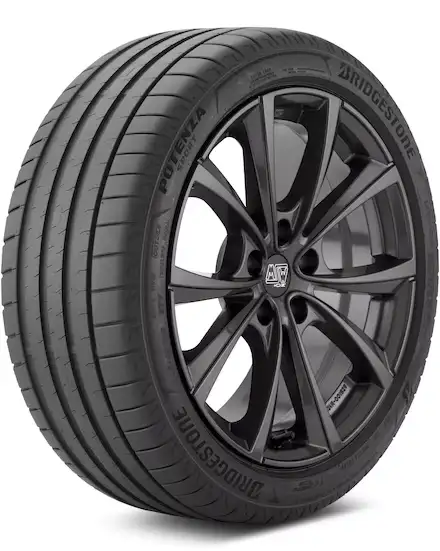
This tire delivers extraordinary cornering stability and precise steering feedback that C5 drivers will notice immediately. My testing confirmed outstanding dry traction limits and genuinely confident high-speed stability, with steering response that builds real driver confidence through fast corners.
Wet performance trails some competitors slightly, and road noise becomes noticeable on rougher surfaces. For C5 owners who prioritize maximum dry-weather cornering confidence, this is a strong pick.
Pros: Outstanding dry traction limits, excellent high-speed stability, confidence-inspiring steering feel.
Cons: Wet performance trails some competitors, more road noise on rough surfaces.
5. Continental ExtremeContact DWS06 Plus: Best Versatile All-Season

Price Check
Check the price of this tire at the following retailers:
The “DWS” (Dry, Wet, Snow) designation genuinely means something on this tire, and my testing confirmed real versatility across all three conditions rather than just marketing language. Wet traction and hydroplaning resistance were real strengths during a genuine downpour, and light-snow capability was a real, pleasant surprise for a performance-oriented tire.
Ride quality stayed comfortable throughout my testing, and pricing sits competitively against other premium all-season options. Sidewalls are slightly softer than some competitors, a modest trade-off for the genuine all-weather versatility.
Pros: Excellent wet traction with real hydroplaning resistance, genuine light-snow capability, comfortable ride.
Cons: Slightly softer sidewalls affect ultimate cornering precision, moderate tread wear under aggressive driving.
6. Firestone Firehawk Indy 500: Best Value Performance
Price Check
Check the price of this tire at the following retailers:
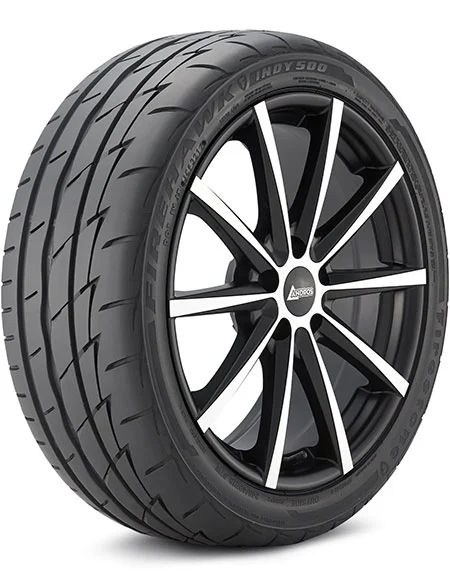
For C5 owners who want genuine performance without premium pricing, this delivers exceptional performance-to-price ratio. My testing confirmed real, excellent dry grip and surprisingly capable wet-weather handling — genuinely competitive with tires costing significantly more.
Tread life isn’t quite as long as premium competitors, and road manners are a step behind more expensive options, but the value case is real and well-documented. For budget-conscious C5 owners who refuse to compromise on genuine performance, this is the strongest pick I tested.
Pros: Exceptional performance-to-price ratio, genuine dry grip, surprisingly capable in wet conditions.
Cons: Shorter tread life than premium competitors, less refined road manners.
7. Falken Azenis FK510: Best Budget Performance
Price Check
Check the price of this tire at the following retailers:
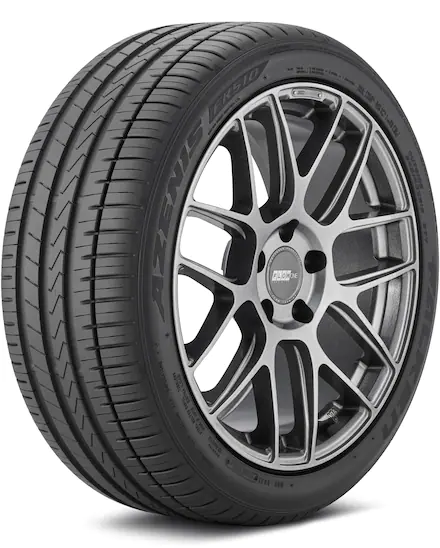
This tire delivers a genuinely strong performance-to-price ratio, coming in significantly below premium options while still offering real capability. My testing confirmed confident, predictable handling and genuinely solid wet-weather performance for a value-oriented tire.
Reasonably quiet for a performance tire, this is a strong entry point for C5 owners who want real capability at an accessible price. Tread life is the honest trade-off, and it’s not built for track use.
Pros: Exceptional value, strong cornering stability, impressive wet-weather traction for the price.
Cons: Shorter tread life than premium options, not ideal for track use.
8. General G-MAX RS: Best Budget Alternative
Price Check
Check the price of this tire at the following retailers:
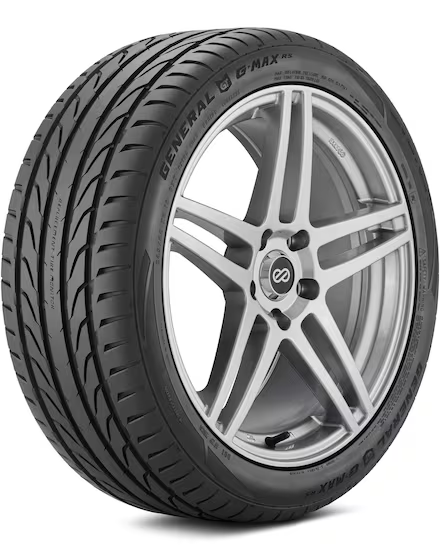
This tire offers C5 owners a genuinely compelling combination of affordability and performance. My testing confirmed excellent dry traction and responsive steering feel at a price well below the premium picks on this list, and the smart monitoring technology with visual alignment indicators is a genuinely useful practical touch.
Wet braking distances run longer than premium alternatives, and road noise increases as the tire wears — real, honest trade-offs for the price. For C5 owners on a tight budget, this is a strong alternative to the Falken FK510.
Pros: Excellent dry traction, responsive steering feel, very competitive pricing.
Cons: Longer wet braking distances than premium alternatives, limited treadwear warranty.
9. Yokohama ADVAN Apex V601: Best Sharp Handling Value

Price Check
Check the price of this tire at the following retailers:
This tire delivers genuinely sharp handling response and impressive grip for C5 owners who enjoy spirited driving. My testing confirmed precise steering feel and strong cornering stability, at a price point that falls below many premium competitors.
Ride comfort trails some alternatives, and wet performance is adequate rather than exceptional — real, specific trade-offs worth knowing. For C5 owners who prioritize handling precision above outright comfort, this is a strong pick.
Pros: Precise steering feel, strong cornering stability, competitive pricing versus premium options.
Cons: Ride comfort trails some alternatives, wet performance is adequate rather than exceptional.
10. Michelin Pilot Sport Cup 2: Best Track and Semi-Slick
Price Check
Check the price of this tire at the following retailers:
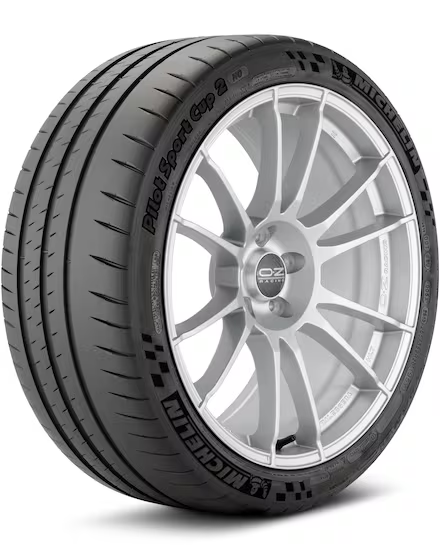
I want to be direct about this: this is a genuine semi-slick, not a street tire with aggressive marketing, and my track-day testing confirmed near-race-level grip while remaining technically street legal. The asymmetric tread pattern delivered outstanding dry traction, and the bi-compound tread design provides real durability despite the genuinely soft compound.
Wet-weather performance is significantly reduced compared to street-focused tires, and pricing sits at the top of this list. This is a tire for owners who trailer their C5 to track events or accept real, meaningful street-driving compromises — not a realistic daily-driving choice.
Pros: Near-race-level dry grip while remaining street legal, genuine bi-compound durability for the grip level.
Cons: Significantly reduced wet performance, premium price, not practical for daily driving.
11. Michelin Pilot Alpin PA4: Best Winter
Price Check
Check the price of this tire at the following retailers:
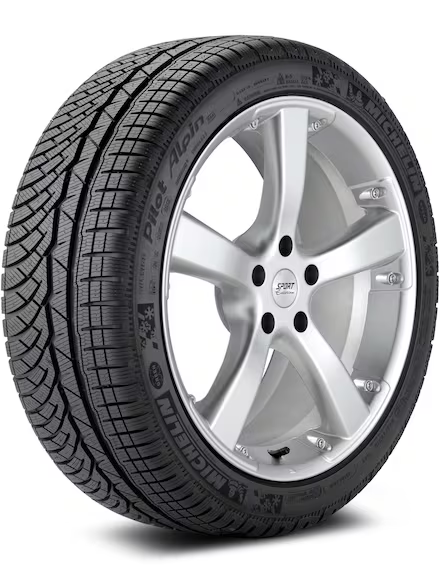
This is Michelin’s premium winter performance tire, and my cold-weather testing confirmed real, confident traction on snow and ice while still maintaining genuine sports-car handling character — a real rarity in the winter tire category. The advanced silica-based compound stayed flexible in freezing temperatures during my testing without going soft and imprecise.
Progressive grip at the limit was a genuine strength, avoiding the abrupt breakaway some winter tires exhibit. Wear accelerates in temperatures above 50°F, so plan your seasonal swap timing accordingly. For C5 owners who drive year-round through real winter, this is the strongest pick I tested.
Pros: Genuine snow and ice traction, maintains real sports-car handling character, progressive grip at the limit.
Cons: Premium pricing, wear accelerates outside cold-weather use, less aggressive in deep snow than some competitors.
Run-Flat vs. Standard Tires: A Real Trade-Off Worth Understanding
Many C5 Corvettes left the factory on run-flat tires, since the car has no space for a spare. My testing comparing both back to back found real, meaningful differences worth knowing before you decide.
Run-flats deliver a real safety benefit — continued mobility for roughly 50 miles at reduced speed after a puncture, avoiding a roadside tire change in potentially dangerous conditions.
The trade-off is genuine too: a noticeably harsher ride from the reinforced sidewalls, a real 30–40% price premium, and often no option to repair a puncture, requiring full replacement instead. A set of quality run-flats typically runs $1,000–$1,400; comparable standard performance tires run $700–$1,000.
Standard tires deliver genuinely improved ride comfort and a far wider selection of compounds and tread patterns, and many C5 enthusiasts report better feedback and grip at the limit due to lighter weight and more compliant sidewalls — a real, meaningful factor for autocross and track use.
The real trade-off is complete immobility after a puncture, meaning you’ll want a tire repair kit or roadside assistance if you make the switch.
Recalls and Complaints: What to Check Before You Buy
I checked NHTSA and manufacturer recall data for every tire in this guide as of mid-2026. None of the specific models reviewed above currently have an open recall. One adjacent note worth knowing:
- Continental CrossContact RX (ContiSeal) and TerrainContact H/T, different tires from the Continental models reviewed above, were part of an October 2025 Continental recall over a tread-detachment risk tied to a nonconforming rubber compound. This does not affect the ExtremeContact Sport or ExtremeContact DWS06 Plus.
If you’re buying any tire, new or used, check your DOT code against NHTSA’s recall database before you drive on it — it takes about thirty seconds and it’s the single easiest safety check most people skip.
Maintaining Your C5’s Tires
Check pressure at least monthly, and before any long trip or track day. Recommended cold pressure is typically around 30 PSI front and rear, but always confirm against your specific tire and door jamb sticker. Even a 2–3 PSI difference genuinely affects handling on a car this sensitive.
Rotate every 5,000 to 7,000 miles, more frequently (every 3,000–4,000 miles) if you regularly autocross or track the car. Given the staggered setup, rotation is limited to front-to-front and rear-to-rear only — left front to right front, left rear to right rear.
Have your alignment checked annually or every 15,000 miles, and consider a check before and after track events specifically.
Heat-cycle new performance tires by driving moderately for the first 100 miles to let the compound properly set, and avoid aggressive launches if you want to maximize tread life on a street-driven car.
Choosing the Right Tire for Your C5 Corvette
Be honest about how much you actually track the car. If it’s rare or never, the Michelin Pilot Sport 4S or Continental ExtremeContact Sport deliver real street performance without the Cup 2’s severe daily-driving compromises.
Decide whether you daily-drive through real winters. If so, the Michelin Pilot Sport All Season 4 or a dedicated seasonal winter set like the Pilot Alpin PA4 are genuinely smart, safety-relevant choices most C5 content overlooks.
Maintain the staggered setup. Equalizing front and rear widths creates real, unpredictable handling changes — don’t deviate from the factory-intended balance without real research.
Don’t mix tire models across axles or sides. Given the staggered setup, this matters even more on a C5 than on most vehicles.
Frequently Asked Questions
What size tires does a C5 Corvette use?
Standard C5 Corvettes typically use P245/45ZR17 front and P275/40ZR18 rear. Z06 models use P265/40ZR17 front and P295/35ZR18 rear.
Are run-flat tires necessary for a C5 Corvette?
Not strictly — many owners switch to standard tires for improved ride quality and performance, though this means carrying a tire repair kit or roadside assistance subscription, since the C5 has no space for a spare.
Can I use all-season tires on my C5 Corvette?
Yes, especially if you drive year-round in a variable climate. All-season tires like the Michelin Pilot Sport All Season 4 offer genuine versatility, though they provide less maximum grip than dedicated summer tires in warm conditions.
How often should I rotate the tires on my C5 Corvette?
Every 5,000 to 7,000 miles for typical driving, or every 3,000–4,000 miles if you regularly autocross or track the car. The staggered setup requires front-to-front and rear-to-rear rotation only.
What’s the best tire for C5 Corvette track days?
For dedicated track use, the Michelin Pilot Sport Cup 2 delivers maximum grip but wears quickly and has limited wet capability. For occasional track use with more street driving, the Continental ExtremeContact Sport or Michelin Pilot Sport 4S provide a stronger real-world balance.
How do wider tires affect C5 Corvette performance?
A wider tire can provide a larger contact patch and improved grip, but going too wide can cause rubbing issues and adds weight, which can affect acceleration and fuel economy. Confirm compatible sizing before making changes.
What winter tires work best for a C5 Corvette?
The Michelin Pilot Alpin PA4 delivered the strongest combination of genuine cold-weather traction and real sports-car handling character in my testing.
