Best Tires for Ford Explorer

11 Best Tires for Ford Explorer: All-Season, Off-Road, and Winter Options Compared

Are you tired of feeling uncertain about which tires will give your Ford Explorer the perfect balance of performance, comfort, and safety? With so many options on the market, choosing the right set can feel overwhelming. But don’t worry – we’ve done the research to help you make an informed decision that will have you cruising with confidence.

In this comprehensive guide, we’ll explore the 11 best tires for Ford Explorer owners, breaking down the pros and cons of each to match your specific driving needs and preferences. Whether you’re looking for all-season versatility, off-road capability, or winter weather performance, we’ve got you covered.

You’ll discover how factors like tread life, fuel efficiency, and ride comfort compare across top brands like Michelin, Continental, and Goodyear. Plus, we’ll share expert maintenance tips to help you maximize the lifespan and performance of whichever tires you choose. By the end, you’ll have all the knowledge you need to confidently select the perfect set of tires for your Explorer. Let’s dive in and get you rolling on the right rubber!

Factors to Consider When Choosing Tires for Ford Explorer

Selecting the right tires for your Ford Explorer involves more than just picking a popular brand. Several critical factors determine whether a tire will provide optimal performance for your specific needs.

Size Requirements: Ford Explorers typically require P245/60R18, P255/50R20, or similar sizes depending on the model year and trim level. Always check your vehicle’s door jamb sticker or owner’s manual for the exact specifications. Using the wrong size can affect speedometer accuracy, handling, and overall safety.

Load Capacity: As a midsize SUV that often carries passengers and cargo, your Explorer needs tires with adequate load capacity. Look for tires with a load index of 104-109, which can support approximately 2,000-2,400 pounds per tire. This ensures your tires can handle the vehicle’s weight plus passengers and cargo without compromising safety.

Speed Rating: Most Ford Explorers come with tires rated H (130 mph) or V (149 mph). While you likely won’t drive at these speeds, the rating indicates the tire’s ability to dissipate heat during sustained driving, which affects overall durability and performance.

Terrain Considerations: Consider where you primarily drive your Explorer. If you stick to highways and city streets, all-season touring tires provide the best comfort and longevity. For occasional off-road adventures, all-terrain tires offer better traction on gravel and dirt. True off-road enthusiasts might consider more aggressive all-terrain or mud-terrain options.

Weather Conditions: Your local climate plays a crucial role in tire selection. All-season tires work well in moderate climates with light winter conditions. If you experience severe winters with heavy snow and ice, dedicated winter tires are recommended. For hot climates with frequent rain, tires with excellent wet traction are essential.

Driving Habits: Are you a conservative driver who prioritizes comfort and fuel economy, or do you prefer responsive handling? Touring tires excel in comfort and longevity, while performance tires offer better cornering and braking at the expense of tread life.

Budget Constraints: Tire prices vary significantly, from budget options around $120 per tire to premium models exceeding $250 each. While premium tires often provide better performance and longevity, mid-range options frequently offer the best value. Remember that the true cost includes the tire’s lifespan – a more expensive tire that lasts 70,000 miles may be more economical than a cheaper option lasting 40,000 miles.

Finding the right balance among these factors ensures your Ford Explorer delivers the comfort, safety, and performance you expect while maximizing your tire investment. Take time to evaluate your specific needs before making a decision.

All-Season Tires vs. Specialized Tires for Ford Explorer

When shopping for tires for your Ford Explorer, one of the first decisions you’ll face is whether to go with all-season tires or specialized options designed for specific conditions. This choice significantly impacts your driving experience, safety, and budget.

All-season tires offer remarkable versatility for Ford Explorer owners who drive primarily on paved roads in moderate climates. These tires are engineered to provide acceptable performance across a range of conditions—from dry summer roads to light winter precipitation. The tread patterns and rubber compounds strike a balance, offering decent traction in light snow, rain resistance, and comfortable highway driving. For many Explorer owners, particularly those in temperate climates who rarely encounter extreme conditions, all-season tires represent the most practical, cost-effective solution.

However, all-season tires come with inherent compromises. They’re jacks of all trades but masters of none. In severe winter conditions with heavy snow or ice, their performance falls significantly short of dedicated winter tires. Similarly, they can’t match the off-road capability of proper all-terrain tires or the precise handling of performance tires.

Specialized tires, while more expensive as an additional set, deliver superior performance in their intended environments:

Winter tires feature specialized rubber compounds that remain flexible in freezing temperatures and aggressive tread patterns designed to bite into snow and ice. For Explorer owners in areas with regular snowfall or frequent temperatures below 45°F, winter tires provide dramatically improved stopping distances and handling that could prove life-saving.

All-terrain and off-road tires offer reinforced sidewalls, deeper treads, and puncture resistance that all-season tires simply can’t match. If your Explorer regularly ventures onto gravel roads, trails, or more challenging terrain, these specialized tires prevent costly damage and reduce the risk of getting stranded.

Performance tires provide enhanced cornering grip, responsive steering, and improved braking on dry and wet pavement—ideal for drivers who value sporty handling from their Explorer ST or other performance-oriented models.

From a cost perspective, purchasing a second set of specialized seasonal tires requires a higher initial investment but often results in longer overall tire life since each set wears only during its season of use. Many Explorer owners find that rotating between winter and all-season (or summer) tires extends the lifespan of both sets, potentially saving money long-term while enjoying optimal performance year-round.

The decision ultimately comes down to your driving conditions, preferences, and budget. If you regularly face extreme conditions—whether that’s heavy snow, off-road adventures, or performance driving—specialized tires deliver safety and capability benefits that justify their cost. If your driving stays mostly on-road in moderate weather, quality all-season tires provide the best balance of performance and value for your Ford Explorer.

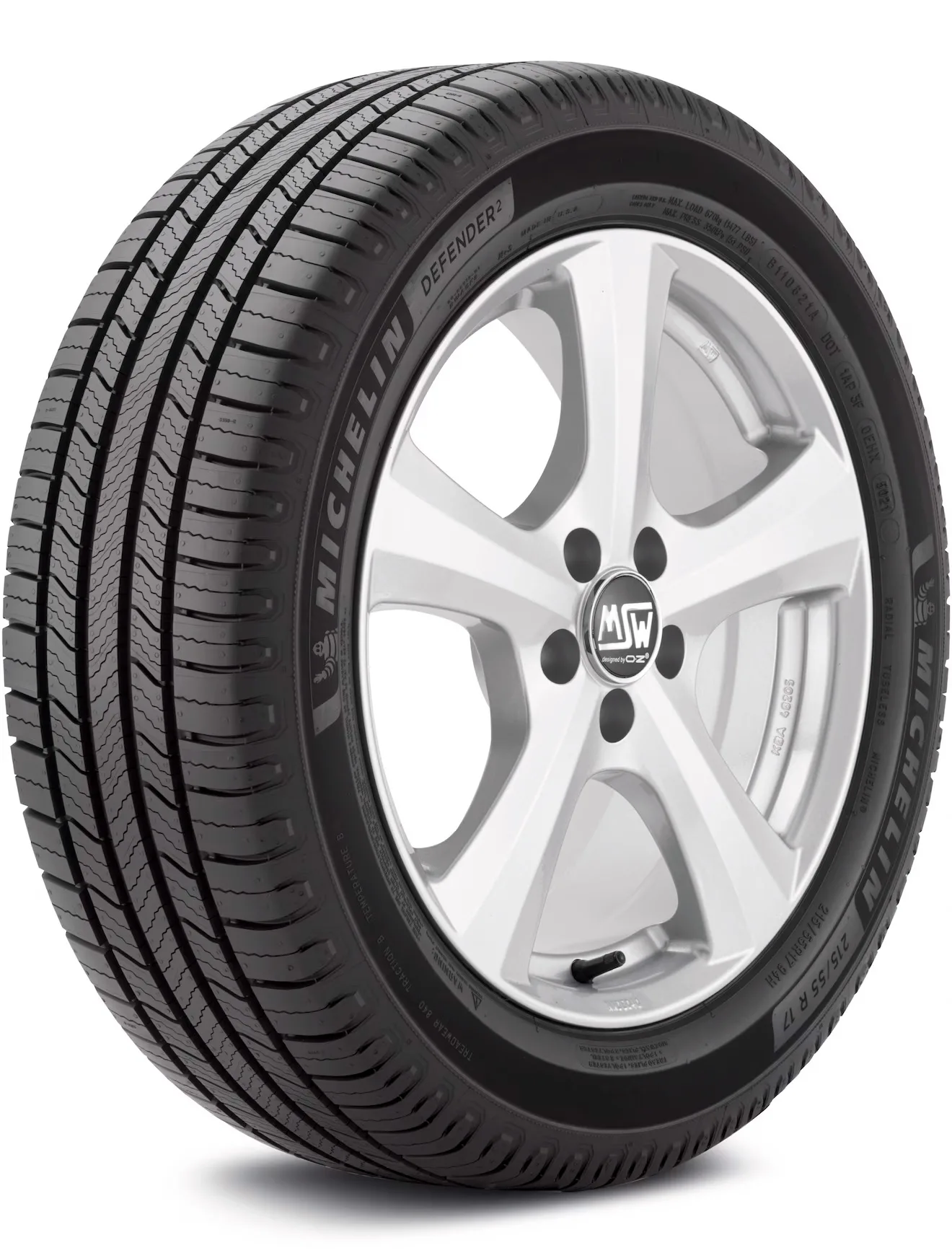
Michelin Defender LTX M/S: Premium All-Season Option

The Michelin Defender LTX M/S stands as a premium choice for Ford Explorer owners seeking exceptional all-season performance. This tire combines longevity, comfort, and reliability in a package that justifies its higher price point.

The Defender LTX M/S features Michelin’s EverTread compound, specifically engineered to withstand tough conditions while delivering 10% more longevity than its predecessors in severe conditions. The tire’s tread pattern incorporates MaxTouch Construction, which optimizes the contact patch for even wear across the tire’s surface. This results in an impressive 70,000-mile treadwear warranty—among the best in its class.

Performance metrics for this tire are consistently strong across multiple conditions. On dry pavement, the Defender LTX M/S provides responsive handling and short stopping distances. Wet performance is equally impressive, with the tire’s four wide circumferential grooves efficiently evacuating water to reduce hydroplaning risk. While not a dedicated winter tire, it performs admirably in light snow thanks to its zigzag sipes that create biting edges for additional traction.

Durability is where this tire truly excels. The robust internal structure includes twin steel belts reinforced with a polyester cord body, providing stability at highway speeds while maintaining ride comfort. The sidewalls are engineered to resist cuts and abrasions, making this tire particularly suitable for occasional light off-road use that Explorer owners might encounter.

The price point sits at the premium end of the all-season market, typically ranging from $190-$260 per tire depending on the specific size required for your Explorer. While this represents a significant investment, the extended tread life often results in better long-term value compared to less expensive alternatives that require more frequent replacement.

Handling characteristics are balanced and predictable, with a focus on stability rather than sporty responsiveness. This aligns perfectly with the Ford Explorer’s role as a family SUV, providing confident cornering without sacrificing ride comfort. Road noise is minimal—noticeably quieter than many competitors—contributing to the Explorer’s refined driving experience.

The comprehensive warranty package includes the aforementioned 70,000-mile treadwear coverage, plus Michelin’s standard 6-year materials and workmanship warranty. Additionally, many retailers offer a 60-day satisfaction guarantee, allowing drivers to return the tires if not completely satisfied with their performance.

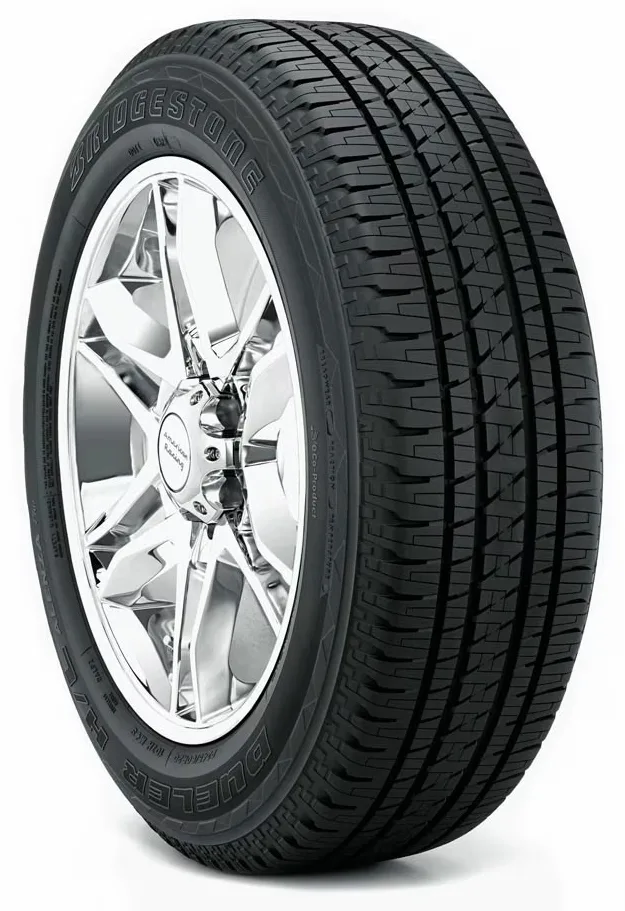
Bridgestone Dueler H/L Alenza Plus: Luxury Comfort Choice

The Bridgestone Dueler H/L Alenza Plus stands as a premier luxury tire option for Ford Explorer owners who prioritize a smooth, comfortable ride without compromising on performance. This tire excels particularly in ride comfort, making it ideal for long highway drives and daily commuting.

The secret to the Dueler’s exceptional comfort lies in its specialized tread compound and innovative design. Bridgestone engineers have developed a symmetric tread pattern that distributes road contact evenly, minimizing vibrations that reach the cabin. The tire’s sidewall construction incorporates flex zones that absorb road imperfections before they translate into cabin disturbance.

Noise reduction is another area where the Alenza Plus truly shines. The tire features Bridgestone’s proprietary Silent Groove technology, which uses precisely angled grooves to disrupt air flow patterns that typically cause road noise. Combined with the optimized pitch sequencing across the tread blocks, this creates a remarkably quiet ride even at highway speeds – a feature Explorer drivers with families will particularly appreciate.

Longevity is impressive with the Dueler H/L Alenza Plus, which comes with an 80,000-mile treadwear warranty – among the highest in its class. The tire achieves this through its specialized rubber compound that resists wear while maintaining grip. Many Explorer owners report getting 70,000+ miles with proper rotation and maintenance, making it a cost-effective choice despite its higher initial price point.

Fuel efficiency benefits from the tire’s low rolling resistance design. The Alenza Plus uses a silica-enhanced compound and optimized contact patch to reduce the energy needed to keep the tire rolling. Ford Explorer owners can expect a modest improvement in fuel economy compared to stock tires, which adds up over the tire’s extended lifespan.

Performance across various conditions is reliable if not spectacular. The tire handles admirably in dry conditions with responsive steering and good stability. Wet performance is above average thanks to the four wide circumferential grooves that efficiently evacuate water. Light snow traction is adequate for an all-season tire, though dedicated winter tires would be recommended for those regularly facing severe winter conditions.

The Dueler H/L Alenza Plus does come with a premium price tag, but Explorer owners seeking a quiet, comfortable ride with excellent longevity will find the investment worthwhile. This tire particularly suits those who use their Explorer primarily for family transportation and highway cruising rather than aggressive driving or off-road adventures.

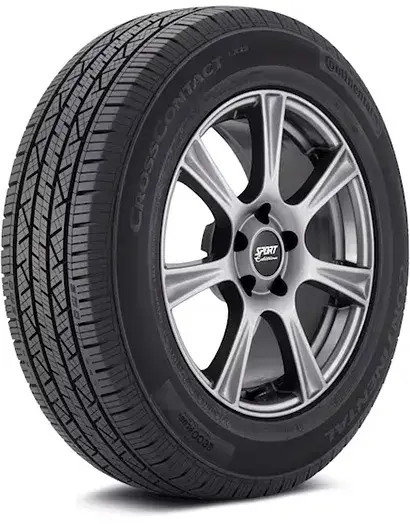
Continental CrossContact LX20: Balance of Performance and Efficiency

The Continental CrossContact LX20 stands out as an exceptional choice for Ford Explorer owners seeking the perfect balance between performance and fuel efficiency. This tire has earned a reputation as one of the most well-rounded options on the market, making it a popular choice for daily drivers who want reliability without sacrificing comfort.

Fuel Efficiency Technology

Continental has invested heavily in developing the CrossContact LX20 with fuel efficiency in mind. The tire features a specialized silica-enhanced tread compound that reduces rolling resistance significantly compared to previous models. This reduction means your Explorer requires less energy to move forward, translating directly to better fuel economy. Many drivers report seeing a noticeable improvement in MPG after switching to these tires, which can lead to substantial savings over the tire’s lifetime.

EcoPlus Technology Benefits

The proprietary EcoPlus Technology is Continental’s crown jewel in this tire model. This innovative approach combines temperature-activated functional polymers with silane additives to create a compound that maintains grip regardless of temperature fluctuations. The technology provides two major benefits: first, it maintains flexibility in cold conditions when other tires would harden and lose traction; second, it prevents excessive softening in hot weather that typically leads to faster wear and reduced fuel economy. This temperature stability means consistent performance year-round without the compromises typically associated with all-season tires.

Traction Capabilities

The CrossContact LX20 features an asymmetric tread pattern with four wide circumferential grooves that effectively channel water away from the contact patch. This design significantly reduces hydroplaning risk, even during heavy downpours. The continuous center rib enhances straight-line stability, which is particularly beneficial for highway driving in your Explorer. Additionally, the tire includes numerous traction edges and sipes that bite into light snow, providing decent winter performance for an all-season tire. While it won’t replace dedicated winter tires in severe conditions, it offers more than adequate performance for most regions with moderate winter weather.

Price-to-Performance Ratio

Where the Continental CrossContact LX20 truly excels is in its value proposition. While not the cheapest option available for the Ford Explorer, its combination of 70,000-mile treadwear warranty, excellent fuel efficiency, and balanced performance makes it an outstanding investment. The initial price point (typically ranging from $150-$200 per tire depending on size) is justified by the long-term savings in fuel costs and extended replacement intervals. Many Explorer owners report getting close to the full warranty mileage with proper rotation and maintenance, making these tires less expensive over time than budget options that wear out more quickly.

The quiet, comfortable ride quality is an additional benefit that enhances the overall driving experience without requiring any compromise on performance metrics. For Explorer owners who prioritize a balance of efficiency, longevity, and all-weather capability, the Continental CrossContact LX20 represents one of the smartest tire investments available.

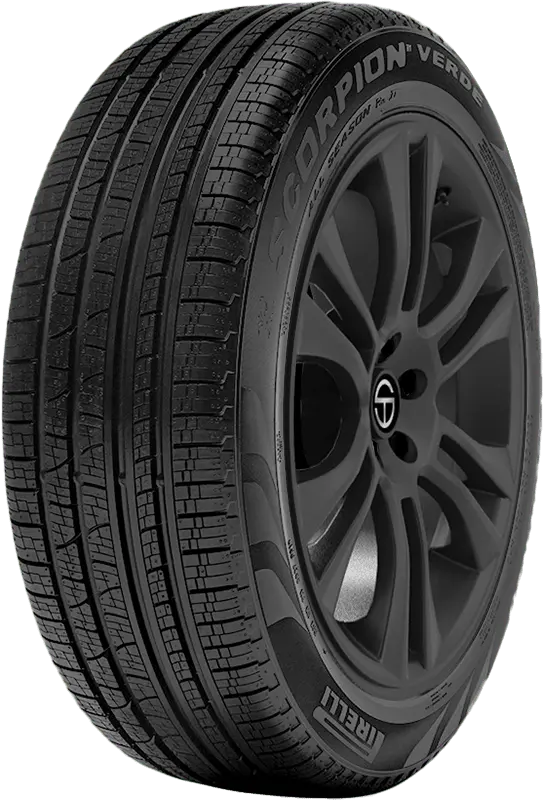
Pirelli Scorpion Verde All Season Plus II: Performance-Focused Option

The Pirelli Scorpion Verde All Season Plus II stands out as a performance-oriented tire specifically designed for SUVs like the Ford Explorer. This tire delivers exceptional handling characteristics that make your Explorer feel more responsive and connected to the road. The advanced silica-enhanced tread compound provides impressive grip in both dry and wet conditions, allowing for confident cornering and quick directional changes that you might not expect from a vehicle of this size.

High-speed stability is where this tire truly excels. The Scorpion Verde features an optimized pitch sequence and rigid shoulder blocks that significantly reduce road noise while maintaining excellent stability at highway speeds. The four wide circumferential grooves effectively channel water away from the contact patch, reducing hydroplaning risk even during heavy rainfall at higher velocities.

Environmental consciousness meets performance in this tire’s eco-friendly design elements. Pirelli has reduced the tire’s rolling resistance through innovative materials and construction techniques, which translates to improved fuel efficiency for your Explorer without sacrificing performance. The tire weighs less than many competitors, further contributing to fuel savings and reduced carbon emissions over its lifespan.

The asymmetric tread pattern offers distinct advantages for Explorer owners seeking a more engaging driving experience. The inner tread area features densely packed blocks for enhanced wet traction, while the outer shoulder incorporates larger, stiffer blocks for improved cornering stability. This design creates a perfect balance between comfort and performance, with the continuous center rib maintaining constant road contact for precise steering response.

While the Pirelli commands a premium price point, Explorer owners focused on performance will appreciate the tangible benefits in handling precision, fuel economy, and all-season capability. The tire does have a slightly firmer ride quality than some competitors, but this tradeoff delivers the responsive handling characteristics that performance-minded drivers seek.

Goodyear Assurance WeatherReady: Superior Weather Performance

The Goodyear Assurance WeatherReady stands out as a premium tire specifically engineered to handle virtually any weather condition your Ford Explorer might encounter. This versatile all-season option carries the coveted Three-Peak Mountain Snowflake (3PMSF) rating, a significant certification that sets it apart from typical all-season tires.

The 3PMSF designation isn’t merely a marketing badge—it signifies that these tires have passed specific performance tests on snow and meet higher standards than those simply labeled “M+S” (Mud and Snow). For Explorer owners who occasionally face winter conditions but don’t want dedicated winter tires, this certification provides valuable peace of mind.

What makes the Assurance WeatherReady particularly impressive is its evolving symmetric tread design with Weather Reactive Technology™. The tread pattern features sweeping grooves that efficiently channel water away from the contact patch, dramatically reducing hydroplaning risk during heavy downpours. These deep grooves work in tandem with the tire’s specially formulated rubber compound that remains pliable in cold temperatures while maintaining durability in warmer conditions.

In snow and ice performance, these tires utilize Goodyear’s Tredlock Technology, which features microscopic biting edges that activate when driving on snow and ice. The result is exceptional traction when accelerating, braking, and cornering in winter conditions—capabilities that standard all-season tires simply can’t match.

The Assurance WeatherReady doesn’t sacrifice comfort for capability either. Despite its aggressive tread design, road noise remains surprisingly minimal, and the ride quality maintains the comfort Explorer drivers expect. However, this weather versatility does come at a premium price point, and some owners report slightly reduced fuel economy compared to standard touring tires.

For Ford Explorer owners who drive in regions with unpredictable weather patterns or experience occasional winter storms, the Goodyear Assurance WeatherReady offers an excellent balance of year-round performance without the hassle of seasonal tire changes.

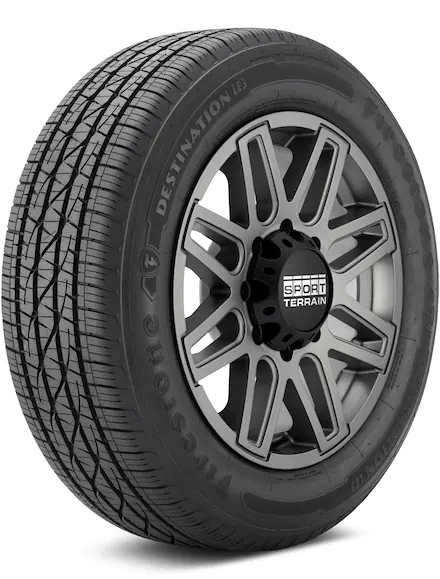
Firestone Destination LE3: Budget-Friendly Quality Choice

The Firestone Destination LE3 stands out as an excellent value proposition for Ford Explorer owners who need reliable performance without breaking the bank. This highway all-season tire delivers impressive capabilities at a price point typically 15-20% lower than premium competitors.

Performance-wise, the Destination LE3 offers reliable handling on dry and wet roads with its full-depth 3D sipes that maintain wet traction throughout the tire’s life. The tire features a symmetrical tread pattern with optimized tread blocks that reduce road noise significantly compared to previous models, making it ideal for family road trips in your Explorer.

One of the most impressive aspects is the tread life. Firestone engineered these tires with a long-wearing tread compound that includes silica for enhanced durability. Many owners report getting 65,000-70,000 miles from a set, which aligns with Firestone’s confident 70,000-mile limited treadwear warranty—impressive coverage at this price point.

The warranty package adds significant value, including Firestone’s 90-day buy-and-try guarantee allowing customers to return the tires if not satisfied. Additionally, the tires come with a 3-year roadside assistance program covering flat tire changes or towing up to 150 miles.

The value proposition becomes clear when considering the total ownership cost. While the initial purchase price ranges from $130-$160 per tire (depending on size and retailer), the extended tread life and comprehensive warranty make these tires an economical long-term investment. They deliver approximately 85-90% of the performance of premium tires at roughly 75-80% of the cost, making them an intelligent choice for Explorer owners seeking quality without premium pricing.

BFGoodrich All-Terrain T/A KO2: Off-Road Capability

The BFGoodrich All-Terrain T/A KO2 stands as the gold standard for Ford Explorer owners who regularly venture off the beaten path. These tires represent a significant upgrade for those who find themselves traversing rough terrain, dirt roads, or challenging weather conditions.

Off-road capability is where the KO2 truly shines. The aggressive tread pattern features interlocking tread blocks with side-biting shoulder lugs that provide exceptional traction in loose soil, gravel, and rocky surfaces. The tire’s computer-optimized tread design creates multiple biting edges that grip terrain from all angles, giving Explorer drivers confidence when tackling challenging landscapes.

Durability stands as a hallmark feature of the KO2. BFGoodrich engineered these tires with their CoreGard technology, which includes a thicker shoulder rubber that resists splitting and bruising – common issues when driving over sharp rocks or debris. The rubber compound itself has been formulated to resist chipping and tearing, extending the tire’s useful life even under harsh conditions.

The sidewall strength deserves special mention. The KO2 features a serrated shoulder design that not only looks aggressive but provides functional protection against punctures and abrasions. This reinforced sidewall construction offers 20% more strength than its predecessors, reducing the likelihood of a trip-ending flat when you’re miles from civilization.

In mud and gravel, the KO2 performs admirably thanks to its mud-phobic bars in the shoulder tread, which help release compacted mud for continued traction. The raised bars between tread blocks effectively eject stones and gravel, preventing them from becoming embedded and causing damage over time.

The on-road compromise factors are worth noting for Explorer owners considering these tires. While the KO2 performs surprisingly well on pavement, you will experience more road noise than with highway or all-season tires. The aggressive tread pattern that excels off-road creates a distinctive hum at highway speeds. Additionally, you may notice slightly reduced fuel efficiency due to increased rolling resistance.

Comfort is another consideration – the stiffer sidewall construction that provides excellent off-road durability results in a somewhat firmer ride on smooth pavement. However, many Explorer owners find this trade-off acceptable given the tire’s versatility and all-condition performance.

Despite these compromises, the KO2 remains remarkably civilized for daily driving while providing the confidence to tackle weekend adventures. For Ford Explorer owners who demand serious off-road capability without switching to dedicated off-road tires, the BFGoodrich All-Terrain T/A KO2 offers an impressive balance of rugged performance and everyday usability.

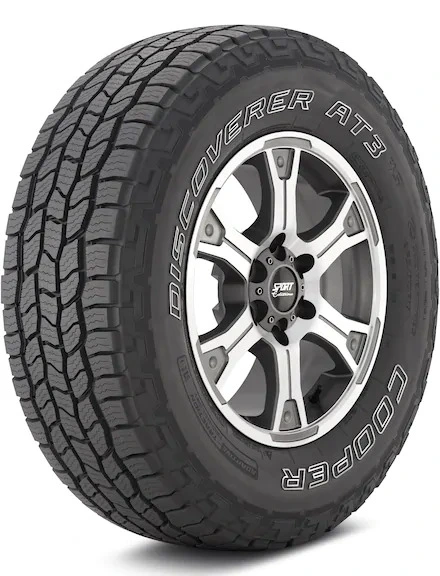
Cooper Discoverer AT3 4S: All-Terrain Versatility

The Cooper Discoverer AT3 4S represents an excellent middle ground for Ford Explorer owners who want off-road capability without sacrificing on-road comfort. This all-terrain tire has gained popularity among SUV owners for good reason.

The AT3 4S features Cooper’s Adaptive-Traction Technology, which provides reliable grip on various surfaces from dry pavement to mud, gravel, and snow. The silica-based tread compound helps maintain flexibility in cold temperatures while providing stability in warmer conditions, making it a true all-weather performer.

One of the most impressive aspects of the Discoverer AT3 4S is its balance. While many all-terrain tires create excessive road noise and vibration, Cooper has engineered this model to deliver a surprisingly quiet and comfortable highway ride. The tread pattern incorporates noise-reducing features that keep cabin disturbance to a minimum, even at highway speeds.

Durability is another strong point for these tires. Cooper backs them with a 65,000-mile treadwear warranty, which is exceptional for an all-terrain tire. The Wear Arc Technology in the tread design helps distribute weight more evenly across the contact patch, resulting in more consistent wear patterns and extended tire life.

The tire’s winter performance deserves special mention, as it carries the Three-Peak Mountain Snowflake symbol, indicating superior snow traction compared to standard all-season tires. The zigzag sipes and serrated edges of the tread blocks provide additional biting edges for grip on snow and ice.

For Explorer owners who occasionally venture off the beaten path but spend most of their time on pavement, the Cooper Discoverer AT3 4S offers an excellent compromise. The tire provides enough off-road capability for moderate adventures while maintaining the comfort and road manners needed for daily driving.

Pros:

Cons:

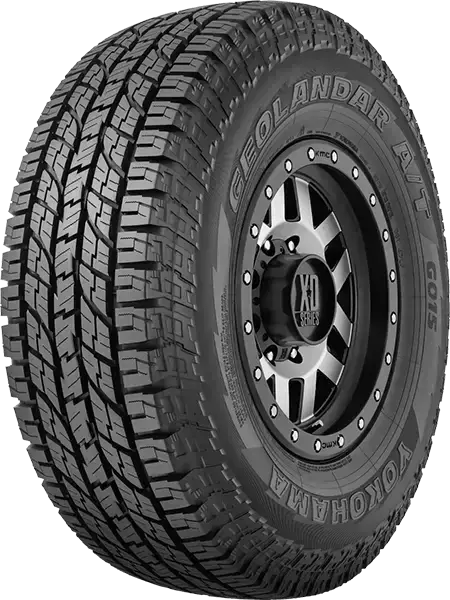
Yokohama Geolandar A/T G015: Balanced All-Terrain Performance

The Yokohama Geolandar A/T G015 stands out as an impressive all-terrain option for Ford Explorer owners who want versatility without compromise. These tires excel in providing a balanced experience that works well both on highways and during light off-road adventures.

What makes the Geolandar truly special is its ability to transition seamlessly between pavement and trails. On highways, the tire delivers a smooth, controlled ride with minimal road noise—a rare quality for all-terrain tires. The specialized tread pattern incorporates pitch variation technology that significantly reduces the typical drone associated with aggressive tires.

Fuel efficiency is another area where the Geolandar A/T G015 outperforms many competitors in the all-terrain category. Yokohama’s BluEarth technology and optimized tread design reduce rolling resistance, helping your Explorer maintain reasonable fuel economy despite the enhanced off-road capabilities.

When venturing off the beaten path, these tires provide confident traction on gravel roads, muddy trails, and rocky terrain. The enduro compound and triple-polymer blend ensure durability against cuts and chips while maintaining flexibility in various temperatures.

Winter performance is particularly impressive, with the Geolandar earning the three-peak mountain snowflake symbol—indicating superior snow traction. The zigzag grooves and multi-angle sipes create biting edges that grip snow and slush effectively, making them a practical year-round option for Explorer owners in varied climates.

However, while excellent for light to moderate off-roading, these aren’t extreme mud tires. They’ll handle most weekend adventures with ease, but serious off-road enthusiasts might need something more aggressive for challenging terrain.

Falken Wildpeak A/T Trail: Crossover-Focused All-Terrain

The Falken Wildpeak A/T Trail stands out as the first all-terrain tire specifically engineered for crossovers and SUVs like the Ford Explorer. Unlike traditional all-terrain tires that can feel excessive on modern crossovers, the Wildpeak A/T Trail strikes an impressive balance between on-road comfort and off-road capability.

Its tread design features optimized shoulder blocks that provide excellent stability during cornering while maintaining a quieter ride than typical all-terrain options. The unique 3D Canyon sipe technology increases tread rigidity, enhancing handling response on paved roads while still allowing the flexibility needed for light trail adventures.

What truly distinguishes this tire is its fuel efficiency—a rare trait in the all-terrain category. Falken engineered the Wildpeak with lower rolling resistance without compromising traction, helping Explorer owners maintain reasonable fuel economy despite the more aggressive tread pattern. The silica-enriched compound further enhances wet traction while contributing to the tire’s efficiency.

For light off-road excursions, the tire incorporates upper sidewall protection and offset shoulder blocks that shield against trail hazards like rocks and branches. The tread pattern includes strategically placed stone ejectors that prevent pebbles from becoming embedded, extending the tire’s lifespan. Deep grooves and open shoulders effectively channel water and mud away from the contact patch, providing reliable traction in various conditions.

Durability features include Falken’s Heat Diffuser Technology in the lower sidewall that dissipates heat, protecting the tire’s internal components during extended highway driving. The manufacturer backs these tires with a 65,000-mile treadwear warranty—impressive for an all-terrain option and reflecting confidence in their longevity.

For Explorer owners who occasionally venture onto forest roads, gravel paths, or light trails but spend most driving time on highways and city streets, the Wildpeak A/T Trail offers a compelling compromise that doesn’t demand the fuel economy and comfort sacrifices typically associated with more aggressive all-terrain tires.

Winter Tire Options for Ford Explorer

When temperatures drop and snow begins to fall, having the right winter tires on your Ford Explorer becomes crucial for safety and performance. Winter tires feature specialized rubber compounds that remain flexible in freezing temperatures and unique tread patterns designed to grip snow and ice. Here’s a comparison of three top winter tire options for your Explorer:

Bridgestone Blizzak DM-V2

The Blizzak DM-V2 is widely regarded as one of the best winter tires available for SUVs like the Ford Explorer. Its multicellular compound with microscopic bite particles helps create exceptional traction on ice and snow.

Pros:

  • Outstanding ice traction and braking performance
  • Excellent deep snow capability
  • Comfortable and relatively quiet for a winter tire
  • Reliable handling on wet roads

Cons:

  • Not the most durable option (typically lasts 2-3 seasons)
  • Performance decreases as tread wears down
  • Higher price point than some competitors

Michelin X-Ice Snow

The Michelin X-Ice Snow represents the latest in winter tire technology, offering a balance of snow performance and longevity.

Pros:

Cons:

  • Premium price tag
  • Slightly less aggressive in deep snow than the Blizzak
  • May feel stiffer at extremely cold temperatures

Nokian Hakkapeliitta R3 SUV

Coming from Finland, where winter driving is taken extremely seriously, the Nokian Hakkapeliitta R3 SUV is engineered for the harshest winter conditions.

Pros:

  • Exceptional performance in extreme cold
  • Superior grip on ice, possibly best-in-class
  • Excellent snow traction
  • Good fuel efficiency for a winter tire

Cons:

  • Limited availability in some regions
  • Premium pricing
  • Less focused on dry road performance
  • Can wear quickly in milder conditions

Winter Safety Considerations

Regardless of which winter tire you choose for your Ford Explorer, remember these important points:

Winter tires represent a significant safety upgrade over all-season tires when conditions turn icy. For Ford Explorer owners who regularly face snow and ice, the investment in quality winter tires like the Blizzak DM-V2, X-Ice Snow, or Hakkapeliitta R3 SUV can provide invaluable peace of mind and significantly improved handling during the challenging winter months.

Tire Maintenance Tips for Ford Explorer Owners

Proper tire maintenance is crucial for maximizing the performance and lifespan of your Ford Explorer’s tires. Regular upkeep not only ensures your safety but also improves fuel efficiency and handling.

Rotation Schedules: Ford Explorer tires should be rotated every 5,000-7,500 miles to ensure even wear patterns. Front and rear tires wear differently due to the Explorer’s weight distribution and driving dynamics. For most Explorers with front-wheel drive configurations, use a forward cross pattern where the front tires move straight back and the rear tires move to the opposite front positions. For all-wheel drive models, consider a side-to-side rotation pattern for more balanced wear.

Pressure Monitoring Importance: While newer Explorer models come equipped with Tire Pressure Monitoring Systems (TPMS), manually checking tire pressure monthly remains essential. The recommended PSI for most Explorer models ranges between 32-35 PSI, but always check your vehicle’s door jamb sticker for exact specifications. Proper inflation prevents uneven wear, improves fuel economy by up to 3%, and reduces the risk of blowouts. Remember that pressure fluctuates with temperature changes, so check when tires are cold for accurate readings.

Alignment Considerations: Ford Explorers, particularly those used for light off-roading or carrying heavy loads, should have alignment checked twice yearly. Signs that your Explorer needs alignment include uneven tire wear, vehicle pulling to one side, or a steering wheel that doesn’t return to center properly after turns. Proper alignment extends tire life significantly while improving handling and reducing strain on suspension components.

When to Replace: Replace your Explorer’s tires when tread depth reaches 4/32″ for all-season tires or 5/32″ for winter tires. The penny test works well – insert a penny with Lincoln’s head upside down into the tread; if you can see the top of Lincoln’s head, it’s time for new tires. Also look for sidewall cracks, bulges, or any irregular wear patterns that might indicate suspension issues. Most Explorer tires last between 40,000-70,000 miles depending on driving habits and maintenance.

Extending Tire Life: To maximize your Explorer’s tire longevity, maintain steady driving habits and avoid aggressive acceleration or braking. Reduce excessive load weight when possible, as the Explorer’s size can already put significant stress on tires. Consider seasonal tire changes if you live in areas with extreme temperature variations. Finally, address any suspension issues promptly, as worn shocks or struts can cause premature and uneven tire wear that no amount of rotation can correct.

Frequently Asked Questions

What size tires does a Ford Explorer typically use?

Ford Explorers typically require P245/60R18, P255/50R20, or similar sized tires, depending on the specific model year and trim level. Always check your vehicle’s door jamb sticker or owner’s manual for the exact specifications to ensure proper fitment.

How often should I rotate the tires on my Ford Explorer?

You should rotate the tires on your Ford Explorer every 5,000-7,500 miles to ensure even wear patterns. For most front-wheel drive Explorers, use a forward cross pattern. All-wheel drive models may benefit from a side-to-side rotation pattern for more balanced wear.

Are all-season tires good enough for winter driving in my Explorer?

While all-season tires can handle light winter conditions, they’re not ideal for areas with heavy snowfall or frequent ice. If you regularly face severe winter weather, dedicated winter tires like the Bridgestone Blizzak DM-V2 or Michelin X-Ice Snow provide significantly better traction and safety.

How can I improve the fuel efficiency of my Explorer through tire choice?

To improve fuel efficiency, look for tires with low rolling resistance, such as the Continental CrossContact LX20 or the Michelin Defender LTX M/S. These tires are designed to require less energy to move, which can lead to noticeable improvements in your Explorer’s MPG.

What’s the best tire for off-road driving in a Ford Explorer?

For off-road capability, the BFGoodrich All-Terrain T/A KO2 is an excellent choice. It offers aggressive tread patterns for superior traction in mud, gravel, and rocky terrain while still providing reasonable on-road comfort. The Falken Wildpeak A/T Trail is another good option, especially for those who do more light off-roading.

How do I know when it’s time to replace my Explorer’s tires?

Replace your Explorer’s tires when the tread depth reaches 4/32″ for all-season tires or 5/32″ for winter tires. You can use the penny test: if you can see the top of Lincoln’s head when inserted into the tread, it’s time for new tires. Also, look for sidewall cracks, bulges, or irregular wear patterns.

Can I mix different tire brands on my Ford Explorer?

It’s not recommended to mix different tire brands or models on your Explorer. Using mismatched tires can lead to handling issues, uneven wear, and potential safety risks. Always install a complete set of four matching tires for optimal performance and safety.

Leave a Comment

Your email address will not be published. Required fields are marked *

Scroll to Top