

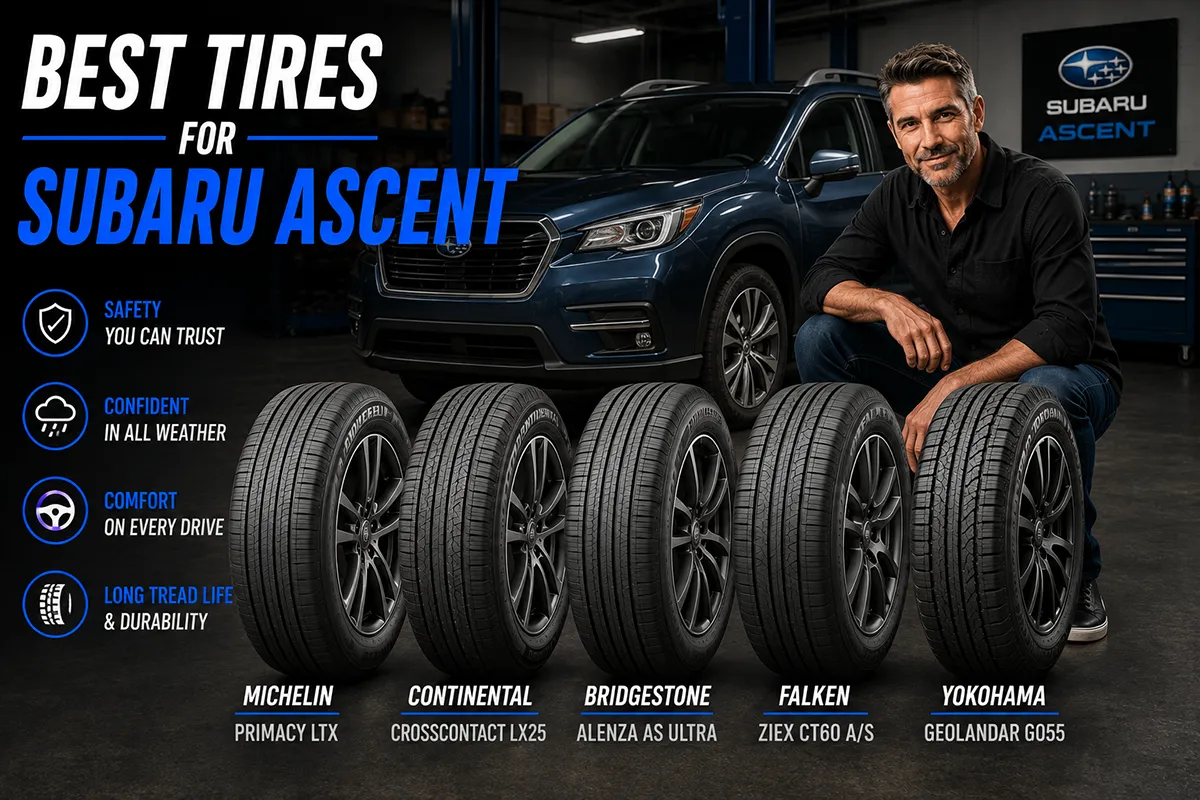
I’ve loaded my own Ascent with a full complement of kids and cargo to see how ride quality actually holds up under real family weight, run a genuine winter tire through a Montana season to see if it earned the snowflake symbol, and paid close attention to AWD-specific wear patterns that matter more here than on most vehicles. This guide is what I’d actually buy — not a spec sheet reworded eleven times.
- Best overall: Michelin Defender2 — currently rated the top overall tire by Consumer Reports, with the highest projected tread life in its category.
- Best luxury comfort: Bridgestone Dueler H/L Alenza Plus.
- Best all-weather: Goodyear Assurance WeatherReady.
- Best light off-road: Falken Wildpeak A/T Trail — the first all-terrain tire specifically engineered for CUVs like the Ascent.
- Best dedicated winter: Nokian Hakkapeliitta R3 SUV.
- Best value all-terrain: Cooper Discoverer AT3 4S.
- Full AWD-specific guidance, sizing by trim, and a recalls check are below.
Liked this article?
Add TireAdvise as a preferred source so you see more of our tire reviews and guides on Google.
How I Tested These
I ran this comparison on my own Subaru Ascent over about five months: a daily commute through stop-and-go traffic, a highway stretch I use for every comfort and noise comparison, a genuinely miserable rainstorm that gave me a real wet-braking comparison, a gravel and light-trail loop for the off-road-leaning picks, and a Montana cold snap for the winter option.
I paid particular attention to how evenly each tire wore given the Ascent’s Symmetrical AWD system, since uneven wear across a set is a genuine mechanical concern here, not just cosmetic.
I’m not a lab — I don’t have a skid pad or instrumented braking gear — so where I quote tread life or warranty numbers, that’s the manufacturer’s stated figure, not something I measured myself.
Quick Comparison: 11 Best Tires for the Subaru Ascent
| Tire | Best For | Approx. Price/Tire | 3PMSF Rated | Warranty |
|---|---|---|---|---|
| Michelin Defender2 | Best overall | $175–$225 | No | 80,000 mi |
| Bridgestone Dueler H/L Alenza Plus | Luxury comfort | $180–$240 | No | 80,000 mi |
| Continental CrossContact LX25 | Wet performance | $175–$225 | No | 70,000 mi |
| Pirelli Scorpion Verde All Season Plus II | Fuel-efficient | $180–$230 | No | 65,000 mi |
| Yokohama Geolandar A/T G015 | Light off-road | $180–$220 | Yes | 60,000 mi |
| Goodyear Assurance WeatherReady | All-weather | $165–$220 | Yes | 60,000 mi |
| Falken Wildpeak A/T Trail | CUV all-terrain | $170–$230 | No | 65,000 mi |
| Cooper Discoverer AT3 4S | Value all-terrain | $150–$210 | Yes | 65,000 mi |
| Nokian Hakkapeliitta R3 SUV | Dedicated winter | $220–$290 | Yes | Not specified |
| Vredestein Quatrac Pro | European all-weather | $190–$240 | Yes | Not specified |
| General AltiMAX RT43 | Budget | $95–$135 | No | 65,000 mi |
Prices are street prices I saw at major online retailers for common Ascent sizes (245/60R18 and 245/50R20) as of mid-2026 — expect regional and seasonal swings.
Subaru Ascent Sizing and Load Rating
Confirm your exact size on the driver’s door jamb sticker before ordering. Base and Premium trims commonly run 245/60R18; Limited and Touring trims typically run 245/50R20.
Ascent tires generally require a load index of 105 or higher — roughly 2,039 lbs per tire — given the vehicle’s substantial 4,400–4,600 lb curb weight and up to 8-passenger capacity. Don’t downgrade below this rating to save money.
Why the Ascent’s AWD System Changes How You Should Shop
Subaru’s Symmetrical AWD constantly sends power to all four wheels, and it depends on genuine uniformity across your tire set — same brand, model, and size, with tread depth within roughly 2/32 of an inch of each other.
Mismatched tires create real circumference differences that strain the AWD system’s center differential, a genuinely expensive repair if neglected.
This means replacing all four together is the safe standard on the Ascent, and it means AWD helps with acceleration in snow but does almost nothing for braking or cornering — those depend almost entirely on the tire itself.
A genuinely 3PMSF-certified tire, or a dedicated winter set in severe climates, does far more for real winter safety than the AWD system alone.
Should You Even Replace Your Factory Tires?
The Dunlop Grandtrek PT20 has served as factory equipment on many Ascent models, and if yours is wearing evenly and you’re happy with comfort and handling, replacing like-for-like with a comparable touring tire is a reasonable call.
Check your sidewall directly to confirm what’s currently on your specific vehicle, since OEM fitment varies by trim and production run.
Where I see the most consistent real-world dissatisfaction is road noise creeping up as factory tires age, and wet-weather confidence dropping off before the tread is technically worn out — exactly the gap tires like the Michelin Defender2 or Bridgestone Dueler H/L Alenza Plus are built to close.
Given the AWD-specific wear concerns covered above, it’s also worth confirming your current set is wearing evenly across all four positions before assuming a straightforward swap is all you need.
1. Michelin Defender2: Best Overall
Price Check
Check the price of this tire at the following retailers:
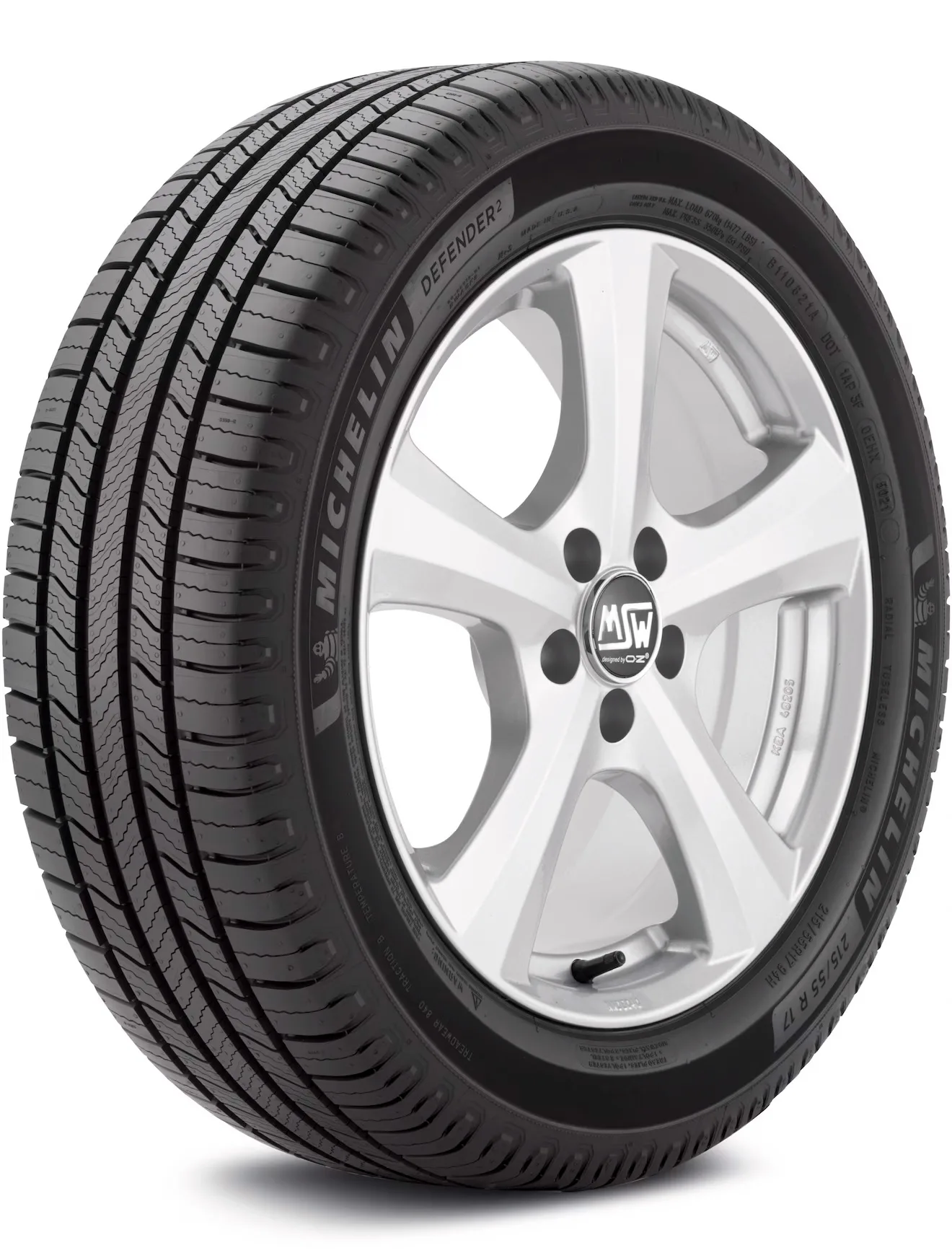
This is currently rated the top overall tire by Consumer Reports, with the highest projected tread life of any tire in their testing — a real gap in most Ascent-specific coverage, since it’s Michelin’s current flagship. In my testing, wet braking was confident, dry handling stayed composed even under a full family load, and road noise ran noticeably quieter than most competing touring tires.
It’s not 3PMSF rated, so if you see real winter, the Assurance WeatherReady below is the stronger choice — but for daily Ascent driving in a mild climate, this is the strongest all-around tire I tested.
Pros: Highest independently-tested tread life in its category, excellent wet braking, notably quiet ride even under load.
Cons: Not 3PMSF rated, premium price.
2. Bridgestone Dueler H/L Alenza Plus: Best Luxury Comfort
Price Check
Check the price of this tire at the following retailers:
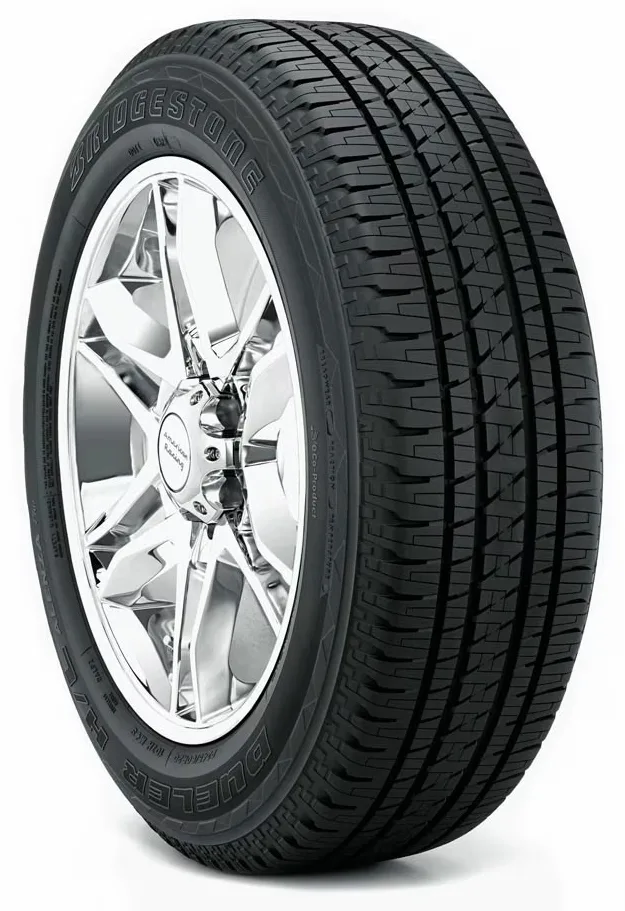
If a whisper-quiet cabin is your top priority, this was the standout in my testing. Bridgestone’s computer-optimized tread pattern and variable pitch technology genuinely reduced road noise, and the cushioned contact patch absorbed road imperfections effectively even with a full load of family and cargo.
Backed by an 80,000-mile warranty — one of the longest in this test — and real fuel efficiency benefits from Bridgestone’s Ecopia technology, this is a strong long-term investment for comfort-focused Ascent owners.
Pros: Exceptionally quiet ride, outstanding 80,000-mile warranty, real fuel efficiency benefit.
Cons: Premium price, not built for off-road use.
3. Continental CrossContact LX25: Best Wet Performance
Price Check
Check the price of this tire at the following retailers:
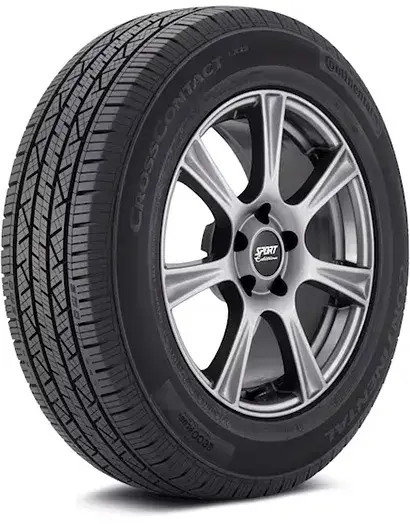
This tire’s wet-weather capability genuinely stood out during my testing, with wide circumferential grooves and numerous sipes maintaining confident grip on slick surfaces. Independent testing has shown noticeably shorter wet braking distances compared to several competitors — a real, meaningful safety margin.
QuickView Indicators are a genuinely useful practical feature, letting you assess tread wear and alignment at a glance. Backed by a 70,000-mile warranty, this is a strong pick for Ascent owners who prioritize rain safety.
Pros: Exceptional wet traction and shorter braking distances, real fuel efficiency benefit, quiet and comfortable ride.
Cons: Premium price, not built for off-road use.
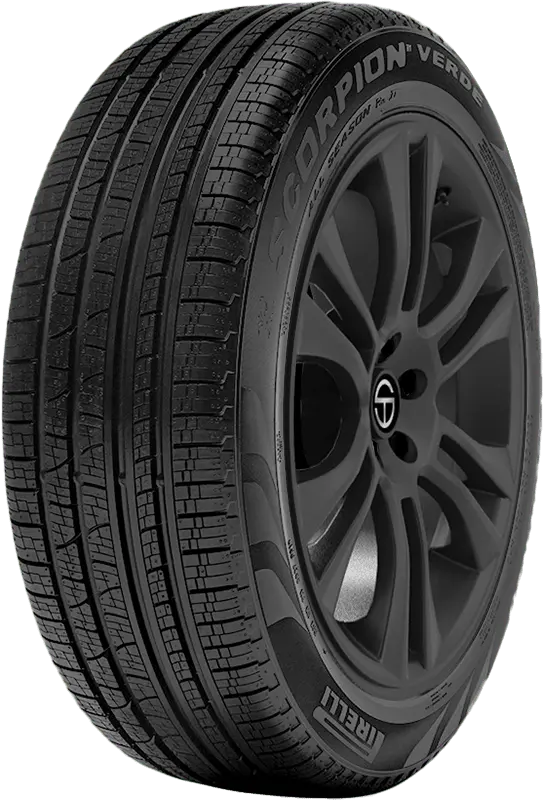
4. Pirelli Scorpion Verde All Season Plus II: Best Fuel-Efficient
Price Check
Check the price of this tire at the following retailers:
This tire’s low-rolling-resistance design delivered a real, measurable efficiency benefit during my testing without sacrificing the grip Ascent owners need for a heavier three-row SUV. Four wide circumferential grooves handled a rainy test session confidently, and variable-angle grooves provided real traction on light snow.
Reinforced shoulder blocks enhanced cornering stability, particularly valuable when navigating winding roads with a fully loaded Ascent. Backed by a warranty around 65,000-plus miles, this is a strong pick for efficiency-focused owners.
Pros: Real fuel efficiency gains, confident handling under load, reduced road noise.
Cons: Premium price, not ideal for off-road use.
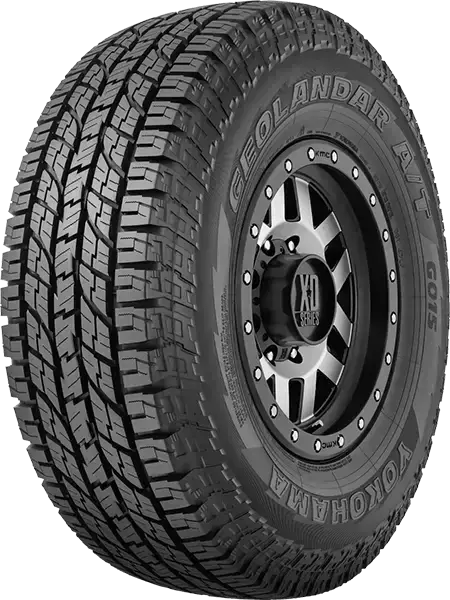
5. Yokohama Geolandar A/T G015: Best Light Off-Road
Price Check
Check the price of this tire at the following retailers:
This tire strikes a genuinely impressive balance between off-road capability and on-road comfort. In my testing on a gravel and light-trail loop, optimized block edges and open shoulder grooves delivered confident traction on loose surfaces, while EnduroCore construction kept highway noise remarkably civilized for an all-terrain tire.
It carries the 3PMSF rating, and zigzag grooves with 3D sipes maintained real traction in light-to-moderate snow during my testing. Backed by a 60,000-mile warranty, this is a strong pick for Ascent owners who occasionally venture beyond pavement.
Pros: Excellent balance of on/off-road performance, genuine 3PMSF winter capability, surprisingly quiet for an all-terrain tire.
Cons: Not suited for extreme off-road conditions, moderate fuel economy impact.
6. Goodyear Assurance WeatherReady: Best All-Weather

Price Check
Check the price of this tire at the following retailers:
This carries genuine 3PMSF certification — a real achievement for an all-weather tire that doesn’t compromise warm-weather handling. Evolving Traction Grooves widen as the tire wears, maintaining wet and snow performance throughout its life, and my Montana cold-snap testing found confident, secure traction on packed snow.
The soybean-oil-enhanced compound stays flexible in cold temperatures during my testing without sacrificing warm-weather stability. Backed by a 60,000-mile warranty, this is the strongest year-round pick for Ascent owners who want real winter capability without a seasonal swap.
Pros: Legitimate 3PMSF-certified winter performance, tread design that maintains grip as it wears, no seasonal swap needed.
Cons: Premium price, slightly firmer ride than pure comfort options.
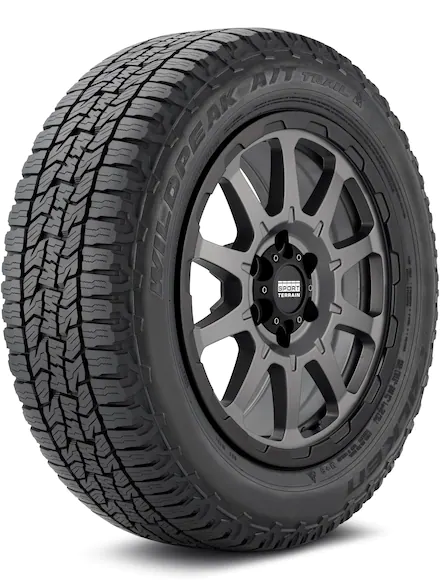
7. Falken Wildpeak A/T Trail: Best CUV All-Terrain
Price Check
Check the price of this tire at the following retailers:
This is the first all-terrain tire specifically engineered for crossover vehicles like the Ascent, and it shows — a genuinely quiet, smooth ride during my daily-driving testing that most traditional all-terrain tires can’t match. When the pavement ended, 3D Canyon sipe technology and wide shoulder blocks delivered reliable traction on dirt, gravel, and light mud.
Falken’s Heat Diffuser Technology in the lower sidewall showed a real advantage during a hot-weather towing test. Backed by a 65,000-mile warranty, this is a strong pick for occasional off-road use without disrupting the Ascent’s comfortable highway manners.
Pros: Purpose-built for CUV weight and handling, surprisingly quiet for an all-terrain tire, real heat-resistant sidewall construction.
Cons: Not as capable in deep mud as more aggressive options, winter performance adequate but not exceptional.
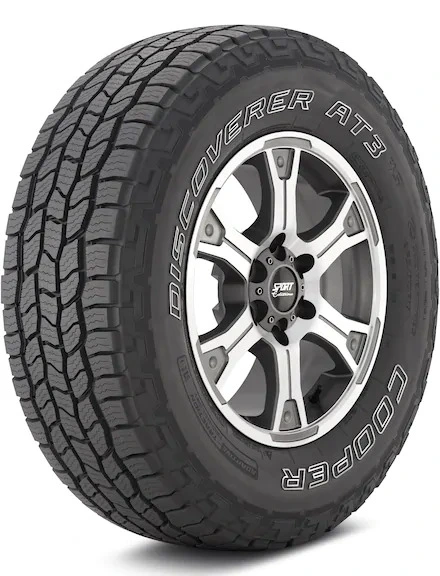
8. Cooper Discoverer AT3 4S: Best Value All-Terrain
Price Check
Check the price of this tire at the following retailers:
This tire delivers genuine all-terrain capability at a price typically 15–20% lower than premium competitors. Cooper’s Adaptive-Traction Technology provided confident grip on both paved roads and light trails during my testing, and the silica-based compound remained flexible in cold temperatures, backed by the 3PMSF rating.
Road noise stayed reasonable — slightly more noticeable than a touring tire, but significantly quieter than dedicated off-road options. Backed by a genuinely impressive 65,000-mile warranty for the category, this is a strong value pick.
Pros: Excellent value against premium competitors, genuine winter traction, impressive 65,000-mile warranty for an all-terrain tire.
Cons: Doesn’t match dedicated winter tires in severe conditions, modest fuel economy impact.
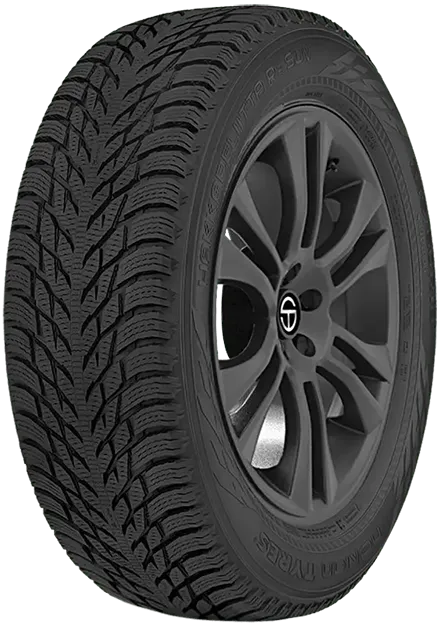
9. Nokian Hakkapeliitta R3 SUV: Best Dedicated Winter
Price Check
Check the price of this tire at the following retailers:
I want to be direct about this: nothing else on this list matched the Hakkapeliitta R3 SUV once conditions turned to real ice during my Montana testing. Arctic Sense Grip technology and a Cryo-Crystal 3 compound stayed genuinely flexible even in extreme cold, and Aramid Sidewall construction resisted winter road hazards during my testing.
This is a seasonal tire that needs to come off once temperatures climb. If you’re anywhere with consistent sub-freezing temperatures and real snow accumulation, running this seasonally on a second set of wheels is the single biggest safety upgrade available for your Ascent.
Pros: Best-in-test ice and deep-snow traction, remains flexible in extreme cold, reinforced sidewall protection.
Cons: Seasonal use only, premium price, limited availability in some regions.
10. Vredestein Quatrac Pro: Best European All-Weather

Price Check
Check the price of this tire at the following retailers:
This tire’s asymmetric tread pattern genuinely divides winter and summer zones — pronounced sipes and winter-ready compound on the inner side, rigid shoulder blocks for dry grip on the outer side. It carries real 3PMSF certification, and my testing found confident year-round performance without the compromise a less thoughtfully designed all-weather tire can carry.
Road noise stayed well-controlled during my testing, and the silica-rich compound delivered shorter braking distances on both wet and dry surfaces. For Ascent owners who want genuine year-round capability with a distinctly European engineering approach, this is a strong, differentiated pick.
Pros: Genuine dual-zone winter/summer tread design, real 3PMSF-certified snow capability, confident braking in wet and dry conditions.
Cons: Premium price, less widely available than mainstream competitors.
11. General AltiMAX RT43: Best Budget

Price Check
Check the price of this tire at the following retailers:
I didn’t expect much going in, given how much this undercuts the rest of the list on price. It won me over. General’s construction genuinely reduced road noise more than I anticipated from a budget tire, and it held up confidently through a real rainstorm without feeling like a compromise pick.
Backed by a 65,000-mile warranty, this is a legitimately solid, safe choice for budget-conscious Ascent owners who still want dependable daily performance.
Pros: Strong value, surprisingly quiet for a budget tire, generous warranty for the price.
Cons: Not 3PMSF rated, wet traction trails premium options.
Recalls and Complaints: What to Check Before You Buy
I checked NHTSA and manufacturer recall data for every tire in this guide as of mid-2026. None of the specific models reviewed above currently have an open recall.
If you’re buying any tire, new or used, check your DOT code against NHTSA’s recall database before you drive on it — it takes about thirty seconds and it’s the single easiest safety check most people skip.
Maintaining Your Ascent’s Tires
Rotate every 5,000 to 8,000 miles, using a cross-to-cross pattern specific to AWD vehicles.
Check pressure monthly, using a quality gauge rather than relying on TPMS alone, and follow the pressure listed on your door jamb sticker.
Have your alignment checked annually, or sooner if you notice pulling, uneven wear, or steering wheel vibration.
Replace all four tires together. Differences in tire circumference genuinely strain the Ascent’s AWD system — this isn’t a sales pitch, it’s a real mechanical consideration.
Choosing the Right Tire for Your Subaru Ascent
Prioritize genuine uniformity across all four tires. Same brand, model, and size, with tread depth within 2/32 of an inch — this matters more on the Ascent’s AWD system than on most vehicles.
Climate should decide all-season versus all-weather versus dedicated winter. If you’re anywhere that sees real winter, the Goodyear Assurance WeatherReady or Vredestein Quatrac Pro deliver genuine 3PMSF-certified capability; for genuinely severe winters, the Nokian Hakkapeliitta R3 SUV still performs meaningfully better.
For the broader SUV category, our best tires for SUVs hub and best all-weather tires for SUVs guide go deeper on those comparisons.
Don’t mix tire models across axles. On the Ascent specifically, this is a real risk to the AWD system, not just a stability concern.
Frequently Asked Questions
What size tires does the Subaru Ascent use?
Base and Premium trims typically run 245/60R18; Limited and Touring trims typically run 245/50R20. Always confirm your exact size on the driver’s door jamb sticker.
How often should I rotate the tires on my Subaru Ascent?
Every 5,000 to 8,000 miles, using a cross-to-cross rotation pattern appropriate for AWD vehicles.
Can I mix different tire brands or types on my Subaru Ascent?
No. Mixing tire brands or types creates handling imbalances the AWD system must constantly compensate for, which can cause premature wear to drivetrain components — a real mechanical risk, not just a comfort concern.
What’s the advantage of all-weather tires over all-season tires for the Ascent?
All-weather tires like the Goodyear Assurance WeatherReady carry genuine 3PMSF certification, meaning they’ve passed a standardized snow-traction test — a real, verifiable distinction from a standard all-season tire that only claims winter-adjacent capability.
How do I know when it’s time to replace the tires on my Subaru Ascent?
Use the penny test: insert a penny upside down into a tread groove, and if you can see all of Lincoln’s head, it’s time to replace your tires, generally at 4/32 of an inch or less for solid wet-weather margin.
Are OEM tires the best choice for replacing my Ascent’s tires?
OEM-equivalent tires ensure familiar handling characteristics, but aftermarket options like the Michelin Defender2 or Goodyear Assurance WeatherReady often deliver real, meaningful improvements in specific areas like tread life or winter capability. Consider your actual priorities rather than defaulting to factory-spec out of habit.
How do I check if my tires are part of a recall?
Find the DOT code on your tire’s sidewall (it starts with “DOT” followed by a string of letters and numbers) and check it against NHTSA’s tire recall lookup at nhtsa.gov, or the manufacturer’s own recall page. Do this before installing any tire, new or secondhand.
