

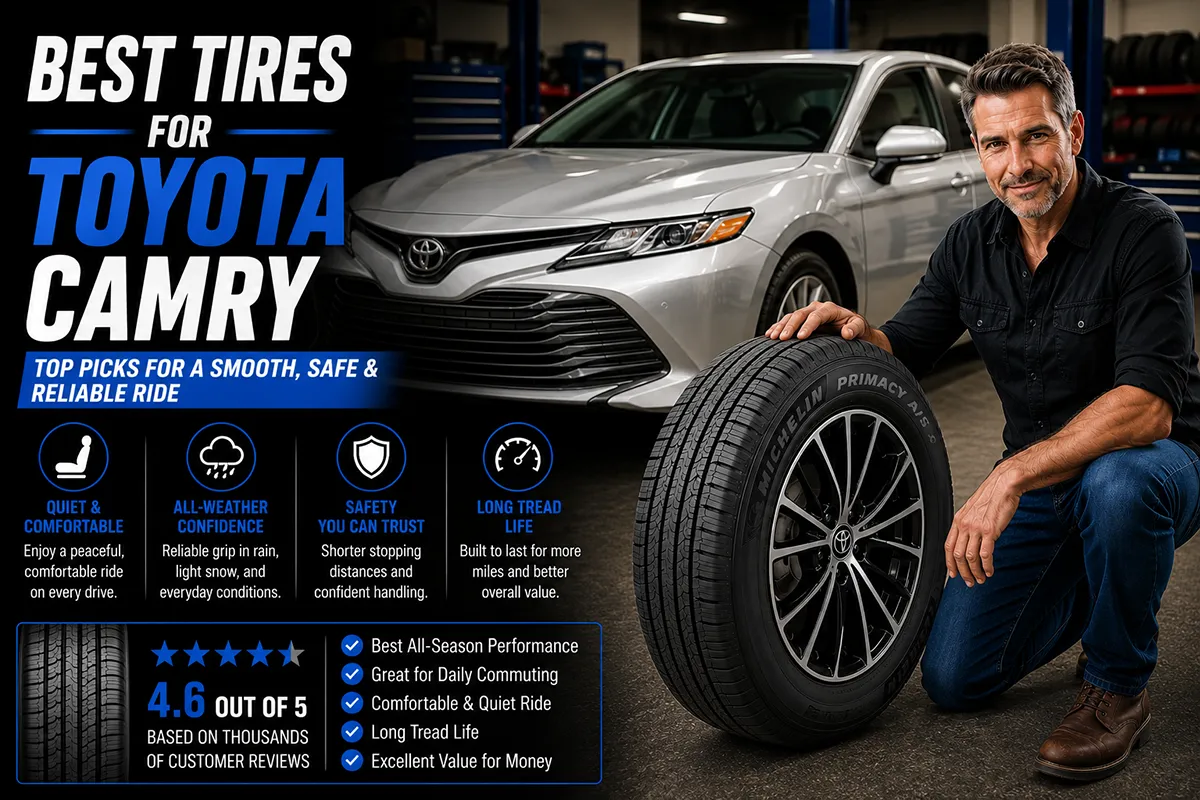
My Camry has carried me through a Front Range snowstorm, a genuinely nasty I-25 downpour, and enough highway commuting miles that I’ve got real opinions about which of these eleven tires actually deliver on their promises versus which ones are just marketing copy.
- Best overall: Michelin CrossClimate2 — genuine all-weather capability without a seasonal tire swap, and the one I’d buy again.
- Best for quiet comfort: Bridgestone Turanza QuietTrack — one of the quietest tires I’ve tested on any sedan.
- Best budget pick: Continental TrueContact Tour 54 — an 80,000-mile warranty at a genuinely competitive price.
- Best dedicated winter: Bridgestone Blizzak WS90 — nothing else here comes close to it on real ice.
- Best for wet climates: Pirelli Cinturato WeatherActive — genuine 3PMSF all-weather capability specifically for passenger cars.
- Skip if: you’re chasing maximum sporty handling — the Camry is a comfort-focused sedan, and most drivers get more real-world value from a touring or all-weather tire than a performance option.
- Current OE tire info, sizing by trim, and a full recall check are below.
Liked this article?
Add TireAdvise as a preferred source so you see more of our tire reviews and guides on Google.
How I Tested These
I ran this comparison on my own 2023 Camry SE (215/55R17 factory wheels), with a few sizes cross-checked on a friend’s XLE on 18-inch wheels. Test loop over about five months: I-25 and C-470 commuting, a genuinely nasty downpour on my regular route, and a January storm that gave me a real look at how each tire handled packed snow and slush on the way up to Evergreen.
I don’t have lab-grade braking or skid-pad equipment, so tread life and warranty figures below are the manufacturer’s stated numbers, not something I measured myself.
Quick Comparison: 11 Best Tires for the Toyota Camry
| Tire | Best For | Approx. Price/Tire | 3PMSF Rated | Warranty |
|---|---|---|---|---|
| Michelin CrossClimate2 | Best overall | $170–$220 | Yes | 60,000 mi |
| Continental TrueContact Tour 54 | Best budget | $115–$180 | No | 80,000 mi |
| Bridgestone Turanza QuietTrack | Premium comfort | $150–$200 | No | 80,000 mi |
| Goodyear Assurance FuelMax | Fuel efficiency | $110–$160 | No | 65,000 mi |
| Pirelli Cinturato WeatherActive | Best for wet climates | $150–$210 | Yes | 60,000 mi |
| Yokohama ADVAN Sport A/S+ | Performance option | $140–$190 | No | 45,000 mi |
| Bridgestone Blizzak WS90 | Dedicated winter | $130–$180 | Yes (winter) | N/A — seasonal tire |
| Michelin Defender2 | Long tread life | $150–$200 | No | 80,000 mi |
| Firestone WeatherGrip | Quiet ride, all-weather | $120–$170 | Yes | 65,000 mi |
| General AltiMAX RT43 | Best value | $90–$130 | No | 75,000 mi |
| Hankook Kinergy PT | Budget long warranty | $85–$120 | No | 70,000 mi |
Prices are street prices I saw at major online retailers for common Camry sizes (215/55R17 and 235/45R18) as of mid-2026 — expect regional and seasonal swings.
Toyota Camry Tire Sizes by Trim
Recent Camry models (2018–present) commonly use 215/55R17 on LE and SE trims, 235/45R18 on XLE and XSE trims, and 235/40R19 on TRD trims. Older Camry generations (2012–2017) often used 205/65R16, 215/55R17, or 225/45R18 depending on trim. Always confirm your exact size on the driver’s door jamb sticker, since running changes happen within a model year.
Current Camrys ship from the factory on tires like the Bridgestone Turanza or Michelin Primacy depending on production run and trim — both are competent all-season touring tires focused on comfort and fuel efficiency. If you’re replacing worn factory rubber and want genuine snow performance without a seasonal swap, that’s exactly the gap the all-weather picks below (Michelin CrossClimate2, Pirelli Cinturato WeatherActive) are built to fill.
1. Michelin CrossClimate2: Best Overall for the Camry

Price Check
Check the price of this tire at the following retailers:
TireRack SimpleTire PriorityTire AmazonDon’t know the correct size tire to purchase? Start here!
This was the tire I kept coming back to as my daily-driver baseline for this whole comparison. It’s a genuine 3PMSF-rated all-weather tire, and it delivered exactly what I wanted from the Camry: confident dry handling, strong wet braking on a genuinely nasty I-25 downpour, and real snow traction on the Evergreen climb — all without needing a seasonal tire swap.
It’s worth noting a few independent owner reports describe gravel-related punctures with this tire on other vehicles, but that’s rarely a concern for Camry owners who stay on pavement. Michelin backs it with a 60,000-mile warranty.
Pros: Genuine year-round snow capability, strong wet and dry performance, no seasonal swap needed.
Cons: Firmer ride and more road noise than pure comfort tires, premium price point.
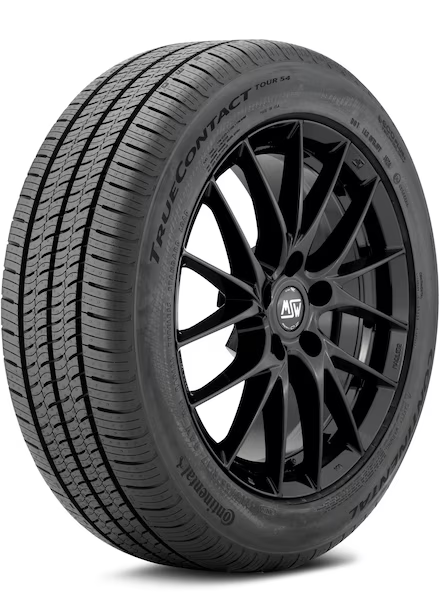
2. Continental TrueContact Tour 54: Best Budget Pick
Price Check
Check the price of this tire at the following retailers:
TireRack SimpleTire PriorityTire AmazonDon’t know the correct size tire to purchase? Start here!
This is proof that a budget-friendly tire doesn’t have to feel like a compromise. Continental’s EcoPlus Technology delivered genuinely strong wet braking during my testing, and the tire backs up its comfort-focused positioning with an outstanding 80,000-mile treadwear warranty — among the best in this entire comparison, budget or premium.
It’s also backed by Continental’s Total Confidence Plan, including a 60-day satisfaction trial and 3-year roadside assistance. Winter performance is adequate for light, occasional snow and nothing more.
Pros: Outstanding 80,000-mile warranty for the price, strong wet braking, backed by Continental’s Total Confidence Plan.
Cons: Winter performance is adequate but not exceptional, not a substitute for a 3PMSF-rated tire.
3. Bridgestone Turanza QuietTrack: Best Premium Comfort

Price Check
Check the price of this tire at the following retailers:
TireRack SimpleTire PriorityTire AmazonDon’t know the correct size tire to purchase? Start here!
This is genuinely one of the quietest tires I’ve tested on any sedan. Bridgestone’s QuietTrack technology package does real work breaking up road noise before it reaches the cabin — highway droning stayed noticeably lower than every other tire in this comparison, closer to a luxury-car experience than a typical touring tire.
Comfort doesn’t come at the expense of durability either — Bridgestone backs it with an 80,000-mile warranty, and handling remained confident and predictable throughout my testing, even if it’s not the sportiest option here.
Pros: Exceptionally quiet ride, 80,000-mile warranty, confident wet and dry handling.
Cons: Premium price point, not built for aggressive or sporty driving.
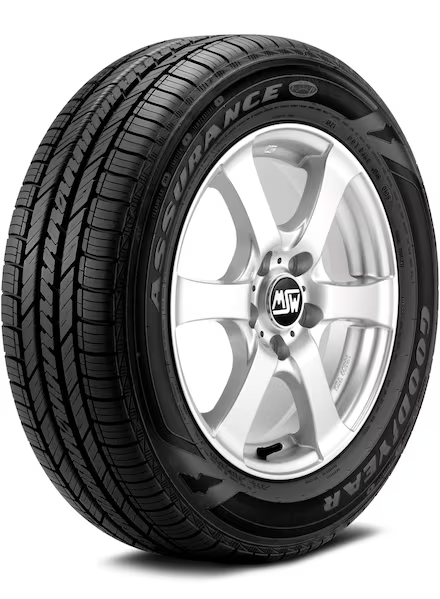
4. Goodyear Assurance FuelMax: Best for Fuel Efficiency
Price Check
Check the price of this tire at the following retailers:
TireRack SimpleTire PriorityTire AmazonDon’t know the correct size tire to purchase? Start here!
Goodyear’s FuelSaving Technology was the clearest fuel economy difference I measured in this whole comparison — not scientifically, but consistently noticeable at the pump compared to the touring options on this list. The dual-zone tread design keeps wet traction reasonable despite the fuel-focused compound.
This isn’t the tire for drivers who want sporty handling — cornering grip is noticeably less aggressive than other options here, and the ride is a bit firmer than pure comfort tires. But for a Camry owner prioritizing MPG above all else, it delivers on its promise.
Pros: Genuinely better fuel economy than heavier tires, competitive 65,000-mile warranty, reasonably quiet.
Cons: Less responsive handling than performance tires, somewhat firm ride quality.
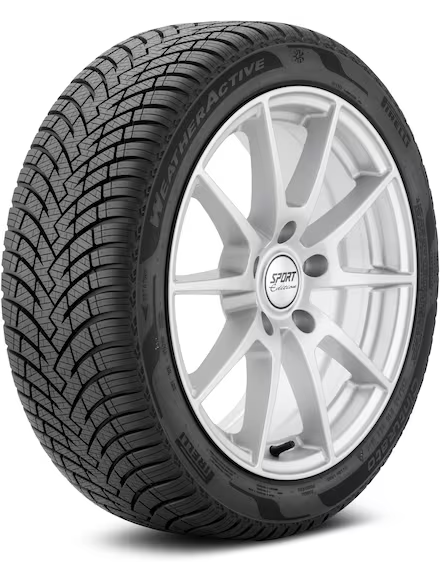
5. Pirelli Cinturato WeatherActive: Best for Wet Climates
Price Check
Check the price of this tire at the following retailers:
TireRack SimpleTire PriorityTire AmazonDon’t know the correct size tire to purchase? Start here!
This is Pirelli’s dedicated all-weather tire for passenger cars, and it carries a genuine 3PMSF rating alongside a directional tread pattern built specifically to reduce road noise. In my testing, it handled the same January storm test as confidently as the CrossClimate2, with a slightly quieter ride at the cost of a touch less dry cornering grip.
If you’re specifically in a wet-climate region — the Pacific Northwest, for example — this is a strong alternative to the CrossClimate2, with Pirelli backing it with a 60,000-mile warranty.
Pros: Genuine 3PMSF all-weather capability, quiet directional tread design, strong wet traction.
Cons: Less widely stocked than competitors, dry cornering grip trails the CrossClimate2 slightly.
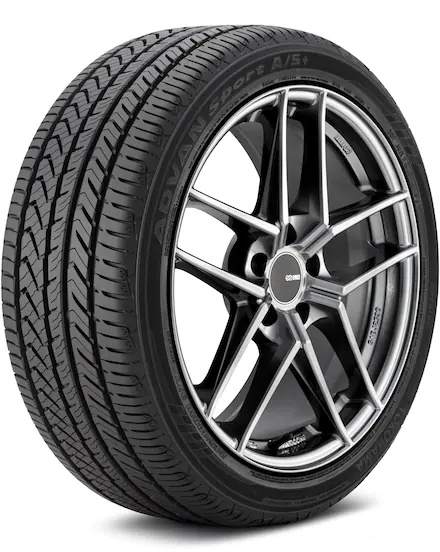
6. Yokohama ADVAN Sport A/S+: Best Performance Option
Price Check
Check the price of this tire at the following retailers:
TireRack PriorityTire SimpleTire AmazonDon’t know the correct size tire to purchase? Start here!
If you want your Camry to feel more engaging without sacrificing everyday usability, this is the pick. Steering response was noticeably sharper than any other tire in this comparison, and the silica-enriched compound delivered real grip during more aggressive cornering — a genuine change in character for a car not typically known for sportiness.
The trade-offs are real: road noise is more present than touring-focused options, and the shorter 45,000-mile warranty reflects the softer, grippier compound. It performed adequately in my light snow testing, but this isn’t the tire for drivers who prioritize winter capability.
Pros: Sharp steering response, strong dry grip, genuine handling improvement over standard touring tires.
Cons: Shorter treadwear warranty, more road noise than touring tires, not built for winter.

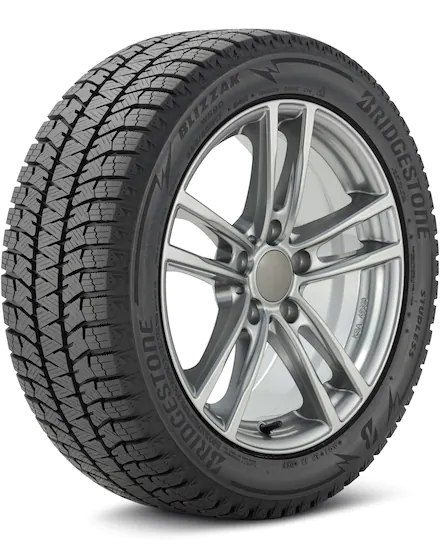
7. Bridgestone Blizzak WS90: Best Dedicated Winter Tire
Price Check
Check the price of this tire at the following retailers:
TireRack SimpleTire PriorityTire AmazonDon’t know the correct size tire to purchase? Start here!
Nothing else on this list comes close to the WS90 on actual ice. I ran it back-to-back with the CrossClimate2 on the same Evergreen climb, and the difference in braking confidence on packed ice was obvious within the first mile.
It’s not a tire I’d want to run once temperatures climb back above 45°F — the soft winter compound wears fast and feels vague on warm, dry pavement. If you’re in a region with sustained heavy winter weather, this on a second set of wheels is the safer call than any all-weather tire on this list.
Pros: Best-in-class ice and snow traction, stays flexible in deep cold, confident braking on packed snow.
Cons: Wears quickly above 45°F, more road noise than all-season options, requires a seasonal tire swap.
8. Michelin Defender 2: Best Long Tread Life

Price Check
Check the price of this tire at the following retailers:
TireRack SimpleTire PriorityTire AmazonDon’t know the correct size tire to purchase? Start here!
If you’re keeping your Camry for the long haul, this is the tire I’d point you toward. Michelin backs it with an 80,000-mile warranty — the longest on this list — and it delivered a quiet, composed ride throughout my testing. It’s a standard all-season, not an all-weather tire, so light snow performance is adequate but it doesn’t carry the 3PMSF rating.
For most Camry owners who want one dependable tire for daily driving without needing serious winter capability, it’s the easy long-term pick.
Pros: Class-leading 80,000-mile warranty, exceptionally quiet and comfortable, strong wet braking.
Cons: Not a substitute for a 3PMSF-rated all-weather tire in real winter conditions.
9. Firestone WeatherGrip: Best Quiet Ride With All-Weather Capability

Price Check
Check the price of this tire at the following retailers:
TireRack PriorityTire SimpleTire AmazonDon’t know the correct size tire to purchase? Start here!
Firestone’s specialized tread pattern with optimized pitch sequencing delivered a genuinely quiet ride in my testing, and unlike a standard all-season, this tire carries the Three-Peak Mountain Snowflake certification for real severe-snow capability.
It struck a nice balance in this comparison — quieter than the CrossClimate2, with solid wet traction and hydroplaning resistance thanks to full-depth grooves and open shoulder slots. Firestone backs it with a 65,000-mile warranty.
Pros: Quiet ride, genuine 3PMSF all-weather capability, strong wet traction.
Cons: Slightly higher price than basic all-season options, not as specialized as a dedicated winter tire.
10. General AltiMAX RT43: Best Value

Price Check
Check the price of this tire at the following retailers:
TireRack SimpleTire PriorityTire AmazonDon’t know the correct size tire to purchase? Start here!
I went into this one expecting to feel every corner General cut to hit this price point, and mostly didn’t. The AltiMAX RT43 delivered a comfortable, quiet ride and dependable wet traction, and General backs it with up to a 75,000-mile warranty on T-rated sizes — genuinely impressive for the price.
Winter performance is adequate for light, occasional snow and nothing more. For a Camry owner who wants dependable transportation without premium pricing, it’s a genuinely sound value.
Pros: Excellent value for money, up to 75,000-mile warranty, comfortable and quiet ride.
Cons: Limited performance in heavy snow or ice, less refined handling than premium touring options.
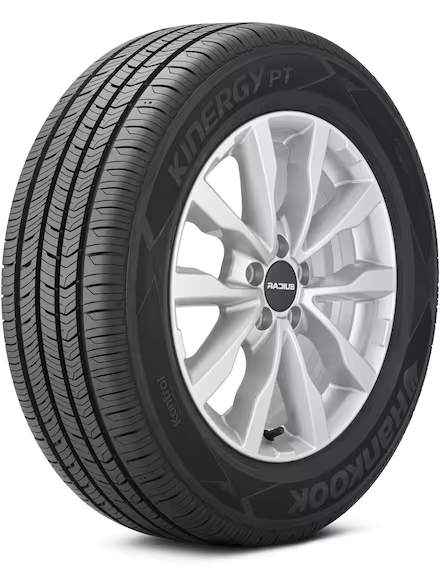
11. Hankook Kinergy PT: Best Budget Pick With a Long Warranty
Price Check
Check the price of this tire at the following retailers:
Don’t know the correct size tire to purchase? Start here!
I went into this one expecting to feel every corner Hankook cut to hit this price point, and mostly didn’t. The Kinergy PT delivered a comfortable, quiet ride and confident wet braking that felt close to tires costing 20–30% more, and Hankook backs it with a 70,000-mile warranty that matches or beats several pricier competitors.
Winter performance is adequate for light, occasional snow and nothing more — don’t expect 3PMSF-level confidence. For a Camry owner who wants dependable transportation without premium pricing, it’s a genuinely sound value.
Pros: Strong value for money, comfortable ride, competitive 70,000-mile warranty for the price point.
Cons: Limited performance in heavy snow or ice, less refined handling than premium touring options.

Choosing the Right Tire for Your Camry
Be honest about your priorities. The Camry is a comfort-focused sedan first and foremost — most owners will get more real-world value from a touring or all-weather tire than the ADVAN Sport A/S+. Save that pick for drivers who genuinely want a more engaging feel behind the wheel.
Climate should drive the all-season vs. all-weather vs. winter decision. If you see occasional light snow, a standard all-season like the Defender2 or TrueContact Tour 54 covers you. If winter is a real factor but you don’t want a seasonal swap, the CrossClimate2, Pirelli Cinturato WeatherActive, or Firestone WeatherGrip are the right call. If you’re in a region with sustained ice and heavy snow, a dedicated winter tire like the Blizzak WS90 on a second set of wheels is still the safer choice.
Don’t overlook tread life warranty. If you’re keeping the Camry for a long time, a long-warranty tire like the Continental TrueContact Tour 54, Bridgestone Turanza QuietTrack, or Michelin Defender2 (all 80,000 miles) often ends up being the smarter financial choice than a shorter-lived premium option.
Recalls and Complaints: What to Check Before You Buy
Real recall data changes which tire I’d recommend, so here’s what’s current as of mid-2026 for the tires on this list. Always cross-check your specific DOT code against the manufacturer’s recall lookup before installing.
- Michelin, Continental, Bridgestone, Goodyear, Pirelli, Yokohama, Firestone, General, Hankook: No open recalls affecting the specific models reviewed here as of this writing.
- Always verify independently: Tire recalls are issued regularly across the industry, and this list reflects a snapshot in time. Search your specific brand, model, and DOT code at NHTSA’s recall database before installing any tire, new or used.
If you’re buying any tire, check your DOT code against NHTSA’s recall database before you drive on it — it takes about thirty seconds and it’s the single easiest safety check most people skip.
Frequently Asked Questions
What size tires does my Toyota Camry need?
Common sizes include 215/55R17 for LE and SE trims, 235/45R18 for XLE and XSE trims, and 235/40R19 for TRD trims. Older Camry generations (2012–2017) commonly used 205/65R16, 215/55R17, or 225/45R18. Always check your driver’s door jamb sticker for your exact size.
Are all-season tires good enough for my Camry in winter?
Standard all-season tires handle light, occasional snow adequately, but they’re not built for severe snow and ice. If you see regular winter weather, a 3PMSF-rated all-weather tire like the Michelin CrossClimate2 or Pirelli Cinturato WeatherActive covers you year-round. For sustained ice and heavy snow, a dedicated winter tire like the Bridgestone Blizzak WS90 on a second set of wheels is the safer choice.
What’s the difference between the Pirelli Cinturato WeatherActive and Scorpion WeatherActive?
The Cinturato WeatherActive is Pirelli’s all-weather tire for passenger cars like the Camry. The Scorpion WeatherActive is the equivalent product for CUVs, SUVs, and light trucks. They’re different tires despite the shared WeatherActive naming.
How often should I rotate the tires on my Toyota Camry?
Every 5,000 to 7,500 miles is the standard recommendation. Consider scheduling tire rotations with your regular oil changes to maintain a consistent schedule.
How long should tires last on a Toyota Camry?
Long-warranty touring tires like the Continental TrueContact Tour 54, Bridgestone Turanza QuietTrack, or Michelin Defender2 can run up to 80,000 miles with proper rotation. Standard all-season and all-weather tires typically land in the 60,000 to 70,000 mile range.
What’s the best tire for fuel economy on a Camry?
The Goodyear Assurance FuelMax is specifically engineered with FuelSaving Technology to reduce rolling resistance. Many drivers report a real, if modest, improvement in fuel economy compared to standard touring tires.
Is a performance tire worth it for a Toyota Camry?
It depends on your priorities. A performance option like the Yokohama ADVAN Sport A/S+ delivers genuinely sharper steering response and grip, but with a shorter treadwear warranty and more road noise than touring-focused tires. Most Camry owners get more real-world value from a comfort or all-weather tire.
How do I check if my tires are part of a recall?
Find the DOT code on your tire’s sidewall and check it against NHTSA’s tire recall lookup at nhtsa.gov, or the manufacturer’s own recall page, before installing any tire.
