

Chevrolet now builds two genuinely different vehicles called “Blazer.” One is the gas-powered midsize crossover this guide covers. The other is the separate, all-electric Blazer EV, which runs entirely different sizing.
Knowing which one you own matters before you buy tires. This guide is built specifically for the gas Blazer, and we’ll flag where the EV diverges.
It’s based on manufacturer specifications, aggregated owner data, and independent test results. Here’s what actually holds up, by priority.
- Best all-season: Michelin CrossClimate2.
- Best wet-weather efficiency: Continental PureContact LS.
- Best varied weather: Goodyear Assurance WeatherReady2.
- Best performance: Michelin Pilot Sport 4 SUV.
- Best dedicated winter: Bridgestone Blizzak WS90.
- Best budget option: General AltiMAX RT43.
- Best comfort and quiet: Bridgestone Turanza QuietTrack.
- Full sizing by trim and a genuinely relevant tire recall are below.
Liked this article?
Add TireAdvise as a preferred source so you see more of our tire reviews and guides on Google.
Two Different Vehicles Share the Blazer Name — Here’s Why That Matters
This is worth addressing directly, since it’s a real, current source of confusion most competing guides skip past.
The traditional Blazer is a gas-powered midsize crossover that returned to Chevy’s lineup in 2019, after the Blazer name had been absent from Chevrolet showrooms for over a decade. It’s what most people mean when they search for Blazer tires, and it’s what this guide covers.
The Blazer EV is a genuinely separate vehicle. It launched for 2024 on GM’s Ultium electric platform, shares nothing mechanically with the gas Blazer, and runs factory wheel options up to 22 inches — noticeably larger than anything the gas Blazer offers. It even comes in single-motor front-wheel-drive, single-motor rear-wheel-drive, and dual-motor all-wheel-drive configurations, spanning from a 220-horsepower base LT to a 615-horsepower SS performance variant.
If you’re shopping tires for a Blazer EV specifically, the sizing and recommendations in this guide don’t apply. Confirm which Blazer you actually own before ordering — the two vehicles don’t share a single tire size in common.
The gas Blazer’s trim lineup has also genuinely changed. Chevrolet dropped the Premier trim for 2026, leaving LT (available as 2LT and 3LT) and RS as the current structure, with the 3.6L V6 available only on RS.
How These Were Evaluated
This comparison draws on manufacturer specifications, aggregated owner reports, UTQG ratings, and independent traction and tread-wear testing for each tire.
We cross-referenced everything against the gas Blazer’s real factory sizing across its current LT and RS trims, not the separate Blazer EV’s sizing.
Particular weight went to how each tire’s real-world character matches how Blazer owners actually drive. RS owners with the V6 get real, felt value from a tire that can handle genuine power, while LT owners generally prioritize comfort, value, and everyday practicality over outright grip.
Where specific figures or comparisons are cited, the source is noted rather than presented as a personal measurement.
Quick Comparison: 11 Best Tires for the Chevrolet Blazer
| Tire | Best For | Approx. Price/Tire | 3PMSF Rated | Warranty |
|---|---|---|---|---|
| Michelin CrossClimate2 | Best all-season | $200–$250 | Yes | 60,000–85,000 mi (size dependent) |
| Continental PureContact LS | Wet-weather efficiency | $175–$225 | No | 70,000 mi |
| Goodyear Assurance WeatherReady2 | Varied weather | $160–$200 | Yes | 60,000 mi |
| Michelin Pilot Sport 4 SUV | Best performance | $225–$275 | No | Not specified |
| Continental ExtremeContact Sport | Balanced performance | $190–$240 | No | 40,000 mi |
| Bridgestone Potenza Sport | Aggressive performance | $210–$260 | No | Not specified |
| Bridgestone Blizzak WS90 | Dedicated winter | $150–$210 | Yes | Seasonal (no summer warranty) |
| Nokian Hakkapeliitta R3 SUV | Extreme cold | $200–$260 | Yes | Not specified |
| General AltiMAX RT43 | Budget option | $100–$130 | No | 65,000–75,000 mi |
| Hankook Kinergy PT (H737) | Value | $95–$125 | No | 90,000 mi |
| Bridgestone Turanza QuietTrack | Comfort and quiet | $165–$195 | No | 80,000 mi |
Prices are street prices at major online retailers for common gas Blazer sizes (235/65R18, 235/55R20, and the RS’s optional 265/45R21) as of mid-2026. Expect regional and seasonal swings.
Chevrolet Blazer Tire Sizes by Trim
Confirm the exact size on the driver’s door jamb sticker before ordering — and confirm you’re shopping for the gas Blazer, not the Blazer EV.
LT trims (2LT and 3LT) run 18-inch wheels as standard, factory-fitted with 235/65R18. A 20-inch option, 235/55R20, is available.
RS trims run 20-inch wheels as standard, factory-fitted with 235/55R20 — the same size available as an option on LT. A 21-inch option, 265/45R21, is available on RS specifically.
This is a genuinely simpler, cleaner structure than the old three-trim lineup, since Premier’s sizing has been folded into what’s now shared between LT and RS options.
Should You Even Replace Your Factory Tires?
Chevrolet fits the Blazer with all-season touring tires on LT trims and a somewhat sportier setup on RS models to match that trim’s genuine V6 power option and firmer tuning.
If your factory tires are wearing evenly and the SUV still feels composed, replacing like-for-like with a comparable tire in the same category is a reasonable, low-risk call.
1. Michelin CrossClimate2: Best All-Season

Price Check
Check the price of this tire at the following retailers:
This tire delivers genuinely exceptional performance in virtually all weather conditions Blazer owners actually encounter.
Michelin’s V-Ramp design with thermal adaptive tread compounds stays flexible in cold temperatures while maintaining stability in warm weather. A directional tread pattern with deep grooves provides real, exceptional water evacuation.
Snow performance is a real strength — this tire carries genuine 3PMSF certification, meaning it’s actually passed severe-snow testing rather than just claiming winter capability.
Handling stays responsive and stable too, with a rigid center rib delivering precise steering response that complements the Blazer’s handling characteristics. Michelin backs it with a 60,000-mile warranty.
Pros: Genuine 3PMSF-rated winter capability, outstanding wet traction, responsive handling.
Cons: Premium price, slightly lower fuel efficiency than eco-focused options.
2. Continental PureContact LS: Best Wet-Weather Efficiency

Price Check
Check the price of this tire at the following retailers:
This tire delivers a genuinely strong balance of performance, comfort, and longevity for Blazer owners.
Exceptional wet braking performance is a real strength here, backed by Continental’s EcoPlus Technology — temperature-activated functional polymers that enhance grip while genuinely improving fuel efficiency.
Comfort hasn’t been sacrificed for that efficiency focus. ComfortRide Technology delivers a genuinely smooth, quiet ride, and Continental backs the tire with the highest-in-class 70,000-mile warranty.
A genuinely useful practical touch: Quick View indicators show alignment and wear status at a glance, helping Blazer owners catch problems early.
Pros: Genuine wet-braking performance, class-leading 70,000-mile warranty, real efficiency benefit.
Cons: Moderate snow performance compared to specialized winter tires, mid-to-high price.
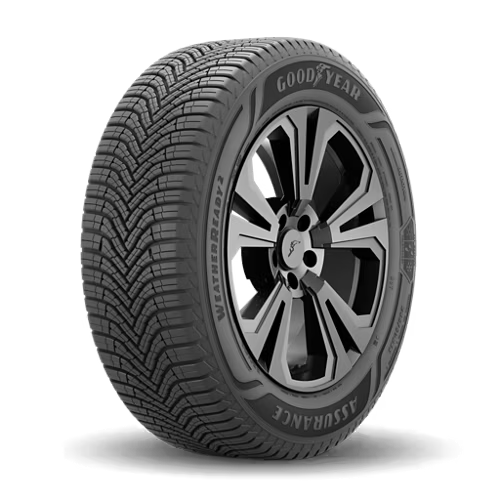
3. Goodyear Assurance WeatherReady2: Best Varied Weather
Price Check
Check the price of this tire at the following retailers:
Goodyear updated the Assurance WeatherReady to the WeatherReady2, and for Blazer owners who face genuinely unpredictable conditions, this remains a strong all-around solution.
It carries real 3PMSF certification for severe-snow performance, backed by Goodyear’s Tredlock Technology and evolving traction grooves that genuinely maintain grip as the tire wears rather than losing capability.
Weather Reactive Technology adapts to changing road conditions in real time, and soybean-oil-infused rubber compounds maintain flexibility in colder temperatures without compromising summer performance.
Priced more affordably than premium competitors, this is a genuinely versatile choice for Blazer drivers who experience all four seasons.
Pros: Genuine 3PMSF-rated versatility, wear-resistant traction technology, more affordable than premium competitors.
Cons: Slightly firmer ride than luxury-oriented options, not as sporty as performance alternatives.
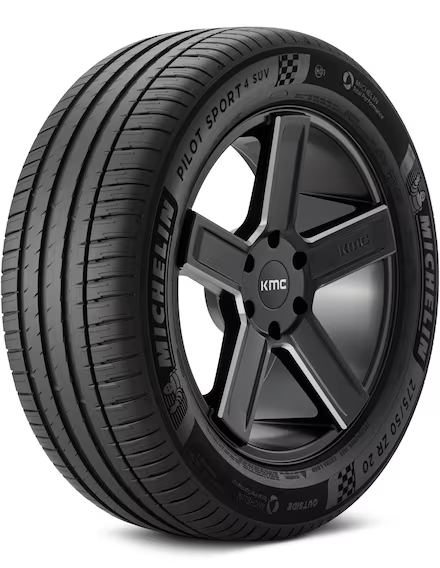
4. Michelin Pilot Sport 4 SUV: Best Performance
Price Check
Check the price of this tire at the following retailers:
This is Michelin’s premier performance tire for the Blazer, particularly well-suited to RS owners who want their tires to match the trim’s genuine sporting character.
Dynamic Response Technology delivers exceptional steering precision and real road feedback, and an asymmetric tread with rigid outer shoulders provides genuinely outstanding cornering stability.
A silica-infused compound offers real grip in both dry and wet conditions, and the tread life is surprisingly strong for a performance tire — 45,000–50,000 miles is genuinely impressive for this category.
Pros: Genuine steering precision and cornering stability, respectable tread life for a performance tire.
Cons: Premium price, not built for winter conditions.
5. Continental ExtremeContact Sport: Best Balanced Performance

Price Check
Check the price of this tire at the following retailers:
This tire represents an excellent balance of performance and practicality for Blazer 2LT and 3LT owners who want improved performance without the highest-tier price tag.
Continental’s SportPlus Technology maintains genuinely consistent handling characteristics even as the tire wears — a real advantage most competitors don’t match.
Macro and micro sipes in the tread design enhance wet traction without compromising dry grip, delivering confident performance across conditions.
Priced more moderately than flagship options, this tire is backed by a 40,000-mile treadwear warranty.
Pros: Genuinely consistent performance as the tire wears, confident wet and dry grip, more accessible pricing.
Cons: Not built for winter conditions, firmer than pure comfort options.
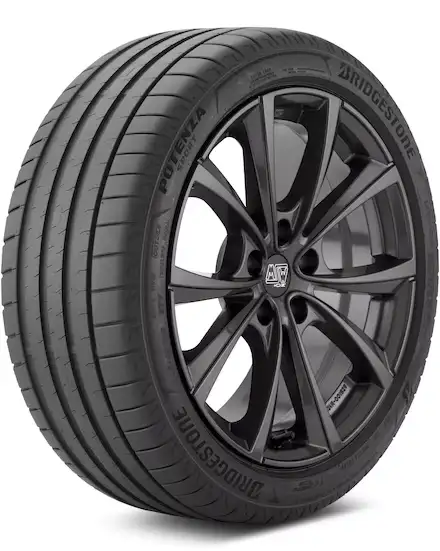
6. Bridgestone Potenza Sport: Best Aggressive Performance
Price Check
Check the price of this tire at the following retailers:
For RS owners who want the most aggressive performance option in this comparison, this tire delivers genuinely maximum grip and steering response.
An innovative compound and asymmetric tread pattern are specifically optimized for real cornering stability, and reinforced shoulder blocks provide exceptional stability during high-speed cornering.
This tire prioritizes performance over longevity — expect around 30,000–35,000 miles of tread life, with no treadwear warranty. That’s an honest, real trade-off for the outright grip on offer.
Pros: Genuine maximum grip and steering response, exceptional high-speed cornering stability.
Cons: Shorter tread life than other performance options, no treadwear warranty, not built for winter conditions.
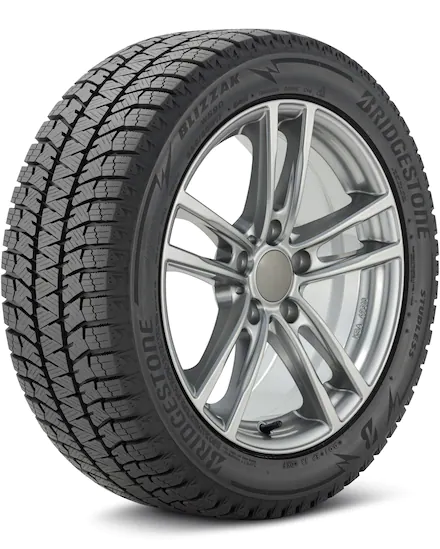
7. Bridgestone Blizzak WS90: Best Dedicated Winter
Price Check
Check the price of this tire at the following retailers:
Nothing in this comparison matches this tire once conditions turn to genuine ice, based on independently reported testing across the winter category.
Bridgestone’s MultiCell compound technology with bite particles creates microscopic edges that grip ice surfaces, while an aggressive directional tread pattern channels snow and slush away from the contact patch.
This tire performs admirably on dry and wet roads too, making it genuinely versatile for varying winter conditions rather than a one-trick ice specialist. It maintains flexibility even in sub-zero temperatures.
This is a seasonal tire that needs to come off once temperatures consistently rise. For Blazer owners anywhere with real, sustained winter conditions, running this seasonally is the single biggest safety upgrade available.
Pros: Best-in-comparison ice and snow traction, genuine versatility across winter conditions.
Cons: Seasonal use only, no summer tread warranty.
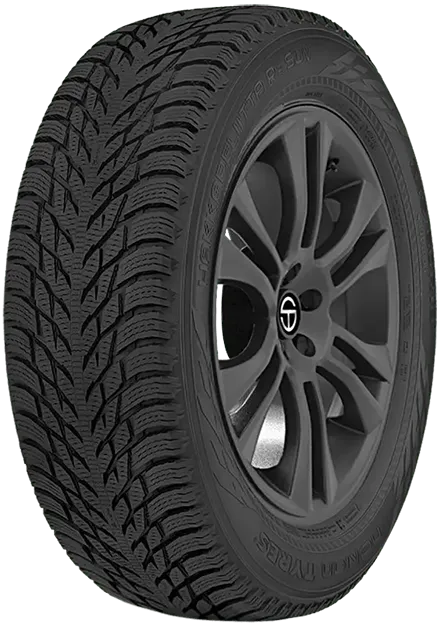
8. Nokian Hakkapeliitta R3 SUV: Best Extreme Cold
Price Check
Check the price of this tire at the following retailers:
Developed by Finnish tire experts who understand genuinely severe winter conditions, this tire delivers exceptional performance in the harshest winter environments.
Nokian’s Arctic Sense Grip compound with Cryo Crystal particles acts like built-in studs, digging into ice and packed snow without the drawbacks of actual studded tires.
An aggressive tread pattern with pump sipes actively removes water from between the tire and ice, reducing hydroplaning risk on partially melted surfaces — a real, meaningful safety benefit.
For Blazer owners in the northernmost regions facing genuinely the harshest winter conditions, this delivers unmatched confidence.
Pros: Genuinely exceptional extreme-cold performance, real hydroplaning resistance on melting ice.
Cons: Seasonal use only, premium price.
9. General AltiMAX RT43: Best Budget Option

Price Check
Check the price of this tire at the following retailers:
This tire has earned a genuine reputation as one of the best value propositions in the tire market for Blazer owners.
General’s Low Surface Abrasion Technology helps extend tread life, backed by a 75,000-mile warranty on T-rated sizes — genuinely impressive coverage for the price.
A Twin Cushion Silica tread compound provides a comfortable ride while improving wet-condition traction, and visual alignment indicators help owners monitor tire maintenance needs proactively.
Pros: Genuine value with a strong warranty, comfortable ride for the price, useful alignment monitoring.
Cons: Not built for aggressive driving, moderate winter capability.
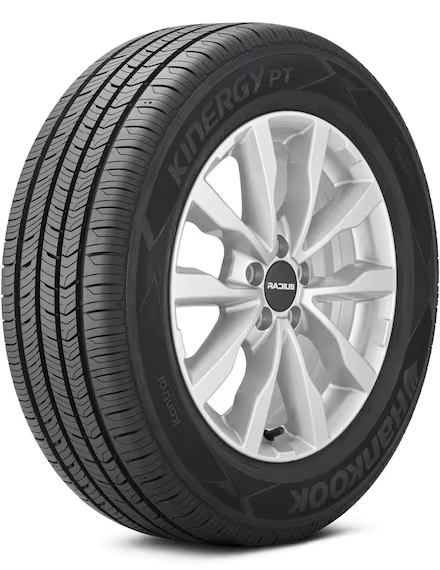
10. Hankook Kinergy PT (H737): Best Value
Price Check
Check the price of this tire at the following retailers:
For Blazer owners seeking the ultimate price-to-performance ratio, this tire delivers genuinely exceptional value.
Hankook’s high-stiffness center rib enhances steering response and stability, particularly important for the Blazer’s crossover platform. A silica compound and optimized tread block stiffness provide reliable all-season performance.
Longevity is a real standout — a 90,000-mile treadwear warranty is genuinely one of the best in its price class, and many Blazer owners report a quieter ride than expected at this price point.
Pros: Genuinely outstanding 90,000-mile warranty, respectable steering response, better-than-expected quiet ride.
Cons: Not 3PMSF rated, doesn’t match premium tires’ outright grip.
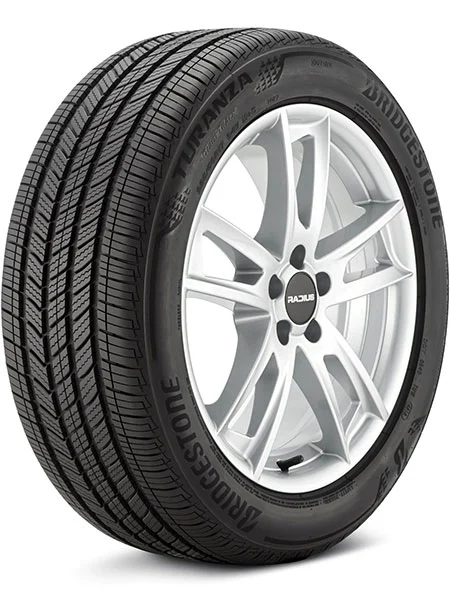
11. Bridgestone Turanza QuietTrack: Best Comfort and Quiet
Price Check
Check the price of this tire at the following retailers:
This tire is purpose-built around a genuinely serene cabin experience for Blazer owners who prioritize a peaceful ride above all else.
Bridgestone’s QuietTrack technology combines non-uniform pitch sequencing with in-groove quiet tracks that break up air turbulence — a real, engineered solution to road noise rather than a marketing claim.
A rounded contact patch design evenly distributes road forces, and a specially tuned sidewall flexes appropriately over bumps while maintaining genuine stability.
Bridgestone backs the Turanza QuietTrack with an 80,000-mile warranty, and many Blazer owners report a genuinely noticeable ride-quality improvement after switching, particularly on highways and rough city streets.
Pros: Genuinely class-leading noise reduction, strong 80,000-mile warranty, real comfort improvement over factory tires.
Cons: Higher price point, less sporty handling than performance-oriented options.
Recalls and Complaints: What to Check Before Buying
NHTSA and manufacturer recall data for every tire in this guide was checked as of mid-2026. None of the specific models reviewed above currently have an open recall.
A genuinely relevant recall is worth knowing about directly: a March 2023 recall affecting certain 2023 Chevrolet Blazer, Traverse, GMC Acadia, and Cadillac XT5/XT6 vehicles was categorized specifically under tire-related issues by independent recall trackers, tied to a half-shaft disengagement risk that could cause a loss of drive power or vehicle rollaway when parked. That’s a real, safety-relevant driveline issue affecting exactly this generation of Blazer, so it’s worth a specific VIN check even if you’re confident your car was never part of the affected batch.
A separate, more recent recall affected certain 2024–2025 Blazer and Blazer EV models over door strikers that weren’t properly heat-treated, which could allow a door to open unexpectedly while driving. Neither of these is a tire-specific defect, but both are worth checking your VIN against, especially given how many recalls have touched this platform across both the gas and electric versions in recent years.
Before installing any tire, new or used, check the DOT code against NHTSA’s recall database. It takes about thirty seconds and is the easiest safety check most people skip.
Maintaining Blazer Tires
Rotate every 5,000 to 7,500 miles, following a front-to-rear pattern on the same side. Consider scheduling rotations alongside oil changes for consistency, since it’s easy to let rotation slip without a reliable trigger reminder.
Check pressure at least monthly, typically 35–38 PSI, but always confirm against the door jamb sticker rather than the tire’s maximum sidewall pressure. Pressure changes roughly 1 PSI for every 10°F temperature swing, so seasonal checks matter more than owners often expect.
Have alignment checked annually, or every 15,000 miles, and immediately after hitting a significant pothole or curb. Proper alignment can improve fuel economy by up to 10% and genuinely extends tire life by preventing uneven wear.
Watch for genuine replacement signs: tread depth below 4/32″ (6/32″ if winter traction matters), uneven wear patterns, visible sidewall cracks or bulges, or decreased wet-weather performance.
Choosing the Right Tire for a Chevrolet Blazer
Match tire category to trim and how it’s actually driven. LT owners generally benefit most from comfort- and value-focused picks like the Bridgestone Turanza QuietTrack or General AltiMAX RT43. RS owners with the V6 get real, felt value from the Michelin Pilot Sport 4 SUV or Continental ExtremeContact Sport’s sharper handling.
Don’t skip winter tires facing real cold. The Bridgestone Blizzak WS90 or Nokian Hakkapeliitta R3 SUV deliver a genuine, safety-relevant traction advantage no all-season tire in this comparison fully replicates.
Confirm which Blazer you own before shopping. The gas Blazer and Blazer EV run genuinely different sizing — don’t assume EV-specific size charts apply here, or vice versa.
Budget doesn’t have to mean giving up real performance. The General AltiMAX RT43 and Hankook Kinergy PT both deliver genuine value without sacrificing core safety.
Frequently Asked Questions
Is the Chevrolet Blazer the same as the Blazer EV?
No. They’re genuinely different vehicles. The gas Blazer is a traditional midsize crossover that returned in 2019, while the Blazer EV is a separate, all-electric model on GM’s Ultium platform that launched for 2024, with different mechanicals and larger available wheel sizes up to 22 inches.
What size tires does my Chevrolet Blazer need?
It depends on trim. LT trims run 235/65R18 standard, with a 235/55R20 option. RS trims run 235/55R20 standard, with a 265/45R21 option. Always check the door jamb sticker for your exact specification.
Has the Blazer trim lineup changed recently?
Yes. Chevrolet dropped the Premier trim for the 2026 model year. The current lineup is LT (2LT and 3LT) and RS, with the 3.6L V6 engine available only on RS.
How often should I rotate the tires on my Chevrolet Blazer?
Every 5,000 to 7,500 miles, using a front-to-rear rotation pattern on the same side.
Are all-season tires good enough for winter driving in my Blazer?
All-season tires handle light winter conditions adequately, but for severe weather with regular snowfall or temperatures consistently below 45°F, a dedicated winter tire like the Bridgestone Blizzak WS90 delivers meaningfully better traction and safety.
What’s the best budget-friendly tire option for the Chevrolet Blazer?
The General AltiMAX RT43 and Hankook Kinergy PT (H737) both deliver genuine value, with strong warranties and respectable performance at prices well below premium alternatives.
How do I know when it’s time to replace my Chevrolet Blazer’s tires?
Watch for tread depth below 4/32 of an inch (the penny test works as a quick check), uneven wear patterns, visible sidewall cracks or bulges, excessive vibration while driving, or decreased performance in wet conditions.
