

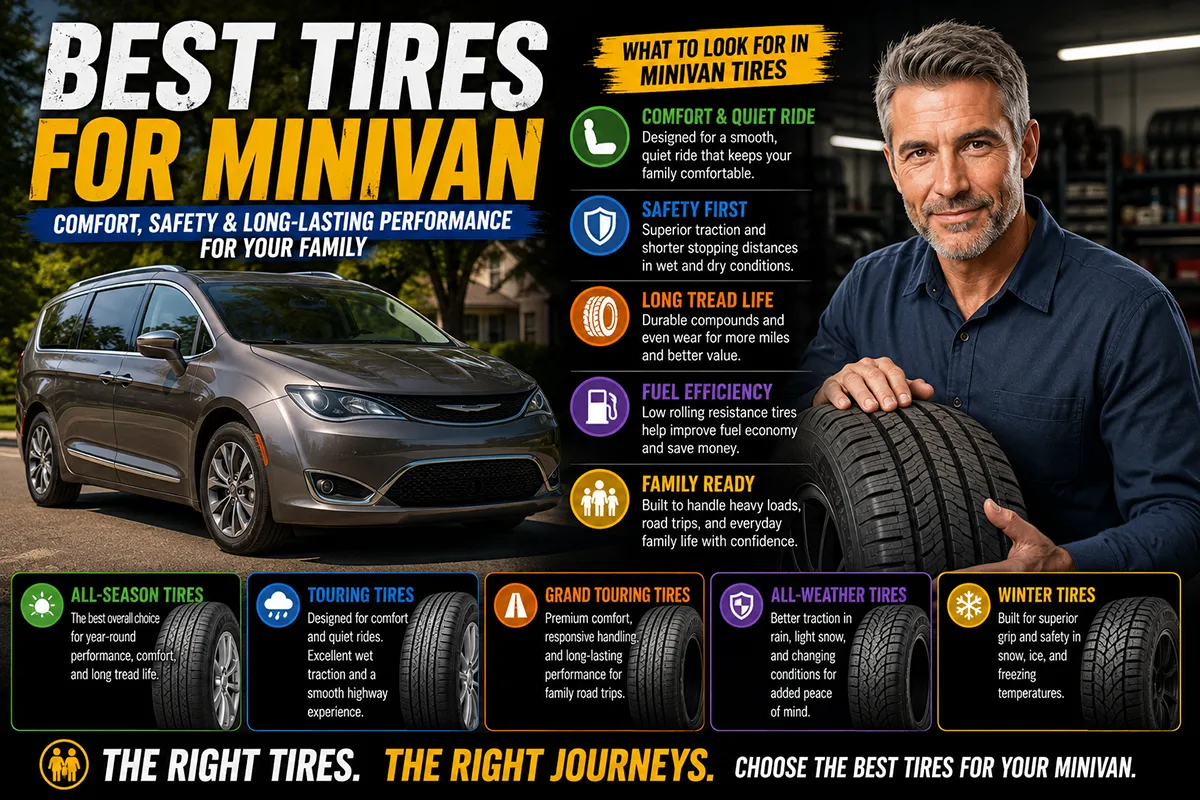
A fully loaded minivan can weigh over 5,500 pounds — heavier than many midsize SUVs — with all that weight riding on four relatively narrow contact patches.
That means minivan tires have real, specific demands: high load capacity, genuinely strong wet traction, low noise in a large, flat cabin, and long tread life for high-mileage family use.
This guide is built from manufacturer specifications, aggregated owner data, and independent test results. Here’s what actually holds up, by priority.
- Best overall: Michelin Defender 2.
- Best value: Continental TrueContact Tour.
- Best for wet roads: Bridgestone Turanza QuietTrack.
- Best budget pick: Cooper Endeavor Plus.
- Best highway comfort: Pirelli P7 AS Plus 3.
- Best tread life: Goodyear Assurance MaxLife.
- Best all-weather, no seasonal swap: Michelin CrossClimate2.
- Best dedicated winter: Bridgestone Blizzak WS90.
- Minivans need touring all-season tires with high load ratings — full sizing and honest trade-offs are below.
Liked this article?
Add TireAdvise as a preferred source so you see more of our tire reviews and guides on Google.
Why Minivan Tires Are Genuinely Different
Most people get handed whatever’s on sale in their size at a tire shop and drive off without a second thought. But minivans aren’t just big sedans, and that approach genuinely costs comfort and safety.
A fully loaded minivan’s weight sits on four relatively narrow contact patches, meaning the tires work harder than most drivers realize, especially during braking and cornering. Minivans also carry a higher center of gravity than sedans, making them more prone to body roll — tires with well-engineered sidewalls and real lateral grip help counteract that.
Comfort matters too. Minivan owners generally value a smooth, quiet ride, and the right tires can make a genuine difference in how refined the cabin feels on a long drive.
What to Look for in a Minivan Tire
Touring all-season category. This is the genuine sweet spot — grand touring or standard touring tires are engineered for exactly the driving minivans do.
High load index. Look for a load index of 99 or higher (varies by size), ensuring the tires safely support the van’s weight plus passengers and cargo.
Low road noise. Minivans amplify road noise because of their large, flat cabin. Tires with real noise-reduction technology make a genuine, felt difference.
Excellent wet traction. Hydroplaning resistance and short wet braking distances matter more here than in most vehicle categories, given how often minivans carry passengers.
Long tread life. Most minivan owners drive high annual mileage, so a tire that won’t need replacing every couple of years is a genuine, practical priority.
How These Were Evaluated
This comparison draws on manufacturer specifications, aggregated owner reports, UTQG ratings, and independent traction and tread-wear testing for each tire.
Particular weight went to ride comfort, road noise, wet traction, and tread life — the categories that matter most for how minivans actually get driven, day in and day out.
Where specific figures or comparisons are cited, the source is noted rather than presented as a personal measurement.
Quick Comparison: 11 Best Tires for Minivans
| Tire | Best For | Approx. Price/Tire | 3PMSF Rated | Warranty |
|---|---|---|---|---|
| Michelin Defender 2 | Best overall | $165–$220 | No | 80,000 mi |
| Continental TrueContact Tour | Best value | $145–$195 | No | 80,000 mi |
| Bridgestone Turanza QuietTrack | Wet roads | $155–$210 | No | 80,000 mi |
| Cooper Endeavor Plus | Budget pick | $115–$145 | No | 65,000 mi |
| Pirelli P7 AS Plus 3 | Highway comfort | $150–$200 | No | 70,000 mi |
| Goodyear Assurance MaxLife | Longest tread life | $140–$185 | No | 85,000 mi |
| Michelin CrossClimate2 | All-weather, no swap | $175–$230 | Yes | 60,000–85,000 mi (size dependent) |
| Bridgestone Blizzak WS90 | Dedicated winter | $150–$210 | Yes | Seasonal (no summer warranty) |
| Kumho Solus TA31 | Budget all-season | $95–$130 | No | 70,000 mi |
| General AltiMAX RT43 | Ultra-budget option | $90–$120 | No | 65,000–75,000 mi |
| Michelin Defender T+H | Alternative highway warranty pick | $150–$195 | No | 80,000 mi |
Prices are street prices at major online retailers for common minivan sizes (235/60R18 and 235/65R17) as of mid-2026. Expect regional and seasonal swings.
What Size Tires Does Your Minivan Need?
Confirm the exact size on the driver’s door jamb sticker before ordering — sizing varies by trim, not just model.
Honda Odyssey commonly runs 235/65R17 on LX and EX trims, stepping up to 235/60R18 on EX-L and Touring.
Toyota Sienna commonly runs 235/60R18 or 235/55R18 depending on trim and model year.
Chrysler Pacifica commonly runs 235/65R17 or 235/60R18 depending on trim.
Kia Carnival commonly runs 235/60R18 or 235/55R19 depending on trim.
Going wider or larger than the OEM specification can affect speedometer accuracy, ABS calibration, and stability control performance — stick with the door-jamb size unless you have a specific, confirmed reason to deviate.
Worth noting: Chrysler discontinued the Pacifica Plug-In Hybrid in early 2026, though the standard gas V6 Pacifica remains in production. If you’re shopping for a used Pacifica Hybrid specifically, confirm your exact trim’s sizing rather than assuming it matches the current gas lineup.
Should You Even Replace Your Factory Tires?
Minivans generally ship with touring all-season tires prioritizing comfort and quiet, consistent with the whole category’s family-first mission.
If your factory tires are wearing evenly and the ride still feels composed, replacing like-for-like with a comparable tire in the same category is a reasonable, low-risk call.
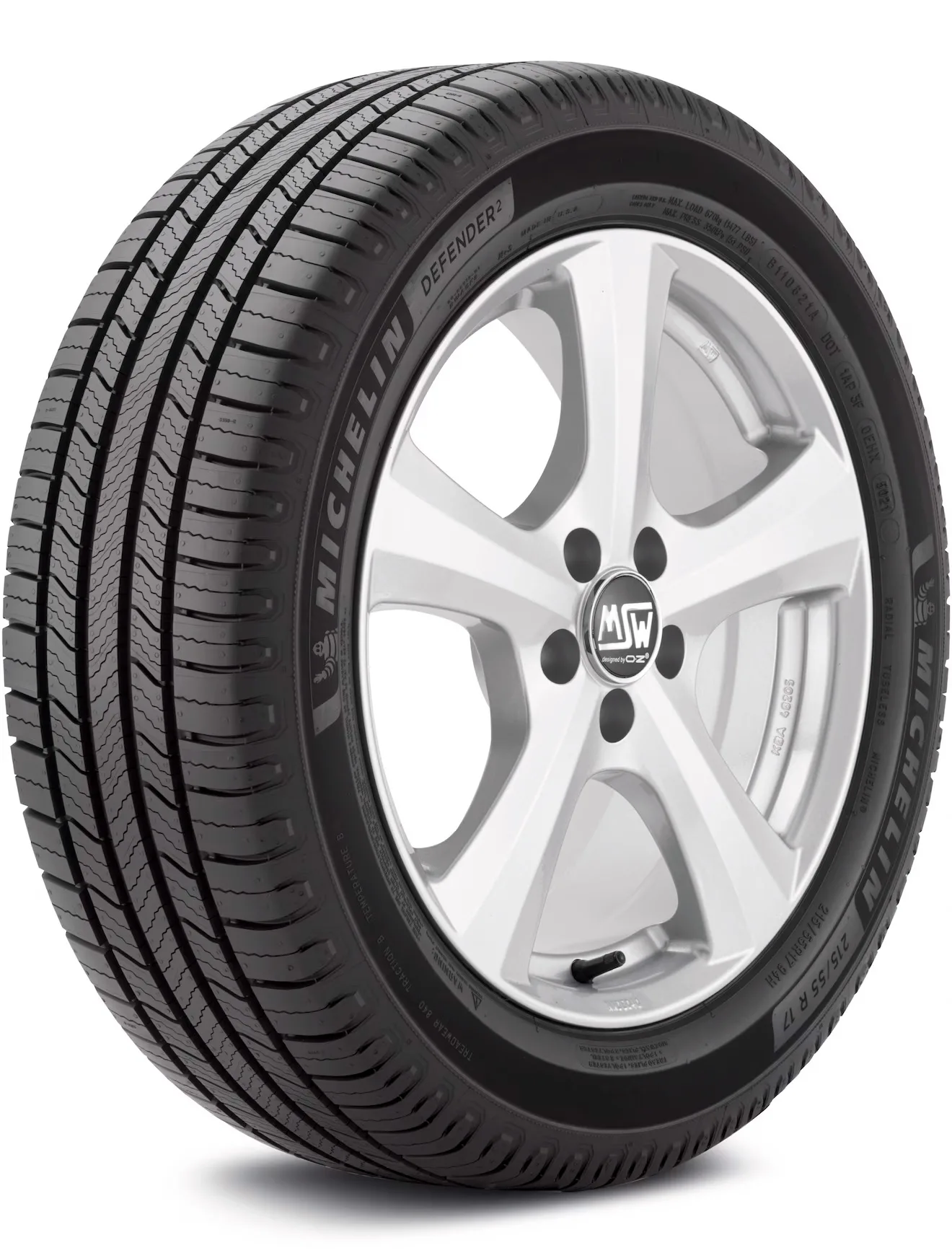
1. Michelin Defender 2: Best Overall
Price Check
Check the price of this tire at the following retailers:
This tire delivers genuinely the strongest overall balance of comfort, wet safety, and tread life in this comparison.
Michelin’s MaxTouch Construction optimizes the contact patch to distribute forces evenly across the tread, and the real, felt result is that road imperfections — expansion joints, patched pavement, manhole covers — get muted to a gentle thud rather than a harsh impact.
Wet traction is genuinely outstanding. Circumferential grooves evacuate water efficiently, and independently reported testing consistently places this tire among the strongest performers in sustained rain at highway speeds.
Road noise is remarkably low, and backed by an 80,000-mile warranty, real owner reports describe minimal, even wear over extended use — a genuine long-term value despite the premium price.
Pros: Genuinely exceptional ride comfort, strong wet-weather safety margin, class-leading tread life.
Cons: Premium price, not built for winter conditions.
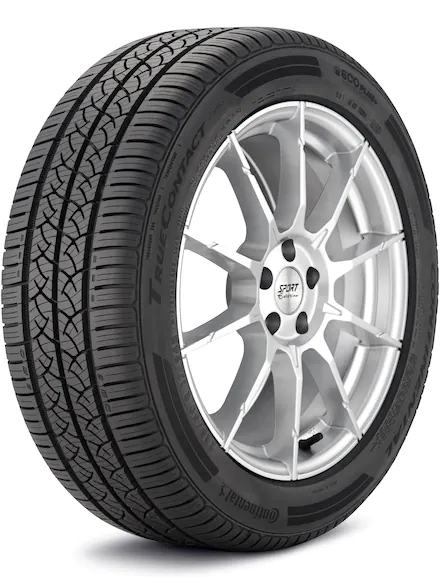
2. Continental TrueContact Tour: Best Value
Price Check
Check the price of this tire at the following retailers:
This tire comes remarkably close to the Defender 2’s performance at a meaningfully lower price.
Continental’s EcoPlus+ technology reduces rolling resistance while maintaining real grip, and independently reported wet-braking testing consistently places this tire near the top of the touring category — often just behind the Bridgestone QuietTrack.
Ride comfort is excellent, if a step behind the Michelin’s plushness, and Continental’s noise-dampening tread pattern keeps the cabin genuinely quiet even at highway speeds on notoriously loud concrete surfaces.
Backed by an 80,000-mile warranty, with real owner reports describing excellent, even wear — a full set typically costs $80–$120 less than the Defender 2 while giving up very little performance.
Pros: Genuine near-premium performance at a meaningfully lower price, strong 80,000-mile warranty, confident wet braking.
Cons: Slightly more road-texture feedback than the Defender 2, not built for winter conditions.
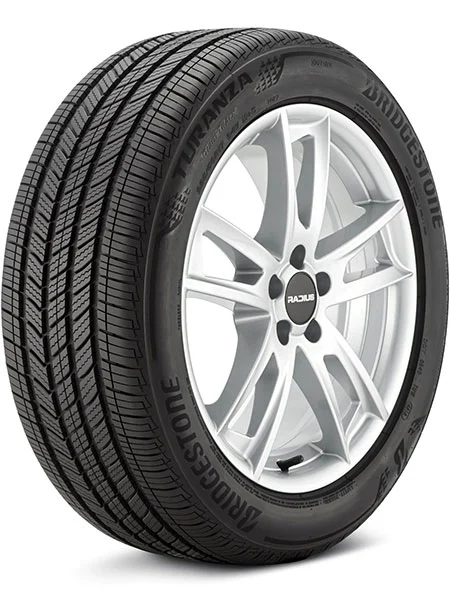
3. Bridgestone Turanza QuietTrack: Best for Wet Roads
Price Check
Check the price of this tire at the following retailers:
For minivan owners in genuinely rain-heavy climates — the Pacific Northwest and Southeast especially — this tire deserves serious attention.
Bridgestone’s dual-layer tread compound uses a softer outer layer for grip and a firmer base for stability, and the result is a tire that digs into wet pavement with real, tested confidence. Independently reported hydroplaning-resistance testing consistently places this tire among the strongest in the touring category.
Road noise is genuinely low, a hair behind the Michelin Defender 2 in absolute terms, and while the ride is slightly firmer than the Michelin or Continental, it’s not harsh. Dry handling is confident, with well-controlled body roll for a heavier vehicle.
Backed by an 80,000-mile warranty, this is the strongest pick for owners who prioritize wet-weather safety above all else.
Pros: Genuinely class-leading wet-weather performance, strong 80,000-mile warranty, well-controlled body roll for a heavy vehicle.
Cons: Slightly firmer ride than the Michelin or Continental options, not built for winter conditions.
4. Cooper Endeavor Plus: Best Budget Pick
Price Check
Check the price of this tire at the following retailers:
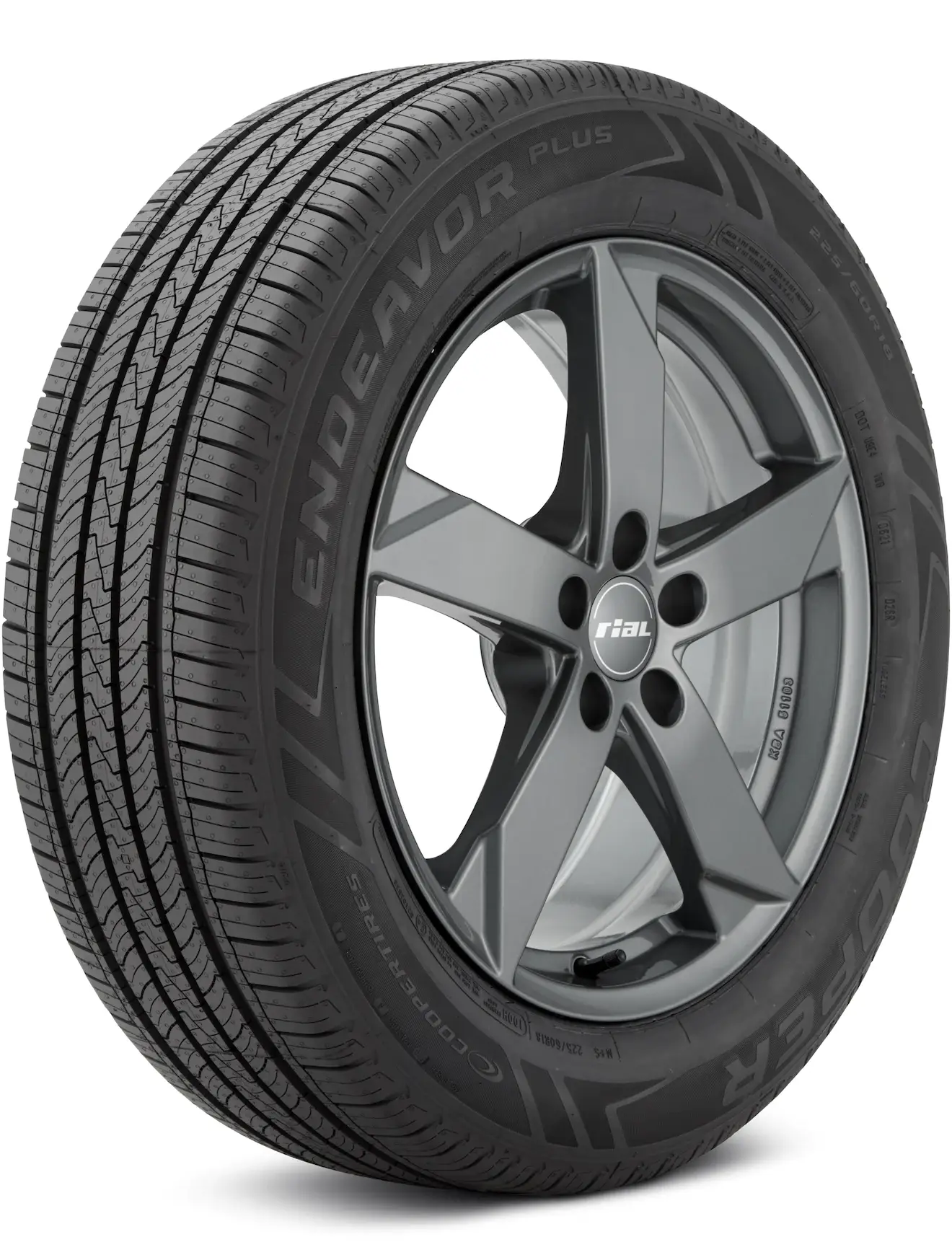
This tire delivers a genuinely reliable, capable touring tire that costs meaningfully less than the premium options in this comparison.
Ride comfort is genuinely good — real owner reports describe respectable absorption of bumps and road imperfections, with a bit more thump over large potholes than the premium picks, but a smaller gap than the price difference would suggest.
Wet traction is adequate rather than outstanding, the honest trade-off at this price point. It handles normal rain fine, with a UTQG traction rating of “B” in the wet category reflecting solid-but-not-exceptional performance in heavy downpours.
Backed by a 65,000-mile warranty, with a full set of four often available for under $500 before installation — genuine value for budget-conscious families.
Pros: Genuine value with respectable comfort, acceptable road noise, real affordability for a full set.
Cons: Wet traction trails the premium options, shorter warranty than most picks here.
5. Pirelli P7 AS Plus 3: Best Highway Comfort
Price Check
Check the price of this tire at the following retailers:
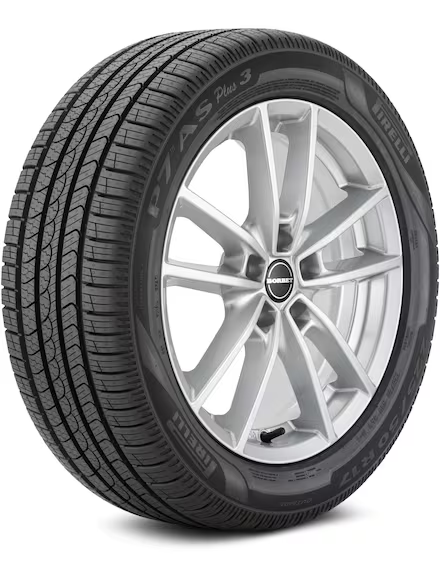
For minivans that spend most of their life on the highway — long commutes, frequent road trips — this tire is genuinely engineered for sustained cruising comfort.
Pirelli’s softer sidewall construction soaks up highway expansion joints and rough patches with real, felt smoothness, and road noise stays impressively low on smooth asphalt, with the tire maintaining neutral, straight-ahead composure that requires minimal steering correction.
The trade-off is honest: that softer sidewall means slightly more body lean in aggressive turns — a reasonable compromise for a minivan not built for spirited driving.
Wet performance is solid, earning an “A” traction rating, though the Bridgestone QuietTrack has a clear edge in truly heavy downpours. The compound stays pliable across a wide temperature range, delivering consistent grip from cold mornings to warm afternoons.
Pros: Genuinely serene highway ride, confident wet-weather grip, consistent performance across temperature swings.
Cons: More body lean in aggressive cornering, not built for winter conditions.
6. Goodyear Assurance MaxLife: Best Tread Life

Price Check
Check the price of this tire at the following retailers:
This tire earns its spot on genuine longevity — the longest treadwear warranty in this comparison, backed by real-world wear data that supports the claim.
Goodyear’s Wear Gauge indicators — small raised bars in the tread grooves — give owners a genuinely useful, visual way to track remaining tread life, a thoughtful touch few competitors offer.
All-season performance is a real strength. Independently reported cold-weather testing shows this tire maintaining solid grip on cold, dry pavement in near-freezing conditions, and wide circumferential grooves handle standing water effectively.
Ride comfort sits a step behind the Michelin and Pirelli, with a slightly firmer character some drivers genuinely prefer for a more planted feel. Backed by an 85,000-mile warranty — the strongest in this comparison.
Pros: Genuinely class-leading 85,000-mile warranty, confident cold-weather grip, useful built-in wear indicators.
Cons: Firmer ride than comfort-focused options, moderate road noise.
7. Michelin CrossClimate2: Best All-Weather, No Seasonal Swap

Price Check
Check the price of this tire at the following retailers:
For minivan owners who don’t want a dedicated winter tire but face real winter weather often enough that a standard all-season tire feels risky, this offers a genuine middle path.
It carries real 3PMSF certification and delivers significantly better cold-weather performance than a typical all-season tire, without requiring the seasonal changeover a dedicated winter tire demands.
A V-shaped tread with dense biting edges maintains solid traction in light to moderate snow, and dry-weather handling and tread life remain respectable — genuinely useful for a heavy vehicle where any real winter traction advantage matters.
Warranty coverage varies meaningfully by size, so confirm the specific figure for your exact fitment.
Pros: Genuine 3PMSF-rated winter capability without seasonal swapping, respectable dry handling, wide size availability.
Cons: Doesn’t match a dedicated winter tire on ice, premium price.
8. Bridgestone Blizzak WS90: Best Dedicated Winter
Price Check
Check the price of this tire at the following retailers:
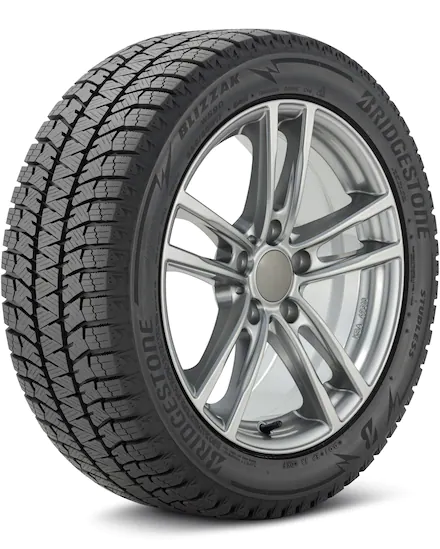
For minivan owners in regions with genuinely severe winters, this is the strongest, safest choice once temperatures and roads turn hostile.
Bridgestone’s MultiCell compound technology, with bite particles and a hydrophilic coating, actively draws water away from ice, delivering real, documented traction improvements over standard all-season tires. The compound stays flexible even in extreme cold.
An aggressive directional tread pattern with 3D zigzag sipes channels snow and slush away from the contact patch, and real owner reports describe confident handling and meaningfully shorter stopping distances in winter conditions — a genuine, safety-relevant margin given how much weight a loaded minivan carries into a stop.
This is a seasonal tire that needs to come off once temperatures climb consistently above 45°F.
Pros: Best-in-comparison ice and snow traction, genuinely important safety margin for a heavy vehicle.
Cons: Seasonal use only, no summer tread warranty, premium price.
9. Kumho Solus TA31: Best Budget All-Season
Price Check
Check the price of this tire at the following retailers:
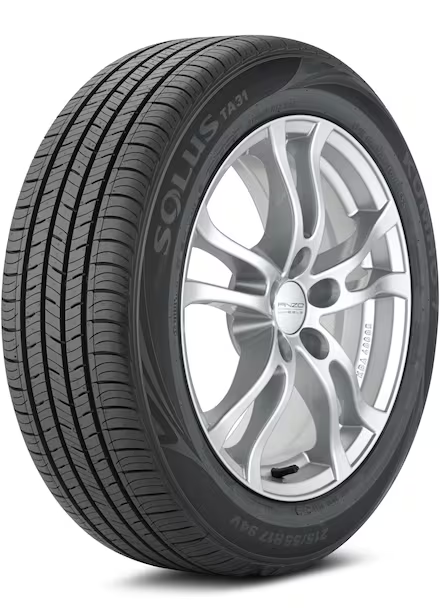
This tire delivers genuinely dependable touring performance at a price well below most competitors in this comparison.
A silica-enhanced compound provides real grip in both wet and dry conditions, and a symmetric tread pattern promotes even wear — a genuinely useful trait for a heavy vehicle prone to uneven tire wear from constant loading and unloading.
Comfort is respectable for the price, with real owner reports describing a quieter ride than expected at this price point, and backed by a 70,000-mile warranty that’s genuinely competitive against pricier options.
Pros: Genuine value with a strong 70,000-mile warranty, respectable comfort for the price, even wear characteristics.
Cons: Not 3PMSF rated, doesn’t match premium tires in extreme conditions.
10. General AltiMAX RT43: Best Ultra-Budget Option

Price Check
Check the price of this tire at the following retailers:
For minivan owners who want the lowest realistic entry price without sacrificing core safety, this tire delivers genuine value.
General’s Low Surface Abrasion Technology reduces tread distortion as the tire rolls, extending tread life meaningfully, and a twin-cushion silica compound provides a surprisingly comfortable, quiet ride for the price.
Backed by a 75,000-mile warranty for T-rated sizes — genuinely strong coverage relative to the price — with Anti-Slip Sipe Design Technology providing better-than-expected light-snow traction for a non-specialized tire.
Pros: Genuine value with a strong warranty, comfortable ride for the price, respectable light-snow capability.
Cons: Not 3PMSF rated, doesn’t match premium tires in extreme conditions.
11. Michelin Defender T+H: Best Alternative Highway Warranty Pick

Price Check
Check the price of this tire at the following retailers:
This is a genuine sibling to the Defender 2, built around similar priorities with a slightly different tuning that some minivan owners specifically prefer.
Michelin’s IntelliSipe technology provides real, consistent traction across a range of conditions, and MaxTouch Construction distributes driving forces evenly, contributing to genuinely even wear over the tire’s life.
Comfort remains a real strength, with well-controlled road noise, and backed by an 80,000-mile warranty matching the Defender 2’s coverage. For owners who’ve specifically had a strong experience with this model rather than the newer Defender 2, it remains a genuinely solid choice.
Pros: Genuine comfort and consistent traction, strong 80,000-mile warranty, well-controlled road noise.
Cons: Largely superseded by the Defender 2 for most buyers, premium price.
Common Mistakes When Buying Minivan Tires
Buying SUV or light truck tires. A minivan’s size doesn’t mean it needs SUV-rated tires. Minivans use passenger car tire sizes with passenger-rated load capacities, and SUV tires can alter ride quality without matching the van’s suspension geometry. Stick with touring all-season passenger tires in the OEM-specified size.
Prioritizing price above everything. Tires are the only contact point between a family and the road. A significantly cheaper no-name tire that adds real feet to wet braking distance is a genuine trade-off worth avoiding — the Kumho Solus TA31 or General AltiMAX RT43 deliver real value without that compromise.
Ignoring tire age. Even with adequate tread, rubber degrades over time. Tires older than six years should be replaced regardless of remaining tread — check the DOT code on the sidewall for the manufacture date.
Not rotating tires regularly. Minivans are front-heavy, with engine, transmission, and steering components concentrated up front, so front tires wear faster. Rotating every 5,000–7,500 miles, or roughly every other oil change, keeps wear even and extends tire life.
Skipping the alignment check. Minivans are particularly susceptible to alignment issues given their weight and constant loading and unloading. An alignment check when installing new tires can prevent costly premature wear.
Touring vs. Grand Touring vs. All-Season: What’s the Difference?
Standard touring tires focus on ride comfort and tread life — the bread-and-butter minivan category, prioritizing a smooth, quiet ride with good all-season traction. Most picks in this comparison fall here.
Grand touring tires step up handling precision and sometimes wet grip, occasionally trading a small amount of ride comfort for sportier response. The Bridgestone QuietTrack leans into this territory.
All-season is a broader category including both touring and non-touring tires — it means the tire is designed for spring, summer, and fall driving with light winter capability, but doesn’t by itself indicate comfort or noise level.
For minivan owners, starting the search in the touring all-season category is the right default.
Do Minivans Need Winter Tires?
For owners in the northern US who regularly drive through snow and ice, a dedicated winter tire set is genuinely worth the investment. All-season tires are a compromise by definition — acceptable in light snow but falling short once temperatures consistently drop below 40°F or roads pack down with ice.
The Bridgestone Blizzak WS90 or Michelin X-Ice Snow, in a minivan’s specific size, deliver a real, documented difference in winter confidence compared to all-season tires in genuine winter conditions.
For owners in the South, Southwest, or anywhere that rarely sees snow, a good all-season touring tire is genuinely sufficient year-round.
How to Get the Best Price on Minivan Tires
Shop online first. Retailers like Tire Rack, Discount Tire Direct, and SimpleTire often beat local shop prices by $20–$40 per tire, frequently shipping to a local installer for free.
Watch for rebates. Michelin, Continental, Goodyear, and Bridgestone all run seasonal rebate promotions, typically $70–$100 back on a set of four, with spring and fall the strongest windows.
Consider warehouse clubs. Costco and Sam’s Club offer competitive tire pricing with installation included for members, and Costco frequently runs set-wide promotions on major brands.
Don’t skip road hazard warranty. For $10–$15 per tire, most retailers offer coverage against punctures and damage — genuinely worthwhile for a minivan navigating parking lots and construction zones regularly.
Bundle installation services. Requesting alignment, balancing, and a TPMS sensor check as a package when installing new tires often comes with a discount.
Maintaining Minivan Tires
Check pressure at least monthly, and always when tires are cold. Confirm the correct PSI on the door jamb sticker, not the tire’s sidewall.
Rotate every 5,000 to 7,500 miles, or roughly every other oil change, given how much faster front tires wear on a minivan’s front-heavy layout.
Have alignment checked annually, or after hitting a significant pothole. Minivans are particularly prone to alignment drift given their weight and constant load changes.
Watch for genuine replacement signs: tread depth below 4/32″ (the penny test works as a quick check), uneven wear patterns, sidewall cracks or bulges, or decreased wet-weather performance.
Factor in tire age, not just tread depth. Most manufacturers recommend replacement at 6 years regardless of remaining tread, since rubber compounds degrade with age.
Choosing the Right Tire for a Minivan
Match tire category to how it’s actually driven. Families who prioritize comfort and quiet get real value from the Michelin Defender 2 or Pirelli P7 AS Plus 3. Rain-heavy climates get genuine, felt safety value from the Bridgestone Turanza QuietTrack.
Don’t skip winter capability facing real cold. The Bridgestone Blizzak WS90 or Michelin CrossClimate2 deliver genuine traction a standard all-season tire hasn’t earned.
Budget doesn’t have to mean giving up real safety. The Kumho Solus TA31 and General AltiMAX RT43 both deliver genuine value without sacrificing core wet-weather performance.
Frequently Asked Questions
What are the best tires for a minivan?
The Michelin Defender 2, Continental TrueContact Tour, and Bridgestone Turanza QuietTrack are among the top all-season touring picks, delivering strong treadwear, wet traction, and a quiet ride. Prioritize tires with high load capacity and comfort ratings given how often minivans carry heavy passenger and cargo loads.
How much do replacement tires for a minivan cost?
Replacement tires typically cost $90 to $220 per tire depending on brand and size. Budget-friendly options like the General AltiMAX RT43 or Kumho Solus TA31 run closer to $90–$130, while premium picks like the Michelin Defender 2 sit around $165–$220. Factor in installation, balancing, and any road hazard warranty when comparing total cost.
Are all-season tires good enough for a minivan, or do I need winter tires?
For most US drivers in moderate climates, a high-quality all-season touring tire is sufficient year-round. In regions with heavy snow and ice, switching to a dedicated winter tire like the Bridgestone Blizzak WS90 provides meaningfully better braking and cornering grip than any all-season option.
What tire size does a minivan take?
Common sizes include 235/65R17 and 235/60R18, varying by model and trim. Confirm the exact size on the driver’s door jamb sticker or in the owner’s manual, and match the original equipment size and load index for proper handling and speedometer accuracy.
Which minivan tires last the longest?
The Goodyear Assurance MaxLife carries the longest treadwear warranty in this comparison at 85,000 miles. The Michelin Defender 2 and Continental TrueContact Tour both offer strong 80,000-mile coverage as well.
What should I look for when buying tires for a Honda Odyssey, Toyota Sienna, or Chrysler Pacifica?
Prioritize ride comfort, low road noise, wet traction, and a high load rating, since these vehicles regularly carry six or more passengers plus cargo. Touring all-season tires are the right category, engineered specifically for smooth highway driving and long tread life.
How often should I replace the tires on my minivan?
Most minivan tires need replacement every 40,000 to 80,000 miles depending on brand and driving habits, or whenever tread depth reaches 2/32 of an inch. Even with adequate tread, tires older than six years should be inspected carefully, since rubber compound degradation can compromise wet-weather safety.
