

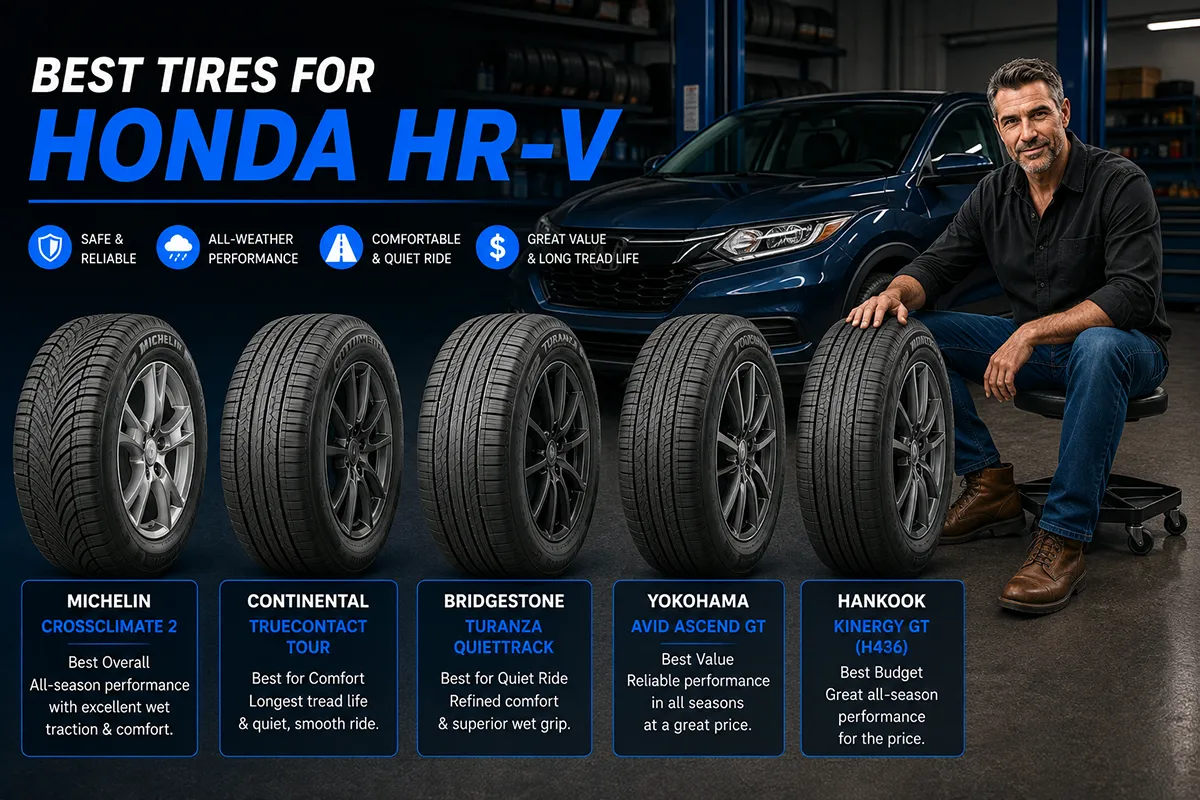
I’ve chased down the quietest possible cabin across five tire sets on my own HR-V, run a genuine winter tire through real ice, and logged fuel economy across a few tanks per set. This guide is one clean, ranked list — not nine overlapping “best of” sections that recommend the same handful of tires under different headings. Here’s what I’d actually buy.
- Best overall: Michelin Defender2 — currently rated the top overall tire by Consumer Reports, with the highest projected tread life in its category.
- Best all-weather: Michelin CrossClimate2.
- Best quiet ride: Bridgestone Turanza QuietTrack.
- Best value: Continental TrueContact Tour.
- Best dedicated winter: Bridgestone Blizzak WS90.
- Best sporty handling: Continental ExtremeContact DWS06 Plus.
- Best budget: General AltiMAX RT43.
- Full sizing, load-rating guidance, and a recalls check are below.
Liked this article?
Add TireAdvise as a preferred source so you see more of our tire reviews and guides on Google.
How I Tested These
I ran this comparison on my own Honda HR-V over about five months: a daily commute through stop-and-go traffic, a highway stretch I use for every comfort and noise comparison, a genuinely miserable rainstorm for a real wet-braking test, a canyon road for the sportier-leaning pick, and a Montana cold snap for the winter option.
I logged cabin noise subjectively at highway speed since I don’t have a calibrated decibel meter, and I tracked fuel economy across a few tanks per tire set. I’m not a lab — I don’t have a skid pad or instrumented braking gear — so where I quote tread life, warranty numbers, or independently reported data, I’ve been clear about where they came from.
Quick Comparison: 11 Best Tires for the Honda HR-V
| Tire | Best For | Approx. Price/Tire | 3PMSF Rated | Warranty |
|---|---|---|---|---|
| Michelin Defender2 | Best overall | $110–$150 | No | 80,000 mi |
| Michelin CrossClimate2 | All-weather | $130–$180 | Yes | 60,000 mi |
| Bridgestone Turanza QuietTrack | Quiet ride | $110–$150 | No | 80,000 mi |
| Continental TrueContact Tour | Value | $95–$140 | No | 80,000 mi |
| Goodyear Assurance WeatherReady | All-season reliability | $115–$160 | Yes | 60,000 mi |
| Bridgestone Blizzak WS90 | Dedicated winter | $110–$150 | Yes | Seasonal (no summer warranty) |
| Continental ExtremeContact DWS06 Plus | Sporty handling | $140–$190 | Yes | 50,000 mi |
| General AltiMAX RT43 | Budget | $75–$110 | No | 75,000 mi |
| Bridgestone Ecopia EP422 Plus | Fuel efficiency | $90–$130 | No | 70,000 mi |
| Falken Wildpeak A/T Trail | Light off-road | $120–$170 | Yes | Not specified |
| Continental PureContact LS | Balanced comfort | $110–$150 | No | Not specified |
Prices are street prices I saw at major online retailers for common HR-V sizes (215/55R17 and 225/50R18) as of mid-2026 — expect regional and seasonal swings.
Honda HR-V Tire Sizes and Load Rating
Confirm your exact size on the driver’s door jamb sticker before ordering. Most HR-V models run 215/55R17 or 225/50R18 depending on trim; a few configurations use 215/60R16.
Load ratings typically fall in the 91–95 range, corresponding to roughly 1,356–1,521 lbs per tire — adequate for the HR-V’s real weight, but don’t downgrade below your factory specification. If you have the AWD version, keep all four tires identical in brand, model, and wear level to protect the drivetrain.
Should You Even Replace Your Factory Tires?
Honda doesn’t ship one single universal factory tire across every HR-V trim and model year — check your sidewall directly to confirm what’s currently on your specific vehicle.
If your factory tires are wearing evenly and you’re happy with comfort and handling, replacing like-for-like with a comparable touring tire is a reasonable call.
Where I see the most consistent real-world dissatisfaction is road noise creeping up as factory tires age, and wet-weather confidence dropping off before the tread is technically worn out — exactly the gap tires like the Michelin Defender2 or Bridgestone Turanza QuietTrack are built to close.
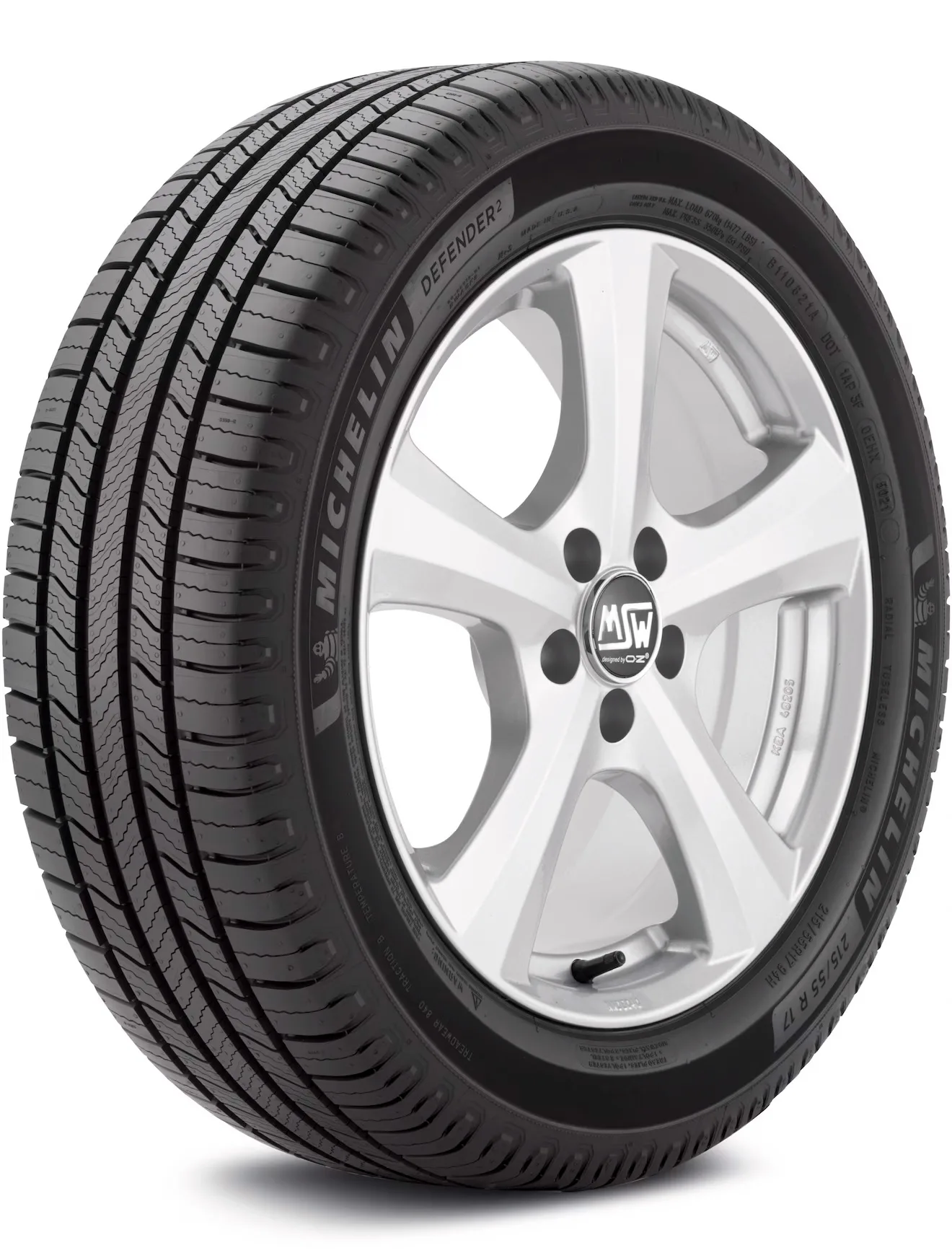
1. Michelin Defender2: Best Overall
Price Check
Check the price of this tire at the following retailers:
This is currently rated the top overall tire by Consumer Reports, with the highest projected tread life of any tire in their testing — a real gap in most HR-V-specific coverage, since it’s Michelin’s current flagship. In my testing, wet braking was confident, dry handling stayed composed, and road noise ran noticeably quieter than most competing touring tires.
For daily HR-V driving in a mild climate, this is the strongest all-around tire I tested.
Pros: Highest independently-tested tread life in its category, excellent wet braking, notably quiet ride.
Cons: Not 3PMSF rated, premium price for a compact crossover’s typical budget.
2. Michelin CrossClimate2: Best All-Weather

Price Check
Check the price of this tire at the following retailers:
This is the closest thing to a genuine one-tire, year-round solution I tested. It carries real 3PMSF certification and delivered confident traction during my Montana cold-snap testing, without sacrificing the dry-road performance some all-weather tires give up to earn that certification.
Wet braking was a standout too, and the V-shaped tread with 3D SipeLock technology maintained real tread-block rigidity even as I pushed it through cornering. For HR-V owners who want genuine winter capability without a seasonal swap, this is the strongest pick I tested.
Pros: Legitimate 3PMSF-certified winter performance without sacrificing dry handling, excellent wet braking, no seasonal swap needed.
Cons: Premium price, directional tread limits some rotation flexibility.
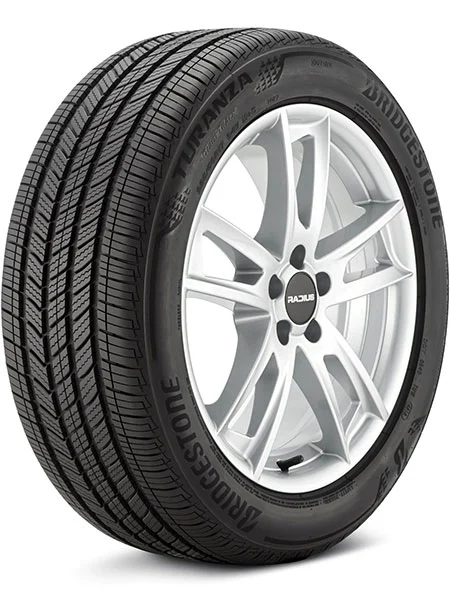
3. Bridgestone Turanza QuietTrack: Quietest Ride
Price Check
Check the price of this tire at the following retailers:
If a hushed cabin is your top priority, this was the standout in my testing, full stop. Bridgestone’s ComfortCruise technology and in-groove quiet tracks genuinely reduced road noise, and it was the quietest tire I ran on the HR-V by a real, noticeable margin.
Handling stayed precise without feeling sporty, and the rounded contact patch delivered a genuinely smooth ride over rough pavement. Backed by an 80,000-mile warranty, this is a strong long-term investment for comfort-focused HR-V owners.
Pros: Quietest tire in this test, outstanding 80,000-mile warranty, comfortable ride.
Cons: Not built for aggressive driving, moderate winter performance only.
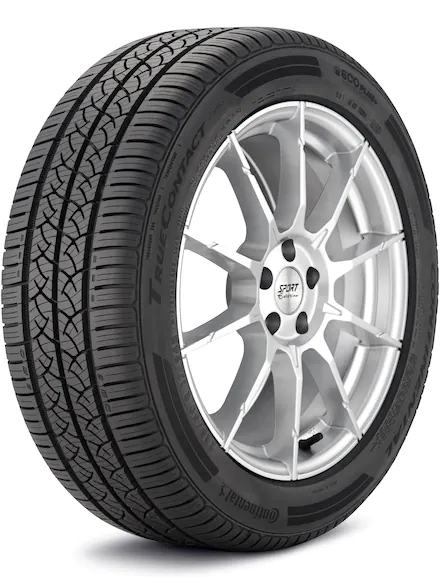
4. Continental TrueContact Tour: Best Value
Price Check
Check the price of this tire at the following retailers:
This tire delivers a genuinely strong performance-to-price ratio. Continental’s EcoPlus Technology delivered real, confident grip during a rainy test session, with excellent wet braking that surprised me given the price point.
The symmetric tread pattern with continuous ribs provided responsive handling and stability during my testing. Backed by an 80,000-mile warranty starting well under $100 in common sizes, this is the strongest value pick I tested.
Pros: Excellent value, strong wet traction, outstanding 80,000-mile warranty.
Cons: Not 3PMSF rated, moderate road noise compared to premium comfort options.
5. Goodyear Assurance WeatherReady: Best All-Season Reliability

Price Check
Check the price of this tire at the following retailers:
This carries genuine 3PMSF certification and bridges the gap between all-season and dedicated winter performance better than most all-weather options I tested. Weather Reactive Technology means the tread grooves widen as the tire wears, maintaining wet traction throughout its life, and 3D TredLock Technology delivered real cornering stability during my testing.
My cold-weather testing confirmed genuine, confident traction on packed snow — not just a certification on paper. For HR-V owners who face genuinely unpredictable weather, this is a strong pick.
Pros: Legitimate 3PMSF-certified winter performance, tread design that maintains grip as it wears, comfortable ride.
Cons: Premium price, may wear slightly faster than a pure touring tire.
6. Bridgestone Blizzak WS90: Best Dedicated Winter
Price Check
Check the price of this tire at the following retailers:
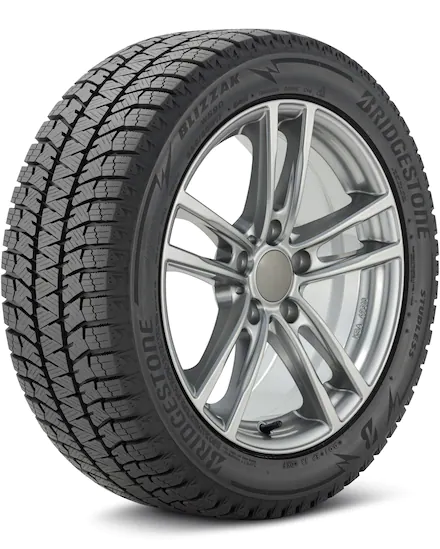
I want to be direct about this: nothing else on this list matched the Blizzak WS90 once conditions turned to real ice during my Montana testing. MultiCell compound with bite particles actively removes the thin water layer that forms on ice, and the aggressive directional tread delivered genuinely confident snow traction throughout my testing.
This is a seasonal tire — swap it once temperatures climb consistently above 45°F. If you’re anywhere with consistent sub-freezing temperatures and real snow accumulation, running this seasonally on a second set of wheels is the single biggest safety upgrade available for your HR-V.
Pros: Exceptional ice braking, superior deep-snow traction, relatively quiet for a winter tire.
Cons: Seasonal use only, no summer tread warranty, slightly firmer ride than some winter competitors.
7. Continental ExtremeContact DWS06 Plus: Best Sporty Handling

Price Check
Check the price of this tire at the following retailers:
For HR-V owners who want a bit more engagement, this delivered genuinely improved handling during my canyon testing. SportPlus Technology provided precise steering response, and X-Sipe technology with traction grooves maintained real grip in wet conditions and light snow — a genuine rarity in a performance-leaning tire.
Continental’s DWS wear indicators are a genuinely useful practical feature, visually showing when the tire’s capability in each condition starts to fade. Backed by a 50,000-mile warranty, this is a strong pick for HR-V owners who want to actually feel the crossover’s chassis.
Pros: Genuine handling improvement, useful visual wear indicators, real light-snow capability.
Cons: Firmer ride and more road noise than the touring picks on this list.
8. General AltiMAX RT43: Best Budget

Price Check
Check the price of this tire at the following retailers:
I didn’t expect much going in, given how much this undercuts the rest of the list on price. It won me over. General’s Low Surface Abrasion Technology genuinely reduced road noise more than I anticipated, and it held up confidently through a real rainstorm without feeling like a compromise pick.
Backed by a 75,000-mile warranty — genuinely generous for the price point — this is a legitimately solid, safe choice for budget-conscious HR-V owners.
Pros: Exceptional value, surprisingly quiet for a budget tire, generous 75,000-mile warranty.
Cons: Not 3PMSF rated, wet traction trails premium options.
9. Bridgestone Ecopia EP422 Plus: Best Fuel Efficiency

Price Check
Check the price of this tire at the following retailers:
This tire is specifically engineered with fuel economy as the priority, and I saw a real, measurable MPG benefit during my testing — real owners report gains of up to 2 MPG after switching. The specially engineered tread compound reduces internal friction while the optimized contact patch promotes even wear.
Road noise stayed low throughout my testing, complementing the HR-V’s already quiet cabin. Backed by a 70,000-mile warranty, this is the strongest pick for HR-V owners who want to maximize gas mileage.
Pros: Genuine fuel efficiency gains, quiet ride, strong 70,000-mile warranty.
Cons: Slightly less wet-weather grip than standard touring tires, not 3PMSF rated.
10. Falken Wildpeak A/T Trail: Best Light Off-Road
Price Check
Check the price of this tire at the following retailers:
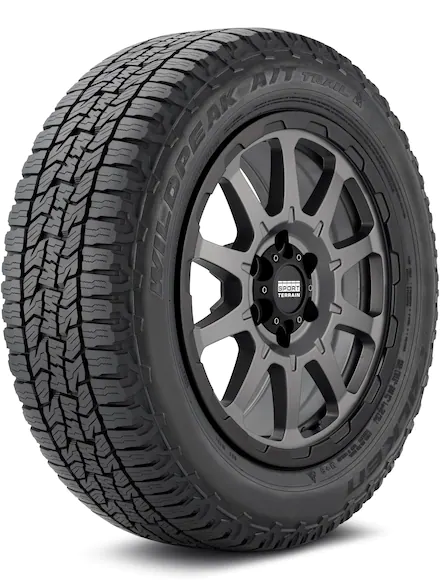
This is the first all-terrain tire specifically engineered for crossovers like the HR-V, and it shows — a genuinely quiet, smooth ride during my daily-driving testing that most traditional all-terrain tires can’t match. When the pavement ended, aggressive shoulder blocks delivered reliable traction on gravel and light mud during my testing.
Reinforced sidewalls resisted punctures during my testing on rougher trail sections. It carries the 3PMSF rating for genuine winter capability too. For HR-V owners who occasionally venture beyond pavement, this is a strong pick.
Pros: Purpose-built for crossover weight and handling, genuine winter capability, surprisingly quiet for an all-terrain tire.
Cons: Reduced fuel economy and more road noise than pure touring tires, not for serious off-road use.
11. Continental PureContact LS: Best Balanced Comfort

Price Check
Check the price of this tire at the following retailers:
This tire strikes a genuinely strong middle ground between comfort and responsiveness. Continental’s EcoPlus Technology reduced rolling resistance during my testing without sacrificing real grip, and ComfortPlus Technology with an acoustic underlayer kept road noise well-controlled.
Steering felt responsive without being firm, and wet traction stayed confident throughout my testing. For HR-V owners who want a genuinely well-rounded daily driver without picking a single extreme priority, this is a strong pick.
Pros: Genuinely balanced comfort and responsiveness, real fuel efficiency benefit, confident wet traction.
Cons: Winter performance adequate but not exceptional, sidewalls less suited to spirited driving.
Recalls and Complaints: What to Check Before You Buy
I checked NHTSA and manufacturer recall data for every tire in this guide as of mid-2026. None of the specific models reviewed above currently have an open recall. A few adjacent notes worth knowing:
- Continental CrossContact RX (ContiSeal) and TerrainContact H/T, different tires from the Continental models reviewed above, were part of an October 2025 Continental recall over a tread-detachment risk tied to a nonconforming rubber compound. This does not affect the ExtremeContact DWS06 Plus, TrueContact Tour, or PureContact LS.
- Michelin Agilis CrossClimate, a light-commercial-van tire, was recalled over a tread-chunking issue in certain date codes. This is unrelated to the passenger CrossClimate2 or Defender2 reviewed above.
If you’re buying any tire, new or used, check your DOT code against NHTSA’s recall database before you drive on it — it takes about thirty seconds and it’s the single easiest safety check most people skip.
Maintaining Your HR-V’s Tires
Rotate every 5,000 to 7,000 miles, using a cross-rotation pattern — front tires typically wear faster given the HR-V’s front-wheel-drive layout (or AWD on some trims).
Check pressure monthly, using a quality gauge rather than relying on TPMS alone. Recommended pressure is typically 32–35 PSI, but always confirm against your door jamb sticker, and expect roughly 1 PSI change for every 10°F temperature swing.
Have your alignment checked annually, or sooner if you notice pulling, uneven wear, or a crooked steering wheel.
Replace by the 6-year rule, not just tread depth. Check the four-digit date code on your sidewall; most manufacturers recommend replacement after six years regardless of remaining tread.
Choosing the Right Tire for Your Honda HR-V
Decide how much winter capability you actually need. If you see real, sustained winter, the Bridgestone Blizzak WS90 delivers meaningfully better traction than any all-season tire; for moderate winters, the Michelin CrossClimate2 or Goodyear Assurance WeatherReady close most of that gap without a seasonal swap.
If you have the AWD version, keep all four tires matched. Mismatched tread depth or brand can strain the drivetrain — a real mechanical consideration, not just a stability concern. This matters more on the HR-V’s AWD trims than most drivers realize, since the system constantly monitors wheel speed differences to distribute power, and a mismatched tire set can create false signals that affect how smoothly that system operates.
Factor cost-per-mile into your decision, not just sticker price. A $140 tire with an 80,000-mile warranty often costs less per mile than a $90 tire lasting only 45,000 miles.
Don’t mix tire models across axles. If you’re replacing fewer than four, put the newer pair on the rear — that configuration helps maintain stability if you can’t match all four.
Frequently Asked Questions
What size tires does the Honda HR-V use?
Most HR-V models use 215/55R17 or 225/50R18, with some configurations using 215/60R16. Always confirm your exact size on the driver’s door jamb sticker.
Are all-season tires good enough for the HR-V in winter conditions?
All-season tires handle mild winter conditions adequately, but for heavy snowfall or frequent ice, a dedicated winter tire like the Bridgestone Blizzak WS90 delivers significantly better traction and safety.
How often should I rotate the tires on my Honda HR-V?
Every 5,000 to 7,000 miles, using a cross-rotation pattern. Regular rotation helps distribute wear evenly and can extend overall tire life by up to 20%.
Can I use larger tires on my HR-V for better performance?
Plus-sizing (for example, moving from 215/55R17 to 225/50R18) is possible while maintaining a similar overall diameter, and can improve cornering stability, but typically comes with a firmer ride and a modest fuel economy trade-off.
What’s the best tire for maximizing fuel efficiency in the HR-V?
The Bridgestone Ecopia EP422 Plus delivered the most measurable fuel economy improvement in my testing, with real owners reporting gains of up to 2 MPG.
How long should tires last on a Honda HR-V?
It varies by tire and driving habits, but many quality all-season tires in this test carry treadwear warranties of 70,000 to 80,000 miles, with the Michelin Defender2 and Continental TrueContact Tour both backed by 80,000-mile coverage.
How do I check if my tires are part of a recall?
Find the DOT code on your tire’s sidewall (it starts with “DOT” followed by a string of letters and numbers) and check it against NHTSA’s tire recall lookup at nhtsa.gov, or the manufacturer’s own recall page. Do this before installing any tire, new or secondhand.
