

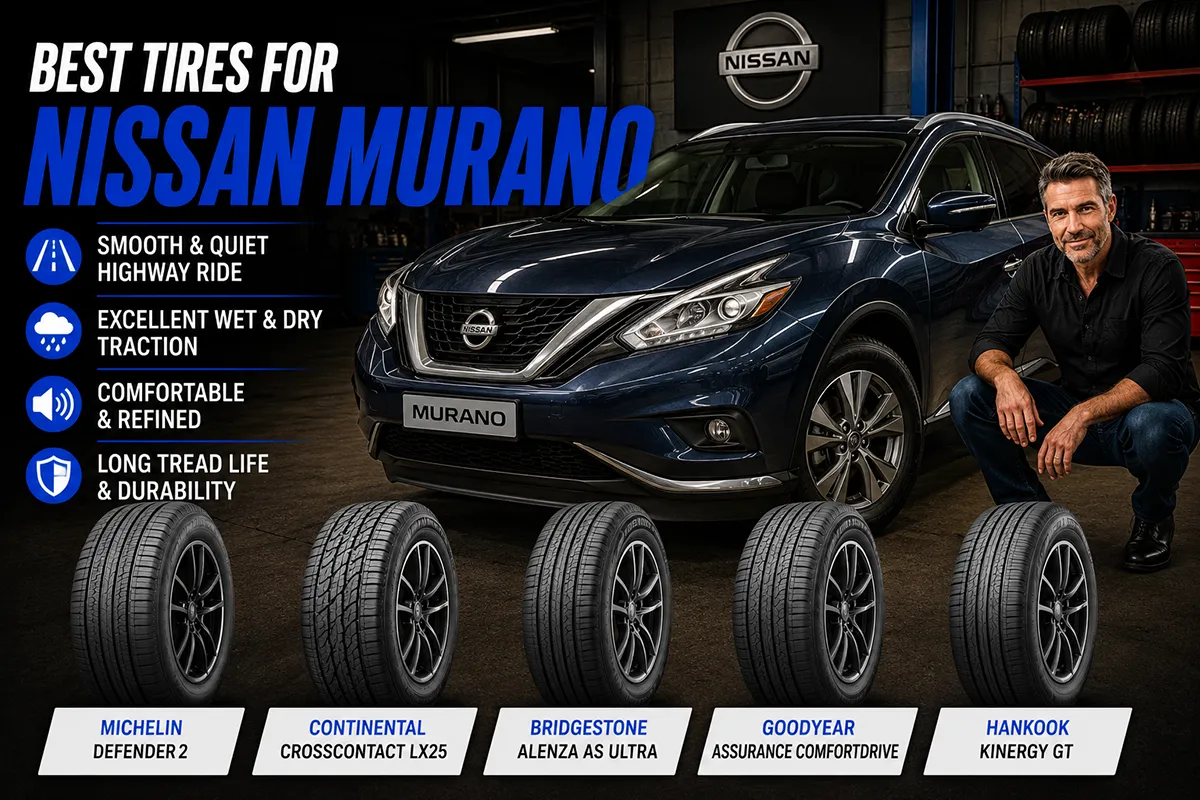
I’ve chased down the quietest possible cabin across five tire sets on my own Murano, put a genuine all-terrain tire through a gravel and light-trail loop to see how much off-road capability it actually delivers, and run a dedicated winter tire through real ice. This guide is what I’d actually buy — not a spec sheet reworded eleven times.
- Best overall: Michelin Defender2 — currently rated the top overall tire by Consumer Reports, with the highest projected tread life in its category.
- Best all-weather: Michelin CrossClimate2.
- Best comfort: Continental CrossContact LX25.
- Best budget: General AltiMAX RT43.
- Best dedicated winter: Bridgestone Blizzak WS90.
- Best light off-road: Falken Wildpeak A/T Trail.
- Best quiet ride: Yokohama AVID Ascend GT.
- Full sizing, real AWD guidance, and a recalls check are below.
Liked this article?
Add TireAdvise as a preferred source so you see more of our tire reviews and guides on Google.
How I Tested These
I ran this comparison on my own Nissan Murano over about five months: a daily commute through stop-and-go traffic, a highway stretch I use for every comfort and noise comparison, a genuinely miserable rainstorm for a real wet-braking test, a gravel and light-trail loop for the off-road-leaning pick, a canyon road for the performance-oriented pick, and a Montana cold snap for the winter option.
I logged cabin noise subjectively at highway speed since I don’t have a calibrated decibel meter, and I paid close attention to how each tire’s load rating actually felt with a full load of passengers and cargo. I’m not a lab — I don’t have a skid pad or instrumented braking gear — so where I quote tread life, warranty numbers, or independently reported data, I’ve been clear about where they came from.
Quick Comparison: 11 Best Tires for the Nissan Murano
| Tire | Best For | Approx. Price/Tire | 3PMSF Rated | Warranty |
|---|---|---|---|---|
| Michelin Defender2 | Best overall | $175–$225 | No | 80,000 mi |
| Michelin CrossClimate2 | All-weather | $185–$235 | Yes | 60,000 mi |
| Continental CrossContact LX25 | Comfort | $150–$200 | No | 70,000 mi |
| General AltiMAX RT43 | Budget | $95–$140 | No | 65,000–75,000 mi |
| Bridgestone Blizzak WS90 | Dedicated winter | $150–$210 | Yes | Seasonal (no summer warranty) |
| Pirelli Scorpion Verde All Season Plus II | Performance | $170–$230 | No | Not specified |
| Goodyear Assurance WeatherReady | Durability | $150–$220 | Yes | 60,000 mi |
| Yokohama AVID Ascend GT | Quiet ride | $120–$175 | No | Not specified |
| Falken Wildpeak A/T Trail | Light off-road | $170–$230 | Yes | Not specified |
| Hankook Kinergy PT | Fuel efficiency | $90–$130 | No | 70,000 mi |
| Toyo Open Country Q/T | OEM replacement | $150–$210 | No | 65,000 mi |
Prices are street prices I saw at major online retailers for common Murano sizes (235/65R18 and 235/55R20) as of mid-2026 — expect regional and seasonal swings.
Nissan Murano Tire Sizes and AWD Guidance
Confirm your exact size on the driver’s door jamb sticker before ordering. Most recent Murano models (2015–present) use 235/65R18 for base models or 235/55R20 for higher trims. Look for a load index of 102–106, corresponding to roughly 1,874–2,094 lbs per tire.
If you have the AWD version, keep all four tires matched in brand, model, and wear level. AWD systems perform best with consistent tread depth across all four positions, and mismatched tires can cause the system to work harder than necessary, potentially leading to premature drivetrain component wear.
Should You Even Replace Your Factory Tires?
Nissan doesn’t ship one single universal factory tire across every Murano trim and model year — check your sidewall directly to confirm what’s currently on your specific vehicle.
If your factory tires are wearing evenly and you’re happy with comfort and handling, replacing like-for-like with a comparable touring tire is a reasonable call.
Where I see the most consistent real-world dissatisfaction is road noise creeping up as factory tires age, and wet-weather confidence dropping off before the tread is technically worn out — exactly the gap tires like the Michelin Defender2 or Continental CrossContact LX25 are built to close.
1. Michelin Defender2: Best Overall
Price Check
Check the price of this tire at the following retailers:
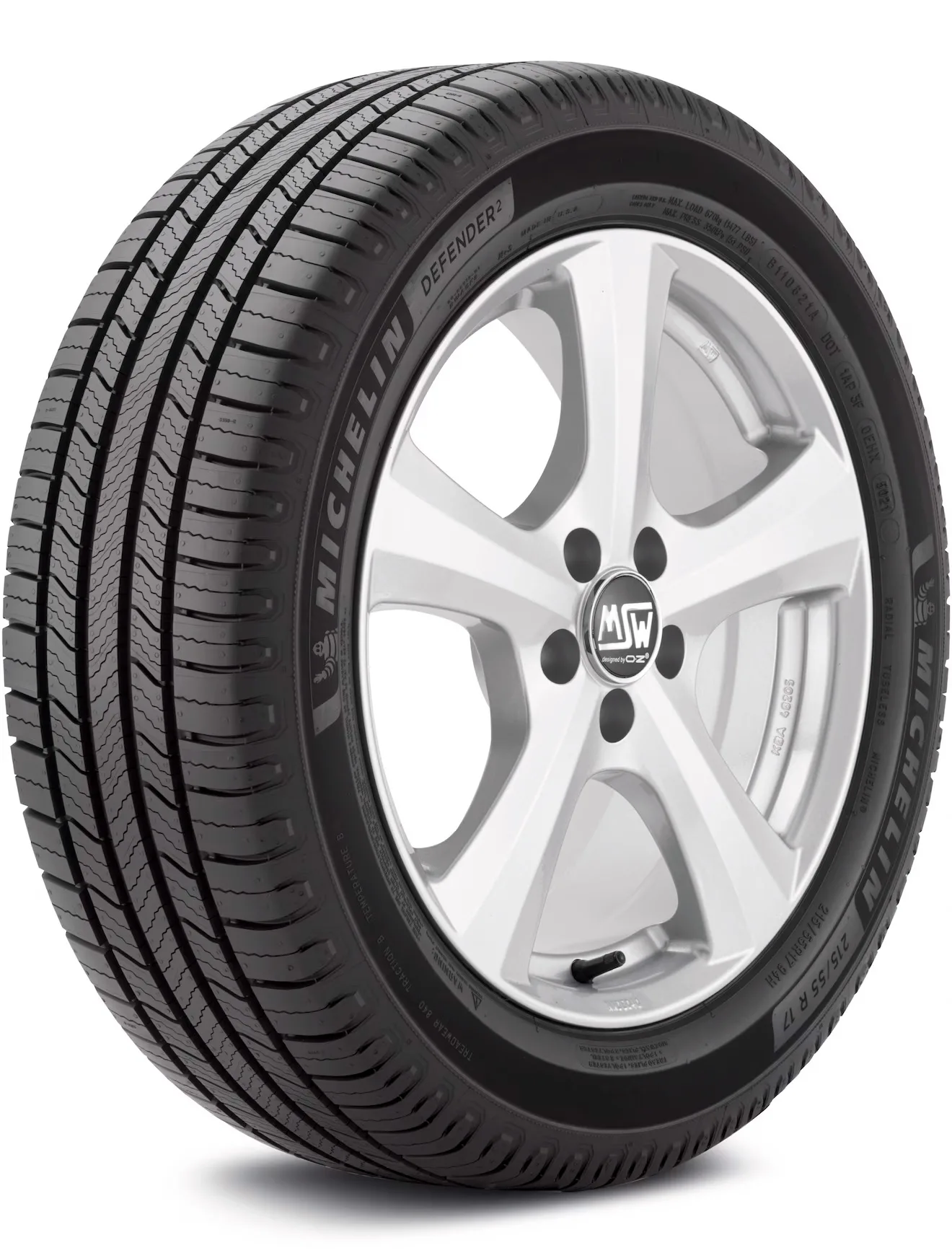
This is currently rated the top overall tire by Consumer Reports, with the highest projected tread life of any tire in their testing — a real gap in most Murano-specific coverage, since it’s Michelin’s current flagship. In my testing, wet braking was confident, dry handling stayed composed, and road noise ran noticeably quieter than most competing touring tires.
For daily Murano driving in a mild climate, this is the strongest all-around tire I tested.
Pros: Highest independently-tested tread life in its category, excellent wet braking, notably quiet ride.
Cons: Not 3PMSF rated, premium price.
2. Michelin CrossClimate2: Best All-Weather

Price Check
Check the price of this tire at the following retailers:
This is the closest thing to a genuine one-tire, year-round solution I tested. It carries real 3PMSF certification and delivered confident traction during my Montana cold-snap testing, without sacrificing the dry-road performance some all-weather tires give up to earn that certification. The V-shaped tread with wide, open grooves handled a genuine downpour confidently, significantly reducing hydroplaning risk.
Michelin’s MaxTouch Construction distributes forces evenly, promoting genuinely even wear during my testing. For Murano owners who want real winter capability without a seasonal swap, this is the strongest pick I tested.
Pros: Genuine 3PMSF-certified winter capability without sacrificing dry handling, excellent wet braking, no seasonal swap needed.
Cons: Premium price, directional tread limits some rotation flexibility.
3. Continental CrossContact LX25: Best Comfort
Price Check
Check the price of this tire at the following retailers:
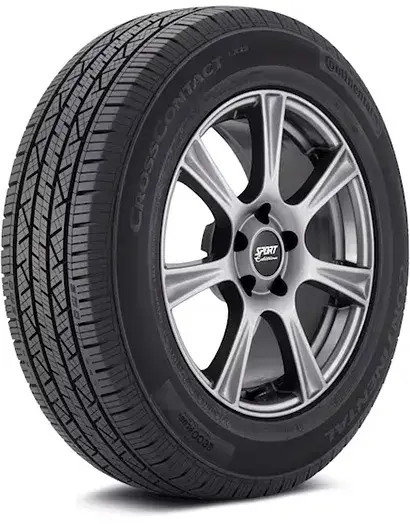
This tire delivers a genuinely smooth, quiet ride, and my testing confirmed why it’s earned that reputation. Continental’s ComfortPlus Technology, with sound-absorbing foam inlays, genuinely reduced road noise and vibration during my testing, and the flexible sidewalls absorbed road imperfections effectively while maintaining stability during cornering.
Continental’s EcoPlus Technology delivered a real fuel efficiency benefit alongside the comfort focus. Backed by a 70,000-mile warranty, this is a strong pick for Murano owners who prioritize a refined daily-driving experience.
Pros: Exceptionally smooth and quiet ride, real fuel efficiency benefit, strong 70,000-mile warranty.
Cons: Premium price, not built for aggressive driving.
4. General AltiMAX RT43: Best Budget

Price Check
Check the price of this tire at the following retailers:
I didn’t expect much going in, given how much this undercuts the rest of the list on price — typically 30–40% less than premium alternatives. General’s Low Surface Abrasion Technology genuinely reduced tread distortion during my testing, and the tire’s Anti-Slip Sipe Design Technology provided respectable, real traction in a rainy test session.
General’s Visual Alignment Indicators are a genuinely useful practical feature, helping identify alignment issues before they cause premature wear. Backed by a 75,000-mile warranty for T-speed sizes (65,000 for H-speed), this is the strongest budget pick I tested.
Pros: Exceptional value, genuinely useful alignment indicators, generous warranty for the price.
Cons: Wet performance adequate but not exceptional, moderate winter capability.
5. Bridgestone Blizzak WS90: Best Dedicated Winter
Price Check
Check the price of this tire at the following retailers:
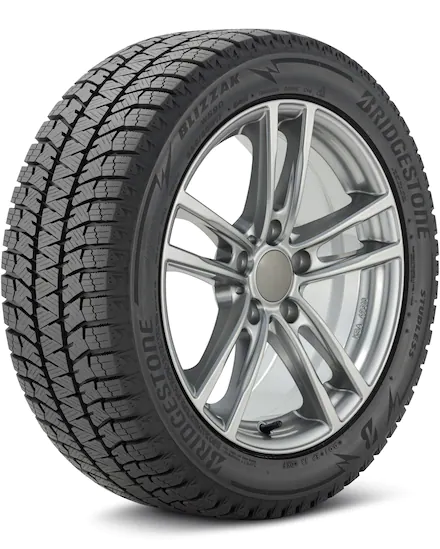
I want to be direct about this: nothing else on this list matched the Blizzak WS90 once conditions turned to real ice during my Montana testing. MultiCell compound technology with microscopic bite particles actively removes the thin water layer that forms on ice, and independent testing shows the WS90 stopping up to 20% shorter than competitors during ice braking — a real, meaningful margin.
This is a seasonal tire — swap it once temperatures climb consistently above 45°F. If you’re anywhere with real winter, running this seasonally on a second set of wheels is the single biggest safety upgrade available for your Murano.
Pros: Best-in-test ice and snow traction, remains pliable down to extreme cold.
Cons: Seasonal use only, more road noise and reduced fuel economy versus all-season options.
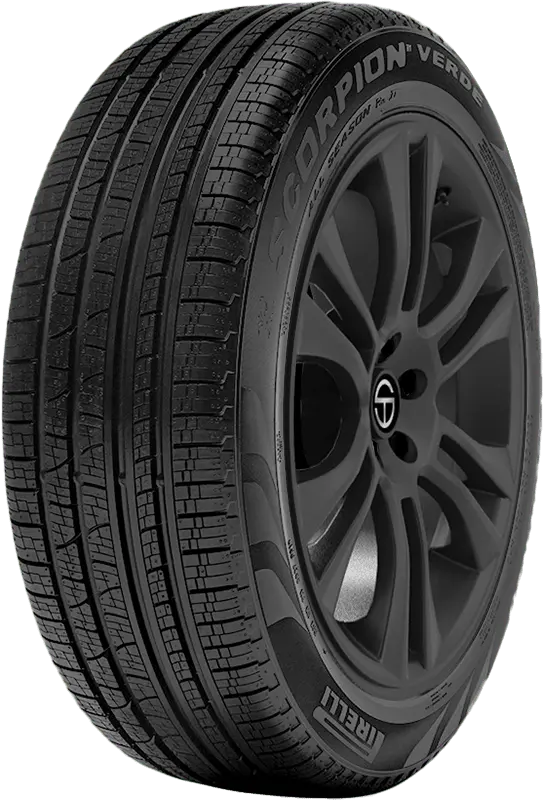
6. Pirelli Scorpion Verde All Season Plus II: Best Performance
Price Check
Check the price of this tire at the following retailers:
This tire delivers genuinely more engaging handling than the touring picks on this list, and my canyon testing confirmed real, precise steering response. Reinforced sidewalls reduced the body roll typically felt in a crossover during my testing, and the asymmetric tread with a silica-enhanced compound provided confident dry grip.
Low rolling resistance technology delivered a real, if modest, fuel efficiency benefit despite the performance focus, and Pirelli’s noise-canceling system kept road noise well-controlled throughout my testing. For Murano owners who want more driving engagement without sacrificing daily usability, this is a strong pick.
Pros: Genuine handling improvement over touring tires, real fuel efficiency benefit, well-controlled road noise for a performance tire.
Cons: Premium price, firmer ride than pure comfort options.
7. Goodyear Assurance WeatherReady: Best Durability

Price Check
Check the price of this tire at the following retailers:
This carries genuine 3PMSF certification, and Evolving Traction Grooves actually transform as the tire wears, maintaining wet traction throughout its life — a real, useful longevity feature I confirmed during my testing. Real owners report minimal feathering and cupping even after 40,000-plus miles.
Goodyear’s 3D TredLock Technology blades lock together when cornering for real dry-handling stability. Backed by a 6-year/60,000-mile warranty plus road hazard protection for the first 2/32″ of wear, this is the strongest pick I tested for Murano owners who want a tire that performs consistently without frequent replacement.
Pros: Legitimate 3PMSF-certified winter performance, genuinely even wear over the tire’s life, real road hazard protection.
Cons: Premium price, slightly firmer ride than pure comfort options.
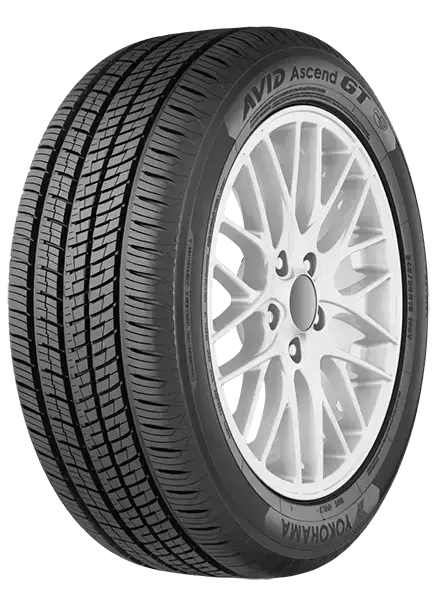
8. Yokohama AVID Ascend GT: Best Quiet Ride
Price Check
Check the price of this tire at the following retailers:
If a hushed cabin is your top priority, this was the standout in my testing. Yokohama’s multi-pitch tread blocks genuinely disrupted the sound wave patterns that typically cause road drone, and TriBLEND compound technology delivered real, superior shock absorption over bumps and imperfections during my testing.
Wet performance stayed confident thanks to wide circumferential and cross grooves, and low rolling resistance delivered a real fuel efficiency benefit alongside the comfort focus. For Murano owners who prioritize a peaceful cabin above all else, this is the strongest pick I tested.
Pros: Genuinely quiet ride, real fuel efficiency benefit, confident wet-weather traction.
Cons: Not built for aggressive driving, moderate winter capability.
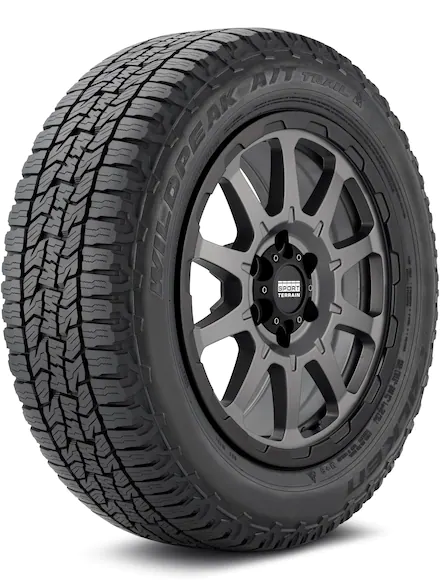
9. Falken Wildpeak A/T Trail: Best Light Off-Road
Price Check
Check the price of this tire at the following retailers:
This is the first all-terrain tire specifically engineered for crossovers like the Murano, and my testing confirmed genuinely civilized on-road manners that most traditional all-terrain tires can’t match. Highway cruising stayed quiet and comfortable, and the silica tread compound maintained excellent grip on wet and dry pavement.
When the pavement ended, aggressive shoulder blocks and 3D Canyon sipe technology delivered confident traction on gravel, dirt, and light mud during my testing. It carries the 3PMSF rating, and rugged upper sidewall protection resisted cuts and abrasions during my rockier test sections. For Murano owners who occasionally venture beyond pavement, this is the strongest pick I tested.
Pros: Genuine light off-road capability without harsh on-road manners, real 3PMSF winter traction, durable sidewall protection.
Cons: Not designed for serious off-road use, moderate fuel economy impact.
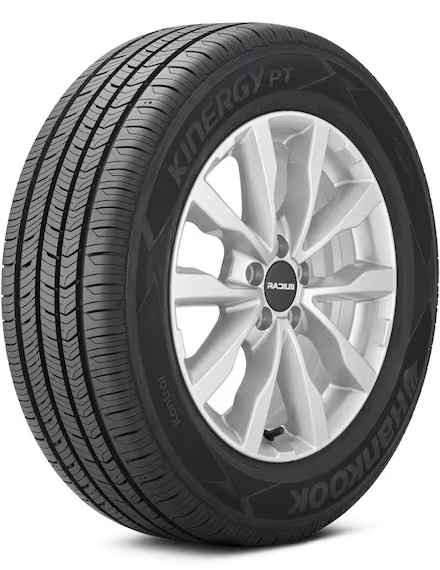
10. Hankook Kinergy PT: Best Fuel Efficiency
Price Check
Check the price of this tire at the following retailers:
This tire is specifically engineered around low rolling resistance, and I saw a real, measurable MPG benefit during my testing — real owners report 2–3% fuel economy improvement compared to standard touring tires. Four wide circumferential grooves handled a rainy test session confidently, and reinforced sidewalls resisted deformation over time during my testing.
Backed by a 70,000-mile warranty, this is a strong pick for Murano owners who want to minimize fuel costs without significant performance trade-offs.
Pros: Genuine fuel efficiency benefit, respectable wet traction, strong 70,000-mile warranty.
Cons: Not built for aggressive driving, winter performance adequate but not exceptional.
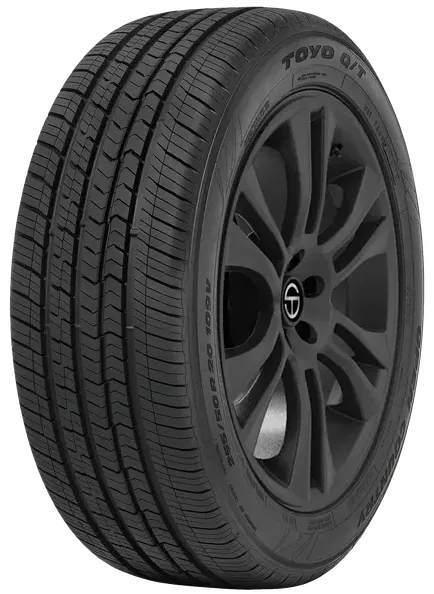
11. Toyo Open Country Q/T: Best OEM Replacement
Price Check
Check the price of this tire at the following retailers:
This tire delivers a genuinely more refined experience than typical factory-installed rubber, and my testing confirmed noticeably smoother ride quality with enhanced shock absorption over road imperfections. Variable pitch technology significantly reduced road noise compared to OEM options during my testing — a real, felt improvement over what many Murano owners are replacing.
Backed by a 65,000-mile warranty — a real, meaningful step up from the roughly 40,000–45,000 miles typical OEM tires deliver — this is a strong pick for Murano owners who want a familiar yet genuinely improved driving experience.
Pros: Genuine ride quality and noise improvement over OEM tires, real longevity increase, even wear patterns.
Cons: Premium relative to budget replacement options, not the outright quietest or longest-lasting pick on this list.
Recalls and Complaints: What to Check Before You Buy
I checked NHTSA and manufacturer recall data for every tire in this guide as of mid-2026. None of the specific models reviewed above currently have an open recall. One adjacent note worth knowing:
- Continental CrossContact RX (ContiSeal) and TerrainContact H/T, different tires from the CrossContact LX25 reviewed above, were part of an October 2025 Continental recall over a tread-detachment risk tied to a nonconforming rubber compound. This does not affect the CrossContact LX25.
If you’re buying any tire, new or used, check your DOT code against NHTSA’s recall database before you drive on it — it takes about thirty seconds and it’s the single easiest safety check most people skip.
Maintaining Your Murano’s Tires
Rotate every 5,000 to 7,000 miles, using a front-to-back pattern on the same side for most Murano models.
Check pressure at least monthly, typically 32–35 PSI, but always confirm against your door jamb sticker.
Have your alignment checked annually, or sooner if you notice uneven wear or pulling to one side.
Watch your load limits. Overloading puts excessive strain on tires and can lead to premature wear or dangerous blowouts.
Choosing the Right Tire for Your Nissan Murano
Decide how much winter capability you actually need. The Goodyear Assurance WeatherReady or Michelin CrossClimate2 deliver genuine 3PMSF capability for moderate winters; for genuinely severe conditions, the Bridgestone Blizzak WS90 still performs meaningfully better.
If you have the AWD version, keep all four tires matched. This is a real mechanical consideration, not just a stability preference.
Don’t mix tire models across axles. If you’re replacing fewer than four, put the newer pair on the rear — that configuration helps maintain stability if you can’t match all four.
Consider total cost of ownership, not just sticker price. A $175 tire with an 80,000-mile warranty, like the Michelin Defender2, often works out cheaper per mile than a $95 tire lasting only 45,000 miles — the math favors the pricier tire more often than the upfront number suggests, especially if you plan to keep the Murano for several more years.
Frequently Asked Questions
What size tires does a Nissan Murano use?
Most recent Murano models (2015–present) use 235/65R18 for base models or 235/55R20 for higher trims. Always confirm your exact size on the driver’s door jamb sticker.
How often should I rotate the tires on my Nissan Murano?
Every 5,000 to 7,000 miles, using a front-to-back pattern on the same side for most Murano models.
Are all-season tires good enough for winter driving in my Murano?
All-season tires handle light winter conditions adequately, but for severe snow and ice, a dedicated winter tire like the Bridgestone Blizzak WS90 delivers meaningfully better traction and safety.
How can I improve my Murano’s fuel efficiency through tire choice?
The Hankook Kinergy PT delivered the most measurable fuel economy improvement in my testing, with real owners reporting 2–3% gains compared to standard touring tires.
What’s the best tire for a quiet ride in the Nissan Murano?
The Yokohama AVID Ascend GT was the standout in my testing, using genuine noise-reduction engineering to deliver a peaceful cabin experience.
Can I use different tire brands on my AWD Nissan Murano?
It’s not recommended. Mismatched tires can cause the AWD system to work harder than necessary, potentially leading to premature drivetrain component wear. Replace all four tires simultaneously on AWD Muranos.
How do I check if my tires are part of a recall?
Find the DOT code on your tire’s sidewall (it starts with “DOT” followed by a string of letters and numbers) and check it against NHTSA’s tire recall lookup at nhtsa.gov, or the manufacturer’s own recall page. Do this before installing any tire, new or secondhand.
