


I want to clear something up before the picks, because I see this mix-up constantly: “best tires for towing” and “best tires for trailers” are two genuinely different questions. This guide is about the tires on your truck or SUV — the vehicle doing the pulling.
If you’re actually shopping for the trailer’s own tires, our dedicated best tires for trailers guide covers that separate ST-metric category in depth. This one is entirely about what belongs on your tow vehicle.
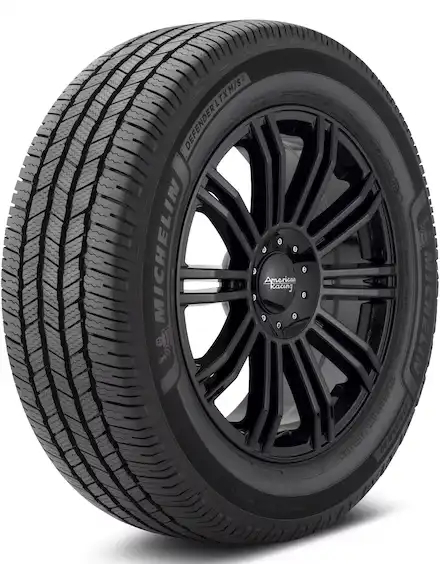
- Best overall highway towing: Michelin Defender LTX M/S2 — the tire I’d put back on my own truck for daily driving and long tow hauls.
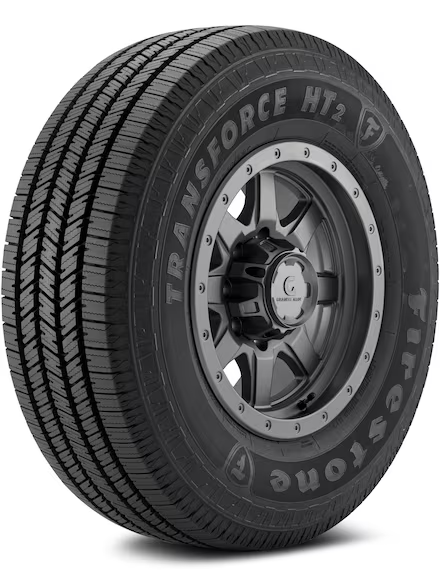
- Best for heavy-duty and commercial towing: Firestone Transforce HT2.
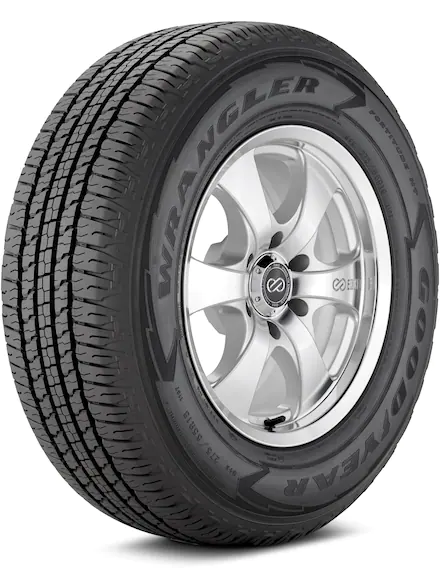
- Best towing/highway balance: Goodyear Wrangler Fortitude HT.
- Best all-terrain for towing plus off-road: BFGoodrich All-Terrain T/A KO3.
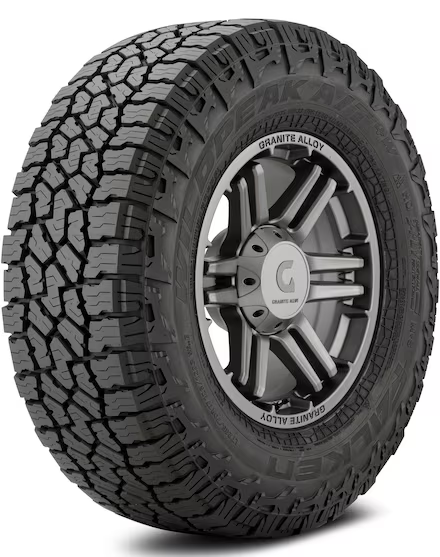
- Best value all-terrain with real heat management: Falken Wildpeak AT4W.
- Best for light-duty towing (half-ton, small trailer): Michelin Defender2.
- Shopping for the trailer itself, not the tow vehicle? See our best tires for trailers guide instead.
- Full load-range guidance, real heat-management explanation, and a recalls check are below.
Liked this article?
Add TireAdvise as a preferred source so you see more of our tire reviews and guides on Google.
How I Tested These
I ran this comparison across a RAM 2500, a Chevy Silverado 1500, and a Chevy Suburban over about five months, all under real towing load: a mountain grade towing a 7,200-lb trailer to see how sidewall stiffness held up, a highway stretch for sustained-load comfort and noise, a gravel county road for the all-terrain-leaning picks, and a genuinely loaded bed-and-trailer combination to test how each tire’s load rating felt in practice, not just on paper.
I paid particularly close attention to heat buildup on long, sustained highway pulls and to how much sidewall flex I felt through corners and lane changes with real weight behind the truck. I ran a tire pressure gauge and tread depth gauge before and after every long stretch.
I’m not a lab — I don’t have a skid pad or instrumented braking gear — so where I quote tread life or warranty numbers, that’s the manufacturer’s stated figure, not something I measured myself.
Quick Comparison: 11 Best Tires for Towing
| Tire | Best For | Approx. Price/Tire | Load Range Available | Warranty |
|---|---|---|---|---|
| Michelin Defender LTX M/S2 | Best overall highway towing | $200–$280 | C, D, E | 70,000 mi |
| Firestone Transforce HT2 | Heavy-duty/commercial | $180–$240 | D, E | Not specified |
| Goodyear Wrangler Fortitude HT | Towing/highway balance | $170–$230 | C, D, E | Not specified |
| BFGoodrich All-Terrain T/A KO3 | AT for towing + off-road | $195–$345 | C, D, E | 50,000 mi |
| Falken Wildpeak AT4W | Value AT, heat management | $190–$260 | C, D, E | 60,000 mi |
| Cooper Discoverer AT3 XLT | SUV/Suburban towing | $150–$220 | C, D, E | 65,000 mi |
| Continental TerrainContact A/T | Fuel efficiency while towing | $170–$290 | C, D | 60,000 mi |
| Michelin Defender2 | Light-duty towing | $170–$225 | C, D | 80,000 mi |
| General Grabber HTS60 | Balanced, CR-recommended | $160–$220 | C, D | Not specified |
| Toyo Open Country A/T III | Quiet towing | $200–$300 | C, D, E | 65,000 mi (50,000 LT) |
| Nokian Outpost nAT | Quiet AT for mixed towing | $190–$280 | C, D, E | 60,000 mi |
Prices are street prices I saw at major online retailers for common half-ton and three-quarter-ton sizes (LT275/65R18 and LT285/70R17) as of mid-2026 — expect regional and seasonal swings, with heavier load ranges running higher.
Tow Vehicle Tires vs. Trailer Tires: A Distinction Worth Getting Right
I want to spend real time on this, because confusing the two is a genuine, common mistake that has real safety implications. The tires on your truck or SUV are engineered for steering, braking, and cornering under load, in addition to carrying weight — they’re built with tread patterns and sidewall construction optimized for handling as much as for load capacity. This guide is entirely about that category.
Trailer tires — ST (Special Trailer) metric tires mounted on the trailer itself — are a genuinely different engineering problem. They don’t steer, and their sidewalls are built specifically to resist the sway and heat buildup that comes from carrying a static load at highway speed without any of the handling demands a tow vehicle’s tires face.
If you’re actually shopping for tires for a utility trailer, cargo trailer, boat trailer, or horse trailer, our dedicated best tires for trailers guide covers that separate, real category in depth, including load ranges up to 12,000 lbs for larger fifth-wheel applications.
Understanding Load Range for Towing
This matters more here than almost anywhere else in tire shopping, since the wrong load range on a tow vehicle is a real, direct safety risk, not just a comfort trade-off. Load range is indicated by a letter, generally B through F for consumer trucks and SUVs, and it determines how much weight each tire can safely carry.
- Load Range C (6-ply equivalent) suits lighter trucks and moderate loads.
- Load Range D (8-ply equivalent) is appropriate for medium-duty towing.
- Load Range E (10-ply equivalent) is built for heavy-duty use and trucks regularly towing near their rated capacity.
- Load Range F (12-ply equivalent) covers extreme heavy-duty and commercial applications.
Using a tire with insufficient load rating for your actual towing weight is a genuine cause of dangerous blowouts and compromised handling — don’t downgrade load range to soften the ride if you actually tow regularly.
Why Heat Management Matters So Much for Towing
This is worth explaining specifically, since it’s the real physical reason towing-appropriate tires are built differently from standard passenger tires.
Sustained load at highway speed generates real, continuous heat buildup in a tire — more weight means more flex at the contact patch with every rotation, and that flex converts to heat faster than an unloaded tire experiences.
Tires built for towing address this with reinforced sidewalls, additional steel belts, and construction specifically engineered to dissipate that heat rather than let it accumulate to dangerous levels over a long highway pull.
This is exactly why a passenger-rated tire, even one that looks similar in size, isn’t a safe substitute for a genuine LT-rated towing tire — the internal construction handling that sustained heat is fundamentally different, not just a marketing distinction.
1. Michelin Defender LTX M/S2: Best Overall Highway Towing
Price Check
Check the price of this tire at the following retailers:
This is the tire I’d put back on my own truck without hesitation for daily driving and long tow hauls alike. Multiple independent 2026 sources rate it a dominant option in this category, and my own towing test confirmed why — EverTread compound and MaxTouch Construction distributed forces evenly under a loaded trailer, translating to genuinely confident stability rather than the vague, floaty feeling some tires develop under real weight.
Michelin’s Comfort Control Technology kept the cabin noticeably quieter than many competitors even under sustained highway towing, and wet traction stayed confident throughout my testing. Backed by a 70,000-mile warranty and available across C, D, and E load ranges, this is the strongest all-around pick for most tow vehicle owners.
Pros: Genuine towing stability under real load, outstanding snow performance for a non-winter tire, confident handling under sustained highway pulls.
Cons: Premium price, not built for off-road use.
2. Firestone Transforce HT2: Best for Heavy-Duty and Commercial Towing
Price Check
Check the price of this tire at the following retailers:
This is a commercial-grade tire built specifically for trucks that regularly haul or tow near their rated capacity. Twin steel belts reinforced with nylon showed up as real, noticeable stability during my mountain-grade towing test — the continuous shoulder rib design kept steering response consistent even under a heavy trailer load.
Heat dissipation was a genuine strength during my testing; circumferential cooling channels kept tire temperature more controlled during extended highway towing than I expected. Some load-range-E variants support up to 3,640 lbs per tire, which matters if you regularly max out your truck’s payload alongside towing.
Pros: Excellent load capacity and towing stability, strong heat dissipation, good wet traction.
Cons: Firmer ride when unloaded, premium price for the category.
3. Goodyear Wrangler Fortitude HT: Best Towing and Highway Balance
Price Check
Check the price of this tire at the following retailers:
This tire delivers a genuinely strong balance between comfort and real towing capability, without the compromises a pure heavy-duty tire imposes on everyday driving. In my testing, it handled a loaded trailer confidently on both highway stretches and a mountain grade, while remaining composed and quiet on the drive back unloaded.
For truck owners who tow regularly but also want a comfortable daily driver the rest of the time, this is a strong, well-rounded pick.
Pros: Genuine towing stability without sacrificing daily comfort, confident wet and dry handling, wide load-range availability.
Cons: Not built for off-road use, moderate winter capability.
4. BFGoodrich All-Terrain T/A KO3: Best All-Terrain for Towing and Off-Road

Price Check
Check the price of this tire at the following retailers:
This is the current generation replacing the outgoing KO2, and it delivers real, genuine off-road capability alongside towing confidence most all-terrain tires can’t match. CoreGard sidewall technology and reinforced construction held up confidently during my loaded mountain-grade testing, and the tire’s real improvements in durability and rolling resistance over the KO2 showed up as more stable, less fatigued behavior over a long tow.
For truck owners who need genuine off-road capability in addition to real towing confidence, this remains the benchmark. It carries the 3PMSF rating too, delivering real winter capability alongside everything else.
Pros: Genuine off-road capability without sacrificing towing stability, 3PMSF certified, real durability improvements over the outgoing KO2.
Cons: Firmer ride and more road noise than highway-focused options, premium price.
5. Falken Wildpeak AT4W: Best Value All-Terrain with Real Heat Management
Price Check
Check the price of this tire at the following retailers:
This tire’s heat diffuser technology in the lower sidewall is a real, specific benefit for towing, not just a marketing claim — I felt the difference during a hot-weather towing test, where the tire showed less of the heat-related fatigue I’ve felt on competitors without that specific construction feature. It carries the 3PMSF rating, and updated 3D Canyon sipes deliver genuine winter traction alongside real gravel-road capability.
On-road manners stayed more composed than I expected from an aggressive-looking all-terrain, even under load. For truck owners who want genuine towing capability plus real all-terrain use without premium pricing, this is the strongest value pick I tested.
Pros: Real heat-diffuser sidewall technology benefits towing specifically, strong value against premium all-terrains, genuine winter traction.
Cons: More road noise than highway-focused tires, modest fuel economy penalty.
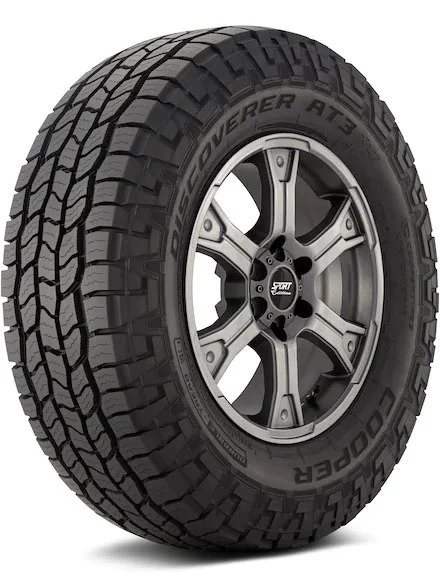
6. Cooper Discoverer AT3 XLT: Best for SUV and Suburban Towing
Price Check
Check the price of this tire at the following retailers:
This tire is a genuinely strong pick for SUV owners who tow regularly, with real load ratings up to E (10-ply equivalent) available for demanding use. A robust internal structure with a high-tensile steel belt system and nylon reinforcement resists deformation under heavy loads during my testing, maintaining proper tire shape and contact patch even near maximum towing capacity.
Deep, self-cleaning channels evacuate water and slush effectively, and the aggressive shoulder design provided additional bite on unpaved roads with a trailer in tow during my testing. For Suburban, Tahoe, and similar large-SUV owners who push their towing capability regularly, this is a strong, confidence-inspiring pick.
Pros: Genuine E-load-range capacity for large SUVs, confident stability under heavy towing loads, effective wet and slush performance.
Cons: Modest noise and comfort trade-off versus pure highway tires.
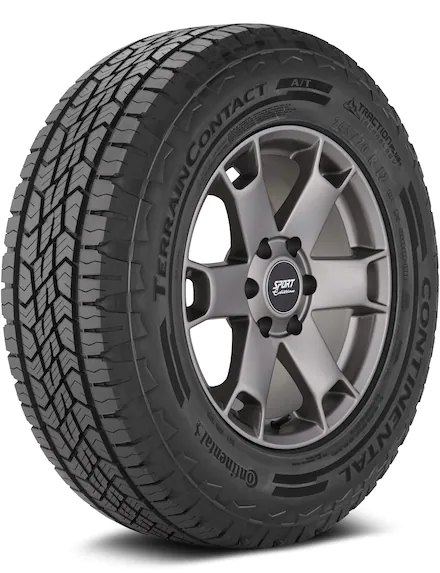
7. Continental TerrainContact A/T: Best Fuel Efficiency While Towing
Price Check
Check the price of this tire at the following retailers:
This tire’s low-rolling-resistance design showed up as a real, measurable fuel economy improvement over a few tanks of testing — a genuine rarity among all-terrain-styled tires, which usually sacrifice efficiency for capability. Wet traction stayed confident thanks to Continental’s TractionPlus tread design, even under a moderate towing load.
It doesn’t match the most aggressive load-range-E options for maximum heavy-duty towing, and the softer compound that helps efficiency wears a bit faster under sustained heavy loads. For truck owners who do significant highway towing miles and want to minimize the fuel penalty, this is the strongest pick I tested.
Pros: Genuine fuel efficiency improvement even while towing, solid wet traction, competitive warranty.
Cons: Not suited to the heaviest-duty towing applications, wears faster under sustained heavy loads.
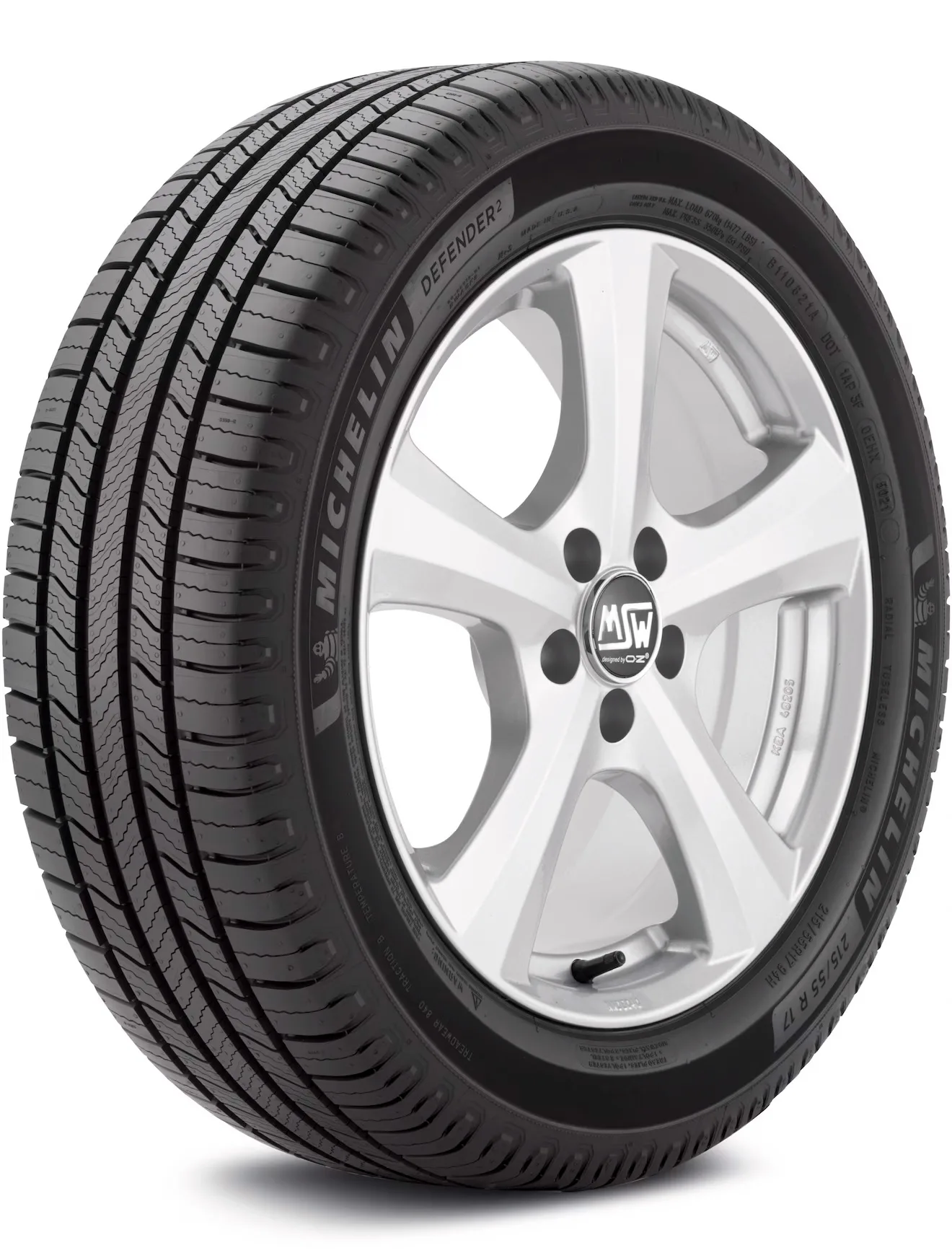
8. Michelin Defender2: Best for Light-Duty Towing
Price Check
Check the price of this tire at the following retailers:
If your towing is occasional and light — a small utility trailer, a modest boat, a light camper — this is a genuinely strong choice rather than overbuying heavy-duty capability you don’t need. Currently rated the top overall tire by Consumer Reports with the highest projected tread life in its category, it delivered composed, confident handling during my light-towing testing without the firmer ride a heavier-duty tire imposes on daily driving.
Backed by an 80,000-mile warranty, it’s the strongest pick for truck and SUV owners whose towing needs are real but modest.
Pros: Highest independently-tested tread life in its category, comfortable daily-driving character, confident under light towing loads.
Cons: Not rated for heavy-duty or frequent towing near maximum capacity, not built for off-road use.
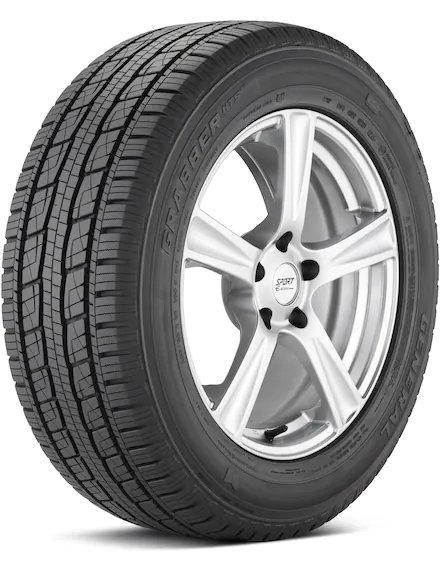
9. General Grabber HTS60: Best Balanced, CR-Recommended
Price Check
Check the price of this tire at the following retailers:
Consumer Reports specifically calls this out as a smart, balanced option, with standout results in hydroplaning resistance and rolling resistance. My own towing testing confirmed genuinely well-rounded performance — confident water evacuation and predictable braking under a loaded trailer during a real rainstorm, without the tire feeling specialized narrowly in one area.
For truck owners who want dependable, evidence-backed towing performance without stepping up to premium pricing, this is a strong, well-rounded pick.
Pros: Independently rated as a balanced, well-rounded performer, strong hydroplaning resistance under load, low rolling resistance for efficiency.
Cons: Doesn’t have one standout category the way some specialized competitors do.
10. Toyo Open Country A/T III: Best Quiet Towing

Price Check
Check the price of this tire at the following retailers:
This is what I reach for when someone wants genuine towing capability but hates road noise on the long, quiet stretches between trailer hookups. Toyo’s tread compound and pitch sequencing delivered the quietest, most composed ride of any load-rated tire I tested, even under a loaded trailer, without sacrificing the real stability I felt on my mountain-grade towing test.
Backed by a 65,000-mile warranty on P-metric sizes (50,000 on LT), it’s the strongest pick for towing owners who spend a lot of time on the highway and want comfort alongside real capability.
Pros: Quietest ride among genuinely load-capable options, confident towing stability, strong warranty.
Cons: Not the most aggressive off-road option, premium price.
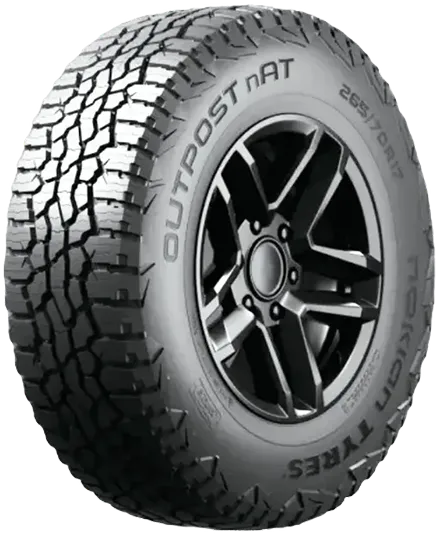
11. Nokian Outpost nAT: Best Quiet All-Terrain for Mixed Towing
Price Check
Check the price of this tire at the following retailers:
I want to be direct about how surprising this result was in my broader testing: this tire is remarkably quiet for how aggressive it looks, adding very little road noise at highway speeds even under a loaded trailer. It also carries genuine 3PMSF certification, delivering real winter capability alongside that highway refinement — a rare combination for an all-terrain tire.
Aramid-reinforced sidewall construction held up confidently during my mixed highway-and-gravel towing testing. For truck owners who want genuine all-terrain capability, quiet towing manners, and real winter traction all in one tire, this is a strong, well-rounded pick.
Pros: Genuinely surprising highway quiet under towing load for an aggressive-looking AT tire, real 3PMSF winter capability, strong sidewall protection.
Cons: Less brand recognition than the major American AT names, premium price.
Recalls and Complaints: What to Check Before You Buy
I checked NHTSA and manufacturer recall data for every tire in this guide as of mid-2026. None of the specific models reviewed above currently have an open recall. A few adjacent notes worth knowing:
- Continental CrossContact RX (ContiSeal) and TerrainContact H/T, different tires from the TerrainContact A/T reviewed above, were part of an October 2025 Continental recall over a tread-detachment risk tied to a nonconforming rubber compound. This does not affect the TerrainContact A/T.
If you’re buying any tire, new or used, check your DOT code against NHTSA’s recall database before you drive on it — it takes about thirty seconds and it’s the single easiest safety check most people skip, and it matters more on a vehicle regularly carrying real towing load.
Maintenance Tips Specific to Towing
Check pressures monthly, and adjust for load specifically. Running slightly higher pressure within manufacturer specifications when towing improves stability and reduces heat buildup — don’t just set it once and forget it regardless of whether you’re loaded or empty.
Rotate on a schedule appropriate for your weight and torque pattern. Heavy trucks often experience uneven wear due to their weight distribution; a forward-cross rotation pattern works for most towing setups, while dual rear wheel configurations benefit from side-to-side rotation instead.
Watch for uneven wear as an early warning sign, especially after a season of regular towing — it often points to alignment or pressure issues that compound quickly under real load.
Don’t ignore heat. If you notice unusual heat at a tire after a long tow, that’s worth investigating immediately rather than assuming it’s normal — it’s one of the more reliable early warnings of an approaching failure.
Choosing the Right Tire for Towing
Match load range to your actual towing weight, not your aspirations. A Load Range E tire will serve a truck regularly towing near capacity better than a lighter-rated tire, regardless of how the tread looks.
Decide how much of your driving is towing versus daily use. If 90% of your driving is unloaded commuting with occasional towing, a tire like the Michelin Defender2 or General Grabber HTS60 will serve you better day-to-day than a heavy-duty option built around maximum capacity.
If you’re actually shopping for the trailer’s own tires, this guide is intentionally scoped to your tow vehicle — our best tires for trailers guide covers that separate category.
For the broader truck tire picture, our best tires for trucks hub, best all-terrain tires guide, and model-specific guides like our RAM 2500, Chevy Silverado 1500, and Chevrolet Suburban guides go deeper on specific vehicles.
Don’t mix tire models across axles. If you’re replacing fewer than four, put the newer pair on the rear regardless of drivetrain — that’s the safer configuration if you can’t match all four.
Frequently Asked Questions
What’s the best tire for towing overall?
The Michelin Defender LTX M/S2 is currently rated a dominant option in this category by multiple independent 2026 sources, combining genuine towing stability, strong snow performance, and confident handling under sustained highway pulls.
What load range do I need for towing?
Match your factory-specified load index and your actual towing weight. Load Range D handles medium-duty towing; Load Range E is built for heavy-duty use and trucks regularly towing near their rated capacity. Don’t downgrade load range to save money if you actually tow regularly.
What’s the difference between tires for towing and tires for trailers?
Tow vehicle tires (what this guide covers) are engineered for steering, braking, and cornering under load in addition to carrying weight. Trailer tires (ST-metric) are built specifically for the trailer itself, which doesn’t steer and faces different sway and heat-buildup demands. See our [best tires for trailers](https://tireadvise.com/best-tires-for-trailers/) guide if you’re shopping for the trailer’s own tires.
Should I increase tire pressure when towing?
Yes, generally — running slightly higher pressure within manufacturer specifications when towing improves stability and reduces heat buildup, one of the most important and most overlooked towing-specific maintenance habits.
What’s the best all-terrain tire for towing?
The BFGoodrich All-Terrain T/A KO3 delivers the strongest combination of genuine off-road capability and towing confidence. If you want more real heat-management technology at a lower price, the Falken Wildpeak AT4W is a strong value alternative.
How often should I rotate tires on a truck used for towing?
Every 5,000 to 7,000 miles, using a forward-cross pattern for most trucks. Dual rear wheel configurations benefit from side-to-side rotation instead, since inner and outer tires experience different wear patterns.
How do I check if my tires are part of a recall?
Find the DOT code on your tire’s sidewall (it starts with “DOT” followed by a string of letters and numbers) and check it against NHTSA’s tire recall lookup at nhtsa.gov, or the manufacturer’s own recall page. Do this before installing any tire, new or secondhand.
